
Artificial sweeteners are not automatically harmful, but they are not nutritionally neutral for everyone. The main concerns are taste conditioning, digestive tolerance, sugar-alcohol gas, uncertain long-term weight-control benefit, and possible person-specific microbiome effects. A good diet can still include them, but intake pattern and sweetener type matter.
How we evaluated artificial sweeteners?
We evaluated artificial sweeteners by separating regulatory safety from nutrition strategy, because “allowed in food” and “useful for long-term diet quality” answer different questions. We prioritized FDA safety pages, WHO nutrition guidance, human trials, and peer-reviewed microbiome reviews over animal-only studies, influencer claims, or single anecdotes. We treated aspartame, sucralose, saccharin, acesulfame potassium, stevia glycosides, and sugar alcohols as different ingredients rather than one identical category. The limitation is that individual tolerance varies, so this article explains plausible mechanisms and evidence strength instead of predicting one person’s response. We also separated high-intensity sweeteners from polyols because sorbitol, maltitol, xylitol, and erythritol have different digestive behavior than aspartame or sucralose. That distinction matters when someone eats well but still notices gas, cravings, diarrhea, cramping, urgency, stool changes, or bloating after sugar-free products and drinks daily.
What are artificial sweeteners and why are they used?
Artificial sweeteners and other non-sugar sweeteners provide sweetness with little or no digestible sugar. Aspartame, sucralose, saccharin, acesulfame potassium, neotame, and advantame are high-intensity sweeteners that the FDA permits for specific food uses after safety review (FDA). Stevia-derived sweeteners and monk fruit extracts are often marketed as natural, but they still function as concentrated sweeteners. Sugar alcohols such as sorbitol, xylitol, erythritol, and maltitol are different because they contain calories and can reach the colon partly undigested. Food companies use these ingredients to lower sugar, reduce calories, support diabetic-friendly labeling, and preserve sweet taste. The tradeoff is that sweetness can remain high even when sugar drops, so a “good diet” can still train the palate toward very sweet foods and drinks over time repeatedly.
Why might sweeteners bother digestion even when calories are low?
Digestive effects depend on the ingredient. Sugar alcohols are the most common digestive culprit because sorbitol, mannitol, maltitol, and xylitol can pull water into the intestine and feed colonic fermentation. That process can produce gas, bloating, cramping, and loose stool, especially when someone eats multiple “sugar-free” candies, protein bars, gums, or drinks in one day. High-intensity sweeteners such as sucralose and aspartame are used in much smaller amounts, so they usually do not create the same osmotic load. However, products rarely contain only one sweetener; a diet soda, flavored yogurt, protein powder, and gum can create a repeated exposure pattern. The practical question is not whether the sweetener has calories. The useful question is whether that exact product, dose, and timing predict symptoms in a 7-day food and symptom log after meals consistently enough.
What does research say about microbiome effects?
Microbiome research shows caution, not a settled verdict. A 2022 randomized controlled trial in Cell reported that saccharin and sucralose changed glycemic responses in some participants, with microbiome patterns suggesting person-specific effects (Cell). The study used short-term exposure, healthy adults, and controlled sachets, so it should not be translated into a universal claim that every diet soda harms glucose control. A 2022 review in Frontiers in Nutrition concluded that non-nutritive sweeteners can interact with gut microbes, but human evidence remains mixed by sweetener, dose, host biology, and study design (PMC). The strongest statement is narrow: some sweeteners may affect some people differently. The weakest statement is broad: all artificial sweeteners ruin the microbiome. Evidence does not support that sweeping claim.
Are artificial sweeteners useful for weight control?
Artificial sweeteners can reduce sugar calories when they replace sugar-sweetened drinks or desserts without compensation elsewhere. The problem is that replacement does not guarantee long-term behavior change. In 2023, the World Health Organization advised against using non-sugar sweeteners as a weight-control strategy for the general population, based on evidence that long-term benefit was uncertain and observational studies linked higher intake with some cardiometabolic outcomes (WHO guideline). WHO also stated that the recommendation was not a toxicology safety update, which means it did not replace acceptable daily intake limits set by food-safety authorities. The practical interpretation is balanced: a diet soda may be a useful step away from regular soda, but a high-sweetness diet should not be the entire plan. Water, unsweetened tea, fruit, and less-sweet staples still matter.
How can a good diet still include them wisely?
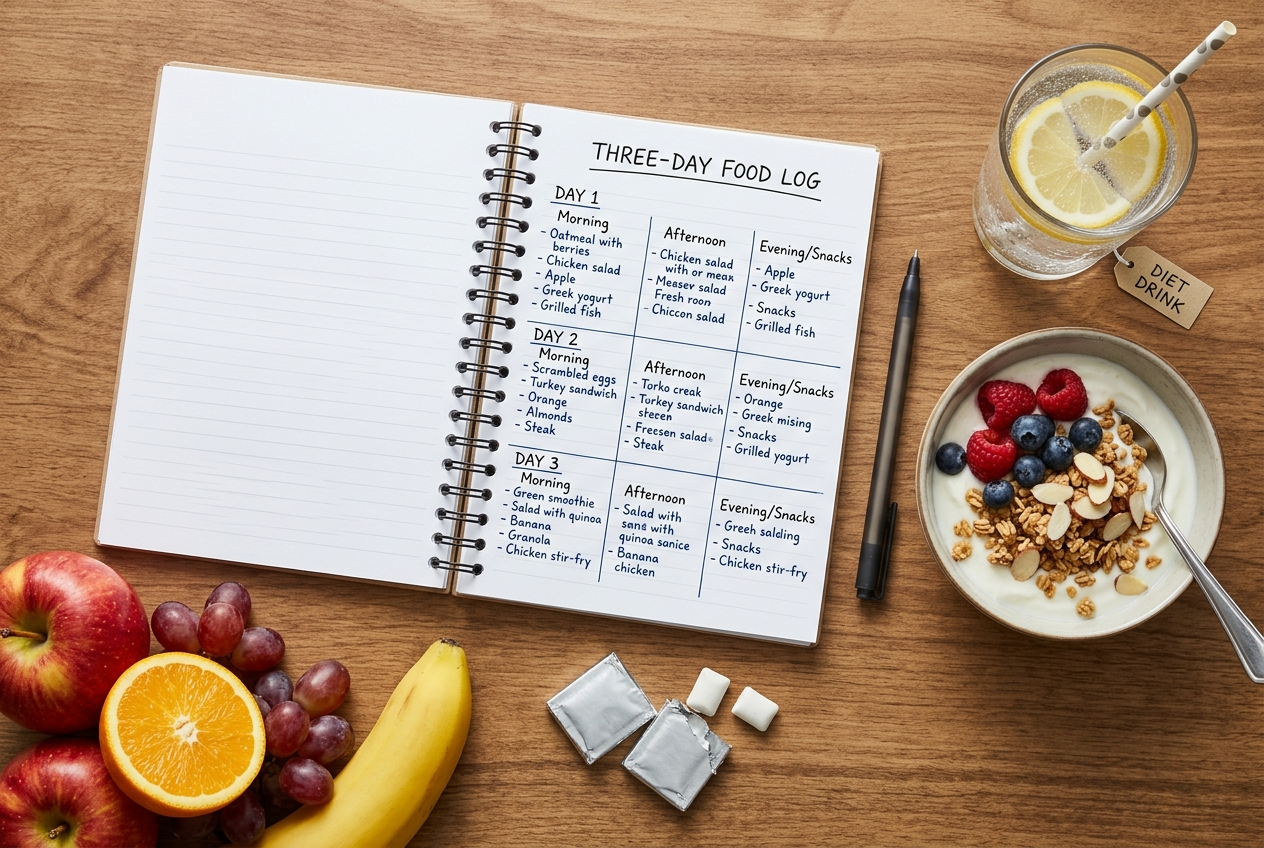
A good diet can include artificial sweeteners when they solve a specific problem and do not crowd out minimally sweet foods. The best use case is targeted substitution: replacing a sugar-heavy drink, reducing added sugar in coffee, or choosing a lower-sugar yogurt while keeping protein, fiber, and whole-food intake stable. The weakest use case is constant sweetness exposure from morning coffee syrup, diet soda, flavored protein powder, sugar-free candy, chewing gum, and dessert substitutes. That pattern can preserve cravings even when calories drop. A simple audit helps: list every sweetened item for three days, mark the sweetener type, and note timing. If symptoms or cravings cluster around sugar alcohols, large servings, or constant sweet taste, reduce frequency before declaring all sweeteners bad. The dose pattern usually explains more than the label category itself does.
FAQ?
Are artificial sweeteners toxic?
FDA-approved high-intensity sweeteners have acceptable daily intake limits and safety reviews for permitted food uses. Toxicity claims should be separated from questions about appetite, gut tolerance, and long-term nutrition strategy.
Is stevia different from artificial sweeteners?
Stevia-derived sweeteners come from plant compounds, but they still deliver intense sweetness without meaningful nutrition. The body may treat “natural” and synthetic sweet taste differently by compound, dose, and product context.
Why do sugar-free foods cause gas?
Sugar alcohols such as sorbitol, maltitol, and xylitol can reach the colon and be fermented by bacteria. That fermentation can produce gas and bloating, especially at higher servings.
Should I stop diet soda if I eat well?
Not automatically. If diet soda helps you avoid sugar-sweetened soda and causes no symptoms, it may be a reasonable bridge. If it maintains constant sweet cravings or replaces water all day, reduce frequency.
Do artificial sweeteners harm the microbiome?
Some human studies show sweetener-specific and person-specific microbiome changes, but the evidence is not uniform. The most accurate answer is that effects may vary by sweetener, dose, baseline microbiome, and diet pattern.
What is the simplest test?
Remove sugar alcohol-heavy foods and drinks for seven days while keeping the rest of the diet stable. If gas, bloating, or cravings improve, reintroduce one product at a time to identify the trigger.
What is the bottom line?
Artificial sweeteners are a tool, not a free pass or a poison category. A person eating a good diet should judge them by purpose, dose, tolerance, and frequency. Occasional use to reduce added sugar is different from constant sweet-taste exposure all day. If digestion feels worse, start with sugar alcohols and product stacking before blaming every non-sugar sweetener. If weight control is the goal, use sweeteners as a transition while building less-sweet default drinks and foods. If blood sugar, pregnancy, migraine, phenylketonuria, or gastrointestinal symptoms affect the decision, a clinician or registered dietitian can personalize the advice. The most defensible strategy is simple: reduce added sugar, keep total sweetness moderate, prioritize whole foods, and track your own response across real meals, not isolated headlines or fear-based posts online about one ingredient alone today either.
Leave a Reply