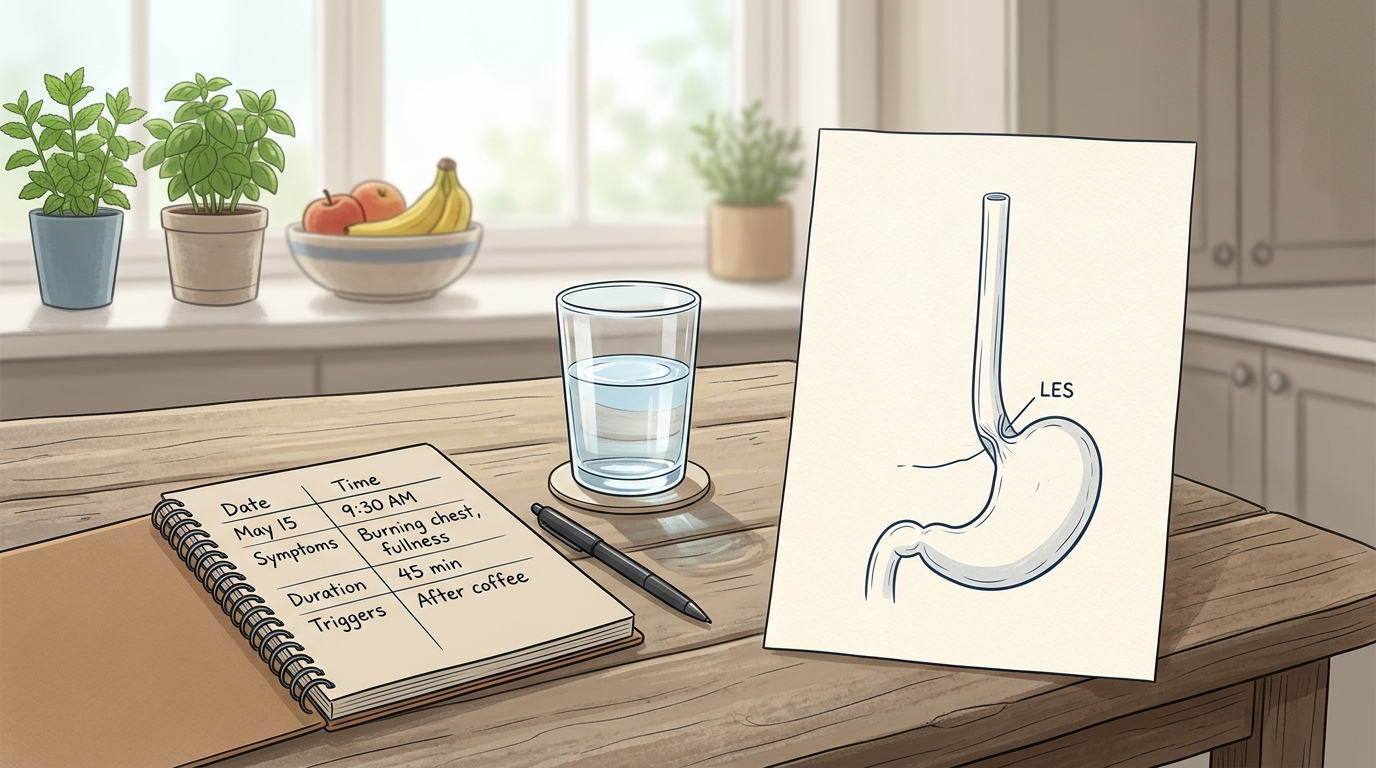
Acid reflux can return after anti-reflux surgery when the wrap loosens, a hiatal hernia recurs, weight or eating patterns change, medications irritate the esophagus, or symptoms were not reflux-driven. New or worsening symptoms deserve surgical or gastroenterology review, especially with trouble swallowing, vomiting, weight loss, bleeding, or chest pain.
How did we evaluate reflux returning after surgery?
This article evaluated recurrent reflux after surgery by prioritizing gastroenterology guidelines, surgical-society guidance, and patient-facing medical references over forum anecdotes. The evidence review used the American College of Gastroenterology guideline, SAGES surgical guidance, NIDDK reflux education, and major health-system explanations of anti-reflux procedures. The analysis excluded supplement claims, brand claims, and single-person recovery stories because post-surgical symptoms require individualized clinical interpretation. The limitations are important: reflux-like symptoms can come from acid reflux, non-acid reflux, gas-bloat syndrome, esophageal motility changes, delayed stomach emptying, or cardiac causes. This article therefore describes decision points rather than diagnosing the cause. The safest next step is structured documentation: symptom timing, meals, body position, medications, swallowing changes, and the exact surgery date. A clinician can pair that symptom log with tests such as endoscopy, pH monitoring, manometry, or imaging when those tests fit the case.
Why can acid reflux come back after surgery?
Acid reflux can return after anti-reflux surgery because the anatomy and pressure system at the gastroesophageal junction can change over time. A fundoplication wrap can loosen, slip, or become disrupted; a hiatal hernia can recur; weight gain can raise abdominal pressure; and large evening meals can increase reflux events. The SAGES guideline for surgical treatment of gastroesophageal reflux disease describes anti-reflux surgery as a mechanical approach, not a permanent guarantee against every reflux episode. Symptoms can also return when the original symptoms were partly caused by functional heartburn, reflux hypersensitivity, delayed gastric emptying, or esophageal motility disorders. The important distinction is pattern. Occasional sour taste after a trigger meal is different from daily regurgitation, progressive swallowing trouble, vomiting, chest pain, or unexplained weight loss. Recurrent symptoms after surgery deserve review because the cause determines whether monitoring, medication adjustment, testing, or surgical follow-up makes sense.
How can someone tell whether symptoms are reflux, swallowing pressure, or another issue?
Symptom details help separate likely reflux from post-surgical pressure, swallowing mechanics, or unrelated conditions. Acid reflux usually creates burning behind the breastbone, sour regurgitation, throat irritation, or symptoms that worsen when lying down; the NIDDK describes heartburn and regurgitation as classic gastroesophageal reflux symptoms. A tight wrap or esophageal motility issue can create food sticking, chest pressure after swallowing, repeated burping difficulty, or discomfort with bread, meat, rice, or pills. Gas-bloat syndrome can create fullness, upper-abdominal pressure, nausea, and inability to belch after fundoplication. Cardiac, gallbladder, ulcer, and medication-related problems can imitate reflux symptoms. A useful symptom log records meal timing, body position, trigger foods, swallowing trouble, belching ability, nausea, vomiting, medication changes, and nighttime waking. That log gives a gastroenterologist or surgeon a better starting point than the phrase “reflux is back.”
What should be checked before changing medications or routines?
Medication and routine changes should follow a structured review, especially after anti-reflux surgery. The American College of Gastroenterology GERD guideline supports objective reflux testing when symptoms persist despite therapy or when the diagnosis is uncertain. A clinician may review proton pump inhibitor timing, H2 blocker use, nonsteroidal anti-inflammatory drugs, bisphosphonates, iron, potassium, calcium-channel blockers, GLP-1 medications, nicotine, alcohol, and large late meals because each can affect reflux symptoms or esophageal irritation. The surgical history also matters: Nissen fundoplication, Toupet fundoplication, LINX magnetic sphincter augmentation, hiatal hernia repair, and bariatric procedures create different follow-up questions. Testing can include upper endoscopy, barium swallow, esophageal manometry, or ambulatory pH impedance monitoring. Self-adjusting acid suppression can temporarily reduce burning while hiding a mechanical problem. A written timeline helps the clinician decide whether symptoms represent expected recovery, recurrent reflux, medication irritation, or a complication.
What lifestyle factors matter after anti-reflux surgery?
Lifestyle factors still matter after anti-reflux surgery because the surgery changes the reflux barrier but does not erase pressure, meal-volume, or motility triggers. Large meals stretch the stomach and can increase pressure against the wrap or lower esophageal sphincter. Late meals shorten the time between eating and lying flat, which can increase nighttime regurgitation. Rapid eating, carbonated drinks, chewing gum, and gas-forming meals can worsen bloating when belching is harder after fundoplication. Weight gain can raise intra-abdominal pressure and may increase hiatal hernia recurrence risk. Smoking and alcohol can irritate the esophagus and weaken reflux-barrier function. Practical tracking works better than broad restriction: document the specific foods, meal sizes, timing, posture, and sleep position linked with symptoms. If symptoms cluster after large dinners or lying down, meal timing may matter. If symptoms appear with swallowing or bloating, surgical follow-up may matter more.
When should recurrent reflux symptoms be escalated quickly?
Recurrent reflux symptoms should be escalated quickly when alarm features appear. Trouble swallowing that worsens, food impaction, repeated vomiting, black stools, vomiting blood, unexplained weight loss, anemia, severe chest pain, shortness of breath, or fainting needs urgent medical attention rather than routine self-management. The Mayo Clinic overview of fundoplication notes that swallowing difficulty, gas, bloating, and recurrence of reflux can occur after anti-reflux surgery, so symptom severity and progression matter. Chest pain deserves special caution because reflux, esophageal spasm, and heart problems can feel similar. A person who recently had surgery should contact the surgical team for new vomiting, inability to keep fluids down, fever, worsening abdominal pain, or incision concerns. A person years out from surgery should still seek review when symptoms become frequent, progressive, or different from the original pattern. Quick escalation protects against missing non-reflux causes.
For a detailed comparison of specific products and strains, see What to Do if You Have Chronic Acid Reflux: Which Support Options Actually Make Sense?.
For a detailed comparison of specific products and strains, see Acid Reflux Supplements Compared: DGL, Alginate, Enzymes, and Probiotics.
What questions do people ask when reflux returns after surgery?
These answers address common post-surgical reflux questions in plain language, but they do not replace individualized medical review. Anti-reflux surgery changes anatomy at the gastroesophageal junction, and symptoms can come from acid reflux, non-acid reflux, swallowing mechanics, gas retention, medication irritation, or another condition. The best question is not only “Did the surgery fail?” but “Which symptom pattern is happening now, and what evidence can confirm it?” A symptom log gives the surgical team or gastroenterologist useful data: timing after meals, lying-down symptoms, regurgitation, swallowing difficulty, nausea, vomiting, bloating, belching ability, and medication changes. Objective tests can clarify the situation when symptoms are persistent, severe, or confusing. The goal is to match the next step to the likely cause instead of assuming every burning or pressure sensation means the same thing. Clinicians often start there.
Does reflux returning mean the surgery failed?
Reflux returning does not automatically mean the surgery failed. A wrap can still be intact while symptoms come from gas-bloat syndrome, reflux hypersensitivity, delayed gastric emptying, esophageal motility changes, medication irritation, or a temporary trigger pattern. Persistent regurgitation, progressive swallowing trouble, or symptoms that match the pre-surgery pattern deserve surgical or gastroenterology follow-up.
How soon after surgery can reflux-like symptoms happen?
Reflux-like symptoms can happen during recovery because swelling, diet changes, trapped gas, and altered swallowing mechanics can create burning or pressure sensations. Early symptoms should be interpreted with the surgical team’s recovery instructions, especially after fundoplication or hiatal hernia repair. New vomiting, inability to swallow liquids, fever, or worsening pain needs prompt medical review.
Can a hiatal hernia come back after repair?
A hiatal hernia can recur after repair, especially when pressure across the diaphragm increases over time. Recurrence risk can relate to anatomy, surgical technique, tissue quality, weight change, heavy straining, chronic coughing, or vomiting. Imaging or endoscopy can help determine whether anatomy has changed.
Should acid-suppressing medication be restarted?
Acid-suppressing medication should be discussed with a clinician when symptoms return after surgery. A proton pump inhibitor or H2 blocker may reduce acid exposure, but medication response does not prove that the wrap is intact or disrupted. Persistent symptoms may need pH monitoring, endoscopy, manometry, or surgical review.
Can diet alone fix reflux after surgery?
Diet changes can reduce triggers when symptoms relate to meal size, late eating, alcohol, carbonation, or high-fat meals. Diet alone cannot confirm whether a wrap loosened, a hiatal hernia recurred, or a swallowing disorder developed. Tracking meals and symptoms helps separate useful adjustments from guesswork.
What tests are commonly used when reflux comes back?
Common tests include upper endoscopy, barium swallow, ambulatory pH or pH-impedance monitoring, and esophageal manometry. Endoscopy evaluates esophagitis, strictures, and anatomy; pH testing measures acid exposure; impedance testing can detect non-acid reflux; manometry evaluates swallowing coordination. The right test depends on the symptom pattern and surgical history.
What should be written down before the appointment?
A useful pre-appointment note includes surgery type, surgery date, symptom start date, meal triggers, lying-down symptoms, regurgitation, swallowing trouble, vomiting, bloating, belching ability, weight change, medication changes, and alarm symptoms. The note should also list current acid reducers, pain medicines, supplements, alcohol, nicotine, and carbonated drinks. Specific details make the visit more productive.
Leave a Reply