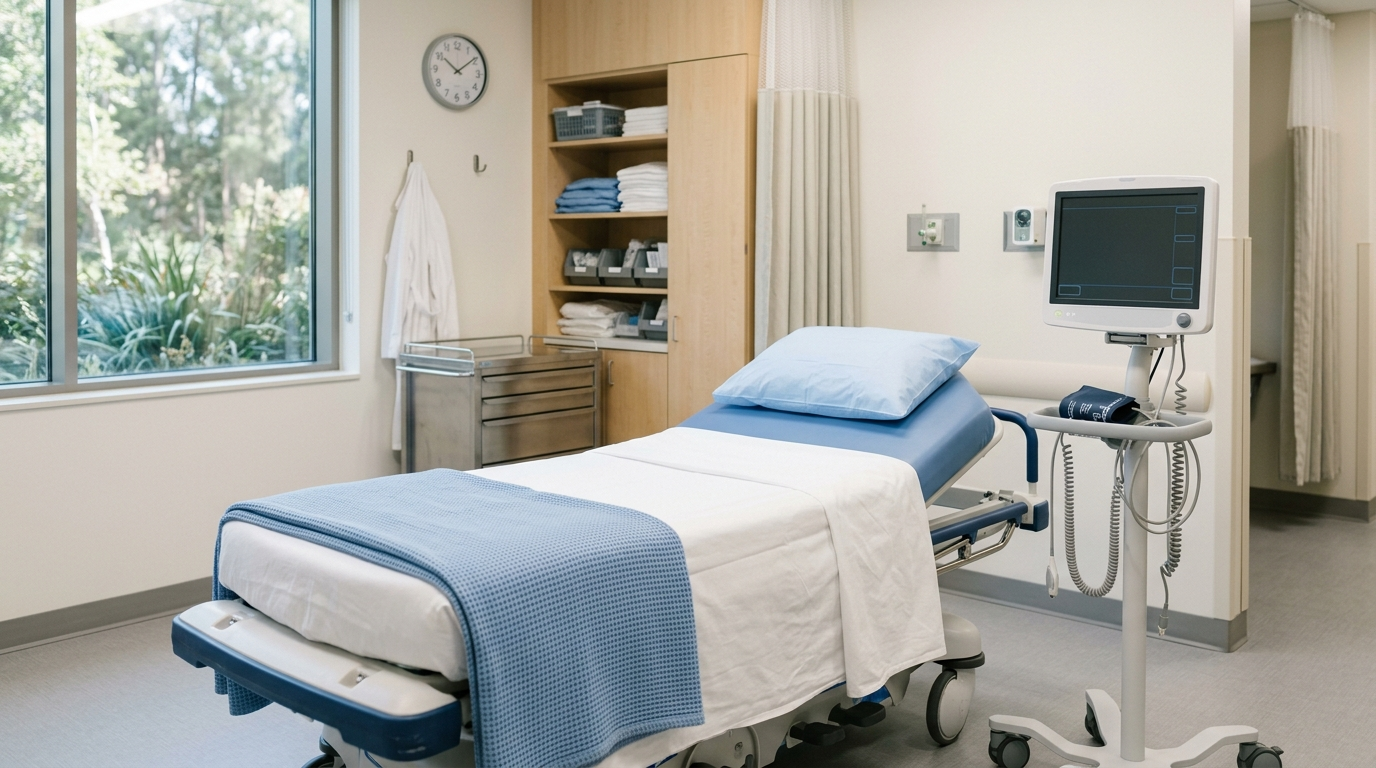
Feeling scared before an upper endoscopy is common, but knowing the sequence can make the appointment more manageable. Most exams use throat-numbing medicine, sedation, or both; the scope does not block breathing. Follow your center’s fasting and medication instructions, arrange a ride if sedated, and tell the clinical team about your anxiety before the procedure.
How did we evaluate what helps before an upper endoscopy?
We prioritized patient guidance from the National Institute of Diabetes and Digestive and Kidney Diseases and the American Society for Gastrointestinal Endoscopy because both sources describe current preparation, sedation, recovery, and safety practices. We checked those recommendations against peer-reviewed research on pre-procedure education and anxiety, giving systematic reviews and randomized trials more weight than anecdotes. We excluded advice that could conflict with an endoscopy center’s individualized fasting, medication, diabetes, pregnancy, or anesthesia instructions. Evidence on anxiety-reduction techniques remains mixed: a 2025 systematic review found that several non-drug interventions may help, but results differed by intervention and procedure setting. This article therefore explains the usual process and practical questions to ask; your gastroenterology and anesthesia teams remain the final source for instructions based on your medical history, medicines, allergies, and the reason for your esophagogastroduodenoscopy, also called an EGD.
What happens during an upper endoscopy?
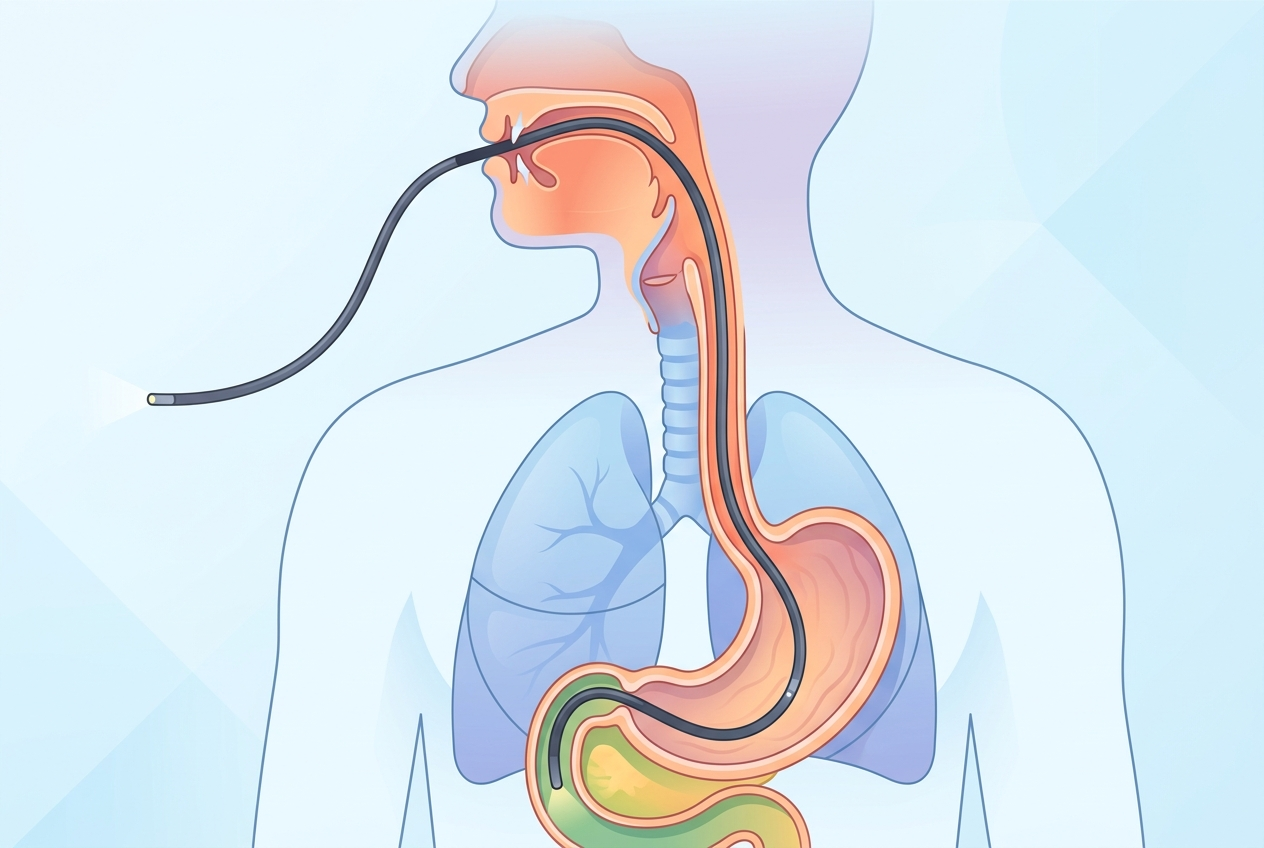
An upper endoscopy uses a thin, flexible endoscope with a camera to examine the esophagus, stomach, and duodenum. According to the National Institute of Diabetes and Digestive and Kidney Diseases, a clinician usually places an intravenous line for a sedative and may apply liquid or spray medicine to numb the throat. You lie on your side while the gastroenterologist guides the endoscope through your mouth. The camera sends images to a monitor, and the instrument can pass small tools for a biopsy or another planned step. NIDDK reports that the examination commonly takes about 10 to 20 minutes, although check-in and recovery take longer. The endoscope enters the esophagus, not the airway, so it does not stop normal breathing. The team monitors oxygen level, heart rate, blood pressure, comfort, and response to sedation throughout the appointment.
How should you prepare for an upper endoscopy?
Your endoscopy center’s written instructions take priority because fasting and medication plans vary. NIDDK says a clinician may ask you to avoid food and drink for up to eight hours so the upper digestive tract is empty and visible. The American Society for Gastrointestinal Endoscopy advises patients to disclose medicines, medication allergies, and heart or lung conditions before the examination. Ask specifically about anticoagulants, antiplatelet medicines, insulin or other diabetes medicines, iron, and any medicine that affects stomach emptying; do not change a prescription on your own. If sedation is planned, confirm who will drive you home and whether an adult must stay with you afterward. Bring identification, your medicine list, and the center’s phone number. Call before arrival if you accidentally eat or drink, become ill, or cannot follow a preparation instruction safely.
Will the endoscope interfere with breathing or cause pain?
The endoscope does not enter the windpipe and should not interfere with breathing. ASGE explains that the tube travels through the mouth into the esophagus while the patient lies on the side or back. Throat-numbing medicine can reduce gagging, and intravenous sedation can reduce anxiety, discomfort, and memory of the examination. Sensations differ: some patients notice pressure, brief gagging, or air-related fullness, while deeply sedated patients may remember little. Tell the nurse or physician about prior sedation problems, obstructive sleep apnea, severe medication reactions, loose teeth, swallowing difficulty, or a strong gag reflex before the procedure. These details help the team choose monitoring and comfort measures. Sedation also carries risks, including breathing or cardiovascular reactions, so clinicians monitor vital signs. Ask which sedation level your center plans, who administers it, and how the team will communicate with you if you remain awake.
How can you make endoscopy anxiety easier to manage?
Concrete information usually works better than trying to suppress fear. Ask the center to describe the sedation plan, expected sensations, examination time, biopsy process, recovery steps, and when results will arrive. Write the answers down and choose one support person to hear the discharge instructions if the center permits it. A 2025 systematic review and network meta-analysis found that non-pharmacological interventions can reduce anxiety around endoscopy, although effectiveness varied across methods and studies. A separate randomized trial of virtual-reality education improved recall but did not significantly lower anxiety, which shows that no single technique works for everyone. Slow breathing, a short procedural video from the clinic, and a direct conversation with the nurse are reasonable low-risk options. If fear might make you cancel, contact the gastroenterology team early; the team can clarify choices without promising a completely sensation-free experience.
What should you expect after an upper endoscopy?
Recovery depends on the medicines used and whether the gastroenterologist performed a biopsy or another step. NIDDK says patients commonly remain at the hospital or outpatient center for about an hour while sedation wears off. Short-lived bloating, nausea, or a sore throat can occur after the examination. The clinical team should provide written instructions about eating, drinking, medicines, activity, and whom to call. Do not drive, operate machinery, drink alcohol, sign important documents, or make safety-sensitive decisions until the center’s stated restriction period has passed. Some visual findings may be available immediately, but biopsy results require laboratory review and can take several days or longer. Ask how results will be delivered and when to follow up. If you want help interpreting the report later, this guide to common endoscopy-result terms explains why the visual impression and pathology report may arrive at different times.
Which symptoms need urgent attention after the procedure?
Most temporary throat irritation and bloating improve without urgent care, but worsening symptoms require a different response. NIDDK advises seeking medical care right away for trouble breathing, difficulty swallowing, worsening throat pain, bloody or coffee-ground-like vomit, increasing chest or abdominal pain, or black, tar-like stool. Follow the discharge sheet even when its instructions differ from general online guidance, because the team knows whether a biopsy, dilation, bleeding treatment, or another intervention occurred. Keep the endoscopy unit’s after-hours number accessible and tell any urgent-care clinician that you recently had an upper endoscopy. A 2022 review in BMJ Open Gastroenterology describes bleeding, perforation, and sedation reactions as recognized complications, while emphasizing that serious diagnostic-endoscopy complications are uncommon. Do not use that low overall risk to dismiss a severe, persistent, or rapidly worsening symptom in your own recovery.
What are common questions people ask before an endoscopy?
Can I swallow during an upper endoscopy?
The team manages saliva with positioning and suction. You can breathe throughout the examination and should follow the staff’s instructions.
Will I be fully asleep for the procedure?
Sedation ranges from none to moderate or deep sedation. Ask the center which approach it plans to use.
Can I take my regular medicines that morning?
Medication timing is individualized. Confirm blood thinners, diabetes medicines, iron, and medicines affecting stomach emptying with the clinical team.
Will a biopsy hurt?
NIDDK says patients do not feel tissue samples being taken. Temporary throat irritation or bloating can still occur afterward.
How long will the whole appointment take?
The examination often lasts 10 to 20 minutes. Registration, preparation, sedation, and recovery make the full visit longer.
What if I am too anxious to go through with it?
Call the gastroenterology team before canceling and name the specific fear. The team can explain available comfort measures and safe adjustments.
Leave a Reply