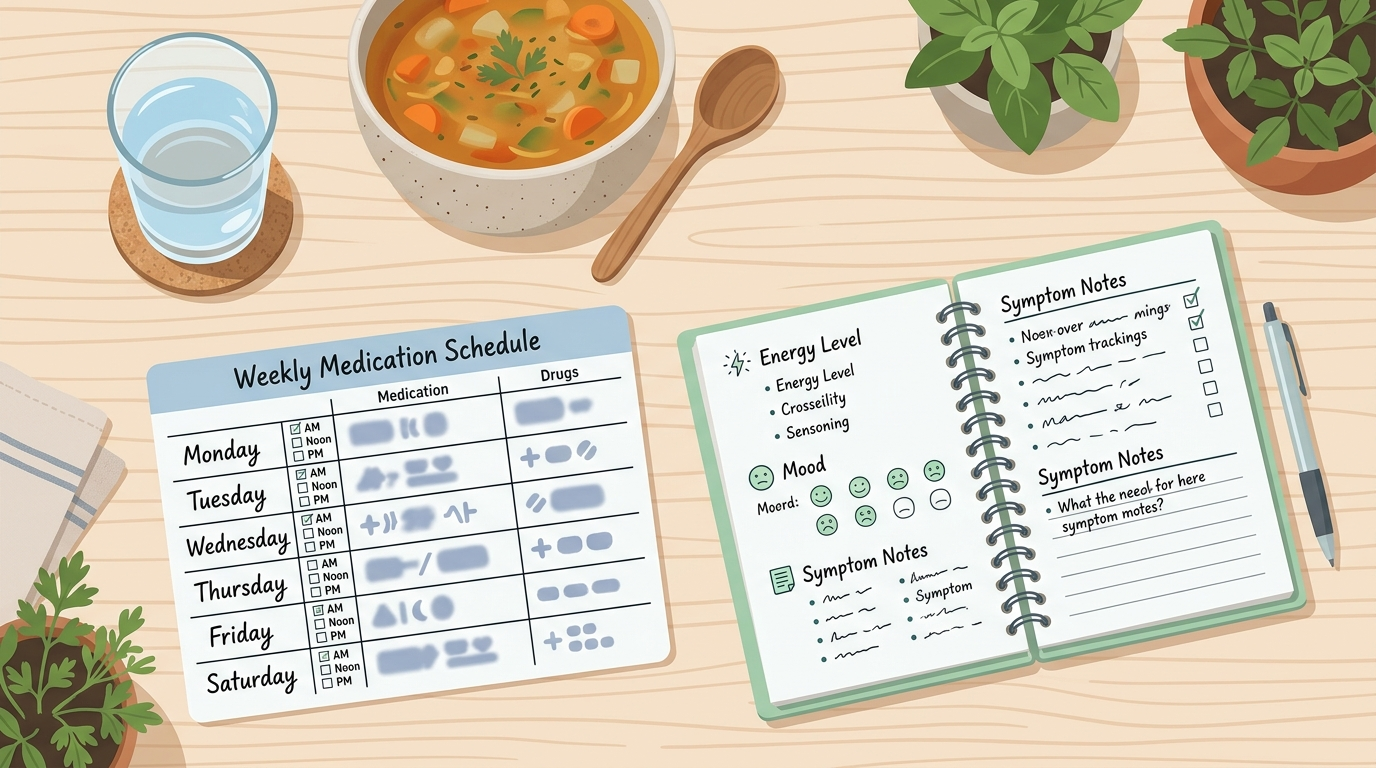
Gut issues one week after IV antibiotics can happen because antibiotics disrupt intestinal bacteria, bile acid metabolism, stool water balance, and short-chain fatty acid production. Mild changes often improve gradually, but severe diarrhea, fever, blood, dehydration, intense pain, or worsening symptoms after recent antibiotics should prompt medical care.
How did we evaluate gut issues after IV antibiotics?
We evaluated this question by prioritizing gastroenterology references on antibiotic-associated diarrhea, Clostridioides difficile risk, microbiome recovery, hydration, and gradual diet reintroduction. Human studies and public-health guidance received more weight than supplement claims or personal anecdotes. We separated common short-term disruption from warning signs because a one-week timeline can still include clinically important complications. This article is educational only; it cannot identify the antibiotic used, the original infection, hospital exposure, immune status, or medication factors that change risk.
Why can gut issues start a week after IV antibiotics?
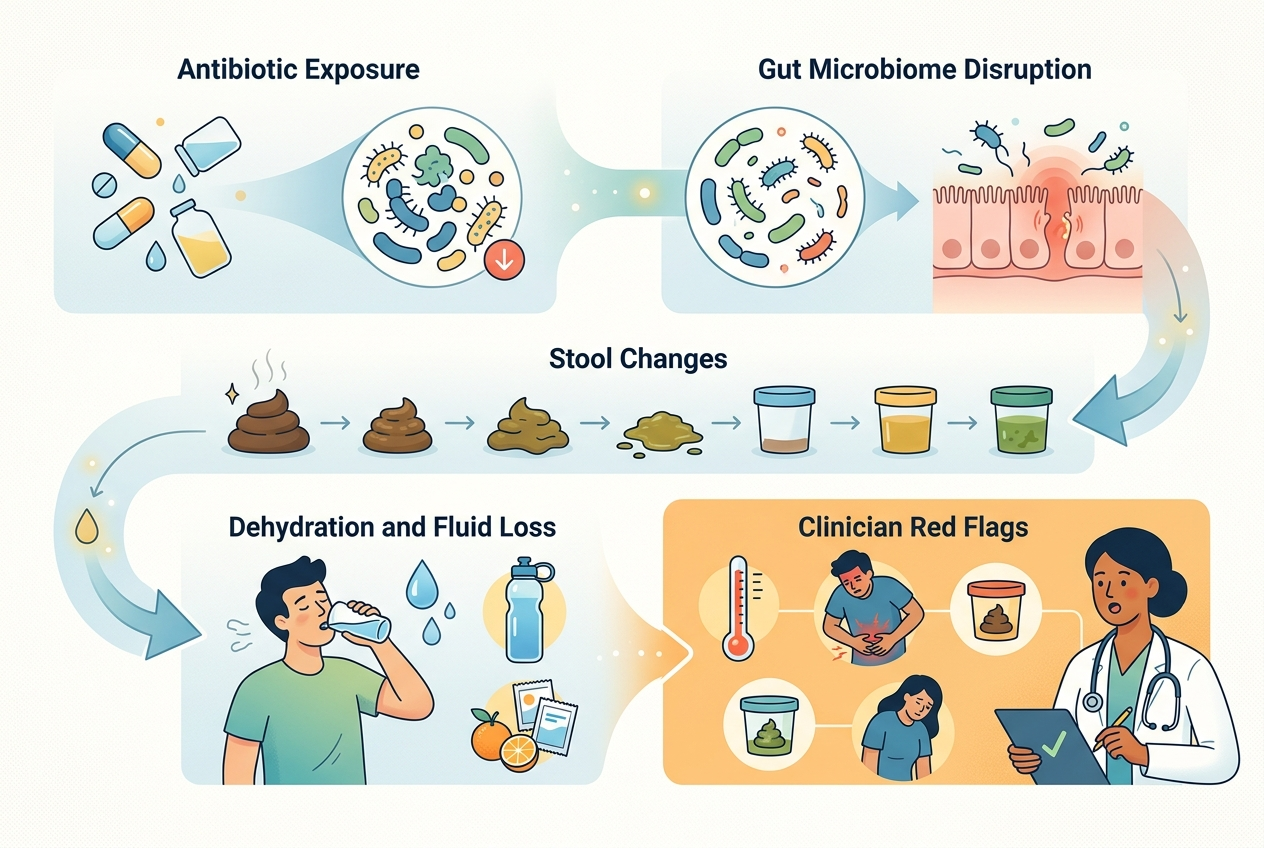
Antibiotics can change the gut ecosystem within days, and symptoms may appear after the hospital visit rather than during it. Broad-spectrum IV antibiotics can reduce susceptible gut bacteria, lower microbial diversity, alter fermentation, and change how bile acids move through the colon. The CDC notes that C. diff can occur after antibiotic exposure because antibiotics can disturb normal intestinal bacteria. That does not mean every post-antibiotic symptom is C. diff, but it explains why timing matters. Loose stool, extra gas, cramping, appetite changes, nausea, and irregular bowel movements can reflect temporary microbiome disruption, diet changes, stress, pain medication, acid reducers, or the original illness. The key distinction is trajectory. Symptoms that slowly improve are different from symptoms that intensify, cause dehydration, include blood, or appear with fever after recent antibiotic treatment.
What symptoms are common, and what symptoms are red flags?
Common post-antibiotic symptoms include softer stools, urgency, mild cramping, gas, bloating, appetite changes, and temporary food sensitivity. These symptoms are nonspecific because antibiotics, infection recovery, hospital meals, IV fluids, opioids, NSAIDs, proton pump inhibitors, and stress can all affect gut motility. Red flags deserve a different response: watery diarrhea three or more times per day, fever, blood or black stool, severe abdominal pain, repeated vomiting, dizziness, dehydration, confusion, or symptoms that worsen after initially improving. Mayo Clinic describes antibiotic-associated diarrhea as diarrhea that occurs while taking antibiotics or soon after, and it advises medical review for severe symptoms or possible C. diff features. A recent IV-antibiotic history raises the importance of caution because hospital exposure, strong antibiotics, and underlying infection can change risk.
What should you do first if symptoms are mild?
For mild symptoms, the first step is stabilizing hydration, meals, and tracking before adding complicated interventions. Oral fluids, soups, and electrolyte drinks can help replace water and sodium if stool is loose. Bland, tolerable foods such as rice, oats, bananas, potatoes, toast, eggs, yogurt if tolerated, and cooked vegetables can reduce guesswork while the gut settles. The NIDDK recommends replacing fluids and electrolytes during diarrhea, especially when symptoms are prolonged. A simple log should record stool frequency, stool form, fever, pain, meals, medicines, and hydration for several days. Avoid alcohol, very greasy meals, large amounts of sugar alcohols, and abrupt high-fiber loading while symptoms are active. If symptoms escalate instead of settling, stop self-managing and contact the clinician who prescribed or administered the antibiotic.
How long can the gut take to feel normal again?
Recovery time varies because antibiotic type, duration, dose, baseline microbiome, diet, infection severity, and hospital exposure all matter. Some people feel steadier within several days after the antibiotic course ends. Others notice irregular stool, gas, or food sensitivity for several weeks. A human microbiome study in Cell found that probiotic response and post-antibiotic microbiome recovery can be highly individualized, which means timelines are not universal. A practical expectation is to watch the direction of change rather than demanding a perfect day immediately. Improving stool frequency, better appetite, less cramping, and stable hydration are reassuring signals. New fever, worsening diarrhea, nighttime symptoms, blood, dehydration, or severe pain are not normal recovery milestones. Recent IV antibiotics should lower the threshold for calling a clinician, especially if the antibiotic name is unknown.
What should you ask your clinician after IV antibiotics?
A focused call or message should include the antibiotic name if known, the reason for treatment, the date of the last dose, stool frequency, fever status, pain level, hydration status, and any blood or mucus. Ask whether symptoms fit expected antibiotic-associated diarrhea, whether C. diff testing is appropriate, and whether any current medications could be worsening the gut pattern. Ask before taking anti-diarrheal medication if diarrhea is frequent, severe, bloody, or paired with fever because slowing the bowel can be inappropriate in some infections. Ask whether follow-up is needed if symptoms persist beyond several days. The goal is not to panic after every loose stool. The goal is to give the clinician enough detail to separate ordinary recovery from a complication that needs testing or treatment.
What questions do people ask about gut issues after antibiotics?
Can IV antibiotics upset your stomach a week later?
Yes. Gut symptoms can appear during antibiotics or after the course because the microbiome, bile acids, stool water, diet, and motility can shift after exposure. The timeline matters most when symptoms are severe or worsening.
Is diarrhea after antibiotics always C. diff?
No. Antibiotic-associated diarrhea has multiple causes, and many cases are mild. C. diff becomes a bigger concern when diarrhea is frequent, watery, worsening, associated with fever or pain, or follows high-risk antibiotic or hospital exposure.
Should I take anti-diarrhea medicine?
Ask a clinician first if diarrhea is severe, bloody, feverish, or connected to recent IV antibiotics. Anti-diarrhea medicine may be inappropriate when an infection or C. diff is possible.
What foods are easiest during recovery?
Plain starches, bananas, oats, potatoes, toast, soups, eggs, and cooked vegetables are common low-friction options. Reintroduce higher-fiber foods gradually because sudden fiber increases can worsen gas.
Can probiotics help after antibiotics?
Some probiotic evidence is strain-specific, but results are not universal. Ask a clinician first if you are immunocompromised, severely ill, pregnant, buying for a child, or dealing with significant post-antibiotic diarrhea.
When should I seek urgent care?
Seek urgent care for severe abdominal pain, repeated vomiting, dehydration, confusion, bloody stool, black stool, high fever, fainting, or rapid worsening. Those symptoms sit outside normal self-care.
For a detailed comparison of specific products and strains, see Best Probiotics After a Long Course of Antibiotics: Strain and Product Guide.
What is the bottom line?
Gut issues a week after IV antibiotics can be a temporary microbiome and motility disruption, but the same timeline can also overlap with antibiotic-associated diarrhea or C. diff risk. Track stool frequency, fever, pain, hydration, and medication timing. Mild symptoms can be supported with fluids and simple meals, while red flags require medical contact.
Image prompts:
- Hero image: Calm educational health flat lay with a glass of water, simple soup bowl, medication schedule card with no readable drug names, and a symptom tracking notebook on a neutral kitchen table, no brand logos. Alt text: Water, soup, and a symptom tracking notebook for gut issues after antibiotics.
- Inline image: Clean editorial diagram showing antibiotic exposure, microbiome disruption, stool changes, hydration, and clinician red flags as connected steps, medical education style, no product imagery. Alt text: Diagram explaining how antibiotics can affect gut bacteria, stool changes, hydration, and red flags.
Leave a Reply