Could intermittent strong odor, stomach growling, and gas be digestion-related?
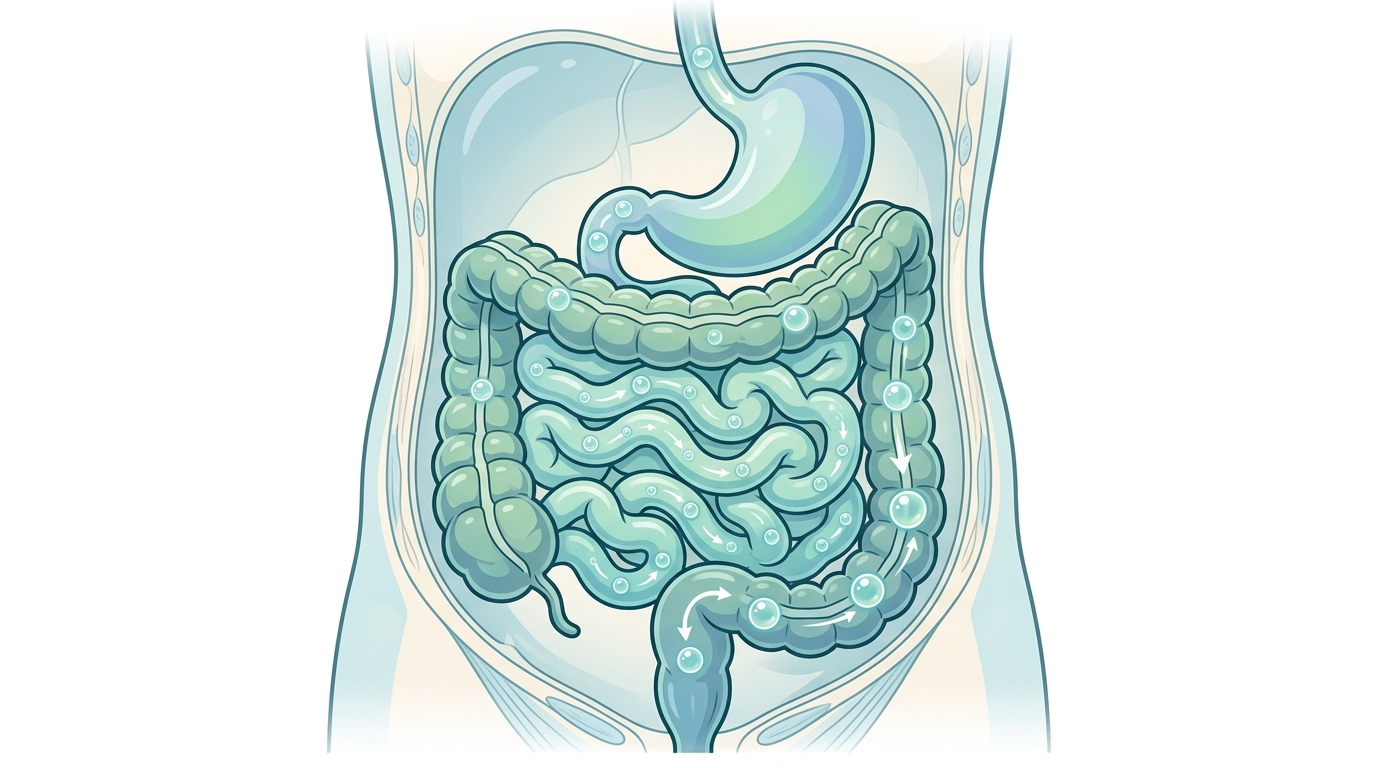
Yes—intermittent strong odor, stomach growling (borborygmi), and gas are classic signs of digestive fermentation in the gut. These symptoms typically arise when the intestinal microbiome processes undigested carbohydrates, producing hydrogen, methane, and sulfur-based gases. The pattern is usually benign, though persistence may indicate an underlying motility or enzyme issue.
How we evaluated digestive gas symptoms
This article prioritized peer-reviewed gastroenterology research over anecdotal sources, focusing on human clinical studies and established GI physiology literature. We excluded case reports and relied on systematic reviews where available. The gut-gas research base is strong for fermentation mechanisms but more limited for sulfur-specific odor patterns; findings in that area are noted as directional rather than settled.
What causes intermittent stomach growling and gas?
Borborygmi—the medical term for audible stomach growling—results from peristaltic contractions moving gas and liquid through the intestines. The sound is produced when the intestinal wall squeezes a mixture of air, partially digested food, and fluid, creating a hollow, gurgling resonance. A 2021 review in Frontiers in Physiology found that borborygmi intensity correlates with intestinal gas volume and transit speed. The gut microbiome generates gas continuously through bacterial fermentation of fiber, resistant starch, and short-chain carbohydrates. Bifidobacterium, Bacteroides, and Clostridium species are the primary fermenters. Gas production naturally peaks 60–90 minutes after meals, which is why growling and bloating tend to cluster in that window. Stress, eating speed, and altered motility all modify how audible and uncomfortable this process becomes.
What makes digestive gas smell particularly strong?
Odor intensity is determined primarily by sulfur-containing compounds: hydrogen sulfide (H₂S), methanethiol, and dimethyl sulfide. These compounds are produced when gut bacteria ferment sulfur-rich foods—eggs, cruciferous vegetables (broccoli, cabbage, Brussels sprouts), red meat, and alliums (garlic, onions). A 2010 study in Gut found that Desulfovibrio bacteria, which specialize in sulfate reduction, are the main producers of H₂S in the human colon. Higher levels of sulfur-reducing bacteria correlate with more malodorous gas. Dietary choices explain most intermittent odor patterns. Increased animal protein, high-sulfur vegetables, or fermentable carbohydrates (FODMAPs) reliably intensify odor. Some people also have elevated Desulfovibrio populations due to antibiotic exposure or microbiome dysbiosis, making odor more persistent regardless of diet.
Does strong gas odor mean something is wrong?
Intermittent strong odor is usually a dietary effect, not a disease signal. That said, several clinical conditions do alter gas odor and frequency beyond what food explains. Small intestinal bacterial overgrowth (SIBO) occurs when bacteria colonize the small intestine in excess, causing fermentation of food before it reaches the colon. The result is bloating, odor, and gurgling that begin sooner after eating—sometimes within 30 minutes—rather than the normal 60–90 minute window. Research from the American Journal of Gastroenterology shows SIBO affects an estimated 2–20% of the general population depending on diagnostic criteria. Exocrine pancreatic insufficiency (EPI), lactose intolerance, and celiac disease also alter fermentation patterns. If symptoms are consistent rather than intermittent and accompanied by weight loss, pain, or changes in stool consistency, evaluation by a gastroenterologist is warranted.
What does intermittent versus persistent tell you?
The word “intermittent” is diagnostically meaningful. Symptoms that cluster around specific meals, come and go with dietary changes, or disappear during fasting strongly suggest a fermentation response to particular foods rather than an underlying disease. Persistent symptoms—present daily regardless of what you eat—point toward a functional GI disorder like irritable bowel syndrome (IBS), SIBO, or motility dysfunction. A 2020 meta-analysis in Alimentary Pharmacology & Therapeutics found that dietary modification (particularly low-FODMAP protocols) reduces gas and bloating symptoms in 50–76% of IBS patients, supporting a fermentation-based explanation for most intermittent presentations. Tracking symptoms in a food diary for 1–2 weeks is one of the most reliable ways to identify whether a dietary pattern is the cause.
Which foods most commonly trigger these symptoms?
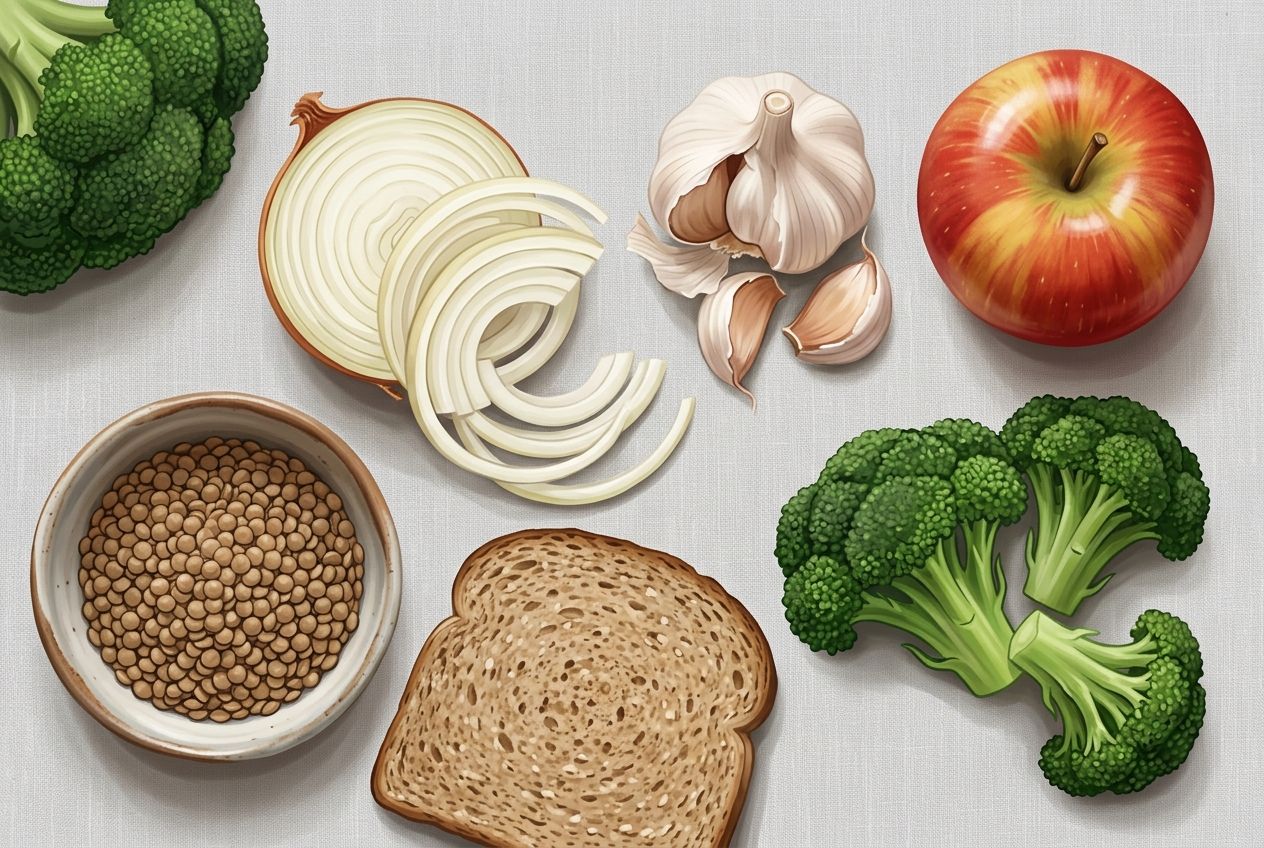
The highest-evidence trigger foods fall into the FODMAP category: Fermentable Oligosaccharides, Disaccharides, Monosaccharides, and Polyols. These are short-chain carbohydrates that absorb poorly in the small intestine and are rapidly fermented by colonic bacteria. High-FODMAP foods include: wheat, rye, onion, garlic, legumes (beans, lentils, chickpeas), lactose-containing dairy, apples, pears, stone fruits, and artificial sweeteners (sorbitol, mannitol, xylitol). Beyond FODMAPs, sulfur-rich vegetables (broccoli, cabbage, cauliflower) and high-protein foods (red meat, eggs, whey protein) specifically increase sulfur gas and odor. Carbonated beverages introduce gas mechanically and magnify symptoms. A useful self-test: eliminate the highest-suspect food category for 5–7 days and observe whether symptoms reduce. This is not a definitive diagnostic but gives actionable data.
When should you see a doctor about gas and growling?
Most intermittent gas and borborygmi are self-limiting and do not require medical evaluation. Seek evaluation if any of the following apply: symptoms are present daily for more than 4 weeks without an obvious dietary cause; growling and gas are accompanied by abdominal pain, cramping, or bloating that interferes with daily function; you notice unexplained weight loss, blood in stool, or a change in bowel habit (alternating constipation and diarrhea); you recently completed a course of antibiotics and symptoms began shortly after. These patterns suggest conditions beyond dietary fermentation—SIBO, IBD, celiac disease, or IBS—which are diagnosed through breath tests, stool analysis, blood panels, or endoscopy. A gastroenterologist can order the appropriate workup. For isolated odor and occasional growling without other symptoms, dietary tracking is a reasonable first step before clinical evaluation.
FAQ
Is stomach growling a sign of hunger or a digestive problem?
Stomach growling happens both when the stomach is empty and when gas is moving through the intestines. The MMC (migrating motor complex) generates contractions during fasting to clear debris, producing the classic “hunger growl.” Post-meal growling is usually gas-related rather than hunger. The two are distinguishable by timing: fasting growls occur on an empty stomach; digestive growls peak 60–90 minutes after eating.
Can stress make gas and bloating worse?
Yes. The enteric nervous system (the “gut brain”) responds to psychological stress through the gut-brain axis, altering gut motility and intestinal permeability. A 2021 review in Neurogastroenterology & Motility found that stress accelerates or slows motility depending on stress type, both of which can worsen bloating and gas. Chronic stress is a documented risk factor for IBS.
Does drinking water help reduce gas and odor?
Hydration supports motility—well-hydrated intestines move contents more efficiently, reducing fermentation time and odor exposure. Drinking water with meals does not dilute stomach acid in harmful ways (a common misconception), but carbonated water introduces additional gas. For most people, adequate hydration (approximately 2 liters/day) is helpful but not curative for gas symptoms.
Are probiotics helpful for gas and odor?
Research is mixed. Some probiotic strains—particularly Lactobacillus acidophilus NCFM and Bifidobacterium lactis Bi-07—have been studied for their effect on bloating and gas in double-blind trials with modest positive results. A 2011 study in Alimentary Pharmacology & Therapeutics found significant reduction in flatulence with multispecies probiotic supplementation. Results vary by strain and individual microbiome composition; no single probiotic works for everyone.
Can digestive enzyme supplements reduce gas and odor?
Digestive enzyme supplements—particularly alpha-galactosidase (the active ingredient in products like Beano)—break down raffinose and stachyose in legumes and cruciferous vegetables before they reach colonic bacteria, reducing fermentation gas. Studies in Advances in Therapy show alpha-galactosidase reduces gas and bloating from legume consumption. Lactase supplements help lactose-intolerant individuals avoid dairy-triggered fermentation. Broader enzyme formulas (lipase, protease, amylase) have less evidence for gas reduction specifically.
Is strong odor from gas a sign of colon cancer?
Strong gas odor alone is not a recognized symptom of colorectal cancer. Cancer-associated stool changes—bright red or tarry blood, narrow stools, unexplained weight loss, persistent change in bowel habits—are the red-flag patterns to watch for. Altered odor in isolation, particularly when clearly tied to dietary intake, is almost always fermentation-related. If you have concerns, a colonoscopy or stool test (FIT) can rule out colorectal disease and is recommended at age 45 by the American Cancer Society.
How long does a gas episode typically last?
Fermentation-related gas typically resolves within 2–6 hours as contents move through the colon. If gas was triggered by a high-FODMAP meal, the peak symptom window is usually 90 minutes to 4 hours post-meal. Gas related to SIBO or motility disorders may last longer and be more diffuse. Movement and physical activity accelerate intestinal transit and can shorten gas episodes; lying down tends to prolong them.
Leave a Reply