
At a first gastroenterologist appointment, expect a detailed symptom and medical-history review, a medication and supplement check, and a focused abdominal exam. The clinician may recommend records, laboratory work, stool testing, imaging, endoscopy, or reflux monitoring, but many visits end with a staged plan rather than an immediate procedure.
How did we evaluate what happens at a GI appointment?
We evaluated first-visit expectations using patient guidance from the National Institute of Diabetes and Digestive and Kidney Diseases, MedlinePlus, and the National Institute on Aging. We prioritized the steps shared across digestive evaluations: symptom chronology, medication review, medical and family history, physical examination, decision-making about tests, and a documented follow-up plan. We excluded clinic-specific promises because referral rules, visit length, insurance requirements, and same-day testing vary by practice and health system. We also separated a consultation from a procedure appointment; an office visit does not automatically include sedation, endoscopy, or colonoscopy. The guidance describes a typical adult outpatient visit, not a diagnosis or a substitute for urgent care. Individual plans depend on the main concern, prior results, age, family history, examination findings, pregnancy status, and warning signs. Calling the office beforehand remains the most reliable way to confirm local instructions.
What usually happens during the first appointment?
The gastroenterologist usually begins by asking what brought you in, when the problem started, how often it occurs, and what makes it better or worse. The discussion may cover pain location, heartburn, regurgitation, nausea, swallowing, appetite, bowel frequency, stool appearance, bleeding, weight change, travel, food patterns, alcohol, tobacco, surgeries, and family history. The clinician may then examine the abdomen by looking for distention, listening with a stethoscope, and checking for tenderness or masses. The NIDDK description of gas evaluation shows how medical history and physical examination often come before testing. A digital rectal examination is possible for some lower-GI concerns but is not universal. Specific questions guide the focused examination. The visit should end with a working assessment, next steps, medication instructions, testing rationale, follow-up timing, and guidance about symptoms that require faster care.
What information should you bring to the gastroenterologist?
Bring a current list of prescription drugs, over-the-counter medicines, vitamins, herbal products, and supplements, including doses and timing. Add medication allergies, prior abdominal operations, major medical conditions, family history, recent travel, pregnancy status when relevant, and the names of clinicians already involved. Bring available laboratory results, imaging reports, endoscopy or colonoscopy reports, pathology results, and referral notes if the specialist cannot access them electronically. A short symptom timeline is more useful than a folder of unsorted screenshots: record onset, frequency, duration, meals, bowel changes, nighttime symptoms, and what you tried. MedlinePlus appointment guidance recommends writing questions and listing all medicines and supplements. Insurance cards, a photo ID, pharmacy details, and a notebook also help. Call ahead if you need an interpreter, mobility support, or permission for a family member to join the visit too.
What tests might the GI doctor discuss?
Testing depends on the symptom pattern and the information already available. A clinician may order blood tests for anemia, inflammation, liver markers, or celiac screening; stool tests for blood, inflammation, infection, or malabsorption; and imaging such as ultrasound, CT, or MRI for selected questions. Upper-GI symptoms may lead to discussion of endoscopy, Helicobacter pylori testing, or esophageal pH monitoring. The NIDDK GERD diagnostic guide explains that history can be enough initially, while endoscopy or pH monitoring may be used when complications, alternative causes, or persistent symptoms are concerns. Lower-GI symptoms may lead to colonoscopy or other testing based on age, bleeding, family history, and prior screening. A recommendation is not the same as a same-day procedure. Ask what the test could change, what preparation it requires, and when results will arrive for your specific situation.
What questions should you ask before leaving?
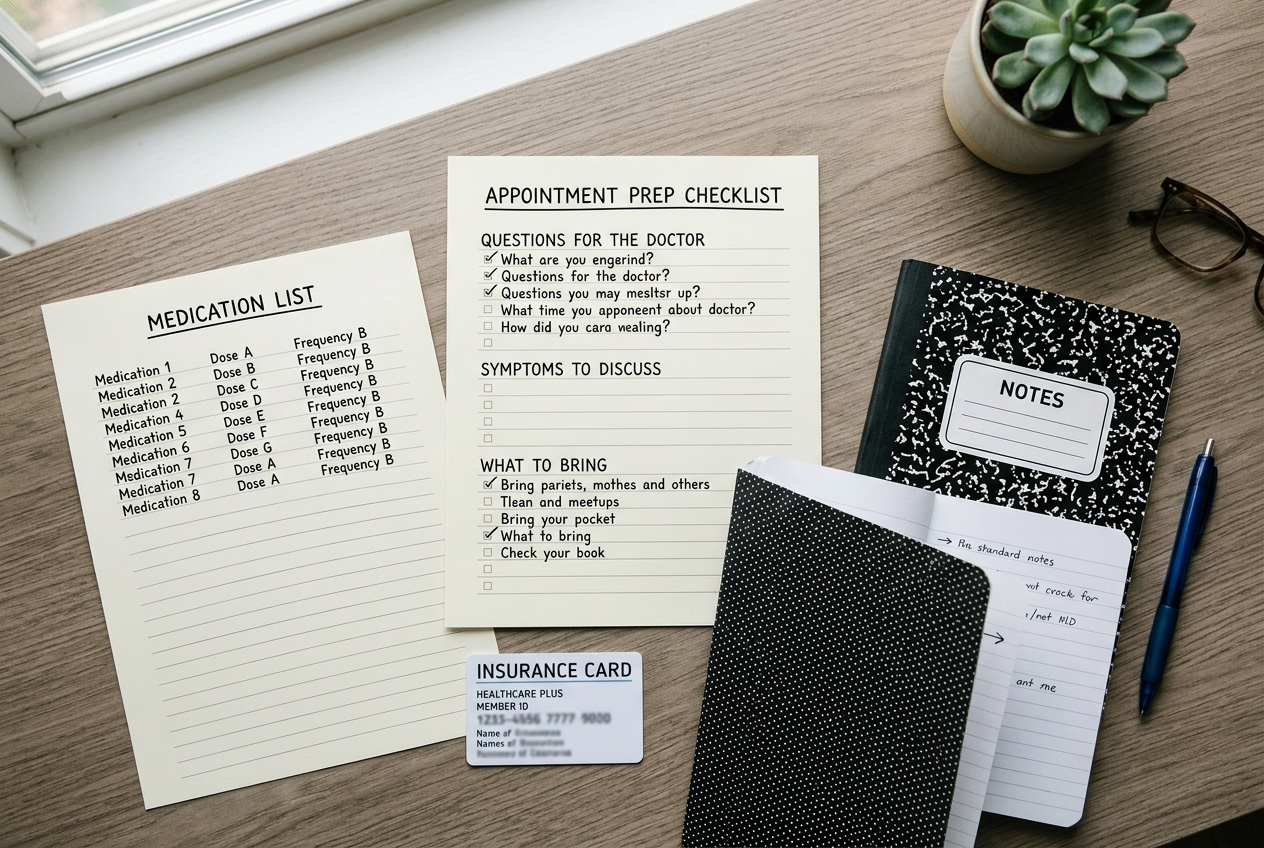
Ask the clinician to summarize the leading possibilities without demanding certainty from one visit. Useful questions include: What is the working assessment? Which findings support it? What other causes remain possible? What should I do first, and how long should I try it? If a test is recommended, ask what question it answers, what its risks and alternatives are, whether medications must be paused, and how the result will change the plan. The National Institute on Aging recommends prioritizing concerns and bringing medication information, records, and a support person when helpful. Confirm who will communicate results, the expected timeline, and when follow-up should occur. Ask for written instructions if the plan is complex. Before leaving, repeat the plan in your own words: what to start, stop, schedule, monitor, and report. That “teach-back” step catches misunderstandings while the clinical team can still correct them.
When should you seek care before a routine appointment?
A scheduled specialist visit should not delay emergency evaluation for sudden severe abdominal pain, a rigid tender abdomen, fainting, trouble breathing, chest pain, vomiting blood, coffee-ground vomit, large amounts of blood in stool, or black tarry stool. The NIDDK guidance on gastrointestinal bleeding advises immediate medical help for acute or severe bleeding and emergency help for signs of shock. Call a clinician promptly for persistent vomiting, difficulty or pain with swallowing, inability to keep fluids down, worsening dehydration, unexplained weight loss, progressive symptoms, or new fever with significant digestive symptoms. Urgency also changes with pregnancy, immune compromise, older age, recent surgery, anticoagulant use, or serious chronic illness. Local emergency services or an emergency department handle immediate threats; the gastroenterologist’s office can advise whether a stable but worsening problem needs an earlier slot. A calendar date is not a safety plan.
What are common questions about a first GI visit?
Will the gastroenterologist perform an endoscopy that day?
Usually not during a standard consultation. Endoscopy generally requires separate consent, preparation, staffing, and sometimes sedation, although clinic arrangements vary.
Should you stop acid-reflux medicine before the appointment?
Do not stop a prescription or over-the-counter medicine unless the ordering clinician or GI office tells you to. Some tests require medication changes, but the correct timing depends on the specific test and medical context.
Do you need to fast for the first visit?
A routine office consultation usually does not require fasting. Call the office because same-day laboratory work, imaging, or a scheduled procedure may have separate instructions.
Can you bring a symptom diary?
Yes. A concise diary showing timing, meals, sleep, bowel patterns, medication use, and symptom severity can reveal patterns, but it should supplement rather than replace a clear verbal history.
Is a physical examination always required?
Most in-person digestive evaluations include some focused examination, but the exact components depend on the concern and consent. A rectal examination is possible for selected symptoms and is not automatic for every patient.
What if the first visit does not produce a diagnosis?
That outcome is common because several digestive conditions share symptoms and some tests require scheduling. A useful first visit can still narrow the possibilities, establish safety boundaries, and create a staged testing or treatment plan.
What is the best way to prepare the night before?
Create a one-page note with your top three concerns, a symptom timeline, medication and supplement list, allergies, prior procedures, family history, and the results you already have. Put records, insurance information, identification, and a notebook in one place. Check the office address, arrival time, parking, interpreter arrangements, referral authorization, and whether fasting is required. Do not change medication solely because you assume testing will happen. Write down five closing questions: What is the working assessment? What is the first step? Which test is necessary and why? When will results arrive? Which symptoms require urgent care? The preparation should make the clinical story easier to understand, not force you to diagnose yourself. A clear timeline, honest answers, and a short prioritized question list give the gastroenterologist better raw material than a perfect theory about the cause.
Leave a Reply