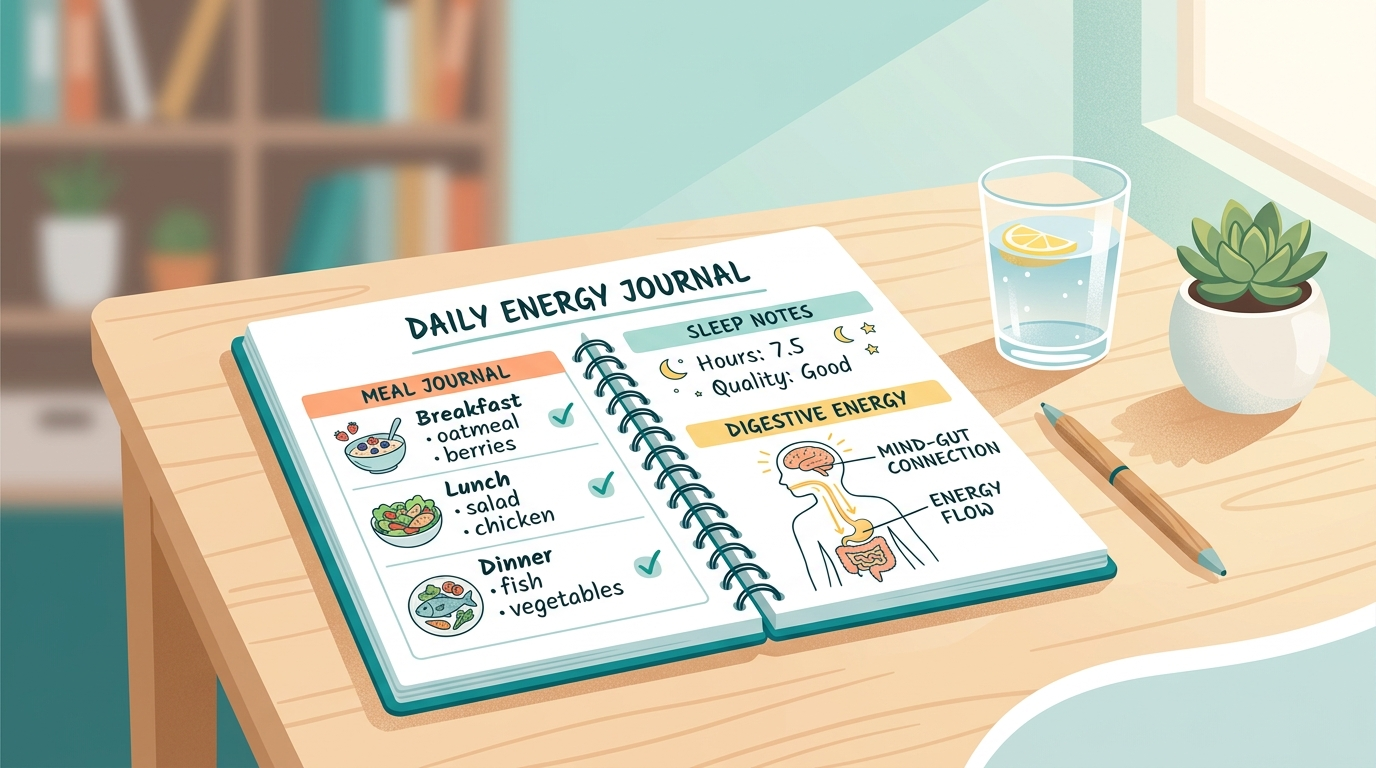
Low energy can feel digestive when bloating, constipation, reflux, diarrhea, low food intake, poor sleep, or post-meal discomfort disrupts normal routines. The gut does not “control” all energy, but digestion can influence appetite, nutrient intake, hydration, sleep quality, inflammation signals, and daily comfort in measurable ways.
How did we evaluate digestive causes of low energy?
We evaluated digestive-related low energy by separating ordinary post-meal fatigue, nutrient intake, hydration, sleep disruption, gut-brain signaling, and medical red flags. We prioritized NIH nutrient references, peer-reviewed gut-brain and fatigue literature, gastroenterology safety guidance, and practical symptom-pattern logic over viral microbiome claims. We excluded product recommendations, detox protocols, and disease-treatment claims because this cold-stage article explains mechanisms rather than comparing supplements. Evidence is strongest when low energy connects to clearly measurable factors such as low iron status, low vitamin B12 status, dehydration, poor sleep, or insufficient calories. Evidence is more directional when people blame vague microbiome imbalance without testing or clinical context. The goal is not to self-diagnose from one symptom. The goal is to notice whether digestive discomfort repeatedly changes food intake, stool pattern, sleep, hydration, movement, and energy across several days first.
How can digestion make energy feel lower?
Digestion can lower perceived energy when the gut pattern interferes with fuel, fluids, sleep, or comfort. Constipation can create fullness that reduces appetite. Diarrhea can reduce hydration and mineral balance. Reflux can disturb sleep and make meals feel risky. Bloating can make normal movement or work feel harder because abdominal pressure competes for attention. The gut-brain axis is biologically real, but it is not a magic switch. A 2023 review in Nutrients describes links among gut microbiota, inflammation, metabolism, and fatigue-related symptoms, while also showing that mechanisms vary by condition and person. A practical interpretation is simple: digestive symptoms can drain energy indirectly. The body may spend the day managing discomfort, disrupted meals, poor sleep, or bathroom urgency instead of feeling steady, focused, mobile, and fully fed during normal daily tasks and routines consistently.
Which patterns suggest low energy is digestive-related?
Digestive-related low energy usually follows a pattern, not one isolated tired day. The clearest clues are energy drops after certain meals, skipped meals because of bloating, poor sleep after reflux, fatigue during diarrhea episodes, heavy sluggishness during constipation, or low stamina during periods of reduced intake. A food and symptom log can reveal timing better than memory. Track meal time, meal size, fiber changes, caffeine, alcohol, sleep, stool pattern, bloating, reflux, and energy for seven to fourteen days. If energy worsens when digestion worsens and improves when eating, hydration, stool frequency, or sleep normalizes, digestion may be part of the picture. That does not prove one cause. It creates a sharper question for a clinician or dietitian. Pattern tracking works because it turns a vague “I feel drained” complaint into testable observations with dates.
What nutrient issues can overlap with digestion and fatigue?
Nutrient intake can connect digestion and low energy when discomfort changes what someone eats or absorbs. The NIH Office of Dietary Supplements notes that low iron status can contribute to tiredness and reduced work capacity, especially when intake or losses create a gap. The NIH vitamin B12 fact sheet links deficiency with fatigue, weakness, and neurological symptoms, with higher risk in strict vegan diets, older adults, and some absorption problems. Low calorie intake, low protein intake, low fluid intake, and restricted diets can also create a tired, flat feeling. Digestive discomfort can push people into narrow “safe food” patterns that miss key nutrients. The sensible next step is not guessing a deficiency from fatigue alone. It is checking diet pattern, symptom timing, and appropriate labs with a qualified clinician when fatigue persists beyond routine variation.
What should you try before assuming the microbiome is the problem?
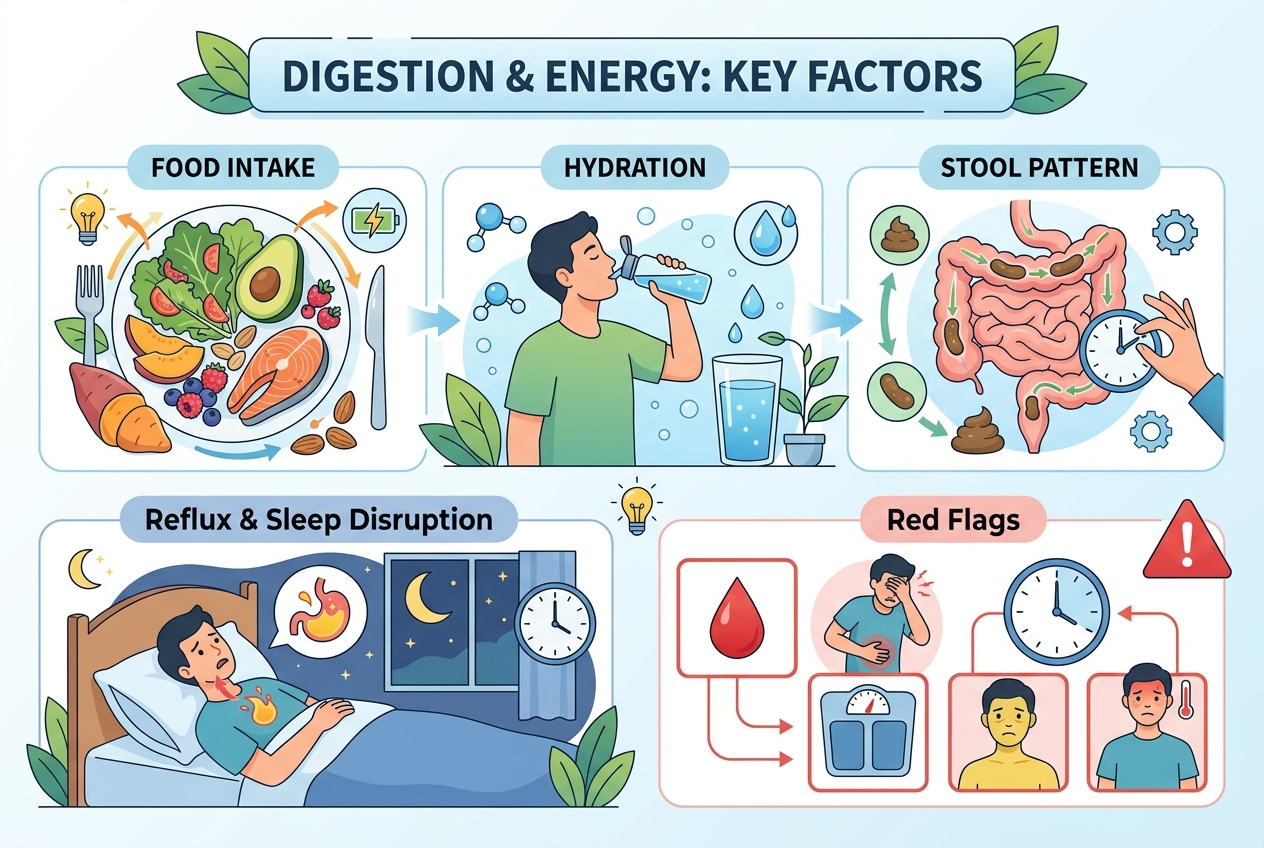
Start with the basics because they explain more low-energy days than exotic microbiome theories. Eat enough total food, include protein at meals, increase fiber gradually, drink fluids consistently, avoid sudden huge changes in fermented foods or fiber powders, and keep a regular sleep schedule. If constipation is the main pattern, regular meals, fluids, movement, and gradual fiber changes often matter. If reflux is the main pattern, late meals, large meals, alcohol, mint, and lying down soon after eating may be relevant. If diarrhea is the main pattern, hydration, trigger timing, infection history, and medication review matter. The NIDDK describes diet, stress, and symptom-directed care as common parts of IBS management. Ordinary inputs are not glamorous, but they are easier to test than a vague microbiome reset or internet protocol promoted online this week safely.
When should low energy and digestive symptoms be checked?
Low energy with digestive symptoms deserves medical evaluation when it is persistent, worsening, unexplained, or paired with warning signs. Red flags include blood in stool, black stool, unexplained weight loss, persistent vomiting, fever, severe abdominal pain, anemia, trouble swallowing, dehydration, new symptoms after age 50, or a major change in bowel habits. Fatigue that affects work, driving, mood, menstruation, exercise tolerance, or daily functioning also deserves a real workup. A clinician can check iron status, vitamin B12, thyroid markers, inflammation markers, celiac screening, medication effects, infection history, and other context that an internet checklist cannot see. This step is not alarmist. It prevents people from blaming “gut health” for problems that need testing. The right evaluation can also reassure someone when symptoms are functional, diet-related, stress-amplified, or routine-driven instead of dangerous illness today alone.
What questions do people ask about digestion and low energy?
Can bloating make me tired?
Yes, bloating can make energy feel lower by disrupting appetite, posture, sleep, and concentration. It is usually an indirect effect, not proof that gas itself causes fatigue.
Can constipation make me feel sluggish?
It can. Constipation can create fullness, abdominal pressure, reduced appetite, and poor sleep, all of which can make a day feel heavier.
Can diarrhea lower energy?
Yes. Diarrhea can reduce fluids, electrolytes, food intake, and confidence leaving the house. Persistent diarrhea needs medical review.
Is the gut-brain axis real?
Yes, gut-brain signaling is real. The problem is overclaiming it; the gut-brain axis does not explain every tired day.
Should I take a microbiome test for low energy?
Usually not as a first step. Food, sleep, hydration, stool pattern, red flags, and basic labs are more actionable starting points.
What is the simplest tracking plan?
Track meals, fluids, stool pattern, bloating, reflux, sleep, and energy for one to two weeks. Bring that log to a clinician if the pattern persists.
For a detailed comparison of specific products and strains, see Best Fiber Supplement for Bloating and Digestion: What to Look For.
For a detailed comparison of specific products and strains, see Are Probiotics Worth It for Constipation? Fiber, PEG, and Probiotics Compared.
For a detailed comparison of specific products and strains, see Do Digestive Enzymes Actually Give Consistent Results for Bloating?.
For a detailed comparison of specific products and strains, see Top Herbal Supplements for Energy and Focus: What Is Actually Worth Buying?.
For a detailed comparison of specific products and strains, see Digestive Enzymes for Bloating: Lactase, Alpha-Galactosidase, Papaya Enzymes, and Yuve Compared.
What is the bottom line on digestive low energy?
Digestive symptoms can contribute to low energy when they disrupt eating, hydration, sleep, stool patterns, movement, or nutrient status. The strongest first step is pattern tracking, not a dramatic cleanse or a microbiome guess. Look for timing: after meals, during constipation, after diarrhea, during reflux nights, or during restricted eating. If fatigue is persistent, severe, worsening, or paired with warning signs, medical evaluation beats self-experimenting. If the pattern looks mild and routine-related, steady meals, fluids, gradual fiber, sleep consistency, and trigger notes are reasonable first moves. The gut can influence how energetic a day feels, but it is one system in a larger body, not the only explanation. That balanced view keeps the topic useful: digestive patterns deserve attention, but fatigue still belongs in the full context of diet, sleep, stress, medications, labs, and daily life.
Leave a Reply