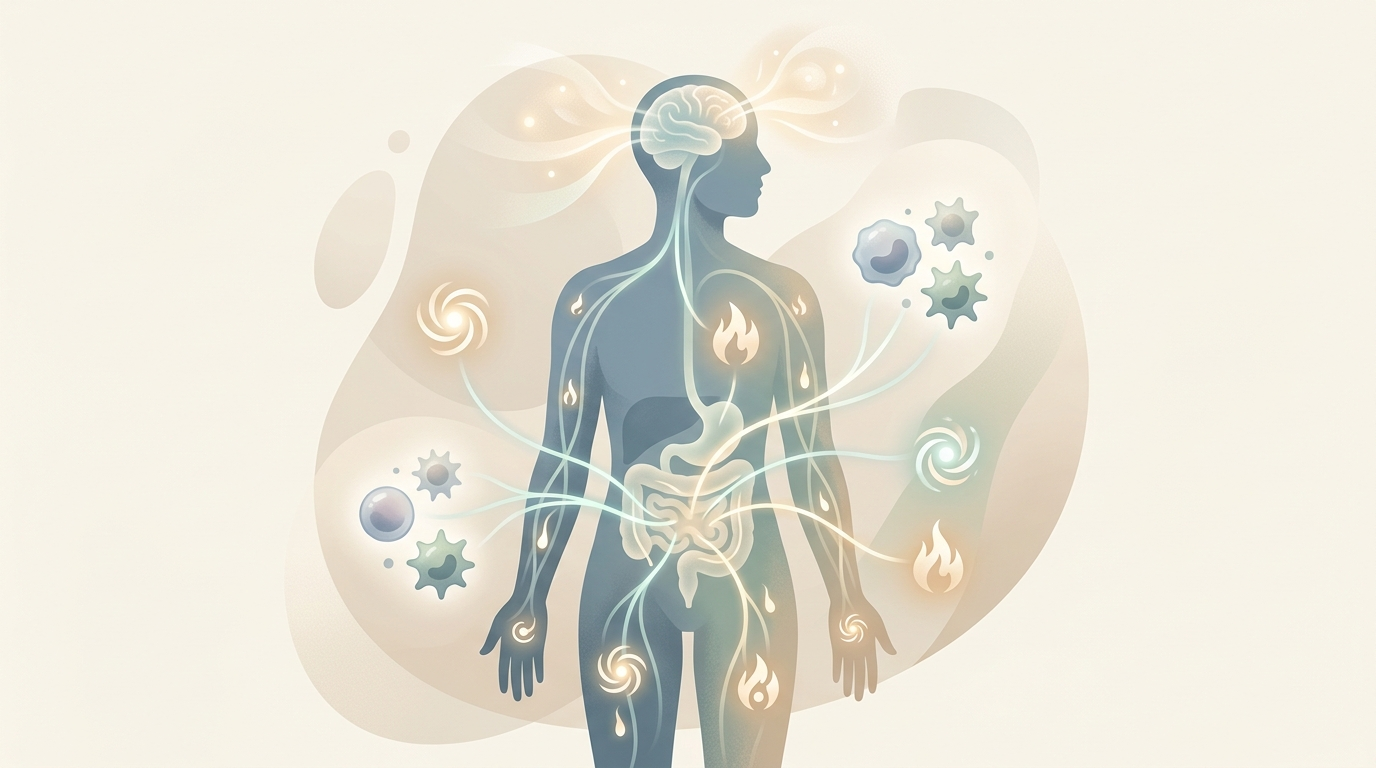
Your gut does not literally control everything, but it influences more than digestion. The gastrointestinal tract communicates with the brain, immune system, metabolism, hormones, and daily energy through nerves, microbes, immune signals, and fermentation byproducts. Strong claims need caution: gut signals shape body patterns, but they do not replace medical evaluation.
How did we evaluate what the gut can influence?
We evaluated gut influence by separating established physiology from overstated wellness claims. Human studies, NIH digestive-health resources, PubMed-indexed reviews, and gastroenterology guidance carried more weight than social posts about the microbiome controlling personality, weight, mood, or cravings. We prioritized mechanisms with named pathways: the vagus nerve, enteric nervous system, short-chain fatty acids, immune cytokines, intestinal barrier function, bile acids, and gut hormones such as GLP-1 and peptide YY. We excluded claims that framed the gut as a single master switch, because digestion, sleep, stress, medication use, genetics, and diet all interact. We also treated symptom stories as useful real-world hypothesis generators, not clinical proof. The practical question is not whether the gut controls the body. The practical question is which signals can be observed, supported, and discussed with a clinician when patterns change.
How does the gut communicate with the brain?
The gut communicates with the brain through the gut-brain axis, a two-way network involving the vagus nerve, spinal nerves, immune molecules, microbial metabolites, and stress hormones. The enteric nervous system contains millions of neurons that regulate motility, secretion, and sensation inside the gastrointestinal tract. A PubMed-indexed review on the microbiota-gut-brain axis describes this network as bidirectional, meaning brain stress can change gut function and gut signals can change brain signaling. That does not mean bloating, reflux, diarrhea, or constipation are “all in your head.” It means the nervous system and digestive tract share information constantly. Stress can slow or speed motility, pain sensitivity can rise, and gut discomfort can increase vigilance. The most useful takeaway is modest: gut sensations can reflect nerve signaling, meal timing, microbial fermentation, inflammation, or stress physiology at the same time.
How can gut microbes affect daily body signals?
Gut microbes affect body signals by fermenting carbohydrates, transforming bile acids, interacting with immune cells, and producing metabolites such as acetate, propionate, and butyrate. These short-chain fatty acids help colon cells use energy and interact with immune and metabolic pathways. A review in Gut Microbes describes short-chain fatty acids as signaling molecules, not just fermentation waste. The effect depends on diet, fiber type, transit time, microbial composition, and baseline health. More gas after beans, oats, onions, or inulin does not automatically mean the food is “bad”; it may mean colonic bacteria are fermenting carbohydrates faster than the gut can comfortably handle. The same mechanism can feel supportive at one dose and uncomfortable at another. Gut microbes therefore influence daily signals, but the response is dose-specific, person-specific, meal-specific, and timing-specific, and tolerance-specific rather than magical.
What does the gut have to do with immunity?
The gut has a major immune role because the intestinal lining separates food, microbes, bile, stomach acid residues, and digestive enzymes from the bloodstream. Gut-associated lymphoid tissue helps immune cells sample intestinal contents and respond to pathogens while tolerating normal food and resident microbes. The NIDDK explains that the digestive tract contains immune cells that help protect the body from harmful organisms. The intestinal barrier also uses mucus, tight junction proteins, secretory IgA, antimicrobial peptides, and microbial competition to manage exposure. This does not mean every immune symptom begins in the gut, and it does not mean a supplement can “fix immunity.” It means digestion and immune signaling are structurally connected. Diet quality, fiber tolerance, sleep, medication use, infection history, and stress can all influence how that system feels day to day and week to week.
Can the gut influence appetite, energy, and cravings?
The gut can influence appetite, energy, and cravings through stretch receptors, blood glucose patterns, bile acid signaling, gut hormones, and microbial fermentation products. After a meal, the stomach and small intestine send fullness information through neural and hormonal routes. GLP-1, cholecystokinin, peptide YY, ghrelin, insulin, and bile acids all participate in hunger and satiety signaling. A review in Nutrients describes gut hormones as central regulators of appetite and metabolism, although individual responses vary widely. This is why meal composition matters: protein, fiber, fat, fluid, and eating speed can change fullness more predictably than a single “gut hack.” Cravings can also reflect sleep debt, restriction, stress, habit loops, or low energy intake. The gut participates in appetite regulation, but it does not independently dictate daily food choices like a hidden remote control in the background.
What do people get wrong about gut control?
People often turn gut science into an all-or-nothing story. One mistake is treating the microbiome as a personality controller, when most human microbiome evidence is associative, preliminary, or context-specific. Another mistake is assuming every symptom proves dysbiosis. The NIDDK notes that gas can come from swallowed air and carbohydrate digestion, which means ordinary physiology can look dramatic. A third mistake is making ten changes at once: probiotics, fasting, elimination diets, fiber powders, fermented foods, enzymes, and caffeine changes can blur the signal. A fourth mistake is ignoring red flags because “it is probably gut health.” New bleeding, unexplained weight loss, persistent vomiting, trouble swallowing, fever, severe pain, or major bowel-habit changes deserves medical care. Gut health is a useful lens, not a license to oversimplify the body, blame every symptom, or postpone needed care.
How can you support gut signals without overreacting?
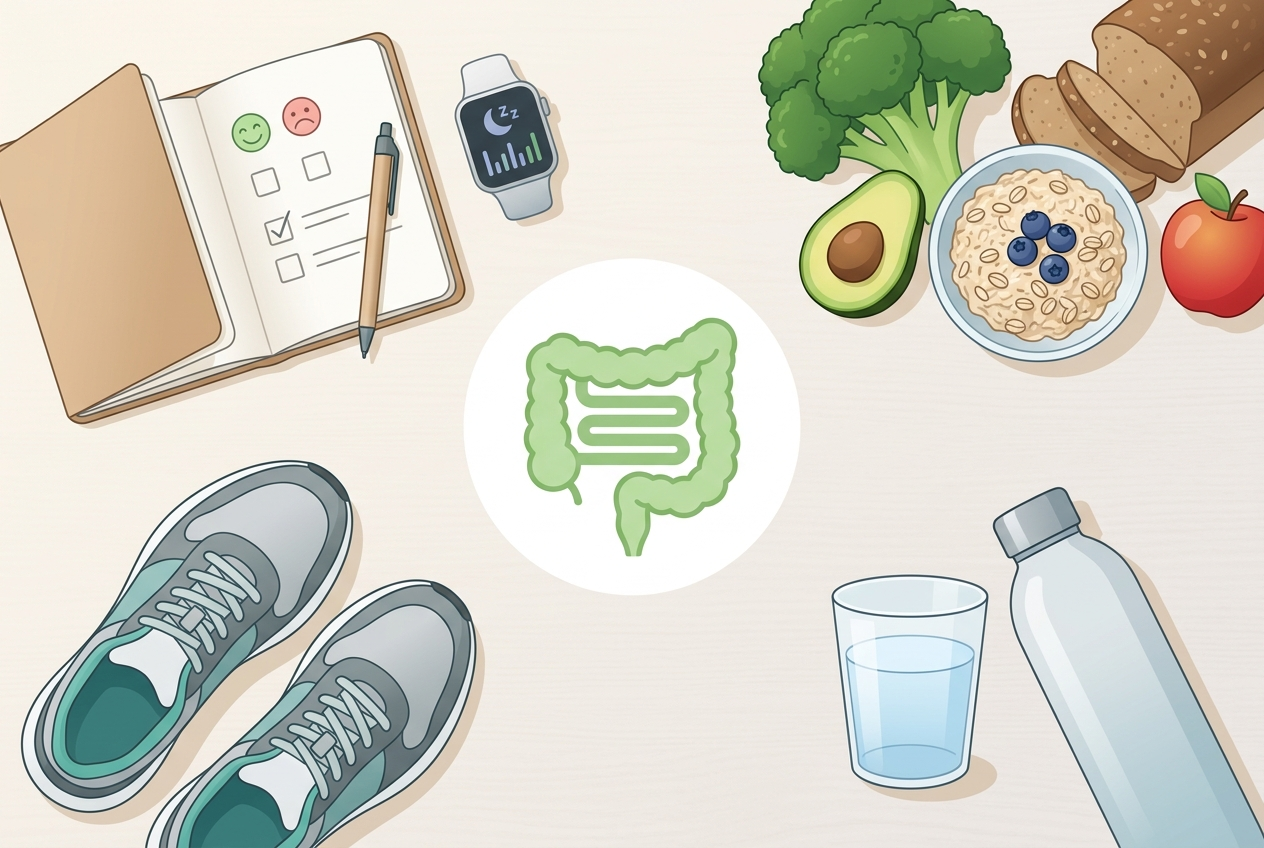
Support gut signals by changing one boring variable at a time. A practical sequence starts with meal timing, hydration, sleep, fiber consistency, movement, caffeine, alcohol, and stress load before extreme elimination diets. If fiber intake is low, increase beans, oats, berries, vegetables, lentils, chia, or psyllium gradually while watching gas and stool changes. If bloating rises after a change, reduce the dose rather than declaring the whole category harmful. If reflux, diarrhea, constipation, or pain persists, track meals, timing, stool form, medications, menstrual cycle, travel, and stress for two weeks before guessing. That record gives a clinician or dietitian better evidence than memory. The gut often responds to small repeated inputs, but the body also needs escalation when patterns are severe, sudden, or progressive. Calm observation beats panic and internet overcorrection almost every time.
What questions come up about gut influence?
Does the gut control your mood?
The gut can influence mood-related signaling through nerves, immune activity, microbial metabolites, and inflammation pathways. It does not single-handedly control mood, and mental health symptoms deserve appropriate care.
Can gut health affect energy?
Gut patterns can affect perceived energy through meal tolerance, blood glucose swings, sleep disruption, nutrient absorption, and inflammation. Fatigue also has many non-gut causes, including anemia, thyroid issues, infection, medication effects, and sleep disorders.
Does bloating mean the microbiome is unhealthy?
Bloating does not automatically mean the microbiome is unhealthy. Gas, swallowed air, constipation, rapid fiber increases, high-FODMAP foods, stress, and gut sensitivity can all contribute.
Are cravings caused by gut bacteria?
Gut bacteria may participate in appetite signaling, but cravings also reflect sleep, restriction, stress, habits, food availability, and energy needs. Treat microbiome-only craving claims as speculative unless the source explains evidence quality.
Should you change your diet if your gut feels off?
A small, trackable diet change is usually more useful than a dramatic reset. Increase or reduce one variable at a time, such as fiber dose, caffeine timing, meal size, or fermented-food frequency.
When should gut symptoms get medical attention?
Medical attention matters when symptoms are severe, persistent, new, or paired with bleeding, black stools, fever, vomiting, unexplained weight loss, difficulty swallowing, or progressive pain. Gut-health content should not delay care.
What is the bottom line on gut control?
The gut influences more than digestion through nerve pathways, immune activity, microbial metabolites, gut hormones, bile acids, and barrier function. That influence is real, but the internet often exaggerates it into a master-control story. A better model is feedback: meals, microbes, stress, sleep, medications, and movement all send signals through the digestive system, and the body responds with comfort, gas, appetite, stool changes, or energy shifts. Use gut health as a pattern-recognition tool, not as a diagnosis. Start with steady habits, track changes carefully, and bring persistent or alarming symptoms to a qualified clinician. The gut is important enough to respect and complicated enough not to reduce to one cause, one food, one microbe, one supplement, or one viral explanation. Better gut decisions usually come from boring tracking, gradual changes, and proportionate clinical care.
Image prompts:
- Hero image: Educational editorial image of a calm human silhouette with subtle connecting lines from the abdomen to the brain, immune cells, and energy icons, neutral medical-wellness style, no products, no logos. Alt text: Illustration of gut signals connecting digestion with the brain, immune system, and energy.
- In-article image: Clean diagram-style flat lay showing fiber foods, water, sleep tracker, walking shoes, and a symptom journal arranged around a simple gut icon, natural light, no branded products. Alt text: Gut-support habits including fiber foods, water, movement, sleep, and symptom tracking.
Leave a Reply