Blog

  • Why Do Digestive Symptoms Change During Your Menstrual Cycle?

    Why Do Digestive Symptoms Change During Your Menstrual Cycle?

    Digestive symptoms can change across the menstrual cycle. Bloating, abdominal pain, loose stools, urgency, or constipation may intensify before or during a period, especially in people with irritable bowel syndrome. Hormone shifts, prostaglandins, pain sensitivity, medicines, food intake, and stress can overlap, so a cycle-and-symptom diary is more useful than one isolated bad day.

    How did we evaluate cycle-related digestive symptoms?

    We prioritized prospective symptom diaries, systematic reviews, PubMed-indexed human studies, and guidance from the National Institute of Diabetes and Digestive and Kidney Diseases. We separated observations in otherwise healthy adults from findings in people with irritable bowel syndrome because baseline symptom severity changes the meaning of a cycle effect. We also distinguished association from mechanism: a symptom can recur during menstruation even when research has not proved that one hormone caused it. Retrospective surveys can overrepresent memorable bad days, while small physiology studies may not reflect ordinary routines. We excluded supplement testimonials, hormone “balancing” claims, and single-food explanations that did not track cycle phase. The evidence supports a real pattern for some people, especially around menstruation, but it does not predict the same bowel change in every cycle. A diary across two or three cycles provides more useful personal evidence than population averages alone.

    Which digestive symptoms can change during the menstrual cycle?

    Bloating, abdominal pain, stool looseness, urgency, constipation, nausea, and bowel frequency can vary before or during menstruation. A survey of 156 healthy premenopausal adults found that 73% reported at least one primary gastrointestinal symptom either in the five days before menstruation or during it. The BMC Women’s Health study found that abdominal pain was the most frequently reported symptom, while diarrhea affected roughly one quarter of participants. That cross-sectional survey identifies common timing, not a universal hormone response. People with irritable bowel syndrome may experience a stronger version of the same pattern. NIDDK states that women with IBS often report more symptoms during their periods, including changes in bowel movements and pain. One person may notice looser stools at the start of bleeding, while another notices constipation or bloating earlier. The important signal is recurrence at a similar cycle phase, not whether the pattern matches someone else’s exact symptom list.

    Why can periods affect bowel habits and bloating?

    Menstrual-cycle biology can influence gut movement, fluid handling, and pain perception through several overlapping pathways. Estrogen and progesterone fluctuate across the follicular, ovulatory, luteal, and menstrual phases, while prostaglandins rise around menstruation and help the uterus contract. Prostaglandins can also affect intestinal smooth muscle, which offers a plausible explanation for looser stools or urgency during bleeding. Hormone levels alone do not explain every case. A systematic review and meta-analysis found that symptoms were often more frequent or severe during menses, but study methods, cycle verification, and symptom measurement varied. Diet changes, sleep disruption, stress, reduced activity, iron supplements, magnesium products, and nonsteroidal anti-inflammatory drugs can shift bowel patterns during the same week. A cycle association therefore does not prove a single cause. The most accurate interpretation is layered: biological phase can change susceptibility, while food, medicines, and daily context influence which symptom appears.

    How can you tell whether the pattern is really cycle-related?

    Track cycle day and digestive variables together for at least two or three complete cycles. Record the first day of bleeding as cycle day one, then note stool form using the Bristol Stool Form Scale, bowel frequency, urgency, pain, bloating, nausea, and any nighttime symptoms. Add only variables that can change interpretation: meals, alcohol, caffeine, sleep, stress, exercise, pain medicines, iron, magnesium, and hormonal contraception. Use the same 0-to-10 symptom scale each day instead of writing only when symptoms become severe. A recurring increase during the late luteal phase or first menstrual days supports a time-linked pattern, while random timing points elsewhere. The diary cannot diagnose irritable bowel syndrome, endometriosis, inflammatory bowel disease, or a food intolerance. It can show a clinician whether symptoms predictably precede bleeding, persist throughout the month, or changed after a medicine or contraceptive. That distinction makes the next conversation more specific and reduces guesswork.

    What can you change safely while tracking the pattern?
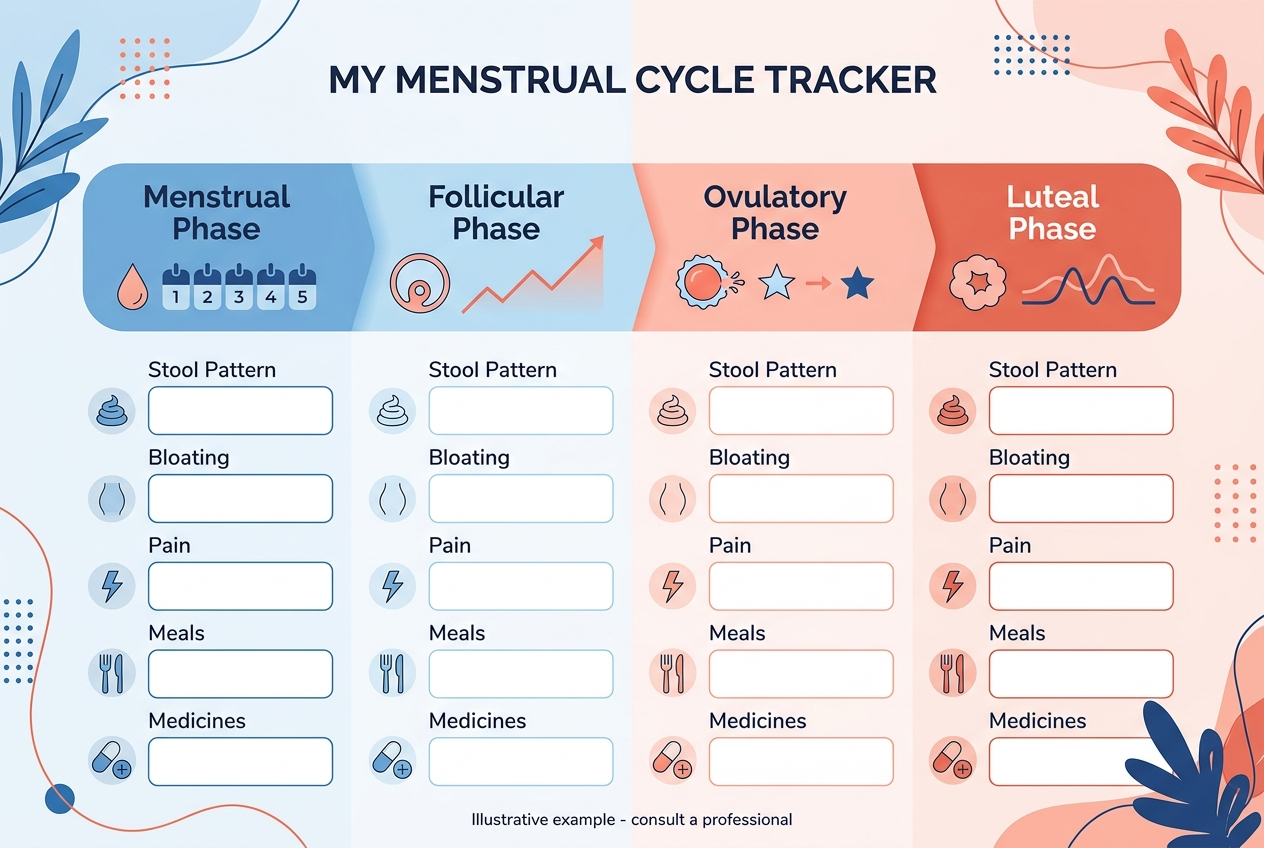
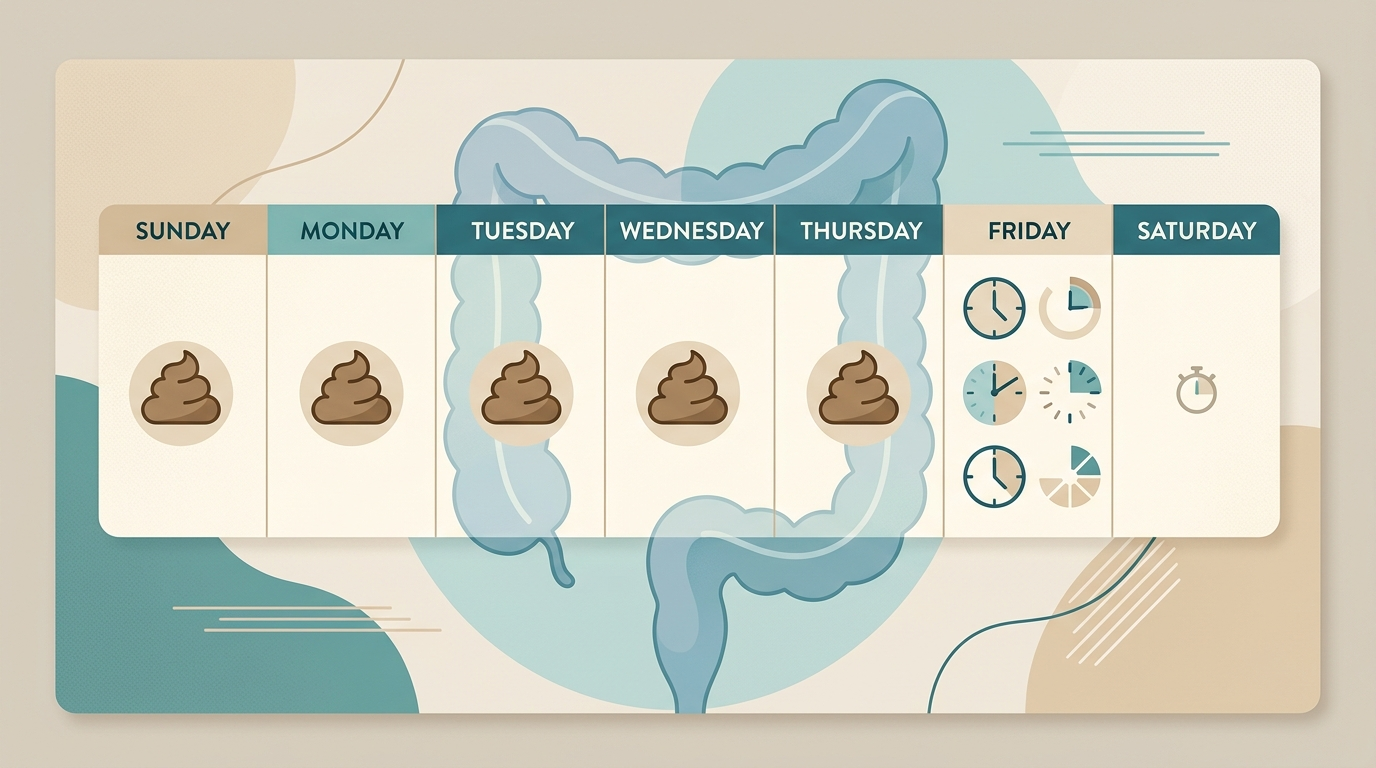
    Menstrual-cycle timeline with spaces to record bowel patterns, bloating, pain, meals, and medicines.
    Menstrual-cycle timeline with spaces to record bowel patterns, bloating, pain, meals, and medicines.

    Keep the experiment simple enough to identify cause and effect. Regular meals, adequate fluid, consistent sleep, and moderate movement provide a stable baseline without claiming to correct hormones. Change one dietary variable at a time rather than removing gluten, dairy, fermentable carbohydrates, and fiber simultaneously. Sudden fiber increases can worsen gas, while large magnesium doses can loosen stool, so record dose and timing for both. Follow medication labels and ask a clinician before changing prescribed treatment or hormonal contraception. Heat, relaxation practice, and gentle activity may improve comfort for some people, but they do not explain persistent bleeding, severe pain, or major bowel changes. Best for identifying timing: a daily two-minute diary. Best for avoiding false conclusions: repeat the observation across several cycles. Best for a targeted appointment: bring the diary, medication list, and cycle dates. A manageable routine creates information; a restrictive reset can introduce more variables than it removes.

    When does a changing cycle pattern need medical assessment?

    New, severe, or progressively worsening symptoms deserve assessment even when they occur near menstruation. Seek prompt care for black or bloody stool, persistent vomiting, fainting, fever, severe or localized abdominal pain, dehydration, waking repeatedly with diarrhea, or an inability to pass stool or gas. Schedule a clinician visit for unexplained weight loss, anemia, a major change in bowel habits, very heavy menstrual bleeding, pain during sex, difficulty becoming pregnant, or symptoms that regularly disrupt work, sleep, or eating. Cycle timing can overlap with irritable bowel syndrome, endometriosis, pelvic-floor disorders, thyroid problems, medication effects, and other conditions; a calendar cannot distinguish them by itself. The NIDDK IBS overview explains that diagnosis depends on a symptom pattern and clinical review, not one test or one period. A stable, mild, recurring pattern may support planned follow-up. Alarm features, rapid change, or substantial impairment should not wait for another tracking cycle.

    What questions do people ask about digestive symptoms and periods?

    Cycle-related digestive questions often collapse timing, diagnosis, and treatment into one issue. The evidence supports a broad association between menstruation and changes in bowel symptoms, but it does not establish one normal pattern or one universal remedy. Healthy adults can notice abdominal pain, diarrhea, constipation, nausea, or bloating, and people with irritable bowel syndrome may experience greater severity. A symptom diary helps separate late-luteal, menstrual, and all-month patterns while preserving context about food, medicines, sleep, and stress. Hormonal contraception, perimenopause, pregnancy, and gynecologic conditions can change the pattern and require individualized interpretation. Cycle timing provides useful context, but it cannot identify a diagnosis or select a treatment by itself. The answers below describe common evidence boundaries, not a diagnosis. A recurring mild change can be documented and discussed at routine care; severe pain, bleeding, dehydration, nighttime symptoms, or progressive change requires earlier assessment.

    Is diarrhea during a period common?

    Diarrhea or looser stool is commonly reported around menstruation, and prostaglandin activity provides a plausible mechanism. Common does not mean harmless in every case; dehydration, blood, fever, severe pain, or persistent diarrhea requires assessment.

    Can a period cause constipation instead?

    Some people report constipation or slower transit before bleeding, particularly during the luteal phase. Research is inconsistent across populations, so a repeated personal diary pattern matters more than assigning one expected stool change to everyone.

    Does menstrual bloating always come from the intestines?

    No. Fluid shifts, uterine changes, stool retention, fermentation, meal patterns, and pain sensitivity can all contribute to a feeling of bloating. A larger abdomen alone cannot identify which mechanism is responsible.

    Can IBS symptoms worsen during menstruation?

    Yes, NIDDK and systematic reviews report that people with IBS often experience greater symptoms during their periods. Menstrual worsening does not prove that every symptom comes from IBS or rule out a gynecologic issue.

    Does perimenopause change digestive symptoms?

    Perimenopause can alter cycle length, bleeding, sleep, and hormone patterns, which may coincide with digestive changes. Research directly comparing bowel symptoms before and after menopause remains limited, so new or substantial changes deserve clinical review.

    How many cycles should you track?

    Two or three complete cycles usually reveal whether timing repeats, provided the diary is completed daily. Seek care sooner if symptoms are severe, progressive, bloody, dehydrating, or accompanied by unexplained weight loss or anemia.

    For a detailed comparison of specific products and strains, see Why Digestive Relief Feels Temporary and What to Compare Next.

    What is the bottom line on cycle-related digestive changes?

    Digestive symptoms can predictably change before or during a period, and the association is stronger for some people with irritable bowel syndrome. Bloating, pain, diarrhea, urgency, constipation, and nausea can reflect hormone fluctuations, prostaglandins, pain sensitivity, medicines, diet, sleep, and stress acting together. No single symptom proves that the menstrual cycle is the only cause. Record cycle day, stool form, pain, bloating, meals, medicines, and warning signs for two or three cycles, then compare the same phases rather than comparing isolated days. Keep food and supplement changes limited so the record remains interpretable. A stable diary can support a focused routine appointment and help distinguish menstrual timing from an all-month bowel pattern. Seek earlier care for bleeding, severe pain, fever, dehydration, nighttime diarrhea, unexplained weight loss, anemia, or a rapid change. Repetition is useful evidence; alarm features still outrank the calendar.

    Image notes:

    • Hero image: neutral menstrual calendar beside a simple digestive symptom diary, water glass, and abstract abdominal illustration.
    • Inline image: educational timeline comparing follicular, ovulatory, luteal, and menstrual phases with spaces for bowel-pattern notes.
  • Why Does Constipation Turn Into a Full Day of Bowel Movements?

    Why Does Constipation Turn Into a Full Day of Bowel Movements?

    Constipation followed by hours of repeated bowel movements can happen when retained stool begins moving in stages, a meal triggers the gastrocolic reflex, or the pelvic floor does not empty the rectum efficiently. The pattern can also reflect medicines, laxative timing, or an underlying bowel disorder, so persistent cycles deserve clinical review.

    How did we evaluate constipation followed by repeated bowel movements?

    We evaluated the pattern as a sequence rather than assuming that constipation and frequent stools are opposites. We prioritized National Institute of Diabetes and Digestive and Kidney Diseases guidance, American Gastroenterological Association and American College of Gastroenterology recommendations, and PubMed-indexed research on defecatory disorders. We separated stool frequency from stool form, completeness, urgency, pain, and laxative exposure because one day can contain several small bowel movements without complete rectal emptying. We excluded forum diagnoses, cleanse claims, and rules that label every alternating pattern as irritable bowel syndrome. We also distinguished chronic idiopathic constipation from IBS with constipation, pelvic-floor dyssynergia, medication effects, and possible impaction because those problems can look similar while requiring different evaluation. The main limitation is that a symptom description cannot show colon transit, rectal emptying, inflammation, obstruction, or medication effects. A clinician may need an examination, laboratory review, colon testing, or anorectal testing when the pattern persists.

    Why can constipation turn into a day of repeated bowel movements?

    The colon can move retained stool in segments rather than emptying everything at once. A strong gastrocolic reflex after breakfast or another meal can push material forward, producing several bowel movements over a few hours. Each movement may be small, mixed in texture, or followed by a feeling that stool remains. NIDDK defines constipation by more than frequency: hard stools, painful passage, and incomplete evacuation also count. That explains why a person can pass stool repeatedly and still have a constipation pattern. Pelvic-floor muscles can add another bottleneck when they tighten or fail to relax during pushing. Stimulant laxatives, osmotic laxatives, magnesium products, large fiber changes, caffeine, or a high-volume meal can then create a burst of activity behind that bottleneck. The sequence does not identify one cause by itself. Timing, stool form, medication exposure, pain, and the sense of complete emptying provide the clues needed for a safer evaluation.

    Which conditions can create this constipation cycle?

    Several mechanisms can produce the same outward pattern. Slow-transit constipation can retain stool for days before a stronger motility event moves part of it. IBS with constipation or a mixed bowel pattern can combine abdominal pain with changing stool frequency and form. A defecatory disorder can leave stool in the rectum because the abdominal and pelvic-floor muscles do not coordinate. A PubMed review of dyssynergic defecation reports that evacuation disorders occur in roughly one-third of people referred with chronic constipation, but symptoms alone cannot confirm the diagnosis. Medicines and supplements can contribute; NIDDK lists opioids, iron, calcium-containing antacids, anticholinergic medicines, some antidepressants, and several other categories. Fecal impaction can occasionally allow liquid stool to pass around retained stool, although loose stool after constipation does not automatically mean impaction. Structural blockage, thyroid problems, celiac disease, diabetes, pregnancy, travel, dehydration, and routine changes belong in the broader differential when the pattern is new or persistent.

    How can you tell incomplete emptying from ordinary frequent stools?

    Incomplete emptying usually produces repeated trips with small output, straining, a blocked sensation, or the feeling that more stool remains. Ordinary frequent stools are more likely to feel complete even when they occur several times after meals. Stool form adds useful context: hard separate pieces or a lumpy log point toward retained, dry stool, while watery output can reflect rapid transit, a laxative effect, infection, or liquid moving around retained stool. Neither appearance makes a diagnosis. Pelvic-floor dyssynergia becomes more plausible when soft stool is still difficult to pass, digital maneuvers are needed, or prolonged straining occurs despite adequate stool softness. A prospective diary and examination help a clinician decide whether anorectal manometry and a balloon-expulsion test are appropriate. A diagnostic review emphasizes that history, stool diaries, digital rectal examination, and physiology testing work together. One unusual day may follow diet or routine changes; a recurring pattern needs more than a stool-frequency count.

    What should you track before a medical appointment?

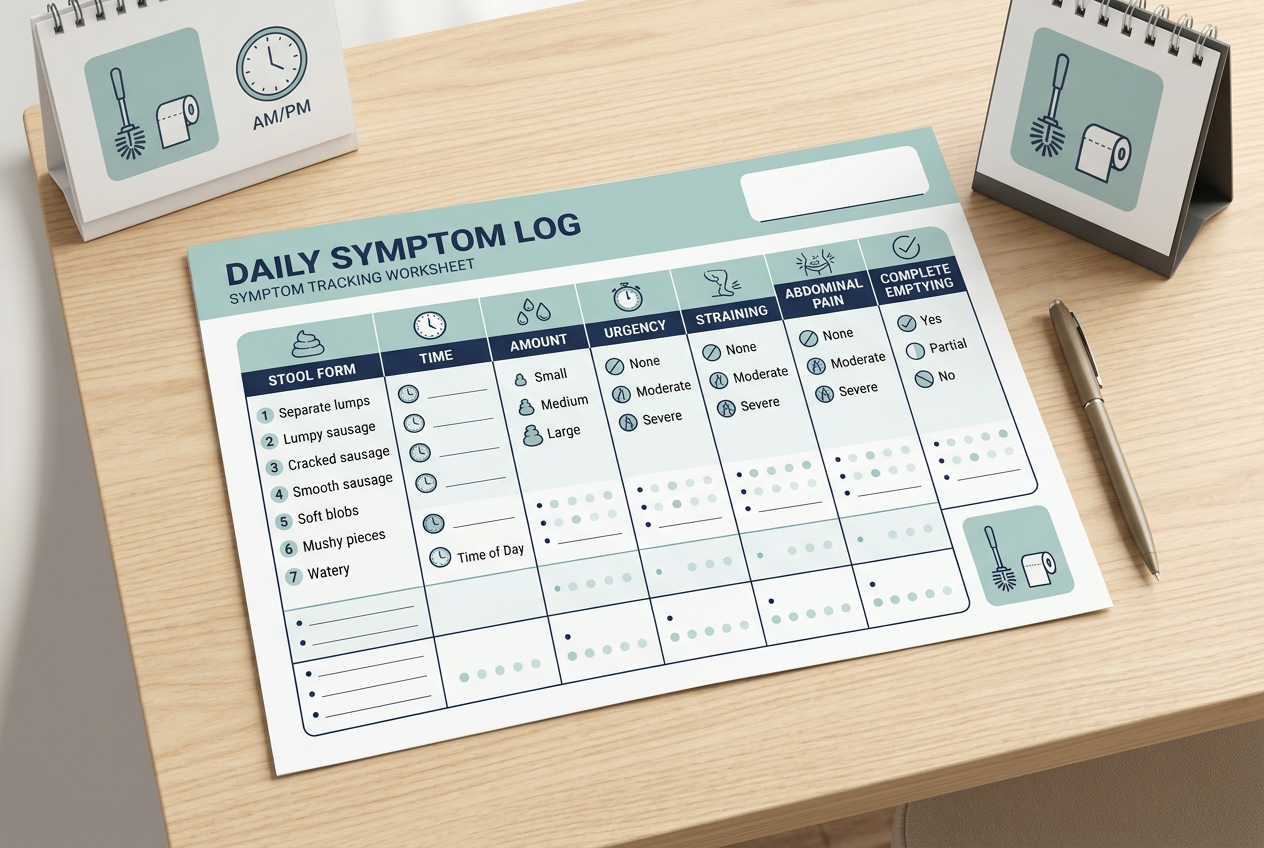
    Bowel-pattern diary tracking stool form, timing, urgency, straining, pain, and complete emptying
    Bowel-pattern diary tracking stool form, timing, urgency, straining, pain, and complete emptying

    Track seven to fourteen days of bowel timing, Bristol Stool Form Scale type, approximate amount, urgency, straining, pain, and whether each movement felt complete. Record meals, fluid intake, caffeine, alcohol, menstrual timing when relevant, sleep, travel, and activity because these variables can change the gastrocolic reflex and stool consistency. List every prescription, over-the-counter medicine, antacid, laxative, fiber powder, magnesium product, iron supplement, and herbal product with its dose and timing. Note whether repeated stools follow breakfast, a specific laxative, a large fiber serving, or several constipated days. Photographing a medication label is more useful than writing “a supplement.” Also record blood, black stool, fever, vomiting, inability to pass gas, nighttime awakening, and unintentional weight loss. Bring the diary to a primary-care or gastroenterology visit. The goal is not to self-diagnose IBS, pelvic-floor dysfunction, or impaction; the goal is to show a reproducible sequence that a clinician can compare with an examination and appropriate testing.

    Which self-care steps are reasonable while you track the pattern?

    Use steady changes rather than alternating between aggressive laxatives and no routine. Regular meals, adequate fluids, daily movement, and a consistent bathroom opportunity can make the sequence easier to interpret. NIDDK constipation guidance suggests trying to sit for a bowel movement 15–45 minutes after breakfast, responding promptly to the urge, relaxing the pelvic floor, and using a footstool for positioning. Increase dietary fiber gradually because a sudden jump can increase gas, urgency, or cramping. Do not stop a prescription medicine or repeatedly combine laxative classes without professional guidance. The 2023 AGA–ACG guideline gives polyethylene glycol stronger evidence for chronic idiopathic constipation than most nonprescription options, while fiber receives a conditional recommendation and works best when low intake is part of the problem. Those recommendations address diagnosed chronic idiopathic constipation; they do not establish the cause of alternating or clustered bowel movements.

    When does constipation with repeated stools need urgent care?

    Seek urgent medical care when constipation occurs with constant or severe abdominal pain, inability to pass gas, repeated vomiting, fever, fainting, marked abdominal swelling, rectal bleeding, or black stool. These findings can signal obstruction, bleeding, inflammation, severe impaction, or another problem that cannot be evaluated through a bowel diary. NIDDK also advises prompt medical review for unintentional weight loss and persistent constipation that does not improve with self-care. New bowel changes deserve a lower threshold for evaluation when they begin after a new medicine, occur during pregnancy, follow abdominal surgery, or accompany a family history of colorectal cancer. Watery leakage after several days without a normal bowel movement can reflect overflow around retained stool, but only an examination can distinguish that pattern from infection or rapid transit. Do not keep adding fiber or laxatives when severe pain, vomiting, or inability to pass gas is present. The immediate question is safety, not how to force another bowel movement.

    What questions do people ask about the constipation-to-frequent-stool cycle?

    This pattern raises questions because frequency alone gives an incomplete picture. Clinicians evaluate stool form, pain, straining, urgency, complete emptying, medicines, diet, and duration together. Several bowel movements in one morning can still fit constipation when each movement is small, hard, difficult, or incomplete. Loose stool can appear after a laxative, a strong meal-triggered reflex, infection, or liquid passage around retained stool. Abdominal pain that relates to bowel movements may raise the possibility of IBS, but symptoms require proper assessment and should not be reduced to an internet label. Pelvic-floor dysfunction can also mimic “stubborn constipation” even when stool is soft, which is why more fiber does not solve every case. A diary makes these distinctions visible without pretending to confirm a diagnosis. The questions below provide practical boundaries, not personalized treatment. Persistent cycles, nighttime symptoms, bleeding, weight loss, severe pain, or major medication changes belong with a qualified clinician.

    Can you still be constipated if you poop several times in one day?

    Yes. Hard stool, straining, and incomplete evacuation can indicate constipation even when several small bowel movements occur during the same day.

    Does loose stool after constipation mean overflow diarrhea?

    It can, but infection, food, medicines, and laxatives can also produce loose stool. Overflow around retained stool requires clinical assessment rather than visual guessing.

    Can the gastrocolic reflex cause repeated morning bowel movements?

    Yes. Eating, especially breakfast, can stimulate colon movement and produce clustered bowel movements, particularly after stool accumulated during slower days.

    Should you add more fiber immediately?

    Not automatically. Gradual fiber increases can help low-fiber constipation, but sudden large increases may worsen gas or urgency and will not correct every evacuation disorder.

    What tests check whether the pelvic floor is involved?

    Clinicians may use a digital rectal examination, anorectal manometry, and a balloon-expulsion test. Defecography or colon-transit testing may follow when the first evaluation is inconclusive.

    When should you contact a gastroenterologist?

    Arrange evaluation when the cycle persists, repeatedly interrupts daily life, requires frequent laxatives, or includes pain or incomplete emptying. Seek urgent care for bleeding, vomiting, severe pain, fever, or inability to pass gas.

    What is the bottom line on constipation followed by frequent bowel movements?

    Constipation followed by hours of repeated bowel movements usually means the sequence needs closer description, not that the two symptoms cancel each other out. Retained stool, meal-triggered colon movement, medication or laxative timing, IBS patterns, and pelvic-floor coordination problems can each produce clustered trips. Count stool form, output, straining, urgency, pain, and complete emptying alongside frequency. Use a short diary, keep meals and self-care changes steady, and review every medicine and supplement with a clinician. Gradual fiber, adequate fluids, movement, and a consistent post-breakfast bathroom opportunity may support regularity when no warning signs are present, but they are not substitutes for evaluation. Persistent cycles may require an examination, medication review, colon-transit assessment, anorectal manometry, or balloon-expulsion testing. Severe pain, vomiting, bleeding, black stool, fever, abdominal swelling, inability to pass gas, fainting, or unintentional weight loss should move the question out of home tracking and into urgent medical care.

    Image notes:

    • Hero image: neutral educational illustration of a calendar showing several constipated days followed by one day with clustered bowel-movement markers, no products or brands.
    • Inline image: symptom-tracking page comparing stool form, timing, amount, urgency, straining, and complete emptying.

  • Can Weight Loss Reduce Acid Reflux? Who It Helps and What It Cannot Do

    Can Weight Loss Reduce Acid Reflux? Who It Helps and What It Cannot Do

    Weight loss can reduce acid reflux symptoms in adults who have overweight or obesity, especially when abdominal pressure and meal patterns contribute to reflux. It is not a universal cure, and intentional weight loss is not appropriate for someone already losing weight unexpectedly. Persistent or severe symptoms still require medical evaluation.

    How did we evaluate weight loss for acid reflux?

    We evaluated weight loss as one reflux-management tool, not as a substitute for an individual medical plan. We prioritized human randomized trials, prospective intervention studies, and guidance from the National Institute of Diabetes and Digestive and Kidney Diseases over testimonials or single-food rules. We separated symptom improvement from objective measures such as esophageal acid exposure because those outcomes do not always move together. We also distinguished planned weight reduction in adults with overweight or obesity from unexplained weight loss, which is a warning sign rather than a goal. The evidence base has limits: study populations, dietary programs, medication use, and follow-up periods differ, so no single kilogram target applies to everyone. This review therefore focuses on who may benefit, how to pursue gradual change, and when reflux symptoms require clinician assessment instead of another lifestyle experiment.

    How can body weight affect acid reflux?

    Body weight can affect reflux when abdominal pressure pushes stomach contents toward the lower esophageal sphincter, the muscular barrier between the stomach and esophagus. Central adiposity can increase that pressure, while large meals and lying down soon after eating can add a second mechanical burden. The relationship is probabilistic, not automatic: a person can have reflux at any body size, and a higher body mass index does not identify the cause of an individual episode. The National Institute of Diabetes and Digestive and Kidney Diseases advises that clinicians may suggest weight loss when a person with reflux also has overweight or obesity. That guidance does not imply that rapid dieting is better. Gradual, nutritionally adequate change can reduce pressure while preserving hydration, protein intake, and regular meals. Symptom tracking should measure timing, meal size, sleep position, and medication use alongside weight.

    What does the human evidence actually show?

    Human studies generally support symptom improvement, but they do not prove that weight loss helps every person or normalizes every reflux measurement. A 2023 randomized clinical trial in Clinical Obesity assigned 62 adults with overweight or obesity and reflux to individualized dietary counseling or general guidance. The intervention group lost an average of 4.4 kilograms and reported better reflux-specific quality-of-life scores after six months. A larger prospective intervention study in Obesity followed 332 adults through a structured program and found lower symptom scores as weight and waist circumference decreased. However, an older randomized trial in Scandinavian Journal of Gastroenterology found no meaningful improvement in symptoms or pH measurements despite substantial weight loss. The balanced conclusion is that weight reduction can improve symptoms for many eligible adults, while individual response and objective acid exposure remain variable.

    Who is most likely to benefit from planned weight loss?

    Planned weight loss is most relevant when an adult has overweight or obesity, reflux worsened after weight gain, and meals or abdominal pressure clearly influence symptoms. A clinician can help set a reasonable pace when other conditions, medicines, pregnancy, or prior disordered eating complicate the decision. People already within a stable, healthy weight range should not assume that becoming lighter will fix reflux; meal timing, smoking, pregnancy, a hiatal hernia, medication effects, or esophageal sensitivity may matter more. Unintentional weight loss belongs in a different category because it can signal reduced intake, swallowing difficulty, persistent vomiting, or another health problem. The useful test is not whether the scale moves quickly. The useful test is whether a sustainable plan improves heartburn, regurgitation, sleep disruption, and food tolerance without causing weakness, dehydration, or nutritional gaps. Weight should remain one data point inside a broader symptom pattern.

    What changes support weight loss without aggravating reflux?

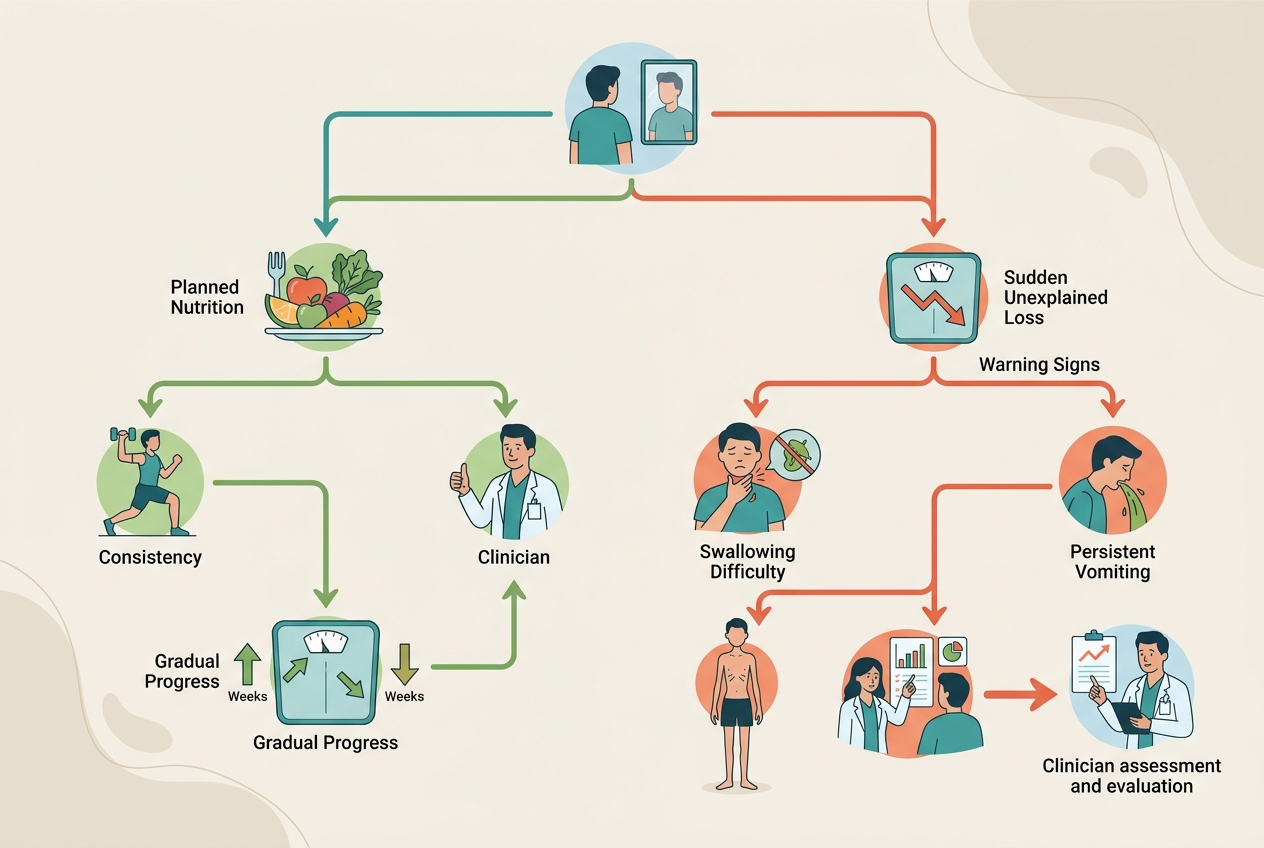
    Diagram distinguishing planned gradual weight change from unexplained weight loss that needs medical assessment.
    Diagram distinguishing planned gradual weight change from unexplained weight loss that needs medical assessment.

    Small, repeatable changes usually fit reflux better than fasting, oversized “healthy” meals, or aggressive calorie cuts. A person can begin with smaller portions, regular meal times, slower eating, and a final meal at least three hours before lying down; the NIDDK reflux nutrition guidance specifically notes the meal-to-bed interval. Protein, whole grains, vegetables, fruit, and adequate fluids can support gradual weight change, but individual trigger foods should be identified through a short log rather than a universal ban list. Walking and other tolerable activity can support energy balance, although vigorous exercise immediately after a large meal may worsen symptoms for some people. A useful weekly log records body weight once or twice, meal timing, nighttime symptoms, and any over-the-counter or prescription reflux medicine. The goal is a pattern that remains nutritionally adequate and repeatable, not the fastest possible drop.

    What can weight loss not fix on its own?

    Weight loss cannot establish why chest burning, regurgitation, cough, nausea, or upper abdominal discomfort occurs. Similar symptoms can arise from reflux, medication effects, heart problems, swallowing disorders, ulcers, gallbladder conditions, or other causes that require different assessment. Weight change also cannot replace prescribed medicine without the prescriber’s guidance, and symptom relief does not prove that esophageal inflammation has resolved. Some adults improve after reducing weight but still need attention to meal timing, tobacco exposure, alcohol, sleep position, or a hiatal hernia. Others lose weight and notice little change, which is consistent with the mixed objective findings in clinical studies. A sensible plan uses a defined review point, such as several weeks of consistent habits, rather than escalating restriction indefinitely. If symptoms remain frequent, disrupt sleep, or require repeated self-medication, a clinician should reassess the pattern and decide whether testing or another management approach is appropriate.

    When should reflux and weight changes prompt medical care?

    Unexplained weight loss is not evidence that a reflux plan is working. The NIDDK symptom guidance lists unexplained weight loss, loss of appetite, persistent vomiting, painful or difficult swallowing, digestive-tract bleeding, and chest pain as reasons to seek medical care. Black stools, bloody vomit, fainting, severe dehydration, or chest pressure with shortness of breath require urgent assessment. A clinician should also review reflux that persists despite appropriate over-the-counter use or lifestyle changes, because recurring symptoms may need a structured medical plan. People taking prescription acid-suppressing medicine should not stop suddenly solely because their weight changed; the prescriber can review timing, dose, and any rebound symptoms. Planned weight loss should pause if intake becomes difficult or symptoms make hydration and nutrition unreliable. The safety distinction is simple: gradual intentional change can be supportive, while unexpected decline demands evaluation.

    What questions do people ask about weight loss and acid reflux?

    How much weight must I lose before reflux improves?

    Studies do not establish one universal threshold. Improvement varies with starting weight, waist circumference, meal patterns, anatomy, medication use, and the cause of symptoms, so a clinician should personalize the target.

    Can a small amount of weight loss help?

    It may help some adults, especially when reflux appeared after gradual weight gain. The randomized trial in Clinical Obesity found symptom improvement alongside a modest average reduction, but the sample was small and individual responses differed.

    Is fasting a good way to lose weight with reflux?

    Fasting can lead to large rebound meals, caffeine use on an empty stomach, or irregular medicine timing. A consistent meal pattern with smaller portions is often easier to evaluate and maintain.

    Will losing belly fat reduce nighttime reflux?

    Reduced abdominal pressure may help, but nighttime reflux also depends on the interval between dinner and bed, meal size, sleep position, and anatomy. Track those variables together instead of attributing every change to waist size.

    Should I stop reflux medicine after losing weight?

    Do not change prescription medicine without the prescriber who manages it. Symptom improvement and tissue healing are different outcomes, and stopping some acid-suppressing medicines can produce rebound symptoms.

    What if I am losing weight without trying?

    Unexpected weight loss with reflux needs medical assessment, particularly when swallowing is difficult, appetite falls, vomiting persists, or bleeding appears. It should never be reframed as a successful lifestyle result.

    For a detailed comparison of specific products and strains, see Acid Reflux While Driving: What Helps and What to Compare.

    What is the bottom line on weight loss and reflux?

    Weight loss is a reasonable reflux-management strategy for adults who have overweight or obesity and can pursue gradual, nutritionally adequate change. Randomized and prospective human studies show symptom improvement in many participants, while conflicting research confirms that results are not guaranteed and esophageal acid exposure may not normalize. The practical plan combines smaller meals, a three-hour meal-to-bed interval, tolerable activity, and a short symptom log with clinician guidance when needed. People at a stable healthy weight should focus on other contributors rather than chasing a lower number. People losing weight unexpectedly should seek medical assessment instead of restricting food further. Medication changes should remain under prescriber guidance even when symptoms improve. The best outcome is not simply a smaller scale reading; it is fewer symptoms, reliable nutrition, stable energy, and a plan that does not delay care for chest pain, swallowing difficulty, bleeding, or persistent vomiting.

    Image notes:

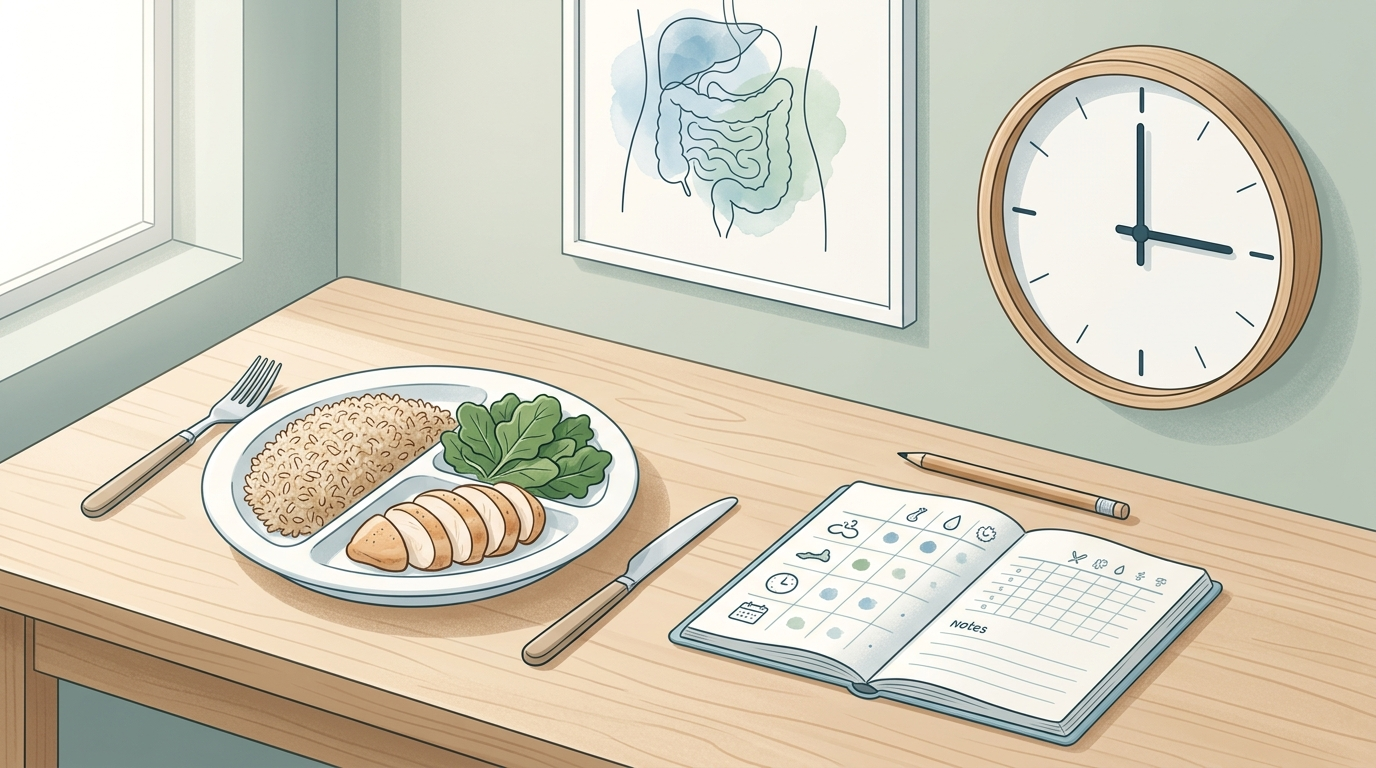
    • Hero image: neutral editorial kitchen scene with a balanced meal, walking shoes, symptom journal, and clock showing a three-hour meal-to-bed interval.
    • Inline image: educational flow diagram separating planned weight management from unexplained weight loss and listing appropriate next steps.

  • Why Do I Cramp and Need a Bowel Movement After Every Meal?

    Why Do I Cramp and Need a Bowel Movement After Every Meal?

    Cramping, bloating, and needing a bowel movement about 15 minutes after every meal can reflect an exaggerated gastrocolic reflex, especially with IBS. The meal entering the stomach stimulates the colon; it is not the new food instantly passing through. Worsening symptoms despite restriction deserve a fresh clinical and dietitian review rather than a longer trigger list.

    How did we evaluate cramps and urgency after every meal?

    We evaluated the pattern by timing, bowel physiology, IBS diagnostic guidance, stool form, meal size, dietary restriction, response to a low-FODMAP trial, and warning signs. American College of Gastroenterology guidance, National Institute of Diabetes and Digestive and Kidney Diseases resources, human motility research, and Monash University’s diet protocol received more weight than social-media diagnoses or universal trigger lists. We excluded claims that one food, “leaky gut,” parasites, stress, or an “overactive” reflex can be identified from timing alone. We also excluded medication instructions because antispasmodics, antidiarrheals, laxatives, and neuromodulators require a clinician to match the IBS subtype, symptom pattern, contraindications, and goals. This educational framework cannot confirm IBS or rule out celiac disease, inflammatory bowel disease, infection, pelvic-floor dysfunction, or another cause. Its purpose is to show which observations make a follow-up appointment more useful when an old safe-food plan stops working.

    Why can any meal trigger cramps and a bowel movement within minutes?

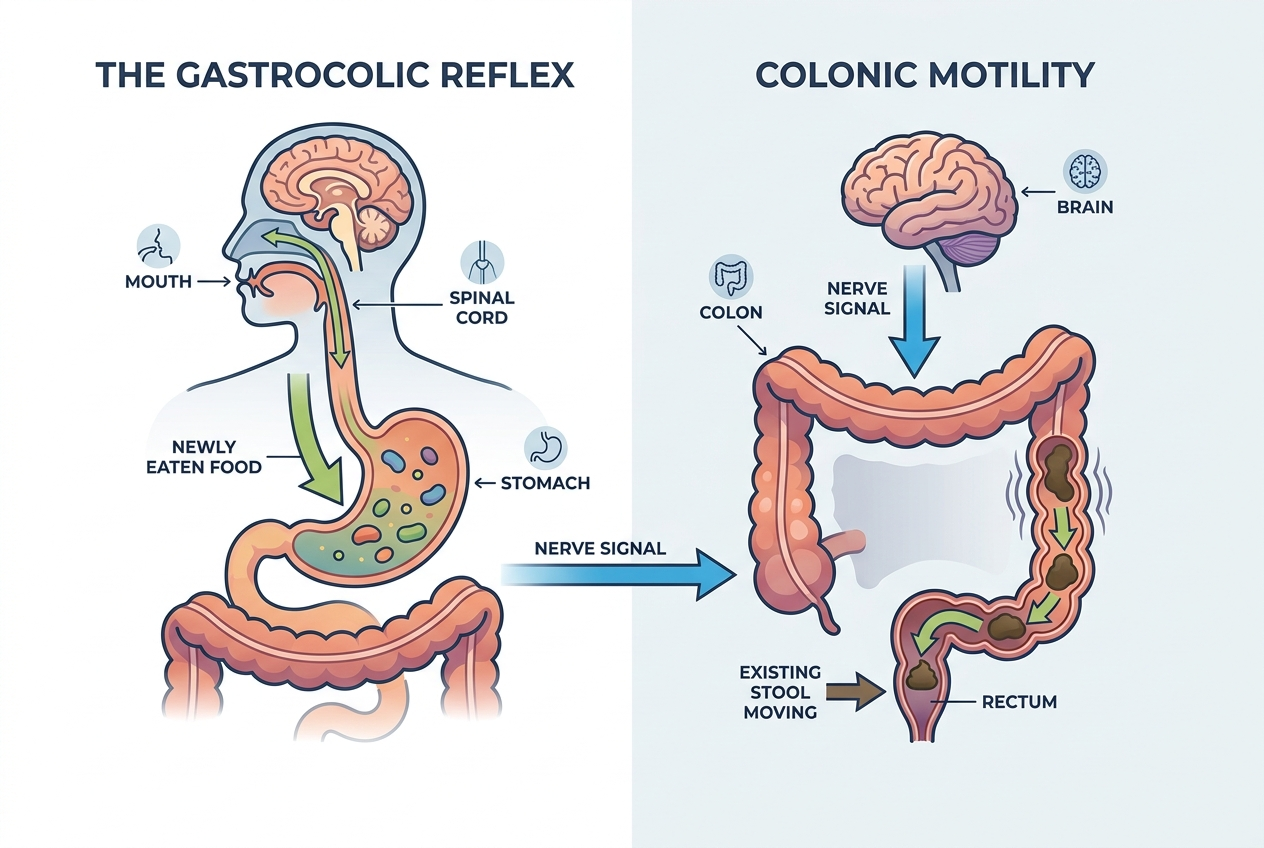
    The gastrocolic reflex increases colon movement after the stomach stretches during eating. A meal therefore can trigger stool that was already in the colon, even though the newly eaten food remains much earlier in digestion. A human physiology review describes this reflex as a normal response that can become more pronounced in IBS and other motility patterns. Meal size, fat, caffeine, temperature, time of day, sleep, menstrual timing, and stress can alter the response without making every ingredient an intolerance. IBS also involves visceral sensitivity, so an ordinary contraction can feel painful or urgent. A bowel movement 15 minutes after eating does not prove rapid whole-gut transit, malabsorption, a food allergy, or damage from that meal. Record whether the response begins after the first bites or later, whether stool is formed or loose, whether pain improves after defecation, and whether smaller meals change the sequence.

    Why might a low-FODMAP diet help only partly?

    FODMAP restriction reduces selected fermentable carbohydrates, but it does not switch off stomach stretch, the gastrocolic reflex, visceral hypersensitivity, or every cause of abdominal pain. The ACG IBS guideline recommends a limited low-FODMAP trial for global IBS symptoms; it does not recommend endless restriction or treating every symptom as proof of another food trigger. A partial response suggests that fermentation may be one contributor while meal volume, fat, caffeine, bowel pattern, sleep, stress, or another mechanism remains. Monash University describes restriction, reintroduction, and personalization as three distinct phases and places the initial strict phase at roughly two to six weeks (Monash FODMAP). If the safe-food list keeps shrinking, a gastrointestinal dietitian should check calories, fiber, calcium, iron, B vitamins, challenge design, and nutrition risks. More restriction can reduce dietary adequacy without identifying the main trigger.

    When should an old IBS diagnosis be reviewed again?

    An IBS diagnosis can remain valid while the management plan needs revision, but a meaningful change should not be dismissed as “just IBS.” The NIDDK diagnostic guide describes IBS as recurrent abdominal pain related to bowel movements plus a change in stool frequency or form, assessed through history, examination, and selected testing. The ACG guideline supports celiac serology and fecal calprotectin in appropriate people with diarrhea-predominant symptoms to distinguish overlapping conditions. Testing choices depend on age, family history, bleeding, weight change, nighttime symptoms, medicines, prior results, and whether gluten has already been removed. Starting or continuing a gluten-free diet can complicate celiac evaluation, so a clinician should direct any testing or re-exposure plan. Bring the original diagnosis, colonoscopy or imaging records, celiac results, stool studies, medication list, and a recent symptom log. “I was tested years ago” is useful history, not a permanent answer to a new pattern.

    What should you track before the follow-up appointment?

    Diagram showing the stomach signaling the colon through the gastrocolic reflex after a meal.
    Diagram showing the stomach signaling the colon through the gastrocolic reflex after a meal.

    Track seven to fourteen days without adding new restrictions. Record meal start time, approximate portion, fat level, caffeine, alcohol, carbonation, fiber supplement, menstrual timing when relevant, stress level, sleep, pain location, bloating, urgency, bowel-movement time, and Bristol Stool Form Scale type. Separate the first post-meal bowel movement from later episodes. Note whether pain improves, worsens, or stays unchanged after defecation. Compare a small meal with a larger meal that uses similar ingredients; this tests volume without declaring another food unsafe. Record nighttime waking, fever, visible blood, black stool, vomiting, weight change, dehydration, and missed activities. A structured log identifies patterns that memory blurs, but it should not become a surveillance ritual around every bite. The goal is to help the clinician distinguish an exaggerated meal response, diarrhea-predominant IBS, constipation with incomplete evacuation, medication effects, or a reason for additional testing.

    What can reduce disruption while you wait for medical review?

    Use low-risk organization, not a self-prescribed treatment stack. Keep meals regular and consider smaller portions if large meals reliably intensify the response. Eat slowly, limit simultaneous changes, carry water, and schedule extra bathroom time after the meal that produces the strongest reflex. Maintain tolerated nutrition instead of skipping meals or removing another food group. Continue only clinician-approved medicines as directed; do not combine loperamide, laxatives, antispasmodics, herbal products, and fiber experiments to force the bowel into a target pattern. The NIDDK treatment overview explains that diet, medicines, probiotics, and mental-health therapies are selected according to symptoms rather than used as one universal package. Stress regulation can reduce gut-brain amplification without implying that symptoms are imaginary. Severe or rapidly worsening pain needs assessment, not a breathing exercise. Practical planning protects the day while the diagnostic question remains open.

    Which warning signs need faster medical assessment?

    Seek urgent care for severe or escalating abdominal pain, a rigid or markedly swollen abdomen, repeated vomiting, vomiting blood, black stool, significant rectal bleeding, fainting, confusion, high fever, inability to keep fluids down, or inability to pass stool or gas with worsening distension. Contact a clinician promptly for unintentional weight loss, anemia, persistent nighttime diarrhea, new symptoms after age 50, a family history of inflammatory bowel disease, celiac disease, or colorectal cancer, or a sustained change from the established IBS pattern. Dehydration signs include very dark urine, minimal urination, dizziness, dry mouth, or rapid heartbeat. Food-related pain with hives, wheezing, lip or tongue swelling, or breathing difficulty can indicate an allergic emergency and requires immediate help. These signs do not prove a specific disease, but they change the acceptable waiting time. An old IBS label should never be used to explain away bleeding, obstruction symptoms, systemic illness, or progressive nutritional decline.

    What questions should you ask about cramps after every meal?

    Use the questions below to separate a strong meal-triggered colon response from a growing collection of assumed food intolerances. Ask whether the 15-minute timing fits the gastrocolic reflex, whether the stool pattern still meets the recorded IBS subtype, and which prior tests remain relevant. Ask whether celiac testing, fecal calprotectin, stool testing, medication review, pelvic-floor assessment, or dietitian referral fits the current history. Bring the exact duration of strict low-FODMAP restriction and any reintroduction results. Explain whether gluten was removed before prior celiac testing because that detail affects interpretation. Ask for one defined next step with a measurable outcome rather than several simultaneous experiments. A diagnosis is useful when it organizes decisions; it becomes less useful when every new symptom is assigned to it without review. These concise answers provide vocabulary for the visit, not a substitute for examination or individualized care.

    Is the bowel movement caused by the food I just ate?

    Usually not when urgency starts within minutes. Stomach filling can activate the gastrocolic reflex and move stool that was already in the colon.

    Does urgency after every meal prove diarrhea-predominant IBS?

    No. Stool form, frequency, pain relationship, duration, testing history, and warning signs matter. Urgency can appear in several bowel patterns.

    Should I remove more foods when my trigger list keeps growing?

    Not automatically. Expanding restriction without structured reintroduction can reduce nutrition and make patterns harder to interpret, so involve a gastrointestinal dietitian.

    Can stress cause real cramping after meals?

    Stress can amplify gut-brain signaling, motility, and pain perception. That physiological effect does not mean the symptoms are imagined or that medical review is unnecessary.

    Should I take loperamide before every meal?

    Only if a clinician has matched it to the bowel pattern and provided directions. It can be inappropriate when constipation, incomplete evacuation, infection, or another cause is present.

    Can a low-FODMAP diet be permanent?

    The strict phase is designed as a limited trial followed by reintroduction and personalization. Long-term intake should be as varied and nutritionally adequate as the person tolerates.

    What is the bottom line when every meal causes cramps?

    Cramping and a bowel movement soon after every meal can reflect an exaggerated gastrocolic reflex, particularly when IBS includes visceral sensitivity and urgency. The timing means the new meal is signaling the colon; it does not mean that meal crossed the entire digestive tract in 15 minutes. A partial low-FODMAP response also does not justify an endlessly shrinking diet. Keep nutrition stable, compare portion size before blaming another ingredient, and record stool form, pain, timing, and warning signs for seven to fourteen days. Ask the clinician to revisit the IBS pattern, prior testing, medication list, and need for celiac, inflammatory, stool, or pelvic-floor evaluation. A gastrointestinal dietitian can guide reintroduction and protect dietary adequacy. Seek faster care for bleeding, black stool, severe or escalating pain, repeated vomiting, fever, dehydration, nighttime diarrhea, unintentional weight loss, or obstruction symptoms.

  • Bloating and Weight Gain After a Stomach Virus: What Usually Changes First

    Bloating and Weight Gain After a Stomach Virus: What Usually Changes First

    Bloating and a higher scale reading after a stomach virus usually reflect rehydration, restored food and stool volume, sodium and carbohydrate changes, constipation, or lingering gut sensitivity—not sudden body-fat gain. Track the pattern for one to two weeks. Seek medical care sooner for severe pain, dehydration, blood, persistent vomiting, fever, progressive swelling, or ongoing weight change.

    How did we evaluate bloating and weight changes after gastroenteritis?

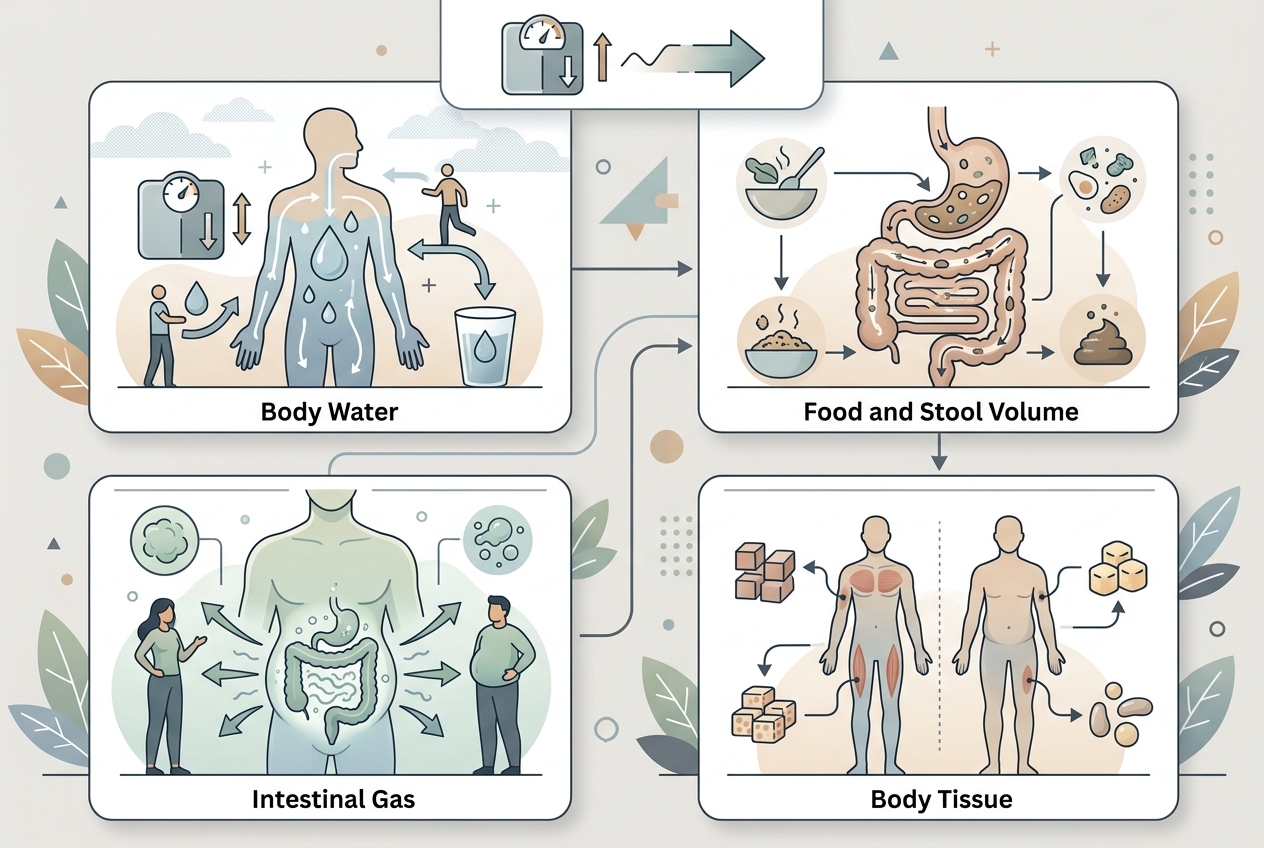
    We evaluated post-gastroenteritis bloating by separating four measurable changes: body water, food and stool mass, intestinal gas, and body tissue. Government guidance on viral gastroenteritis, dehydration, gas, and warning signs received more weight than detox claims, social posts, before-and-after photos, or unverified microbiome protocols. We used longitudinal research on post-infectious bowel symptoms to explain why some people remain sensitive after the acute infection clears, but we did not treat that research as an individual diagnosis. We excluded rapid “gut reset,” fasting, cleanse, and supplement advice because those approaches can worsen dehydration or make the recovery pattern harder to interpret. The main limitation is diagnostic uncertainty: “stomach virus” can describe viral gastroenteritis, food poisoning, medication effects, or another condition, and most mild cases are never laboratory-confirmed. A short-lived scale rebound after vomiting or diarrhea has a different meaning from steadily rising weight with persistent swelling, shortness of breath, or worsening abdominal symptoms.

    Why can your abdomen feel larger after a stomach virus?

    The abdomen can feel larger when eating resumes, stool transit slows, carbohydrates reach colonic bacteria, or the gut-brain system becomes temporarily more sensitive to normal gas. The NIDDK gas overview distinguishes bloating, the sensation of fullness or swelling, from distension, a measurable increase in abdominal size. Only some people with bloating have visible distension. After vomiting or diarrhea, a person may switch quickly from low intake to larger meals, carbonated drinks, high-fiber foods, dairy, sugar alcohols, or salty convenience foods. Each change can alter gas, fluid, or stool volume without changing body fat. Constipation can also follow reduced eating, dehydration, inactivity, anti-nausea medicines, or an abrupt diet change. The most useful observation is timing: morning versus evening size, bowel frequency, relation to meals, and whether the sensation improves after passing stool or gas. One isolated waist or scale measurement cannot identify the mechanism.

    Why can the scale rise quickly during recovery?

    The scale can rise quickly because illness often lowers fluid, glycogen, food, and stool mass before recovery restores them. Vomiting and diarrhea remove water and electrolytes, while reduced appetite empties part of the gastrointestinal tract. The NIDDK viral-gastroenteritis guide identifies dehydration as the most common complication and lists reduced urination, dark urine, thirst, fatigue, and dizziness as warning signs. Drinking oral rehydration fluid, eating normal meals, restoring sodium, and replenishing carbohydrate stores can therefore move body weight upward from an artificially low illness-day baseline. That rebound is not proof of new fat tissue. Compare current weight with a stable pre-illness baseline, not the lowest number recorded during active vomiting or diarrhea. Use the same scale, time, clothing, and hydration state. A seven-day trend tells more than one morning. Persistent or progressive gain accompanied by leg swelling, breathlessness, or reduced urination needs medical evaluation.

    What should you track for the next one to two weeks?

    Track morning weight, abdominal circumference at one fixed point, stool frequency and form, meal size, carbonated drinks, dairy, fiber additions, sodium-heavy foods, menstrual timing when relevant, and any new medicine. Record symptoms once or twice daily rather than checking the mirror after every meal. A consistent morning measurement reduces noise from dinner, fluids, clothing, and normal evening distension. Separate upper fullness, lower-abdominal pressure, belching, flatulence, constipation, diarrhea, nausea, and pain because each pattern suggests a different question. Note whether the abdomen softens overnight or after a bowel movement. Keep hydration steady enough that urine is not persistently dark, but do not force excessive water. Compare the trend with the stable week before illness if that information exists. Contact a clinician if symptoms do not improve, if weight continues rising without an obvious recovery explanation, or if the pattern interferes with eating, hydration, sleep, or daily activity.

    What supports a calmer return to normal eating?

    Infographic separating body water, food and stool volume, intestinal gas, and body tissue after stomach illness.
    Infographic separating body water, food and stool volume, intestinal gas, and body tissue after stomach illness.

    A calmer return uses ordinary meals, adequate fluids, and gradual variety rather than prolonged fasting or an aggressive fiber jump. The NIDDK notes that appetite may remain low briefly, but most people can return to a normal diet when appetite returns and experts generally do not recommend fasting or a restricted diet during viral-gastroenteritis recovery (NIDDK). Start with portions that feel manageable, chew slowly, and add richer foods, large salads, beans, carbonated drinks, and concentrated sugar alcohols one at a time. A sudden increase in fermentable carbohydrates can raise gas even when the food is nutritious. Gentle walking can support normal movement and reveal whether distension changes with activity, but exercise should wait until hydration and energy have recovered. Avoid treating one difficult meal as a permanent intolerance. A simple three-day food-and-symptom record provides more information than eliminating multiple food groups. Persistent symptoms deserve assessment before a restrictive diet becomes the new normal.

    When do lingering symptoms suggest a post-infectious pattern?

    Lingering bloating, altered stool form, urgency, constipation, or abdominal discomfort can follow acute gastroenteritis in a minority of people. A systematic review and meta-analysis found higher odds of irritable-bowel symptoms after infectious gastroenteritis, but study definitions, pathogens, follow-up periods, and populations varied (PubMed). That evidence establishes a recognized post-infectious pattern at the population level; it does not mean every week of bloating is post-infectious IBS. Clinicians consider symptom duration, stool changes, pain related to bowel movements, prior infections, medications, travel, weight trajectory, and warning signs before applying a diagnosis. Short recovery fluctuations often settle as hydration, eating, sleep, and bowel routine normalize. A symptom diary helps identify whether the pattern is steadily improving, staying flat, or worsening. Seek assessment when symptoms persist beyond the expected recovery window, repeatedly interrupt daily life, or accompany blood, fever, night symptoms, anemia, dehydration, severe pain, or unintentional weight loss.

    What questions matter most after a stomach virus?

    These questions help distinguish normal recovery noise from a pattern that deserves medical review. Start by confirming the timeline: illness onset, final episode of vomiting or diarrhea, return of appetite, return of normal urination, and the first day bloating or scale change appeared. Then compare the current number with the stable pre-illness baseline, not the dehydrated low point. The CDC reports that most norovirus illness improves within one to three days, although other infections and complications follow different timelines. A named virus cannot be assumed without testing, and ongoing symptoms may have another cause. Medication timing and recent travel also belong in that recovery record. Use the questions below to organize observations, avoid unnecessary restriction, and identify the symptoms that should move the decision from home tracking to professional care.

    Is rapid weight gain after vomiting usually fat?

    Usually not. Rehydration, restored food intake, sodium, carbohydrate stores, and stool mass can raise weight quickly after an illness-related low point; a stable seven-day trend is more informative.

    Can constipation happen after diarrhea?

    Yes. Reduced intake, dehydration, inactivity, anti-nausea medicines, and abrupt diet changes can slow bowel movements after diarrhea stops.

    Should you avoid dairy after gastroenteritis?

    Some people temporarily tolerate lactose poorly after intestinal illness, but universal dairy avoidance is unnecessary. Test a small portion only after hydration and appetite recover, and seek advice if symptoms recur consistently.

    Should you take a probiotic immediately?

    No probiotic is automatically required after a stomach virus. Evidence is strain- and outcome-specific, and a new product can add gas that makes the original recovery pattern harder to read.

    How long should bloating last?

    There is no single deadline because the cause, illness severity, diet, transit, and baseline sensitivity differ. The important signal is direction: gradual improvement is reassuring, while persistent or worsening symptoms need review.

    When is post-virus swelling urgent?

    Seek prompt care for severe or localized pain, a rigid or rapidly enlarging abdomen, repeated vomiting, inability to pass stool or gas, blood or black stool, fever, dehydration, breathing difficulty, or fainting.

    For a detailed comparison of specific products and strains, see Can Magnesium Glycinate Cause Weight Gain or Bloating?.

    For a detailed comparison of specific products and strains, see Bloating After Everything You Eat or Drink: What Should You Compare First?.

    What is the bottom line on post-virus bloating and weight gain?

    A larger abdomen or higher scale reading after a stomach virus most often reflects recovery variables rather than sudden fat gain. Rehydration restores fluid, normal meals restore food and glycogen, constipation increases stool mass, and renewed carbohydrate intake can increase gas. Compare the trend with a stable pre-illness baseline under the same morning conditions. Track waist, bowel pattern, meals, fluids, and symptoms for one to two weeks while returning gradually to a varied diet. Do not prolong fasting, add several supplements, or eliminate multiple food groups just to force the scale down. Lingering symptoms can follow infection, but a post-infectious diagnosis requires more than temporal proximity. Seek medical care for dehydration, blood, black stool, persistent vomiting, fever, severe or localized pain, inability to pass stool or gas, progressive swelling, breathing difficulty, reduced urination, or a trend that keeps worsening. Direction and associated symptoms matter more than one number.

  • How Can Night-Shift Workers Reduce Acid Reflux Around Sleep?

    How Can Night-Shift Workers Reduce Acid Reflux Around Sleep?

    Night shifts can make acid reflux more noticeable because meals, caffeine, sleep, and lying down occur at unusual times. A practical step is to organize food around sleep rather than the clock: finish the last substantial meal about three hours before lying down, use smaller meals during the shift, and track personal triggers instead of banning every common trigger food.

    How did we evaluate reflux during night shifts?

    We prioritized gastroenterology guidance, human pH-monitoring studies, and large observational research on shift work rather than anecdotes or supplement claims. We separated direct evidence about meal-to-bed timing and body position from associations involving sleep, stress, caffeine, diet, and shift schedules. We excluded claims that one food, drink, or routine can diagnose or eliminate gastroesophageal reflux disease. We also treated findings from day-oriented “bedtime” studies as sleep-timing evidence: for a night worker, bedtime may occur at 8 a.m., so the relevant interval is the time between eating and lying down. Research on shift workers remains mostly observational, which means it can identify patterns without proving that the work schedule alone causes reflux. This guide therefore provides a structured experiment for meal timing, portions, caffeine, and sleep position while preserving clinician-directed care for persistent, severe, or changing symptoms.

    Why can night shifts make acid reflux feel worse?

    Night work rearranges several reflux-related variables at once. A worker may eat a large meal during the biological night, use caffeine late in the shift, sit or bend for long periods, then lie down soon after arriving home. Lying flat removes gravity’s help in keeping stomach contents below the esophagus, while a full stomach increases the material available to reflux. Irregular sleep and meal timing can also make it harder to identify whether portion size, a specific food, stress, or position drives the pattern. A 2023 UK Biobank analysis of 262,722 adults found that shift workers had a modestly higher incidence of reflux disease, but the association weakened after accounting for sleep, health behaviors, mood, and other mediators. That caveat matters: night work is not destiny. Modifiable schedule details may explain part of the observed difference.

    Does the three-hour meal rule apply after a night shift?

    The meal-to-sleep interval matters more than whether the clock says morning or evening. The National Institute of Diabetes and Digestive and Kidney Diseases advises people with nighttime or lying-down symptoms to finish meals at least three hours before going to bed. For someone sleeping from 9 a.m. to 4 p.m., that usually means finishing the last substantial meal near 6 a.m., not following a conventional dinner rule. A randomized crossover study in 30 people with typical reflux symptoms found more supine acid exposure when a standardized meal occurred two hours rather than six hours before bed, although the small study cannot predict every person’s response. Water and a modest snack may fit differently from a large, high-fat meal. Individual tolerance still deserves a direct test. Track portion, finish time, lying-down time, and symptoms before changing several variables.

    What can a reflux-aware night-shift meal schedule look like?

    A practical schedule places the largest meal earlier in the waking period and reduces meal size as sleep approaches. A worker who wakes at 4 p.m., starts at 7 p.m., finishes at 7 a.m., and sleeps at 9 a.m. might eat a balanced meal around 5:30 p.m., a moderate meal near midnight, and a small planned snack around 5:30 a.m. if needed. The final substantial meal would finish roughly three hours before lying down. Protein, tolerated whole grains, vegetables, and lower-fat cooking methods can make portions satisfying without creating one oversized post-shift meal. This example is a testing framework, not a universal prescription. Rotating shifts, diabetes, pregnancy, strenuous labor, medication schedules, and other conditions can change what is appropriate. Preserve hydration across the waking period, avoid “saving” most calories for the commute home, and change one timing variable for several shifts so the result remains interpretable.

    Which foods should a night-shift worker avoid?

    No universal reflux diet requires every person to eliminate coffee, tomatoes, citrus, chocolate, mint, spices, alcohol, and high-fat foods. The NIDDK lists these categories as commonly reported triggers while recommending that people identify foods and drinks that actually worsen their symptoms. Portion and timing often matter alongside the ingredient. A large fried meal just before sleep creates a different test from a small tomato serving early in the shift. Build a two-column log: record exposure details such as food, portion, caffeine, and time, then record heartburn, regurgitation, throat symptoms, and sleep disruption. Repeat a suspected pattern before making a broad restriction unless a clinician advises otherwise. An elimination that removes ten categories at once cannot identify the driver and may reduce dietary quality. Start with the strongest temporal clue—usually the last large meal, a personal trigger, or late caffeine—then reassess after several comparable shifts.

    How should caffeine be timed on a night shift?

    Caffeine can support alertness, but late-shift use may complicate reflux tracking and daytime sleep. Coffee and energy drinks combine several variables: caffeine dose, acidity, carbonation, sweeteners, serving size, and drinking speed. Instead of assuming coffee is always the cause, record the product, approximate milligrams, time, food context, and symptom onset. Front-loading caffeine closer to the start of the shift can reduce exposure near the post-shift sleep window, while smaller servings can separate dose from beverage type. Do not abruptly change heavy daily caffeine use without anticipating withdrawal headaches and fatigue. Energy drinks may also deliver concentrated caffeine and carbonation, so they should not be treated as equivalent to plain tea or a small coffee. If reflux persists despite timing changes, discuss the full caffeine pattern and sleep schedule with a clinician. A controlled comparison provides better information than alternating among several high-caffeine drinks during one shift.

    Can sleep position or bed elevation reduce lying-down reflux?

    Position changes the effect of gravity and anatomy after a shift. The American College of Gastroenterology recommends allowing two to three hours between eating and lying down and describes head-of-bed elevation for nighttime symptoms. A foam wedge or elevation under the mattress raises the upper body more consistently than stacking ordinary pillows, which can bend the torso without elevating the esophagus effectively. In a small pH-monitoring study of ten patients, right-side sleeping produced greater acid exposure and slower clearance than left-side sleeping, although the sample was too small for a universal rule. Test meal timing before assuming position can compensate for a large pre-sleep meal. Record whether symptoms occur while falling asleep, during sleep, or after waking. New chest pain, breathing difficulty, fainting, or severe symptoms require prompt assessment rather than another positioning experiment.

    Should reflux medicine timing change for night work?

    Do not move, stop, double, or combine reflux medicines solely because a schedule changed. Medication instructions often depend on the drug class, meals, duration, other prescriptions, and the reason it was recommended. A label that says “before breakfast” may need individualized interpretation when breakfast occurs in the afternoon, while a clinician’s instruction may refer to the first meal after waking rather than a clock hour. Ask the prescriber or pharmacist to translate the regimen into wake time, meal time, and sleep time. Bring a complete list of antacids, alginates, H2 blockers, proton-pump inhibitors, supplements, and as-needed products so duplicate ingredients and timing conflicts are visible. Record actual doses and symptom timing instead of relying on memory after several overnight shifts. The useful question is not “morning or night?” but “how should this specific medicine relate to my meals and sleep schedule?”

    When do reflux symptoms need medical assessment?

    Occasional heartburn after an unusually large meal differs from frequent symptoms, progressive swallowing difficulty, bleeding, vomiting, unexplained weight loss, anemia, or chest pain. Seek urgent care for chest pressure or pain with shortness of breath, sweating, fainting, jaw or arm discomfort, or other features that could signal a cardiac problem. Arrange clinical assessment when reflux symptoms repeatedly disrupt sleep, require frequent over-the-counter medicine, persist despite a structured timing experiment, or change in character. Night workers should bring a seven- to fourteen-day log showing wake time, meals, caffeine, medication, lying-down time, position, and symptoms. That record helps a clinician distinguish schedule-linked patterns from problems that need testing or a different plan. Do not use a normal endoscopy, a supplement, or a temporary improvement to dismiss new warning signs. A work schedule can influence symptoms, but it cannot establish the diagnosis by itself.

    What is the bottom line for acid reflux on night shifts?

    Build the reflux plan around the sleep window, not a conventional dinner clock. Finish the last substantial meal about three hours before lying down, distribute food earlier across the waking period, reduce late-shift portion size, and track caffeine and personal triggers separately. Use head-of-bed elevation or left-side sleeping as additional experiments when lying-down symptoms remain, recognizing that position does not erase meal timing. Keep medication decisions tied to prescriber or pharmacist instructions translated into wake, meal, and sleep times. A simple log can reveal whether the strongest pattern involves a post-shift meal, one beverage, a rotating schedule, or sleeping position. If symptoms are frequent, worsening, associated with swallowing difficulty, bleeding, weight loss, vomiting, or chest pain, stop self-testing and seek medical assessment. Night work creates constraints, but a consistent schedule experiment can still produce useful evidence.

  • Why Can Digestion Feel More Stable During Ramadan?

    Why Can Digestion Feel More Stable During Ramadan?

    Digestion may feel more stable during Ramadan because the fasting schedule changes meal frequency, portion timing, caffeine exposure, late-night eating, food choices, sleep, and daily routine all at once. The improvement does not prove that fasting cured a gut problem. It identifies a useful pattern that can be tested carefully after Ramadan.

    How did we evaluate Ramadan fasting and digestive stability?

    We evaluated Ramadan fasting as a real-world schedule change rather than a universal digestive treatment. We prioritized human studies, systematic reviews, the National Institute of Diabetes and Digestive and Kidney Diseases, and clinical diet guidance over testimonials, animal experiments, and microbiome marketing. We separated symptom observations from stool-microbiome findings because a change in bacterial abundance does not automatically explain less bloating, reflux, pain, constipation, or diarrhea. We also examined several simultaneous variables: fewer eating events, different foods, meal size, hydration timing, caffeine, sleep, medication timing, and stress. Most Ramadan studies are small, observational, short, or conducted in healthy adults, so they cannot predict an individual result. The practical goal is to identify which repeatable change may have helped while respecting the religious practice and avoiding unsupported claims that a month of fasting “resets” the gut.

    Why can digestion feel steadier during Ramadan?

    Ramadan can create a “subtraction effect”: the daytime fast removes repeated snacks, drinks, and meal-trigger exposures for a predictable window. A person who normally grazes may temporarily consume fewer high-fat snacks, carbonated drinks, large coffees, sugar alcohols, or other personal triggers. A narrower eating window can also make symptoms easier to connect with suhoor or iftar because there are fewer competing exposures. This pattern does not mean that the stomach or intestines needed a detox. It means the schedule simplified the experiment. The opposite response is also possible. A very large iftar, rapid eating, fried foods, late meals, reduced daytime fluid intake, and disrupted sleep can worsen reflux, fullness, constipation, or headaches. Digestive stability therefore depends on the complete Ramadan routine, not fasting alone. The most useful clue is which specific behavior changed on better days and returned when symptoms returned.

    Is fasting or the change in food more likely to matter?

    Fasting and food changes are difficult to separate because Ramadan alters both timing and intake. A 2023 human study in Frontiers in Microbiology followed 12 healthy adults and concluded that diet remained an important contributor to microbiome changes during Ramadan. That small sample cannot establish a treatment effect, but it illustrates the confounding problem. Someone may eat fewer trigger foods, smaller total portions, more home-cooked meals, or less caffeine while also fasting. The NIDDK indigestion guidance notes that individual triggers vary and may include fizzy drinks, caffeine, fatty foods, grains, or fruit products. A controlled personal test should preserve one helpful feature at a time after Ramadan, such as fewer carbonated drinks or a consistent evening meal, rather than reproducing the entire fasting pattern without medical or religious context.

    Could the gut microbiome explain the change?

    The gut microbiome may change during Ramadan, but current research cannot prove that those changes caused a person’s digestive improvement. A 2020 pilot study in Beneficial Microbes reported structural microbiome changes after Ramadan fasting, while later studies found shifts that varied with diet and study population. A 2024 systematic review of human intermittent-fasting studies concluded that the evidence remains limited and heterogeneous. Stool sequencing measures relative microbial patterns; it does not directly measure intestinal function, symptom relief, or a permanently “healthier” ecosystem. Food intake, geography, sleep, medications, and baseline microbiota can also influence the result. The safest conclusion is modest: Ramadan-associated routines can alter microbial composition in some groups, and the clinical meaning is still uncertain. Symptom timing and food-pattern records provide more actionable personal evidence than a single commercial microbiome score.

    What should you track if symptoms improve during Ramadan?

    Ramadan daily timeline showing meal timing, hydration, caffeine, sleep, and digestive symptom tracking
    Ramadan daily timeline showing meal timing, hydration, caffeine, sleep, and digestive symptom tracking

    Track the variables that changed, not only the word “fasting.” Record meal times, portion size, main ingredients, fried or high-fat foods, caffeine, carbonated drinks, dairy, onions or garlic, added sweeteners, fluid intake between sunset and dawn, sleep duration, stress, exercise, bowel frequency, and medication timing. Use a simple 0-to-10 rating for pain, bloating, reflux, nausea, urgency, and stool difficulty. The American Gastroenterological Association diet update emphasizes that diet interventions should be individualized and monitored rather than expanded into permanent restriction without a clear benefit. After Ramadan, test one repeatable feature for one or two weeks while keeping other habits steady. Best first test for snack-linked symptoms: reduce grazing. Best first test for reflux after iftar: examine portion size and meal-to-bed interval. Best first test for constipation: review fluid and fiber across the nonfasting window.

    When should digestive symptoms be medically evaluated?

    Improvement during Ramadan does not rule out a medical condition, and worsening symptoms should not be treated as a test of willpower. Seek prompt medical advice for blood or black stool, repeated vomiting, fainting, severe or localized abdominal pain, fever, dehydration, difficulty swallowing, progressive symptoms, unintentional weight loss, anemia, or diarrhea that persists. People with diabetes, kidney disease, pregnancy, an eating-disorder history, inflammatory bowel disease, complex medication schedules, or previous dehydration should discuss fasting safety and medication timing with their clinician. Religious traditions commonly recognize health-related exceptions, but individual decisions may also involve a trusted religious adviser. A clinician can help distinguish a useful meal-pattern clue from reflux disease, medication effects, infection, malabsorption, or another cause. Do not stop prescribed medicine or move a dose solely to fit the fasting window without professional guidance. Safety takes priority over reproducing a symptom-free week.

    What do people ask about Ramadan and digestion?

    Does Ramadan fasting reset the gut?

    No study shows that Ramadan permanently resets an individual’s gut. Research reports temporary microbial shifts, but their clinical meaning remains uncertain. Most studies are short and involve small groups of healthy adults.

    Why might reflux improve while fasting?

    Fewer daytime eating events may reduce trigger exposure. A large late iftar or lying down soon afterward can worsen reflux instead.

    Why might constipation worsen during Ramadan?

    Lower fluid intake, changed fiber, reduced movement, and altered sleep can slow bowel patterns. Fluids and fiber must fit the nonfasting window.

    Can I copy the Ramadan schedule after the month ends?

    Test one helpful feature, such as fewer snacks or an earlier dinner. Do not extend dry fasting without appropriate medical and religious guidance.

    Do microbiome changes prove the fast worked?

    No. Microbiome composition can change without symptom improvement, and symptom improvement can occur without a measured microbial explanation.

    Should I change medication timing for Ramadan?

    Ask the prescriber or pharmacist first. Timing changes can alter effectiveness, side effects, food requirements, and hydration needs.

    What is the bottom line on Ramadan and digestive stability?

    Ramadan can reveal a useful digestive pattern because it changes the timing and composition of daily intake in a consistent, noticeable way. The improvement may come from fewer snacks, less caffeine, different foods, smaller total intake, clearer trigger timing, altered stress, or another routine change. Small human studies show that Ramadan fasting can shift gut-microbiome composition, but they do not prove that fasting cured symptoms or rebuilt the gut. Treat the month as a natural experiment: identify what changed, record which symptoms improved, and test one safe, sustainable feature afterward. Avoid permanent food restriction based on a single month, and do not reproduce dry fasting casually. Persistent or alarming symptoms still need medical evaluation. The valuable discovery is not “fasting fixes digestion”; it is a more precise hypothesis about meal timing, trigger exposure, hydration, sleep, or routine that can be evaluated safely.

  • Can You Interpret an OAT Test for Gut Symptoms? What Results Can and Cannot Show

    Can You Interpret an OAT Test for Gut Symptoms? What Results Can and Cannot Show

    An OAT result should not be interpreted by matching each flagged urine metabolite to an online symptom list. Clinical urine organic-acid analysis is designed mainly to detect patterns associated with metabolic disorders, while wellness panels may use broader interpretations that lack established diagnostic cutoffs. A qualified clinician must combine the method, specimen quality, symptoms, medications, diet, and standard laboratory findings.

    How did we evaluate organic-acid testing?

    We separated clinical urine organic-acid analysis from direct-to-consumer wellness panels because they may measure overlapping compounds for different purposes. We prioritized the American College of Medical Genetics and Genomics technical standard, hospital laboratory catalogs, peer-reviewed analytical research, and established principles of reference-interval interpretation over vendor reports or metabolite-to-symptom charts. We evaluated what the assay measures, which clinical questions have accepted uses, which preanalytical factors can change a result, and what additional information a laboratory needs to interpret a pattern. We excluded claims that one isolated metabolite proves intestinal overgrowth, mold exposure, mitochondrial dysfunction, neurotransmitter deficiency, or a need for a particular supplement. Limitations are substantial: panel composition differs, many metabolites have multiple sources, urine concentration changes during the day, and analytically measurable associations may not be clinically validated diagnoses. This guide explains a safe interpretation framework; it cannot interpret an individual report or replace medical evaluation for persistent or systemic symptoms.

    What is a urine organic-acid test?

    A urine organic-acid test measures small carbon-containing metabolites excreted after the body processes amino acids, carbohydrates, fats, vitamins, medications, and other compounds. Clinical biochemical-genetics laboratories commonly use gas chromatography–mass spectrometry to identify patterns rather than treating every high or low marker as an independent diagnosis. The American College of Medical Genetics and Genomics technical standard describes urine organic-acid analysis as a first-tier laboratory tool for suspected inborn errors of metabolism and follow-up after certain abnormal newborn screens. Accepted clinical interpretation can involve methylmalonic acidemia, propionic acidemia, fatty-acid oxidation disorders, and other metabolic pathways, depending on the full pattern and clinical setting. The acronym OAT is also used for broader wellness panels that attach nutritional, microbial, oxidative-stress, or neurotransmitter narratives to urine metabolites. Those panels are not automatically equivalent to a biochemical-genetics assay. Before reading any result, identify the ordering purpose, laboratory, method, analytes, reference population, and interpretive credentials.

    Why can’t one flagged metabolite diagnose a gut problem?

    One urine metabolite can reflect several biological and nonbiological inputs. Diet, fasting, hydration, supplements, medications, recent exercise, acute illness, kidney handling, specimen contamination, storage delay, and intestinal microbial metabolism can all shift a concentration. The ACMG standard notes that medication, diet, clinical state, and bacterial changes during prolonged room-temperature storage can affect chromatographic findings. A colored “high” flag means the measurement crossed that laboratory’s reference boundary; it does not identify the cause by itself. Reference intervals also allow a predictable fraction of healthy results to fall outside range when many markers are tested at once. Pattern recognition is therefore central to valid biochemical-genetics interpretation. A clinician asks whether several metabolites form a known pathway pattern, whether the specimen was collected correctly, and whether blood tests or clinical findings support the same hypothesis. An isolated marker without confirmation should generate a question, not a diagnosis, restrictive diet, antimicrobial regimen, or multi-supplement protocol.

    How do clinical and wellness OAT interpretations differ?

    Clinical and wellness OAT panels can share laboratory technology while differing in intended use and validation. Biochemical-genetics laboratories search for recognized patterns and integrate age, symptoms, medications, diet, and related tests. Wellness reports may map individual compounds to “dysbiosis,” nutrient need, or oxidative stress. A 2022 LC-MS/MS study accurately measured nine proposed microbiota-related candidates, but said the method could possibly be applied clinically; it did not establish universal diagnostic thresholds. Analytical accuracy therefore does not automatically establish clinical validity or prove that acting on a result improves outcomes.

    Question Clinical biochemical-genetics testing Broad wellness OAT interpretation
    Primary aim Recognized metabolic patterns Multiple wellness hypotheses
    Evidence standard Technical standards and confirmatory pathways Varies by marker and vendor
    Typical follow-up Plasma amino acids, acylcarnitines, genetics, specialist review Often diet or supplement suggestions
    Core caution Pattern and clinical context control interpretation An association may be presented more strongly than validated

    What information can change an OAT result?

    Collection context can change both concentration and interpretation. Hydration alters urine dilution, while fasting, calorie restriction, ketosis, illness, and recent strenuous exercise can shift energy-related metabolites. Prescription drugs, over-the-counter medicines, vitamins, amino acids, herbal products, and recent dietary patterns can add compounds or redirect pathways. Age matters because pediatric and adult reference patterns differ. Sample temperature, preservative choice, contamination, transport time, and repeated freeze-thaw cycles can affect stability. The Mayo Clinic Laboratories organic-acid screen warns that diagnostic specificity varies with symptomatic versus stable collection, supplement use, and anabolic versus catabolic state; it also requests age and biochemical-genetics information. Before interpretation, document the collection time, fasting status, hydration, recent illness, diet, medications, supplements, and storage history. Check whether values were normalized to creatinine and whether the sample was unusually dilute. Without that context, a precise number can create false confidence rather than useful clinical information.

    What should a clinician review before acting on the report?

    Clinical pathway from urine organic-acid testing through pattern interpretation, confirmatory tests, and safety triage
    Clinical pathway from urine organic-acid testing through pattern interpretation, confirmatory tests, and safety triage

    A clinician should first confirm why the test was ordered and whether the laboratory method fits that question. The report should identify specimen type, units, reference intervals, analytical method, abnormal pattern, limitations, and the credentials of the interpreting laboratory. The clinical review should compare symptoms and timing with a medication list, supplement list, diet, physical examination, complete blood count, metabolic panel, iron studies, thyroid testing, urinalysis, or other conventional tests selected for the presentation. Biochemical-genetics concerns may require plasma amino acids, an acylcarnitine profile, total and free carnitine, repeat urine testing during an appropriate clinical state, or molecular confirmation. The University of Washington laboratory guide limits urine organic-acid utility to diagnosis and monitoring of amino-acid, organic-acid, and fatty-acid metabolism disorders. A broad wellness interpretation should not displace standard evaluation. The correct next step may be confirmation, a different test, observation, specialist referral, or no action—not an automatic supplement protocol.

    Which symptoms should not wait for online OAT interpretation?

    Systemic or progressive symptoms require medical assessment before anyone debates individual urine metabolites. Prompt evaluation is appropriate for fainting, severe or worsening weakness, confusion, new neurologic changes, inability to maintain food or fluids, substantial unintentional weight loss, persistent fever, black or bloody stool, severe abdominal pain, chest pain, shortness of breath, or signs of dehydration. A falling white-blood-cell or red-blood-cell count, markedly abnormal ferritin, abnormal liver or kidney results, or repeated orthostatic dizziness also needs conventional clinical review because an OAT panel cannot establish the cause. Timing depends on severity: emergency symptoms belong in emergency care, while persistent abnormal blood counts or multisystem symptoms warrant timely contact with a physician. Bring the OAT report, complete bloodwork, medication and supplement lists, symptom timeline, and collection details. The safest question is not “Which metabolite explains everything?” It is “Which findings are urgent, which hypotheses are plausible, and which standard tests can confirm or exclude them?”

    What questions should you ask about an OAT report?

    Ask what clinical condition the ordering clinician intended to evaluate and whether this exact panel is validated for that purpose. Ask whether the laboratory reports analytical accuracy, age-appropriate reference intervals, creatinine normalization, specimen-stability limits, and proficiency testing. Ask which abnormal values form a recognized pattern rather than standing alone. Ask how diet, fasting, medications, supplements, illness, and transport may have influenced the sample. Ask which finding changes management and what evidence supports that change. Ask whether an abnormal result requires repeat urine testing, a blood test, genetic confirmation, imaging, or specialist review. Ask what result would disprove the proposed interpretation. Finally, ask whether the recommended action carries cost, interaction, nutritional, or delay-of-care risk. A useful laboratory result should narrow uncertainty through a testable pathway. If the explanation jumps from one borderline metabolite to several diagnoses and a large supplement bundle without confirmation, pause and seek an independent licensed clinician or biochemical-genetics laboratory review.

    What are common questions about OAT results?

    Does a high yeast-related marker prove intestinal Candida?

    No. A metabolite may have dietary, microbial, medication, or handling sources. A urine value alone does not localize an organism or establish intestinal overgrowth.

    Can an OAT diagnose mitochondrial dysfunction?

    Not by itself. Certain organic-acid patterns can inform metabolic evaluation, but symptoms, blood studies, specialist interpretation, and sometimes genetic testing determine the next step.

    Should supplements be stopped before collection?

    Follow the ordering laboratory’s written instructions and ask the prescriber before changing medication. Record every supplement because it can influence interpretation even when continuation is appropriate.

    Is a normal OAT proof that nothing is wrong?

    No. A normal result only addresses the assay and collection context; it does not exclude every gastrointestinal, neurologic, hematologic, endocrine, or cardiovascular cause.

    Can a repeat test confirm a surprising value?

    Sometimes, but repetition should follow a clinical plan. Confirm specimen quality, collection conditions, and the right follow-up assay instead of simply purchasing the same panel again.

    What is the safest way to interpret an OAT test?

    Start with the test’s intended use, not the most alarming colored flag. Clinical urine organic-acid analysis has an established role in biochemical genetics, where laboratories interpret metabolite patterns alongside age, symptoms, medications, diet, clinical state, and complementary testing. Broader wellness OAT panels may contain accurate measurements, but each proposed diagnosis still needs demonstrated clinical validity and utility. Document specimen conditions, verify the laboratory method, separate isolated values from coherent patterns, and ask what conventional or confirmatory test supports the interpretation. Do not use one metabolite to justify restrictive diets, antimicrobial products, detox regimens, or large supplement stacks. Persistent multisystem symptoms, inability to eat or drink, orthostatic symptoms, abnormal blood counts, or markedly abnormal iron markers deserve direct medical evaluation regardless of the urine panel. The best interpretation creates a falsifiable next step and a safety plan. It does not turn dozens of nonspecific metabolites into dozens of unconfirmed diagnoses.

  • How Can You Manage IBS Without Over-Restricting Food?

    How Can You Manage IBS Without Over-Restricting Food?

    Managing IBS without an overly restricted diet usually means building a regular meal pattern, changing one variable at a time, emphasizing tolerated soluble fiber, and using any low-FODMAP phase only as a short trial followed by reintroduction. A registered dietitian can help preserve nutrition, variety, and confidence while identifying personal triggers.

    How did we evaluate less-restrictive approaches to IBS eating?

    We prioritized clinical guidance from the National Institute of Diabetes and Digestive and Kidney Diseases, the American College of Gastroenterology, and Monash University’s FODMAP research program. We evaluated each approach by evidence quality, nutritional adequacy, ability to identify individual triggers, and likelihood of preserving food variety. We excluded universal “safe food” lists, permanent elimination plans, food-sensitivity tests that lack validated clinical use, and testimonials presented as proof. IBS is heterogeneous: constipation, diarrhea, pain, bloating, meal timing, stress, pelvic-floor function, and medication effects can create different patterns. This article therefore explains a structured educational framework rather than prescribing a diet. A clinician should assess bleeding, fever, anemia, persistent vomiting, nighttime symptoms, unexplained weight loss, a family history of colorectal cancer or inflammatory bowel disease, or a new major bowel change. Those features require evaluation rather than additional dietary restriction.

    Why can an IBS diet become too restrictive?

    An IBS diet often becomes overly restrictive when symptom avoidance replaces hypothesis testing. A difficult meal creates fear, several foods are removed together, and the person never tests which ingredient, serving size, or context mattered. FODMAP content, fat, caffeine, alcohol, fiber type, meal size, sleep, menstrual cycle, stress, and bowel transit can overlap, so one episode rarely identifies a single cause. Long lists also create false certainty because tolerance can change with portion and with combinations eaten during the same sitting. Restriction then narrows nutrients, social flexibility, and confidence without producing better data. A better framework defines one symptom, chooses one variable, keeps other routines steady, and records dose, timing, and response. The goal is not to tolerate every food every day. The goal is to find the broadest nutritious pattern that keeps symptoms manageable. Food variety becomes an outcome to protect, not a reward postponed until symptoms disappear.

    What should a flexible IBS meal pattern include?

    A flexible IBS meal pattern starts with predictable timing, adequate energy, tolerated carbohydrates, protein, fats, produce, and fluids. Regular meals reduce the noise created by long fasting periods followed by very large portions. A simple plate might pair rice, oats, potatoes, or sourdough bread with eggs, fish, tofu, poultry, or another tolerated protein, plus fruit or vegetables in a familiar serving. The exact foods matter less than consistency and nutritional coverage during the observation period. Keep caffeine, alcohol, very fatty meals, and unusually large portions stable while testing a suspected trigger because each can change gastrointestinal symptoms independently. Avoid labeling foods “good” or “bad”; record the food, portion, preparation, time, and symptom instead. A registered dietitian can check calcium, iron, folate, vitamin B12, protein, and total energy when several food groups have been removed. Flexible structure creates a baseline from which individual tolerance can be measured.

    Which type of fiber is usually easier to test?

    Soluble fiber is usually the more evidence-supported starting category for IBS, although individual tolerance and bowel pattern still matter. Psyllium, oats, chia, and some fruits provide soluble or gel-forming fiber, while wheat bran supplies more insoluble fiber. The American College of Gastroenterology guideline suggests soluble rather than insoluble fiber for global IBS symptoms. The NIDDK also notes that soluble fiber appears more helpful and that adults generally need 22 to 34 grams of total fiber daily. Increase a fiber source gradually, drink sufficient fluid, and hold other changes steady. A sudden large dose can increase gas, distension, urgency, or constipation. Record grams or measured servings rather than “more fiber.” Product labels can support accurate tracking. People with severe pain, vomiting, suspected obstruction, or inability to pass stool or gas need medical assessment instead of an additional fiber challenge.

    How can the low-FODMAP diet stay temporary and targeted?

    The low-FODMAP diet works best as a three-step experiment, not a permanent blacklist. FODMAPs are fermentable carbohydrates that can draw water into the intestine and produce gas during fermentation. A limited reduction phase tests whether lowering the total load improves symptoms; reintroduction then challenges specific groups; personalization restores tolerated foods and portions. The Monash University program describes an initial two-to-six-week restriction phase followed by reintroduction and a broader long-term pattern. That sequence matters because onions, wheat, milk, beans, stone fruit, and sweeteners contain different FODMAP groups and do not need to be removed forever when only one group or serving size causes difficulty. A dietitian can choose nutritionally equivalent swaps and interpret mixed responses. If symptoms do not improve during a well-run limited trial, continuing stricter restriction offers little useful information and may increase nutritional or eating-related harm.

    How do you test one suspected food trigger?

    A useful food challenge tests one hypothesis under repeatable conditions. Begin when symptoms are relatively stable, select one food or FODMAP group, and keep the rest of the eating pattern consistent. Record the food, preparation, serving, time, bowel movement pattern, pain, bloating, urgency, sleep, and relevant cycle or stress context. Start with a modest portion and increase only according to a clinician- or dietitian-approved plan. Monash University’s reintroduction guidance recommends challenging one FODMAP group at a time while the background diet remains stable. A single reaction may reflect chance, a large mixed meal, infection, or another variable, so interpretation requires context. Stop a challenge that causes severe symptoms and seek care for alarm features. A successful test can produce three answers: the food is tolerated, the food is tolerated below a threshold, or the food remains a meaningful trigger. Each answer is more useful than indefinite avoidance.

    How can you eat out without undoing your progress?

    Three measured food-challenge portions beside a FODMAP reintroduction tracker
    Three measured food-challenge portions beside a FODMAP reintroduction tracker

    Eating out becomes easier when the goal is risk reduction rather than perfect ingredient control. Review the menu before arriving, choose a familiar meal structure, and ask one or two focused questions about sauces, onion, garlic, dairy, wheat, or sweeteners that matter to the current hypothesis. Plain rice, potatoes, grilled proteins, eggs, soups with known ingredients, and simply prepared vegetables can create workable combinations, but individual tolerance remains decisive. Avoid arriving extremely hungry because a very large meal can become a confounding variable. Keep portions moderate, eat slowly, and save an unfamiliar side for a separate test rather than combining several challenges. Carry any clinician-approved medicine needed for the diagnosed bowel pattern and know where bathrooms are located. Social participation is part of health, so an occasional imperfect meal is not a failed plan. A short note after the meal provides data; replaying every ingredient without evidence usually increases anxiety without improving accuracy.

    How do you know when restriction is causing more harm than benefit?

    Restriction may be causing harm when the food list keeps shrinking, weight changes unintentionally, meals are skipped, nutrient gaps develop, or social eating creates intense fear. Other warning signs include rigid rules, repeated “cleanses,” excessive label checking, guilt after eating, and removing additional foods despite no clear improvement. IBS and disordered eating can overlap, and severe gastrointestinal symptoms can make reasonable caution look similar to anxiety-driven avoidance. A gastroenterologist, primary-care clinician, registered dietitian, and eating-disorder-informed therapist can separate medical needs from harmful restriction without dismissing symptoms. The Monash FODMAP team recommends clear time limits, reintroduction, nutritional balance, and less-restrictive alternatives when appropriate. Treatment success should include adequate energy, dietary variety, daily function, and reduced symptom burden. A diet that lowers one symptom while damaging nutrition, relationships, or quality of life needs reassessment rather than stricter enforcement.

    Do you have to avoid gluten if you have IBS?

    IBS does not automatically require a gluten-free diet. Wheat contains gluten, but it also contains fructans, a FODMAP group, so a response to bread does not identify the responsible component. Celiac disease is a separate immune-mediated condition that requires appropriate testing before gluten removal because avoiding gluten can make diagnostic results harder to interpret. A clinician may recommend celiac screening based on symptoms and risk factors. If celiac disease has been excluded, a structured challenge can compare portions and products while other variables remain stable. Sourdough fermentation, serving size, added fibers, fat, and meal composition can change tolerance. Do not treat one better day as proof of gluten sensitivity. Record the complete food and portion, then review the pattern with a dietitian. The useful question is which component and dose produce a repeatable response, not whether an entire food category deserves a permanent label.

    Do you have to avoid dairy if you have IBS?

    IBS does not automatically require eliminating all dairy. Lactose is one possible trigger, but dairy products differ substantially: milk contains more lactose than many aged cheeses, while lactose-free milk removes the relevant sugar without removing the entire food group. Fat content, portion size, milk proteins, sweeteners, and accompanying foods can also influence symptoms. A lactose hydrogen breath test or a structured dietary challenge may clarify the pattern when a clinician considers it appropriate. Replacing dairy without a plan can reduce calcium, vitamin D, protein, and dietary variety. Use nutritionally comparable alternatives and check fortification when dairy is removed. Test a measured serving under stable conditions rather than combining milk, ice cream, a large meal, and alcohol in one experiment. A repeatable dose-response pattern provides more information than a broad dairy ban. People with a true milk allergy need separate medical guidance because allergy is not the same as lactose intolerance or IBS.

    Can stress make food reactions feel inconsistent?

    Stress can change gut-brain signaling, motility, pain perception, sleep, and eating behavior, which can make identical meals feel different on different days. That does not mean symptoms are imagined or that food never matters. It means meal response emerges from food plus physiological context. Track major stress, sleep duration, menstrual cycle, activity, medication changes, and bowel pattern alongside meals so the record captures competing explanations. Gut-directed cognitive behavioral therapy, relaxation training, and gut-directed hypnotherapy can support some people as part of an evidence-based IBS plan. These approaches target communication between the brain and gastrointestinal tract; they do not blame the patient for symptoms. Avoid testing a feared food during an unusually stressful event if the goal is a clean dietary experiment. A stable baseline improves interpretation. When anxiety around eating becomes intense or persistent, an eating-disorder-informed clinician can protect both gastrointestinal care and nutritional freedom.

    Can probiotics replace a less-restrictive eating plan?

    Probiotics cannot replace a nutritionally adequate, individualized eating pattern. Probiotic effects depend on the exact strain, dose, outcome, and study population, while products often combine organisms with prebiotic fibers or sweeteners that can alter tolerance. Evidence for IBS is mixed and cannot be generalized from one strain to every capsule, powder, or fermented food. A person considering a probiotic should define one goal, record the complete organism and strain code, keep other changes stable, and set a review date with a clinician or dietitian. Starting several products while reintroducing foods makes attribution nearly impossible. Supplements also do not correct inadequate energy, missing food groups, or fear-driven restriction. Readers who are comparing consumer options can review a balanced IBS supplement framework, but the first priority remains a broad, tolerated diet. Food variety, symptom control, and daily function belong in the same outcome.

    For a detailed comparison of specific products and strains, see Probiotics, Peppermint Oil, and Fiber for IBS Comfort: Which Options Compare Best?.

    What is the least-restrictive next step?

    The least-restrictive next step is to stabilize meal timing, identify one measurable target, and stop removing several foods simultaneously. Choose a two-week observation period or another clinician-approved window, record portions and symptoms, and keep sleep, caffeine, alcohol, supplements, and medications as steady as practical. If a limited low-FODMAP trial is appropriate, schedule reintroduction before starting restriction so the plan has an exit. If fiber is the target, change one soluble source gradually with adequate fluid. If the current diet is already narrow, prioritize assessment by a registered dietitian before removing anything else. Seek medical care for alarm symptoms or a major new pattern. Progress means fewer disruptive symptoms with more tolerated foods, not a perfectly controlled menu. A broad personalized diet usually produces better nutritional and social resilience than a permanent universal avoidance list. Test carefully, interpret patterns, and return foods whenever the evidence supports doing so.

  • Recently Diagnosed With IBS? What to Do First

    Recently Diagnosed With IBS? What to Do First

    After an IBS diagnosis, confirm what your clinician ruled out, identify your dominant bowel pattern, track symptoms without over-restricting food, and test one management change at a time. IBS is manageable, but the useful plan is individualized. Seek prompt medical review if bleeding, fever, anemia, nighttime symptoms, persistent vomiting, or unexplained weight loss appears.

    How did we evaluate the first steps after an IBS diagnosis?

    We prioritized clinical guidance from the National Institute of Diabetes and Digestive and Kidney Diseases, the American College of Gastroenterology, and the National Institute for Health and Care Excellence. We favored recommendations supported by systematic reviews or guideline evidence over anecdotes, elimination-diet lists, microbiome tests, and commercial supplement claims. We separated general self-management from decisions that require a clinician, dietitian, or pharmacist, and we excluded any suggestion that one food, probiotic, or test resolves every IBS pattern. Evidence for IBS interventions varies by bowel subtype, symptom target, study design, and individual tolerance, so this guide describes a structured starting process rather than a guaranteed sequence. The goal is to preserve nutrition, reduce unnecessary restrictions, and create better information for follow-up appointments. Anyone with a new alarm feature, severe deterioration, or uncertainty about the original diagnosis should seek medical reassessment instead of assuming every digestive symptom belongs to IBS.

    What does an IBS diagnosis actually mean?

    Irritable bowel syndrome is a disorder of gut–brain interaction characterized by recurrent abdominal pain associated with bowel movements or changes in stool frequency or form. IBS does not mean that symptoms are imaginary, and a normal colonoscopy does not invalidate pain, urgency, constipation, diarrhea, or bloating. Clinicians usually classify the pattern as IBS with constipation, IBS with diarrhea, mixed IBS, or unclassified IBS because the dominant stool pattern affects management choices. The NIDDK overview of IBS explains that IBS can cause substantial symptoms without visible damage to the digestive tract. Diagnosis normally combines a symptom pattern, medical history, examination, and selective testing rather than one definitive biomarker. Ask which criteria supported the diagnosis, what alternative conditions were considered, and whether any tests remain pending. Those answers establish the boundaries of the diagnosis and make future changes easier to interpret.

    What should you record before changing your diet?

    A short, structured diary provides more useful information than a long list of foods labeled “good” or “bad.” For two weeks, record meal timing, major ingredients, abdominal pain intensity, bloating, urgency, stool frequency, and stool form using the seven-point Bristol Stool Form Scale. Add sleep, menstrual-cycle timing when relevant, stress, exercise, medications, and supplements because each can affect bowel patterns. Keep portions approximate rather than weighing every gram unless a clinician requests greater detail. The diary should reveal repeatable relationships, not assign blame to every meal that preceded a symptom. Symptoms can reflect cumulative fiber, fat, fermentable carbohydrate, caffeine, alcohol, meal size, or gut–brain signaling rather than a single ingredient. Preserve a normal, varied diet during the observation window unless a known allergy or clinician instruction requires avoidance. A baseline makes one-at-a-time experiments measurable and reduces the risk of eliminating foods based on coincidence.

    Which first-line habits are reasonable to test?

    Regular meals, adequate fluid, gradual fiber adjustment, movement, and sleep consistency are reasonable first-line experiments because they are low-cost and measurable. Change one variable for a defined period so the result remains interpretable. Soluble fiber such as psyllium has better guideline support than insoluble wheat bran for global IBS symptoms, but the dose should rise gradually because abrupt increases can worsen gas or bloating. The American College of Gastroenterology guideline recommends soluble rather than insoluble fiber and supports a limited low-FODMAP trial for selected patients. Caffeine, alcohol, carbonated drinks, very large meals, and high-fat meals can be useful diary variables, but universal avoidance is unnecessary. Choose one target—stool form, pain, urgency, or bloating—and define what improvement would look like. A small, repeatable change produces better evidence than a simultaneous overhaul of diet, supplements, exercise, and medication.

    When does a low-FODMAP diet make sense?

    A low-FODMAP diet can make sense when persistent IBS symptoms remain despite simpler measures and a trained dietitian can guide restriction, reintroduction, and personalization. The approach temporarily reduces fermentable oligosaccharides, disaccharides, monosaccharides, and polyols; it is not intended as a permanent list of forbidden foods. The NICE IBS guideline advises that exclusion diets such as low FODMAP should be delivered by a professional with dietary expertise. The restriction phase tests whether the overall pattern changes symptoms, while structured reintroduction identifies specific groups and portions that matter. Skipping reintroduction can reduce dietary variety, create anxiety around food, and make social eating harder without clarifying triggers. People with weight loss, eating-disorder history, pregnancy, significant nutritional risk, or multiple medical diets need individualized oversight. A successful low-FODMAP process expands the diet to the broadest tolerated pattern; it does not reward indefinite restriction.

    Which symptoms need another medical review?

    Two-week digestive symptom tracker with cards for meals, stool form, pain, and sleep
    Two-week digestive symptom tracker with cards for meals, stool form, pain, and sleep

    Rectal bleeding, black stool, unexplained weight loss, anemia, fever, persistent vomiting, progressive swallowing difficulty, a new abdominal mass, or symptoms that repeatedly wake someone from sleep warrant medical review rather than routine IBS self-management. New symptoms after age 50, a family history of colorectal cancer, inflammatory bowel disease, or celiac disease, and a major change from the established pattern also deserve attention. Severe dehydration, fainting, chest pain, or intense rapidly worsening abdominal pain may require urgent care. These features do not prove a dangerous condition, but they fall outside the information that a food diary or supplement trial can safely resolve. Bring a concise timeline, current medications, recent antibiotic or travel history, stool changes, and copies of prior tests to the appointment. IBS can coexist with other conditions, so an earlier diagnosis should not automatically absorb every future symptom. Reassessment is a safety step, not evidence that the original clinician necessarily made an error.

    Do you need to avoid gluten after an IBS diagnosis?

    An IBS diagnosis does not automatically require a gluten-free diet. Wheat contains gluten, but it also contains fructans, a fermentable carbohydrate that can produce symptoms in some people; improvement after avoiding wheat therefore does not identify which component mattered. Celiac disease requires appropriate blood testing and sometimes biopsy, and testing becomes less reliable after gluten has already been removed. Ask whether celiac screening was completed before beginning a strict gluten-free trial. If a clinician has ruled out celiac disease and wheat remains a suspected trigger, use a structured reintroduction that compares portions and contexts rather than declaring permanent intolerance after one reaction. Gluten-free packaged foods can also change fiber, fat, and additive intake, creating new variables. The cleanest experiment preserves nutritional adequacy, changes one factor, and records stool and pain outcomes. A registered dietitian can separate gluten, wheat, and fructan questions without imposing unnecessary long-term restriction.

    Should you take a probiotic for IBS?

    A probiotic is optional, not a required response to an IBS diagnosis, because clinical results vary by strain, outcome, and study quality. The ACG guideline suggests against probiotics for global IBS symptoms based on very low-quality and heterogeneous evidence, while some individual trials report narrower benefits for specific organisms. That tension means “probiotics work” and “probiotics do not work” are both too broad. Anyone testing one should choose a product that names the genus, species, and strain; define one outcome; use the labeled dose; avoid starting other interventions simultaneously; and stop if symptoms clearly worsen. A high CFU count or long species list does not establish a better match. People who are seriously ill or immunocompromised should discuss live microorganisms with a clinician. Food, sleep, stress, medication, bowel subtype, and baseline diet can influence symptoms more than a supplement. A structured trial can answer a personal tolerance question, but it cannot confirm or revise a diagnosis.

    Can stress cause IBS symptoms even when the food is safe?

    Stress can influence IBS symptoms through gut–brain signaling without making the symptoms imaginary or proving that food is irrelevant. The enteric nervous system, autonomic nervous system, immune signaling, motility, and visceral sensitivity interact, so the same meal may feel different after poor sleep, acute anxiety, travel, or a calm day. A diary that records stress and sleep alongside food can reveal this context. Gut-directed cognitive behavioral therapy, relaxation training, and gut-directed hypnotherapy have evidence for selected patients, particularly when pain, fear of symptoms, or avoidance disrupts daily life. These approaches change symptom processing and coping; they are not accusations that a person invented discomfort. A clinician can help choose between dietary, psychological, and medication options based on the dominant problem. Treating the gut and brain as one connected system creates more options than forcing every flare into a single-food explanation. The useful question is which modifiable factor best predicts a specific symptom target.

    How should you prepare for the next IBS appointment?

    Bring a one-page summary that includes the diagnosis date, dominant stool pattern, three most disruptive symptoms, alarm features present or absent, completed tests, medications, supplements, and one or two weeks of diary data. List what you tried, the dose or rule used, how long you tried it, and the measurable result. Ask which bowel subtype best fits, whether celiac disease or other targeted testing was completed, which symptom should be addressed first, and what time frame should trigger follow-up. Request written instructions for medication timing and clarify whether over-the-counter products interact with prescriptions. If diet is becoming restrictive, ask for a gastroenterology dietitian rather than collecting more internet exclusion lists. Shared priorities matter because a plan for constipation may not address pain, and a plan for diarrhea may not address food fear. A concise record turns the appointment from a memory test into a decision-making session and helps the clinician distinguish persistent patterns from isolated flares.

    For a detailed comparison of specific products and strains, see How Do You Actually Reduce IBS Symptoms Long-Term? The Daily Changes Worth Comparing First.

    For a detailed comparison of specific products and strains, see Newly Diagnosed With IBS: What to Compare Before Buying Supplements.

    What is the bottom line after an IBS diagnosis?

    The first month after an IBS diagnosis should build clarity, not a longer list of forbidden foods. Confirm what the diagnosis means, identify the bowel subtype, record a short baseline, choose one low-risk intervention, and measure one outcome. Soluble fiber, regular meals, hydration, movement, and sleep are reasonable starting variables, while low-FODMAP restriction deserves professional guidance and a planned reintroduction. Probiotics remain strain-specific and optional rather than essential. Alarm features, major pattern changes, or uncertainty about testing should return the conversation to a clinician. IBS management often requires iteration because pain, stool form, urgency, bloating, sleep, stress, and diet interact. A structured process prevents every good or bad day from rewriting the plan. Preserve nutrition, make reversible changes, and use follow-up appointments to refine the diagnosis boundaries and management priorities instead of searching for one universal fix.

  • Why Does Flying Make You Gassy? Cabin Pressure, Food, and Timing

    Why Does Flying Make You Gassy? Cabin Pressure, Food, and Timing

    Flying can make you feel gassier because lower cabin pressure lets gas already inside the stomach and intestines expand. Swallowed air, carbonated drinks, large meals, and personal trigger foods can add to that volume. A private aircraft does not eliminate the effect unless its cabin maintains pressure closer to sea level.

    How did we evaluate gas and bloating during flight?

    We prioritized aviation-physiology guidance, peer-reviewed reviews of the aircraft cabin environment, and gastroenterology research on intestinal gas over anecdotes about particular flights. We separated pressure-driven gas expansion from gas production because altitude changes the volume of existing gas, while food fermentation and swallowed air change how much gas enters the digestive tract. We also distinguished normal flatulence from severe or persistent abdominal symptoms that require medical assessment. The evidence base has limits: few controlled trials measure flatulence during ordinary passenger flights, and cabin altitude varies by aircraft, route, and pressurization system. Practical advice therefore rests on established gas laws, known cabin-pressure ranges, and individual trigger patterns rather than a guaranteed food list. The relevant comparison is not private versus commercial branding; it is the cabin altitude, meal, flight duration, baseline bowel pattern, and amount of air swallowed before and during ascent.

    Why can flying make you fart more?

    Aircraft cabins are pressurized, but most do not stay at sea-level pressure. As the aircraft climbs and cabin pressure falls, Boyle’s law predicts that a fixed amount of gas occupies more volume. A peer-reviewed review of the aircraft cabin environment reports that trapped body gas can expand by as much as approximately 30% at a cabin altitude near 8,000 feet. Intestinal gas can then create fullness, belching, pressure, or flatulence even when digestion has not suddenly produced 30% more gas. The Federal Aviation Administration identifies swallowed air and digestive gas as the main contributors and explains that belching or passing flatus normally relieves expansion. The effect often becomes noticeable during ascent, but meal timing, constipation, visceral sensitivity, and baseline bloating change how strongly a passenger feels it. Pressure explains the volume change; individual physiology explains the discomfort.

    Is a private plane different from a commercial flight?

    A private plane can feel different, but ownership does not determine digestive pressure. Cabin altitude does. Some business jets maintain a lower cabin altitude than older commercial aircraft, while unpressurized light aircraft expose occupants to ambient pressure as they climb. A private cabin may also provide more room to move, easier bathroom access, different meal timing, and fewer social constraints, which can make ordinary gas easier to manage without changing its physiology. Conversely, a small unpressurized aircraft can produce more noticeable pressure change than a well-pressurized airliner at the same cruising altitude. The useful question for the operator is, “What cabin altitude does this aircraft maintain during cruise?” A cabin held closer to sea-level pressure produces less expansion than one equivalent to 8,000 feet. Flight duration matters less than the pressure profile for expansion, although longer travel creates more time for swallowed air, food fermentation, immobility, and constipation to contribute additional discomfort.

    What should you eat before flying to reduce gas?

    Choose a familiar, moderate meal rather than an aggressive “anti-bloat” menu that introduces new variables. Foods that repeatedly cause you gas at ground level are more likely to become uncomfortable when the existing intestinal gas expands during ascent. Common contributors include large portions of beans, onions, garlic, certain cruciferous vegetables, sugar alcohols, carbonated drinks, and high-fat meals, but tolerance differs and none is universally prohibited. The FAA recommends avoiding foods that a passenger already knows cause trouble before flight. A clinical review of bloating and intestinal gas notes that excessive air swallowing, gas production, impaired gas transit, and visceral hypersensitivity can all create similar symptoms, so food is only one variable. Eat slowly, stop before feeling overfull, and keep the meal composition recognizable. A simple preflight meal can reduce uncertainty; skipping food entirely can create hunger, reflux, or poor energy without guaranteeing a gas-free flight.

    What can you do during the flight if pressure builds?

    Release pressure in ordinary ways when possible: belch discreetly, pass gas in a restroom, loosen restrictive clothing, and walk when the seat-belt sign is off and movement is safe. Slow eating and drinking can reduce swallowed air, while avoiding gum, rapid sipping through straws, and carbonated beverages may reduce additional gas volume. Gentle movement can improve comfort during a long seated period, although it does not reverse cabin pressure. A short article indexed in PubMed specifically notes that holding back flatus can create discomfort during air travel, but its proposed odor-control solutions are commentary rather than clinical evidence. Do not forcefully strain or repeatedly suppress severe pain. Sudden intense abdominal pain, repeated vomiting, marked swelling, inability to pass stool or gas, fainting, chest pain, or symptoms after recent abdominal surgery require attention from the crew and medical guidance. Normal flight gas is awkward; escalating pain is a different problem.

    Does cabin pressure create new intestinal gas?

    Still water and a moderate meal beside a visual explanation of cabin-pressure gas expansion
    Still water and a moderate meal beside a visual explanation of cabin-pressure gas expansion

    Cabin pressure primarily expands gas that is already present; it does not manufacture a new chemical supply of intestinal gas. Digestion can continue producing hydrogen, carbon dioxide, or methane when gut microbes ferment carbohydrates, and swallowing can add nitrogen and oxygen, but those processes also occur at ground level. Lower pressure changes the volume occupied by those gases, which can make an ordinary amount feel more noticeable. This distinction explains why symptoms may begin soon after ascent, before a recent meal has had time to reach the colon. It also explains why a person can feel distended without passing dramatically more gas. Food fermentation, constipation, and altered transit can still contribute during a long journey. If the pattern appears only in flight and settles after landing, pressure is a plausible contributor. If gas, pain, diarrhea, constipation, or distension continues for days, cabin pressure alone is an incomplete explanation and the broader digestive pattern deserves evaluation.

    Are carbonated drinks worse on an airplane?

    Carbonated drinks can increase belching and fullness because they introduce dissolved carbon dioxide that escapes from liquid in the stomach. Cabin pressure can add to the sensation by expanding gas volume, although the exact response depends on serving size, drinking speed, food, and individual sensitivity. A small sparkling drink may cause no problem for one passenger, while a large soda consumed quickly through a straw can combine carbonation, swallowed air, sweeteners, and meal volume in another. Switching to still water removes one controllable source of gas without claiming that hydration prevents pressure expansion. Avoiding carbonation is most useful for someone who already notices belching or bloating after fizzy drinks at ground level. Caffeine, high sugar loads, and sugar alcohols can add separate digestive effects, so “carbonation” may not be the only variable. Compare similar drinks on different trips rather than assuming every symptom came from bubbles alone.

    Can holding in gas during a flight hurt you?

    Holding gas briefly is usually uncomfortable rather than dangerous for a healthy person, but prolonged suppression can increase pressure, cramping, and distraction. The bowel normally moves gas forward or backward until it is belched, passed as flatus, or redistributed. Cabin-pressure expansion can make that normal volume harder to ignore. Use the restroom when practical, change position, and walk safely instead of repeatedly bracing the abdomen. Severe or progressive pain should not be dismissed as embarrassment, especially when it occurs with vomiting, a rigid or markedly swollen abdomen, faintness, fever, bleeding, or inability to pass gas. Recent abdominal surgery, known bowel obstruction, an ostomy problem, or another condition involving trapped gas changes the risk calculation and warrants preflight medical advice. For ordinary recurrent bloating outside aviation, a structured comparison of fiber, probiotics, and digestive enzymes may help clarify options without treating a flight-specific symptom as a product deficiency.

    Does flying with IBS make pressure-related gas worse?

    IBS can make flight-related gas feel worse because visceral hypersensitivity changes how strongly the nervous system perceives intestinal stretching. A passenger with IBS may experience substantial pressure or pain without producing an unusually large volume of gas. Constipation, diarrhea urgency, unfamiliar foods, travel anxiety, disrupted sleep, and restricted bathroom access can amplify the same trip. Cabin pressure remains one contributor rather than a complete explanation. Prepare with foods and portions already known to be tolerable, keep prescribed medications in carry-on baggage, identify bathroom access, and avoid testing a new restrictive diet or supplement immediately before departure. A personal log can compare flight length, cabin type, preflight meal, carbonation, stool pattern, and symptom timing. Repeated observations are more informative than one difficult trip. Persistent weight loss, bleeding, fever, nighttime symptoms, anemia, or a major bowel-pattern change should be assessed medically instead of assigned to IBS or altitude.

    What is the simplest plan for a less gassy flight?

    Use four controllable steps: eat a familiar moderate meal, skip carbonation if it reliably bothers you, reduce rapid swallowing, and move safely when allowed. Ask about cabin altitude when flying on a private or unpressurized aircraft, because aircraft type and pressurization matter more than whether the seat is commercial or private. Pack routine medications in carry-on baggage and avoid beginning a new supplement, elimination diet, or unusually high-fiber meal on departure day. During ascent, expect some gas expansion and relieve it normally rather than tensing against it for hours. After landing, note whether the discomfort resolves as pressure normalizes. A symptom that is mild, predictable, and flight-limited usually fits pressure expansion plus ordinary digestive gas. A symptom that is severe, persistent, or accompanied by vomiting, bleeding, fainting, fever, marked swelling, or inability to pass gas needs medical attention rather than another preflight food experiment.

  • Can Bananas Trigger IBS? How Ripeness, Portion, and Meal Context Matter

    Can Bananas Trigger IBS? How Ripeness, Portion, and Meal Context Matter

    Bananas can trigger IBS symptoms for some people, especially when the fruit is ripe, the portion is large, or the meal contains other fermentable carbohydrates. Bananas are not a universal IBS trigger. Ripeness, serving size, bowel pattern, and personal tolerance determine whether a banana contributes to gas, bloating, pain, diarrhea, or constipation.

    How did we evaluate bananas as a possible IBS trigger?

    We prioritized clinical guidelines, government digestive-health guidance, peer-reviewed research on fermentable carbohydrates, and laboratory food testing over anecdotal trigger lists. We separated evidence about IBS dietary patterns from claims about one banana, because a low-FODMAP intervention can help a group even when individual foods produce different responses. We evaluated ripeness, portion size, fructan exposure, fiber, resistant starch, meal context, and bowel pattern as distinct variables. We excluded claims that everyone with IBS should avoid fruit, that a food reaction proves an allergy, and that a single symptom identifies a diagnosis. The main limitation is food variability: banana cultivar, growing conditions, ripeness, storage, and tested serving can change carbohydrate composition. A practical answer therefore uses a controlled personal comparison rather than a permanent ban. Anyone with unexplained weight loss, bleeding, fever, persistent vomiting, nighttime symptoms, anemia, or a major change in bowel habits needs medical assessment rather than a food experiment.

    Can a banana really trigger IBS symptoms?

    A banana can coincide with IBS symptoms when its fermentable carbohydrates, fiber, resistant starch, or serving size exceed a person’s current tolerance. Gut bacteria ferment some carbohydrates and produce gas, while water movement and intestinal sensitivity influence pain, bloating, stool urgency, and stool form. The American College of Gastroenterology guideline supports a limited low-FODMAP trial for global IBS symptoms, but that recommendation does not classify every banana as a trigger. Individual thresholds matter because one person may tolerate a whole banana while another notices symptoms after half of a ripe fruit or only when it accompanies other fermentable foods. Timing also matters: symptoms that appear after breakfast may reflect the entire meal, caffeine, stress, or the gastrocolic reflex rather than the banana alone. The strongest conclusion is conditional. Bananas can be one contributor, but a repeatable, portion-specific pattern provides better evidence than a single uncomfortable episode.

    Why can banana ripeness change digestive tolerance?

    Banana ripening changes starches and carbohydrates, so a firm banana and a soft, spotted banana are not nutritionally identical test foods. As a banana ripens, enzymes convert much of its starch into simpler sugars, while fermentable carbohydrate measurements can also shift. Monash University’s laboratory retesting classified a tested firm common banana serving as lower in oligo-fructans than its ripe counterpart and emphasized that agricultural conditions can change results. That finding supports a ripeness comparison, not a universal rule that green fruit is symptom-free. Firm bananas contain more resistant starch, which reaches the colon and can also increase fermentation in a sensitive person. Very ripe fruit may be easier for some people to chew and digest, yet less comfortable for others at a particular portion. Compare the same cultivar at similar serving sizes, and record color, firmness, portion, meal context, and symptoms. “Banana” is too broad a label for a useful tolerance test.

    How do portion size and meal context affect the result?

    FODMAP exposure works as a cumulative load, so a tolerated food can become uncomfortable when its portion increases or several fermentable foods share one meal. A banana eaten alone creates a different test from a banana smoothie containing milk, yogurt, honey, inulin, dates, or a large quantity of other fruit. Coffee, high-fat foods, intense exercise, stress, and a large breakfast can also change motility and symptom perception. The National Institute of Diabetes and Digestive and Kidney Diseases advises that dietary changes affect people with IBS differently and describes short, structured low-FODMAP trials followed by reintroduction. For a cleaner test, choose one banana ripeness, start with a modest measured portion, keep the surrounding meal familiar, and observe the next several hours. Repeat on separate days before drawing a conclusion. A consistent response to one defined serving provides more information than an unmeasured smoothie with six possible triggers.

    How can you test whether bananas are your trigger?

    Use a short challenge that changes one variable at a time. First, record three ordinary days without deliberately changing diet, sleep, caffeine, medication, exercise, or meal timing. Next, test a measured portion such as half of a firm banana with a familiar low-complexity meal, then repeat the same challenge on another day if symptoms remain acceptable. Test a ripe banana separately rather than changing ripeness and portion together. Record time eaten, portion, ripeness, accompanying foods, stress, abdominal pain, bloating, gas, urgency, and stool form using the Bristol Stool Form Scale. A repeated pattern strengthens the inference, while inconsistent results point toward meal context or normal symptom variability. Do not keep an unnecessarily restrictive diet after one reaction. A registered dietitian can structure elimination and reintroduction when several foods seem problematic, nutrition is narrowing, or anxiety about eating is growing. Controlled reintroduction identifies tolerance; indefinite avoidance does not.

    What can you eat instead if bananas repeatedly cause symptoms?

    A replacement should preserve the job the banana performed in the meal. For portable fruit, test a personally tolerated portion of grapes, strawberries, blueberries, kiwi, citrus, or another fruit selected with current low-FODMAP guidance. For smoothie texture, oats, chia, ice, lactose-free yogurt, or a small portion of tolerated fruit can add body, but introduce only one new ingredient during a trigger test. For carbohydrate before activity, rice cakes, oats, potatoes, sourdough spelt, or another tolerated starch may fit, depending on individual needs and serving size. For potassium, a varied diet can include potatoes, leafy greens, beans in tolerated portions, dairy or fortified alternatives, fish, and other foods, so removing bananas does not automatically create a deficiency. The goal is not to find a universally “safe” substitute. The goal is to maintain dietary variety while identifying portions that fit the person’s symptoms, preferences, nutrition needs, and daily routine.

    Are green bananas always easier for IBS?

    Food journal comparing portion, ripeness, meal context, and symptoms after firm and ripe banana tests
    Food journal comparing portion, ripeness, meal context, and symptoms after firm and ripe banana tests

    Green or firm bananas are not always easier for IBS, even when a tested serving contains fewer oligo-fructans than a ripe banana, because firm fruit contains more resistant starch that colonic bacteria can ferment into short-chain fatty acids and gas. That fermentation can feel comfortable, neutral, or uncomfortable depending on dose, microbiota, transit, and visceral sensitivity, while texture, cultivar, chewing, storage, and serving size add further variation that color alone cannot predict. Compare equal measured portions of firm and ripe banana on separate days with similar meals; if both versions produce repeatable symptoms, reduce the portion or test another food serving the same practical role. If one version works, keep the tolerated ripeness and amount rather than escalating immediately, because a personal threshold provides more value than a red-or-green list when IBS tolerance differs across people and can change over time within the same person.

    Can bananas cause diarrhea in someone with IBS?

    Bananas may accompany diarrhea in a person with IBS when fermentable carbohydrates, meal size, other ingredients, or the gastrocolic reflex accelerate an already sensitive bowel pattern, but coffee, lactose-containing dairy, polyol sweeteners, inulin, high-fat foods, stress, and a large morning meal can share the same eating occasion. A 2023 dietary study found that bananas contributed some fructan exposure in its studied population, but the observational result did not prove that bananas caused diarrhea for every participant or establish a universal serving threshold. Test the fruit outside a complex smoothie or restaurant meal and record urgency and Bristol Stool Form Scale changes alongside ripeness, portion, timing, and accompanying foods. Recurrent watery diarrhea, dehydration, blood, fever, nighttime episodes, weight loss, or a new persistent change requires medical review, because a repeatable food pattern can guide meal choices without ruling out infection, inflammatory disease, celiac disease, medication effects, or another cause.

    Can bananas cause constipation in someone with IBS?

    Bananas can coincide with constipation, but the direction of effect varies with ripeness, total fluid and fiber intake, baseline transit, physical activity, medication, and the rest of the diet, while a firm banana’s additional resistant starch can change gas or stool patterns differently across people. Constipation after a banana may instead reflect a low-fluid day, reduced meal volume, travel, stress, or displacement of other fiber-rich foods, so record stool frequency and Bristol Stool Form Scale type for several days rather than judging one bowel movement. If a small measured portion repeatedly worsens constipation, pause it and compare an alternative fruit or starch while keeping meal timing, hydration, caffeine, and other variables stable. Severe pain, vomiting, abdominal swelling, inability to pass gas, bleeding, unexplained weight loss, or a sudden major change requires prompt assessment, because a banana challenge supports mild pattern-finding and cannot evaluate obstruction or another urgent condition.

    Should everyone with IBS follow a low-FODMAP diet?

    Not everyone with IBS needs a low-FODMAP diet, and the approach is not intended as a permanent list of forbidden foods; the ACG guideline supports a limited trial, while the NIDDK describes gradual reintroduction to identify FODMAP types and portions that remain tolerable. A prolonged elimination phase can narrow fiber, micronutrients, food variety, social flexibility, and microbial substrates, so people who already tolerate bananas have no evidence-based reason to remove them solely because an app labels another ripeness or serving as high FODMAP. Someone who suspects bananas can run a focused ripeness-and-portion challenge before restricting an entire carbohydrate category, keeping the surrounding meal stable and documenting symptoms over repeated tests. A gastrointestinal dietitian can help when symptoms are severe, multiple foods are disappearing, weight is changing, or an eating disorder history makes elimination risky; the endpoint is the least restrictive nutritionally adequate pattern, not perfect compliance with a generic chart.

    When should banana-related symptoms be medically assessed?

    Medical assessment is appropriate when symptoms are new, persistent, severe, progressively worsening, or accompanied by visible blood, black stool, fever, repeated vomiting, dehydration, anemia, unexplained weight loss, nighttime awakening, a relevant family history, or a marked change in bowel habits. Sudden hives, lip or tongue swelling, wheezing, or breathing difficulty after banana suggests a possible allergic reaction and requires urgent care rather than FODMAP testing, while oral itching can relate to pollen-food allergy syndrome and deserves discussion with an allergy professional. A clinician may evaluate celiac disease, inflammation, infection, medication effects, food allergy, or another cause before assigning the pattern to IBS. For stable, previously assessed IBS without alarm signs, a structured food record and measured reintroduction can clarify tolerance, but red flags change the task from dietary troubleshooting to medical evaluation and should not be managed by repeatedly reducing a banana portion.

    What is the bottom line on bananas and IBS?

    Bananas are a possible IBS trigger, not a prohibited food overall. The most informative variables are ripeness, measured portion, meal context, baseline bowel pattern, and whether the response repeats on separate days. Firm bananas may contain fewer oligo-fructans at a tested serving, while their resistant starch can still create fermentation; ripe bananas may be tolerated well by one person and poorly by another. Test half a banana in a simple, familiar meal before removing the fruit entirely, and change ripeness separately from portion. If tolerance remains poor, replace the banana with another food that serves the same practical and nutritional role. For a broader look at daily fiber amounts, compare oats, psyllium, banana, and fiber supplements without assuming that more fiber is always better. Persistent symptoms, nutritional restriction, or alarm features require professional guidance.