Author: Dr. Sarah Chen, RDN

  • What Is the Gut Microbiome, and Why Does It Matter?

    What Is the Gut Microbiome, and Why Does It Matter?

    The gut microbiome is the community of bacteria, archaea, fungi, viruses, and microbial genes living mostly in the large intestine. It helps ferment fiber, produce short-chain fatty acids, train immune signaling, and interact with digestion. A healthy microbiome is not one perfect profile; it is a resilient ecosystem that changes with diet, medication, sleep, stress, and age.

    How did we evaluate the gut microbiome?

    We evaluated the gut microbiome through large human mapping projects, peer-reviewed diet-and-fiber studies, and consensus terminology from microbiology organizations. Population studies received more weight than single-person microbiome tests because stool profiles vary by sampling method, database, and recent meals. We prioritized evidence on microbial diversity, fermentation, short-chain fatty acids, and body-site specificity, while excluding commercial claims that promise a single “ideal” score. The main limitation is that microbiome science describes patterns well but does not yet translate every stool-test result into a precise personal action plan.

    What is the gut microbiome in plain English?

    The gut microbiome is a living ecosystem inside the digestive tract, especially the colon. Bacteria such as Bifidobacterium, Faecalibacterium, Roseburia, and Lactobacillus coexist with fungi, archaea, viruses, and microbial genes. The NIH Human Microbiome Project helped show that microbial communities differ across body sites, so the gut microbiome is not the same as the skin, mouth, or nasal microbiome. Gut microbes ferment nondigestible carbohydrates, release metabolites, interact with bile acids, and communicate with intestinal immune cells. The word “healthy” does not mean one universal species list. It usually means the community has functional resilience: it can process dietary fiber, recover after disruption, and maintain balanced interactions with the intestinal lining. Modern sequencing can identify microbial DNA, but DNA detection does not prove that a microbe is active, beneficial, or harmful in every person.

    • Core idea: the microbiome is an ecosystem, not a single organ
    • Key location: the large intestine
    • Practical lever: repeatable diet pattern

    How does food shape the gut microbiome?

    Food shapes the gut microbiome because microbes eat what human enzymes do not fully digest. Dietary fiber, resistant starch, polyphenols, and some prebiotic carbohydrates reach the colon and become substrates for fermentation. A 2022 systematic review in Nutrients evaluated 42 randomized controlled trials and found that different fibers can change short-chain fatty acid profiles and gut microbiota composition, though results vary by fiber type and person. Inulin, psyllium, beta-glucan, legumes, oats, vegetables, berries, and cooled starches can feed different microbial groups. High-consistency diets often create more measurable patterns than one-time “gut reset” meals. Ultra-low-fiber eating can reduce the amount of fermentable material available to beneficial fiber-associated microbes. The best-supported food strategy is not exotic; it is diverse plant intake repeated long enough for microbial metabolism to adapt.

    • Best studied input: dietary fiber
    • Important output: short-chain fatty acids
    • Biggest caveat: individual response varies

    What do short-chain fatty acids actually do?

    Short-chain fatty acids are microbial metabolites produced when gut bacteria ferment carbohydrates that humans cannot digest directly. Acetate, propionate, and butyrate are the main short-chain fatty acids discussed in human microbiome research. Butyrate serves as an energy source for colonocytes, while acetate and propionate participate in broader metabolic signaling. A review in Gut Microbes describes dietary fiber and prebiotics as substrates that gastrointestinal microbes can metabolize through fermentation. These compounds are one reason fiber quality matters: the same gram count from wheat bran, inulin, oats, beans, or resistant starch may produce different microbial effects. Short-chain fatty acids are not magic chemicals, and higher is not always better in every context. They are useful markers of microbial activity because they connect food choice, bacterial metabolism, intestinal transit, stool chemistry, and intestinal physiology in a measurable chain.

    Can a stool test tell you whether your microbiome is healthy?

    Fiber-rich foods linked to short-chain fatty acid production in the gut microbiome.
    Fiber-rich foods linked to short-chain fatty acid production in the gut microbiome.

    A stool test can describe part of the microbial DNA found in one sample, but it cannot fully define gut health by itself. The Integrative Human Microbiome Project in Nature showed that microbiome research uses multi-omic data, longitudinal sampling, and clinical context to interpret host-microbe patterns. Consumer stool tests usually provide a narrower one-time snapshot. A “low” or “high” organism score may reflect recent diet, antibiotics, bowel transit time, laboratory methods, or reference databases. Useful interpretation asks whether symptoms, food tolerance, medication history, and diet pattern line up with the report. Stool testing can be helpful for research and sometimes for clinician-guided care, but it should not turn every microbe into a villain. The microbiome is dynamic, so trend, context, repeat sampling, clinician interpretation, and repeatable habits matter more than a single dramatic chart.

    What habits support microbiome resilience?

    Microbiome resilience usually improves through repeatable, boring habits rather than extreme resets. A practical pattern includes 25-38 grams of daily fiber when tolerated, gradual fiber increases, regular meals, fermented foods that are clearly live-culture when tolerated, adequate sleep, and careful antibiotic use under medical guidance. Plant diversity matters because beans, oats, berries, greens, nuts, seeds, lentils, and resistant starches feed different microbial pathways. Hydration and movement support bowel regularity, which changes how long microbes interact with stool contents. Sudden high-dose fiber can increase gas, so gradual increases are smarter than aggressive overnight changes. Antibiotics, gastrointestinal infections, major diet shifts, and chronic stress can disrupt microbial patterns, but resilient ecosystems often recover with time and consistent inputs. The best microbiome routine is the one a person can repeat for weeks without triggering avoidable digestive discomfort.

    What questions do people ask about the gut microbiome?

    Is the gut microbiome the same as gut bacteria?

    Gut bacteria are part of the gut microbiome, but the microbiome also includes microbial genes, viruses, archaea, fungi, and their metabolites. Bacteria receive most attention because sequencing and fermentation research often focuses on bacterial taxa.

    How fast can the gut microbiome change?

    The gut microbiome can shift within days after diet or medication changes, but durable patterns usually require repeated inputs. A single high-fiber meal may change fermentation temporarily, while a consistent fiber pattern is more likely to shape community activity.

    Are probiotics the same as the microbiome?

    Probiotics are live microorganisms that meet a defined benefit standard when taken in adequate amounts, according to ISAPP consensus terminology. The microbiome is the broader resident ecosystem already living in and on the body.

    Does everyone need fermented foods?

    Not everyone tolerates fermented foods, and fermented foods are not identical to probiotics. Some fermented foods contain live microbes, while heat-treated or shelf-stable products may not contain meaningful live cultures.

    What hurts the gut microbiome most?

    Repeated low-fiber eating, unnecessary antibiotic exposure, major sleep disruption, and highly restrictive diets can reduce microbial inputs or resilience. The effect depends on baseline diet, medication history, and the individual microbial ecosystem.

    Can you permanently fix the microbiome?

    The microbiome is not a broken machine with a one-time permanent fix. It is an adaptive ecosystem that responds to food, medication, illness, stress, sleep, and aging across time.

    For a detailed comparison of specific products and strains, see Best Options for Rebuilding Your Gut Microbiome: Probiotics, Prebiotics, and Routines Compared.

    For a detailed comparison of specific products and strains, see What’s the Best Fiber Supplement for Gut Health? An Evidence-Based Comparison.

    For a detailed comparison of specific products and strains, see Best Supplements to Help Your Gut: Probiotics, Fiber, Enzymes, and Botanicals Compared.

    For a detailed comparison of specific products and strains, see Looking for a Reliable Gut Health Supplement? How to Compare Probiotics, Fiber, Enzymes, and DGL.

    For a detailed comparison of specific products and strains, see Gut Health Supplements That Made a Difference: Probiotics, Fiber, Enzymes, and Peppermint Compared.

    For a detailed comparison of specific products and strains, see Gut Health Supplements That Actually Make a Difference: Probiotics, Fiber, and Enzymes Compared.

    What is the simplest takeaway about the microbiome?

    The gut microbiome is best understood as a responsive ecosystem. It changes when food inputs, bowel transit, medication exposure, sleep timing, stress load, and daily routines change. The most evidence-aligned first step is a gradual, tolerable increase in plant diversity and fiber, not a dramatic cleanse or a single stool-test score. Start with repeatable meals that include oats, beans, lentils, vegetables, berries, nuts, seeds, or resistant starch, then adjust based on comfort and bowel regularity. People with severe symptoms, blood in stool, unexplained weight loss, persistent diarrhea, or ongoing pain should seek medical evaluation because microbiome habits cannot replace diagnosis. For most healthy adults, the realistic goal is resilience, not a perfect microbiome report. That means supporting regular microbial inputs, avoiding unnecessary disruption, and watching how digestion responds over time instead of chasing every new trend.

  • Why Can Lactose-Free Milk Still Cause Bloating, Nausea, or Reflux?

    Why Can Lactose-Free Milk Still Cause Bloating, Nausea, or Reflux?

    Lactose-free milk can still cause digestive symptoms because it removes or breaks down lactose, but it does not remove milk proteins, fat, additives, serving size effects, or reflux triggers. If lactose-free milk still causes bloating, nausea, diarrhea, or reflux, the pattern may involve something besides lactose alone.

    How did we evaluate why lactose-free milk can still cause symptoms?

    We evaluated lactose-free milk symptoms by separating lactose malabsorption, milk protein reactions, fat tolerance, reflux mechanics, serving size, and food-additive tolerance. NIDDK and MedlinePlus references received more weight than anecdotal reports because they define lactose intolerance, symptom timing, and differences from milk allergy. We excluded claims that assume one home reaction proves one cause, because digestive symptom patterns overlap. We also prioritized practical tracking steps over supplement or product recommendations because this is a cold educational question. Repeated timing, portion size, and symptom type received more weight than one isolated episode. We treated brand switches, fat changes, coffee use, and bedtime drinking as confounders because each can change the result. The main limitation is that a home food log can identify patterns, but it cannot confirm allergy, malabsorption, reflux, IBS, or another digestive condition by itself.

    Why can lactose-free milk still bother your stomach?

    Lactose-free milk changes lactose, not the entire milk matrix. Lactase-treated milk breaks lactose into glucose and galactose, but the drink still contains dairy proteins, fat, minerals, and the same liquid volume. NIDDK explains that lactose intolerance symptoms occur when undigested lactose reaches the colon and bacteria create gas and fluid, causing bloating, diarrhea, gas, nausea, abdominal pain, and rumbling within a few hours through its lactose intolerance overview. If lactose-free milk causes the same symptoms, the issue may be residual lactose sensitivity, milk protein sensitivity, high serving volume, high-fat dairy, reflux overlap, sweetener tolerance, or an unrelated flare. Coffee, cereal, protein powder, and bedtime timing can also confuse the pattern. The clue is repeatability: the same amount, same brand, same timing, and same symptom window tell more than one bad glass.

    How is lactose intolerance different from milk allergy or reflux?

    Lactose intolerance involves difficulty digesting lactose, while milk allergy involves the immune system reacting to milk proteins. NIDDK states that lactose intolerance and milk allergy have different causes, and a serious milk allergy reaction can be life threatening. Reflux is a separate pattern in which stomach contents move upward, often shaped by meal volume, fat content, timing, and body position. That means one person can react to regular milk from lactose, another can react to lactose-free milk from dairy protein, and another can feel reflux after any large evening drink. Symptom type helps sorting. Lower-abdominal gas, rumbling, diarrhea, and cramps after dairy fit lactose malabsorption more closely. Burning, regurgitation, throat irritation, or symptoms after lying down fit reflux mechanics more closely. Skin, breathing, mouth, or throat symptoms point away from simple lactose intolerance. Hives, swelling, wheezing, or rapid systemic symptoms need urgent medical attention.

    What should you track before assuming lactose-free milk is the problem?

    Track the brand, serving size, fat level, temperature, timing, added ingredients, and what else was eaten within four hours. A small lactose-free milk serving with a meal is a different test than a large cold glass before bed. NIDDK notes that clinicians may use medical history, family history, diet history, and tests when diagnosing lactose intolerance through its diagnosis guidance. A useful home log records symptom onset, symptom type, severity, bowel changes, reflux sensations, and repeat exposures. Compare lactose-free cow’s milk against regular milk, A2 milk, yogurt, hard cheese, soy milk, oat milk, and water with similar meal timing. If every dairy form causes symptoms, dairy protein or fat may be relevant. If only milk causes symptoms, serving size, speed, or liquid volume may matter.

    What milk alternatives are worth comparing?

    Milk alternatives should be compared by protein, fat, fiber, fortification, sweeteners, and tolerance rather than by marketing category. Unsweetened soy milk usually provides more protein than almond, oat, or rice beverages. Oat milk can contain more carbohydrate and gums, which may matter for people sensitive to fermentable carbohydrates or thickeners. Almond milk is often lower in protein unless fortified or blended. Lactose-free cow’s milk keeps dairy protein and nutrients but changes lactose. Calcium and vitamin D fortification matter if dairy is being removed long term. Coconut milk can be higher in saturated fat, which may matter for reflux-prone drink timing. A practical comparison uses one unsweetened option at a time for several days while keeping breakfast, coffee, and bedtime timing similar. Switching five variables at once makes the result impossible to read. The best alternative is the one that gives consistent tolerance and fits the person’s nutrition needs.

    When should lactose-free milk symptoms be checked?

    Symptoms should be checked when they are persistent, severe, escalating, or paired with red flags such as weight loss, blood in stool, repeated vomiting, trouble swallowing, dehydration, fever, anemia, or nighttime symptoms that wake you. Lactose-free milk reactions can be simple intolerance patterns, but they can also overlap with reflux, IBS, food allergy, celiac disease, inflammatory bowel disease, gallbladder issues, or medication effects. Mayo Clinic notes that lactose intolerance can occur when the small intestine produces too little lactase, and secondary lactose intolerance can follow illness, injury, or small-intestine conditions in its lactose intolerance overview. A clinician can decide whether history, elimination and re-challenge, breath testing, allergy evaluation, or reflux evaluation fits the pattern. The safest rule is simple: repeated symptoms deserve pattern tracking, and red flags deserve medical care.

    What questions do people ask about lactose-free milk symptoms?

    Does lactose-free milk still have lactose?

    It can contain very small residual amounts depending on product and processing. Most people with lactose intolerance tolerate lactose-reduced products better, but individual sensitivity and serving size still matter.

    Can milk protein cause symptoms if lactose is removed?

    Yes. Lactose-free milk still contains dairy proteins, including casein and whey. Milk protein reactions are different from lactose malabsorption and should be evaluated carefully if symptoms suggest allergy.

    Can lactose-free milk trigger reflux?

    It can contribute to reflux-like symptoms if volume, fat content, timing, or lying down after drinking are the main drivers. Removing lactose does not change those reflux mechanics.

    Is oat milk always easier to digest?

    No. Oat milk removes dairy proteins and lactose, but it may contain gums, oils, added sugars, or fermentable carbohydrates that bother some people.

    Should I avoid all dairy if lactose-free milk bothers me?

    Not automatically. Some people tolerate yogurt, kefir, hard cheese, or smaller portions better than milk because the food matrix, lactose amount, and serving size differ.

    What is the cleanest home test?

    Use one variable at a time. Try the same serving size, same timing, and same meal context for regular milk, lactose-free milk, and one unsweetened non-dairy alternative.

    For a detailed comparison of specific products and strains, see Do You Need Lactase With Lactose-Free Milk?.

    What is the practical next step?

    If lactose-free milk still causes symptoms, stop treating lactose as the only possible variable. Write down the brand, portion, fat level, timing, meal context, and exact symptom pattern for one to two weeks. Compare lactose-free cow’s milk with one non-dairy alternative and one lower-fat or smaller-serving dairy option if tolerated. Keep coffee, cereal, protein powder, bedtime, and meal size as consistent as possible during each comparison. Note whether symptoms are lower-gut, upper-gut, skin-related, breathing-related, or whole-body, because those patterns point in different clinical symptom directions. If symptoms repeat despite careful testing, or if red flags appear, bring the log to a clinician. The goal is not to prove that lactose-free milk is “bad.” The goal is to identify whether lactose, dairy protein, fat, volume, reflux timing, additives, or another digestive pattern explains the reaction.

  • Why Bloating Gets Worse in Your 40s Even When Your Diet Hasn’t Changed

    Why Bloating Gets Worse in Your 40s Even When Your Diet Hasn’t Changed

    Bloating can get worse in your 40s even when diet looks unchanged because digestion, hormones, stool pattern, activity, medications, and food tolerance can change. The food may be the same, but gut motility, gas handling, constipation risk, and sensitivity to fermentable carbohydrates may not be the same.

    How did we evaluate bloating changes in your 40s?

    We evaluated age-related bloating by separating common physiology from red-flag symptoms. We prioritized NIDDK, Mayo Clinic, peer-reviewed microbiome reviews, and clinical nutrition references over anecdotal supplement claims or single-cause explanations. We excluded product recommendations because this is a cold-stage educational question and the user does not yet need a buying guide. We treated “diet has not changed” as a useful observation, not proof that digestion has stayed identical. We looked for repeatable patterns that a reader can track without restricting foods unnecessarily. We also separated symptom education from diagnosis because abdominal distension has many overlapping causes in clinical digestive practice today. The main limitation is that bloating can reflect constipation, lactose intolerance, FODMAP intake, perimenopause, stress physiology, medication effects, pelvic floor changes, or medical conditions, so persistent or severe symptoms need individualized medical evaluation.

    Why can the same diet cause more bloating after 40?

    The same diet can cause more bloating after 40 because the digestive context around the diet can change. The NIDDK explains that gas in the digestive tract can come from swallowed air and bacterial fermentation of carbohydrates. If stool moves more slowly, gas can feel more trapped even when meals look familiar. If activity drops, hydration changes, or fiber intake stays high without enough fluid, constipation-linked bloating can increase. If lactose tolerance changes, the same milk, yogurt, or whey-containing food can create more gas. If onions, garlic, wheat, beans, or certain sweeteners appear often, fermentable carbohydrates can exceed a new tolerance threshold. The important point is that “same diet” does not mean “same digestion.” The body processes the same inputs under different motility, hormone, stress, medication, sleep, and activity conditions. That context changes the result of familiar meals.

    How do hormones affect bloating in your 40s?

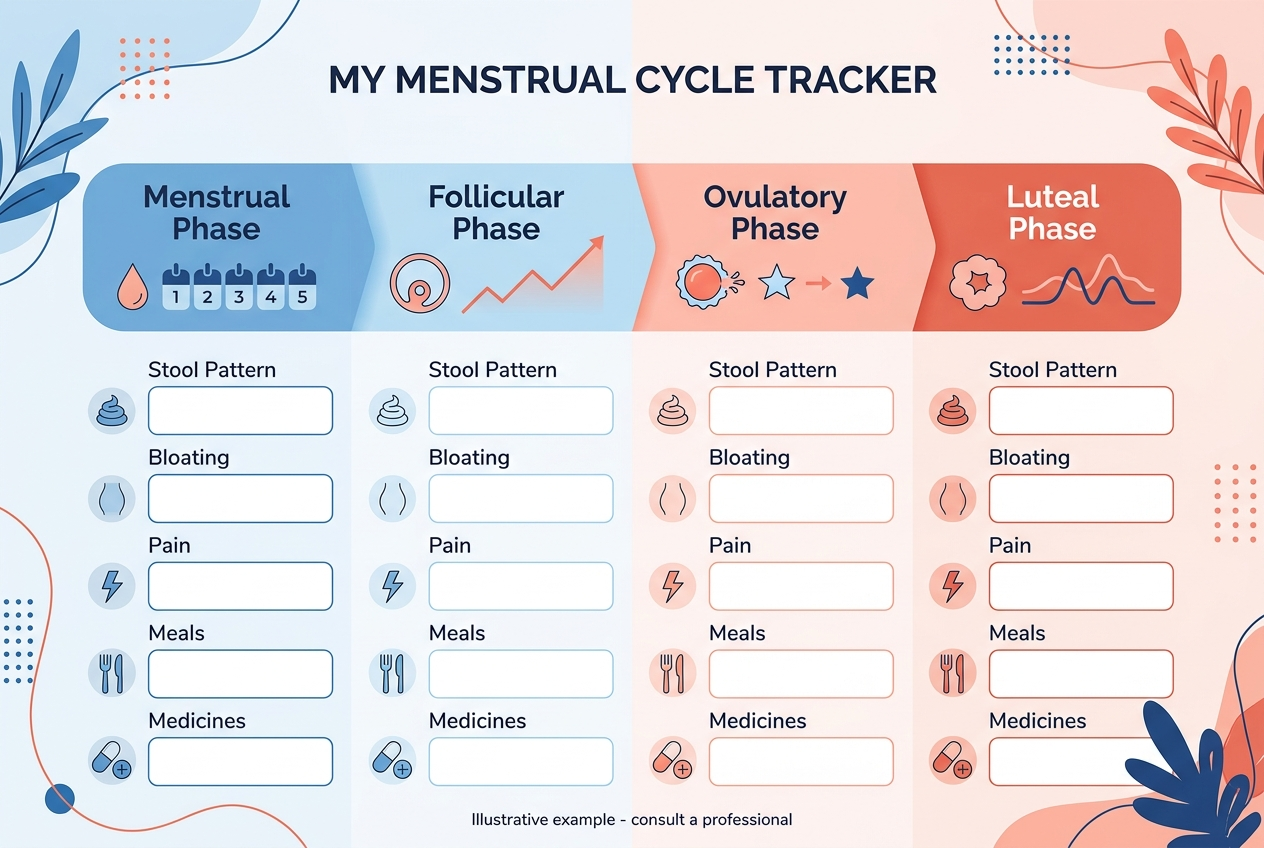
    Hormonal transition can affect bloating in the 40s because estrogen and progesterone influence fluid balance, bowel motility, and visceral sensitivity. Mayo Clinic notes that perimenopause can begin years before menopause and may include cycle changes, sleep disruption, and body changes (Mayo Clinic). Those shifts do not mean every bloating episode is hormonal, but they can change the background conditions around digestion. Progesterone can slow gastrointestinal movement for some people, and slower movement can make stool and gas feel more uncomfortable. Sleep disruption can also change meal timing, caffeine use, stress reactivity, and constipation risk. A useful pattern check compares bloating timing with menstrual cycle phase, sleep quality, bowel movements, and high-fermentation meals. Hormones can be part of the pattern without being the only cause, especially when symptoms cluster around predictable cycle windows. A cycle-aware log can make that pattern visible.

    What non-diet factors commonly increase bloating?

    Non-diet factors commonly increase bloating by changing motility, pressure, or gas perception. Reduced walking, strength training, or daily movement can slow bowel habits. New medications, including some acid reducers, iron, calcium, pain relievers, and antidepressants, can change constipation risk or upper-gut comfort. Stress can alter gut-brain signaling and make normal gas feel more intense. Eating speed can increase swallowed air. Carbonated drinks can add gas volume. Constipation can make the abdomen feel tight even when calories and food choices are unchanged. Pelvic floor coordination can also affect evacuation, which changes pressure after meals. A practical review should list the last three months of medication changes, sleep changes, exercise changes, travel, stress spikes, bowel frequency, and meal timing. That list often explains why a familiar diet suddenly feels unfamiliar after meals. The pattern may be behavioral, not dietary.

    When should bloating in your 40s be checked?

    Infographic showing motility, hormones, constipation, medications, stress, sleep, and movement as bloating factors after 40.
    Infographic showing motility, hormones, constipation, medications, stress, sleep, and movement as bloating factors after 40.

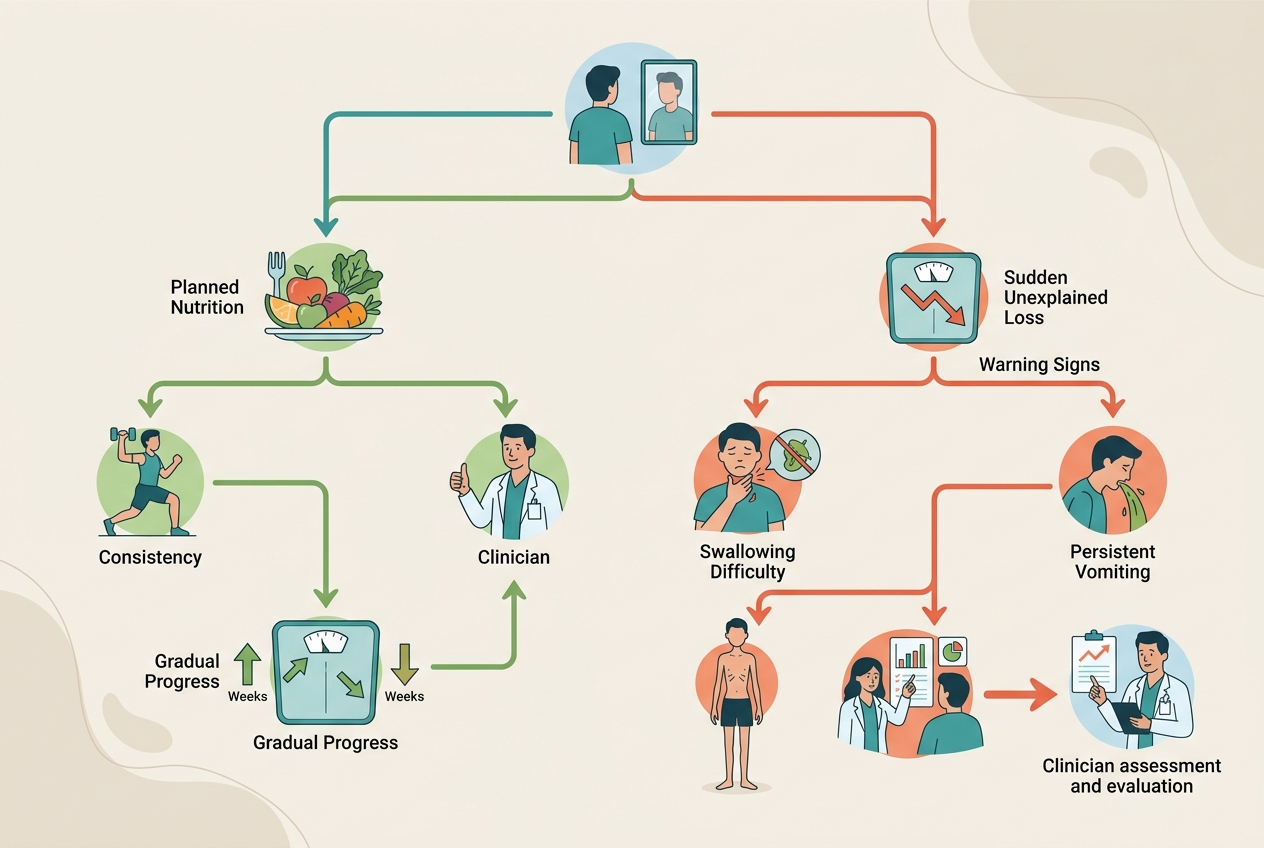
    Bloating in your 40s should be checked when it is new, persistent, severe, worsening, or paired with warning signs. The NIDDK lists symptoms such as blood in stool, vomiting, diarrhea, constipation, unexplained weight loss, and persistent abdominal pain as reasons to seek care for gas-related concerns (NIDDK). Sudden appetite loss, fever, anemia, black stools, repeated vomiting, trouble swallowing, or pain that wakes someone at night also deserves medical attention. Most bloating is not an emergency, but age should lower the threshold for a careful review when symptoms change without an obvious reason. A clinician can decide whether constipation care, food intolerance testing, medication review, pelvic floor evaluation, imaging, bloodwork, or endoscopy is appropriate. Self-tracking helps, but red flags need diagnosis, not guessing or online reassurance. Timely review protects against missed causes and delayed evaluation.

    What can you track before changing your diet?

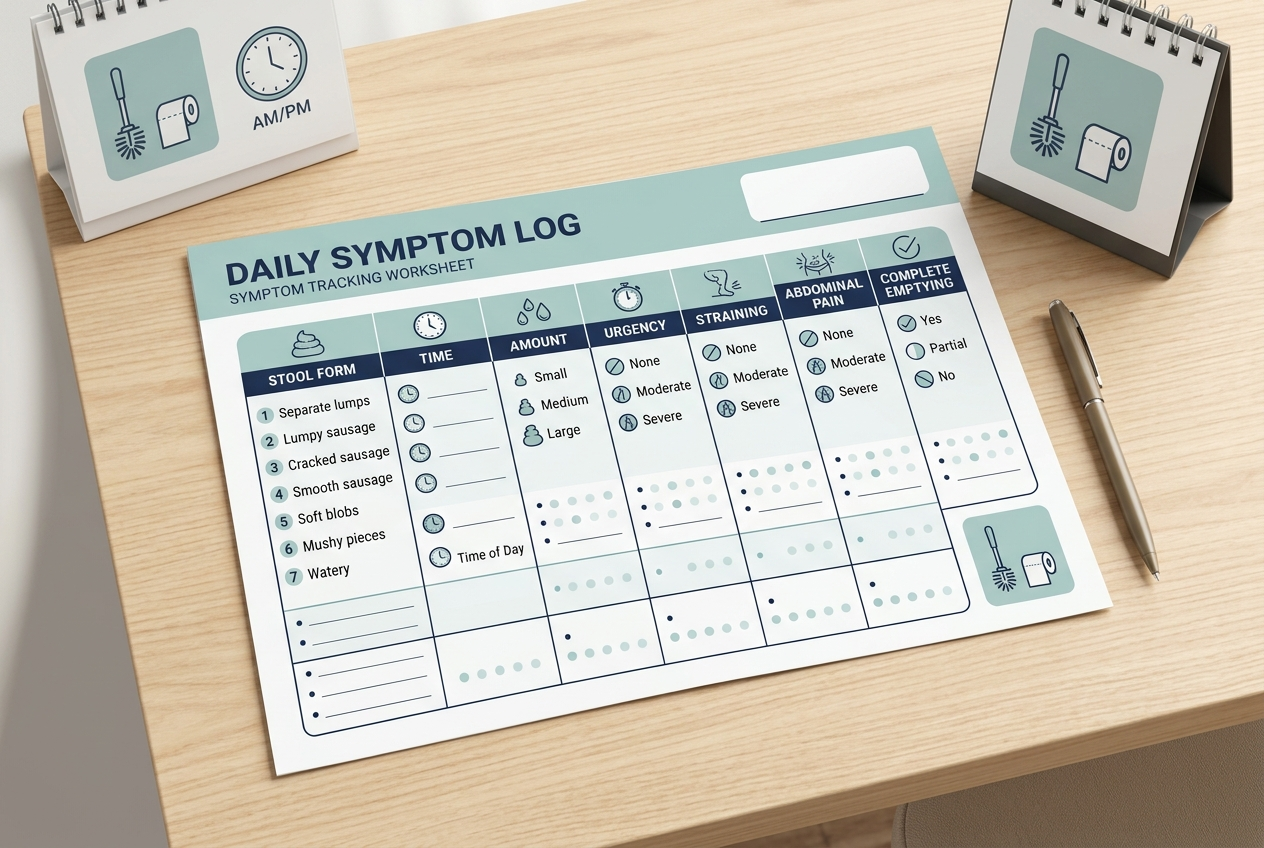
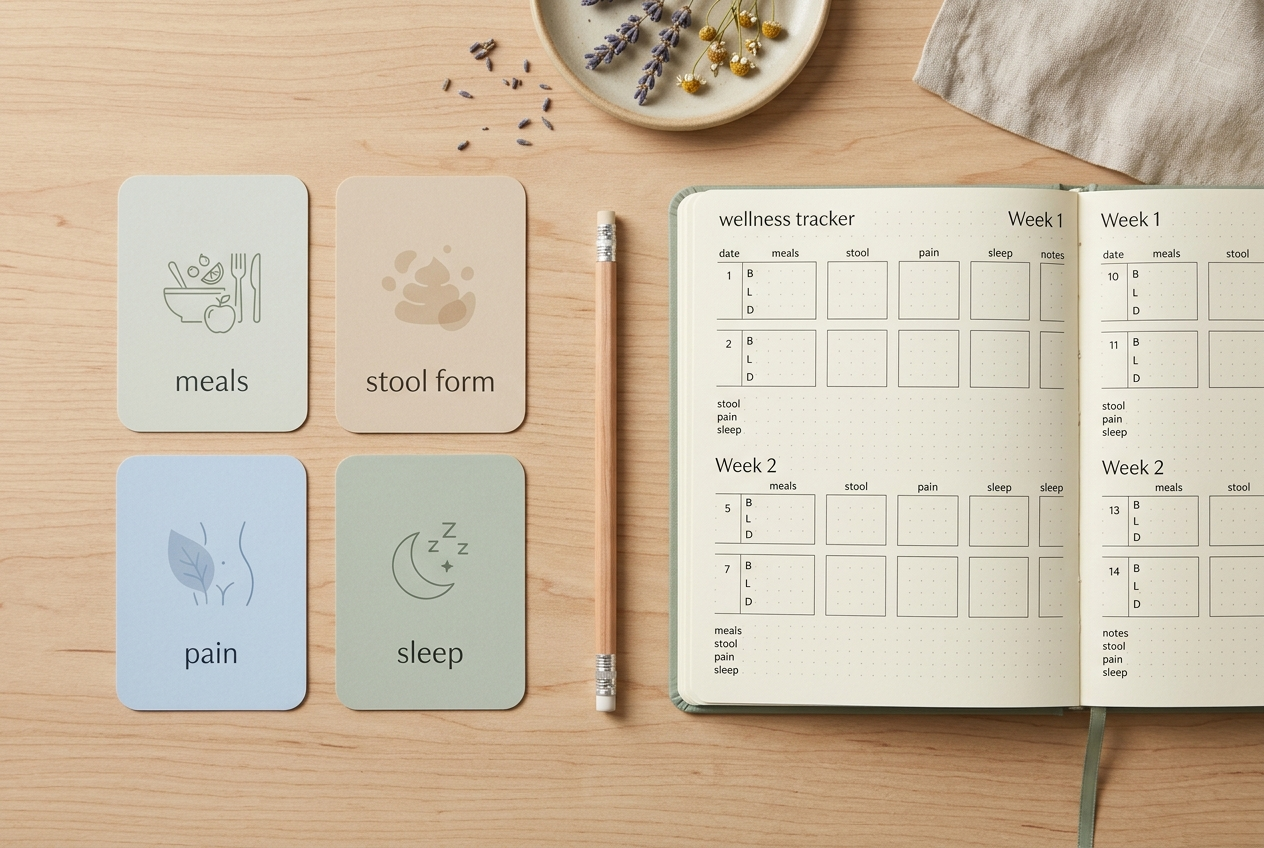
    Track bowel pattern, meal timing, and symptom timing before changing the whole diet. Record stool frequency, stool form, bloating severity, gas, abdominal pressure, menstrual cycle phase, sleep, movement, and medication timing for two weeks. Note high-fermentation meals that contain beans, onions, garlic, wheat, apples, stone fruit, dairy, sugar alcohols, or carbonated drinks. The goal is not to create a perfect food diary; the goal is to spot repeated triggers. If bloating is worse on low-movement days, motility may matter. If bloating is worse around certain cycle phases, hormones may matter. If bloating is worse after dairy, lactose may matter. If bloating is worse when stool frequency drops, constipation may matter. A clean log prevents unnecessary restriction and gives a clinician better information than memory alone. It also makes small experiments safer and more specific.

    What questions do people ask about bloating after 40?

    Can bloating increase during perimenopause?

    Yes, bloating can increase during perimenopause for some people. Hormonal shifts can interact with fluid balance, constipation tendency, sleep, and gut sensitivity.

    Can constipation cause a pregnant-looking belly?

    Yes, constipation can create abdominal pressure, trapped gas, and visible distension. Persistent or painful distension should be checked, especially when it is new.

    Can lactose intolerance appear later in life?

    Yes, lactose tolerance can change over time. A two-week dairy pattern check can help identify whether milk, ice cream, whey, or soft cheeses repeatedly match symptoms.

    Should I cut out all high-FODMAP foods?

    Not without a plan. Broad restriction can reduce diet quality, so a clinician or dietitian-guided approach is better for persistent symptoms.

    Are probiotics the first step for bloating after 40?

    Not always. Stool pattern, food triggers, medications, activity, and red flags should be reviewed before assuming a probiotic is the right first move.

    When is bloating urgent?

    Bloating is more urgent when it comes with severe pain, vomiting, blood in stool, black stools, fever, unexplained weight loss, anemia, or progressive worsening. Those symptoms need medical care.

    What is the practical next step?

    Start with a two-week pattern log instead of changing everything at once. Track stool frequency, bloating timing, cycle phase, activity, sleep, medications, dairy, carbonated drinks, and high-fermentation foods. If the log points to constipation, lactose, eating speed, or low movement, address that pattern first. If symptoms are severe, persistent, new, or paired with red flags, book a medical evaluation. The useful answer is usually not that the diet secretly changed; it is that the digestive context around the diet changed. That framing helps narrow the next step without turning a familiar diet into an unnecessary restriction project. Bring the log to a clinician if symptoms persist. It can shorten the conversation, reduce guesswork, and show whether the problem is stool pattern, food tolerance, medication timing, cycle timing, or something that needs testing soon safely.

  • What Is the Problem With Artificial Sweeteners If You Eat Well?

    What Is the Problem With Artificial Sweeteners If You Eat Well?

    Artificial sweeteners are not automatically harmful, but they are not nutritionally neutral for everyone. The main concerns are taste conditioning, digestive tolerance, sugar-alcohol gas, uncertain long-term weight-control benefit, and possible person-specific microbiome effects. A good diet can still include them, but intake pattern and sweetener type matter.

    How we evaluated artificial sweeteners?

    We evaluated artificial sweeteners by separating regulatory safety from nutrition strategy, because “allowed in food” and “useful for long-term diet quality” answer different questions. We prioritized FDA safety pages, WHO nutrition guidance, human trials, and peer-reviewed microbiome reviews over animal-only studies, influencer claims, or single anecdotes. We treated aspartame, sucralose, saccharin, acesulfame potassium, stevia glycosides, and sugar alcohols as different ingredients rather than one identical category. The limitation is that individual tolerance varies, so this article explains plausible mechanisms and evidence strength instead of predicting one person’s response. We also separated high-intensity sweeteners from polyols because sorbitol, maltitol, xylitol, and erythritol have different digestive behavior than aspartame or sucralose. That distinction matters when someone eats well but still notices gas, cravings, diarrhea, cramping, urgency, stool changes, or bloating after sugar-free products and drinks daily.

    What are artificial sweeteners and why are they used?

    Artificial sweeteners and other non-sugar sweeteners provide sweetness with little or no digestible sugar. Aspartame, sucralose, saccharin, acesulfame potassium, neotame, and advantame are high-intensity sweeteners that the FDA permits for specific food uses after safety review (FDA). Stevia-derived sweeteners and monk fruit extracts are often marketed as natural, but they still function as concentrated sweeteners. Sugar alcohols such as sorbitol, xylitol, erythritol, and maltitol are different because they contain calories and can reach the colon partly undigested. Food companies use these ingredients to lower sugar, reduce calories, support diabetic-friendly labeling, and preserve sweet taste. The tradeoff is that sweetness can remain high even when sugar drops, so a “good diet” can still train the palate toward very sweet foods and drinks over time repeatedly.

    Why might sweeteners bother digestion even when calories are low?

    Digestive effects depend on the ingredient. Sugar alcohols are the most common digestive culprit because sorbitol, mannitol, maltitol, and xylitol can pull water into the intestine and feed colonic fermentation. That process can produce gas, bloating, cramping, and loose stool, especially when someone eats multiple “sugar-free” candies, protein bars, gums, or drinks in one day. High-intensity sweeteners such as sucralose and aspartame are used in much smaller amounts, so they usually do not create the same osmotic load. However, products rarely contain only one sweetener; a diet soda, flavored yogurt, protein powder, and gum can create a repeated exposure pattern. The practical question is not whether the sweetener has calories. The useful question is whether that exact product, dose, and timing predict symptoms in a 7-day food and symptom log after meals consistently enough.

    What does research say about microbiome effects?

    Microbiome research shows caution, not a settled verdict. A 2022 randomized controlled trial in Cell reported that saccharin and sucralose changed glycemic responses in some participants, with microbiome patterns suggesting person-specific effects (Cell). The study used short-term exposure, healthy adults, and controlled sachets, so it should not be translated into a universal claim that every diet soda harms glucose control. A 2022 review in Frontiers in Nutrition concluded that non-nutritive sweeteners can interact with gut microbes, but human evidence remains mixed by sweetener, dose, host biology, and study design (PMC). The strongest statement is narrow: some sweeteners may affect some people differently. The weakest statement is broad: all artificial sweeteners ruin the microbiome. Evidence does not support that sweeping claim.

    Are artificial sweeteners useful for weight control?

    Food log beside sweetened foods and drinks for tracking artificial sweetener tolerance.
    Food log beside sweetened foods and drinks for tracking artificial sweetener tolerance.

    Artificial sweeteners can reduce sugar calories when they replace sugar-sweetened drinks or desserts without compensation elsewhere. The problem is that replacement does not guarantee long-term behavior change. In 2023, the World Health Organization advised against using non-sugar sweeteners as a weight-control strategy for the general population, based on evidence that long-term benefit was uncertain and observational studies linked higher intake with some cardiometabolic outcomes (WHO guideline). WHO also stated that the recommendation was not a toxicology safety update, which means it did not replace acceptable daily intake limits set by food-safety authorities. The practical interpretation is balanced: a diet soda may be a useful step away from regular soda, but a high-sweetness diet should not be the entire plan. Water, unsweetened tea, fruit, and less-sweet staples still matter.

    How can a good diet still include them wisely?

    A good diet can include artificial sweeteners when they solve a specific problem and do not crowd out minimally sweet foods. The best use case is targeted substitution: replacing a sugar-heavy drink, reducing added sugar in coffee, or choosing a lower-sugar yogurt while keeping protein, fiber, and whole-food intake stable. The weakest use case is constant sweetness exposure from morning coffee syrup, diet soda, flavored protein powder, sugar-free candy, chewing gum, and dessert substitutes. That pattern can preserve cravings even when calories drop. A simple audit helps: list every sweetened item for three days, mark the sweetener type, and note timing. If symptoms or cravings cluster around sugar alcohols, large servings, or constant sweet taste, reduce frequency before declaring all sweeteners bad. The dose pattern usually explains more than the label category itself does.

    FAQ?

    Are artificial sweeteners toxic?

    FDA-approved high-intensity sweeteners have acceptable daily intake limits and safety reviews for permitted food uses. Toxicity claims should be separated from questions about appetite, gut tolerance, and long-term nutrition strategy.

    Is stevia different from artificial sweeteners?

    Stevia-derived sweeteners come from plant compounds, but they still deliver intense sweetness without meaningful nutrition. The body may treat “natural” and synthetic sweet taste differently by compound, dose, and product context.

    Why do sugar-free foods cause gas?

    Sugar alcohols such as sorbitol, maltitol, and xylitol can reach the colon and be fermented by bacteria. That fermentation can produce gas and bloating, especially at higher servings.

    Should I stop diet soda if I eat well?

    Not automatically. If diet soda helps you avoid sugar-sweetened soda and causes no symptoms, it may be a reasonable bridge. If it maintains constant sweet cravings or replaces water all day, reduce frequency.

    Do artificial sweeteners harm the microbiome?

    Some human studies show sweetener-specific and person-specific microbiome changes, but the evidence is not uniform. The most accurate answer is that effects may vary by sweetener, dose, baseline microbiome, and diet pattern.

    What is the simplest test?

    Remove sugar alcohol-heavy foods and drinks for seven days while keeping the rest of the diet stable. If gas, bloating, or cravings improve, reintroduce one product at a time to identify the trigger.

    What is the bottom line?

    Artificial sweeteners are a tool, not a free pass or a poison category. A person eating a good diet should judge them by purpose, dose, tolerance, and frequency. Occasional use to reduce added sugar is different from constant sweet-taste exposure all day. If digestion feels worse, start with sugar alcohols and product stacking before blaming every non-sugar sweetener. If weight control is the goal, use sweeteners as a transition while building less-sweet default drinks and foods. If blood sugar, pregnancy, migraine, phenylketonuria, or gastrointestinal symptoms affect the decision, a clinician or registered dietitian can personalize the advice. The most defensible strategy is simple: reduce added sugar, keep total sweetness moderate, prioritize whole foods, and track your own response across real meals, not isolated headlines or fear-based posts online about one ingredient alone today either.


  • Why Do I Get Bloating and Gas While I’m Still Eating?

    Why Do I Get Bloating and Gas While I’m Still Eating?

    Bloating and gas while you are still eating can happen when swallowed air, fast eating, carbonated drinks, high-fermentation foods, delayed stomach emptying, constipation, or gut-brain sensitivity create pressure before the meal is finished. Pattern tracking matters because the trigger is not the same for everyone.

    How did we evaluate bloating and gas while eating?

    We evaluated this question by separating common physiology from red-flag symptoms and supplement marketing. NIDDK, Mayo Clinic, and Cleveland Clinic references received more weight than anecdotal forum explanations because they distinguish swallowed air, fermentation, constipation, motility, and medical evaluation. We excluded claims that one food, one test, or one supplement explains every bloating pattern. The main limitation is that bloating is a symptom description, not a diagnosis, so the safest answer focuses on timing, meal context, stool pattern, and clinician review when symptoms are severe, new, or persistent.

    Why can bloating start before a meal is finished?

    Bloating can start during a meal because the digestive tract responds before food reaches the colon. Swallowed air enters the stomach when a person eats quickly, talks while chewing, drinks through a straw, chews gum, or uses carbonated drinks. The NIDDK explains that gas comes from swallowed air and bacterial breakdown of carbohydrates. Stomach stretching can also create pressure signals during a large meal, especially when fat, alcohol, or stress slows normal movement. Some people feel pressure earlier because visceral hypersensitivity makes ordinary gas or stretching feel more intense. Fermentable carbohydrates usually create more gas later, but meal timing can overlap when breakfast, lunch, snacks, and constipation keep the gut already loaded. The key clue is timing: immediate pressure points toward air, stomach distension, or sensitivity, while delayed gas points more toward fermentation.

    What meal patterns make immediate bloating more likely?

    Immediate bloating becomes more likely when meal speed, volume, beverage choice, and food texture increase stomach pressure. Large meals stretch the stomach more than smaller meals, and carbonated beverages add gas directly before digestion begins. High-fat meals can slow gastric emptying, so pressure can linger longer after the first bites. Wheat, onions, beans, apples, milk, sugar alcohols, and some protein bars can add fermentable carbohydrate load, although fermentation usually shows up later. The NIDDK IBS diet guidance notes that certain carbohydrates can trigger gas and bloating in sensitive people. Constipation also matters because stool retention can reduce room in the colon and make normal meal-related reflexes feel stronger. A useful pattern log records meal size, eating speed, carbonation, dairy, wheat, onions, beans, stool frequency, and symptom timing.

    How can you tell swallowed air from food fermentation?

    Swallowed air usually creates upper-abdominal fullness, burping, pressure, or discomfort during the meal or shortly afterward. Food fermentation usually creates lower-abdominal gas, rumbling, flatus, or distension several hours later, although overlapping meals can blur that timeline. Mayo Clinic describes gas and gas pains as common and often related to swallowed air or food breakdown, but persistent or severe symptoms deserve evaluation (Mayo Clinic). The practical test is not perfect, but it is useful: slow the meal, skip carbonation, avoid straws, and eat smaller portions for several days. If immediate pressure drops, swallowed air or stomach distension was probably part of the pattern. If symptoms remain tied to specific carbohydrates hours later, fermentation or intolerance becomes more plausible. If stool frequency is low, constipation can amplify both patterns.

    What should you track before changing your diet?

    Infographic showing swallowed air, carbonation, meal size, constipation, and fermentation as bloating timing factors.
    Infographic showing swallowed air, carbonation, meal size, constipation, and fermentation as bloating timing factors.

    Track timing, location, stool pattern, meal details, and repeatability before removing broad food groups. A simple two-week log should record the first symptom minute, upper versus lower pressure, burping, flatus, stool frequency, stool form, carbonation, meal speed, dairy, wheat, onions, beans, garlic, fruit, protein powders, and sugar alcohols. Cleveland Clinic notes that bloating can reflect gas, digestive contents, or visceral sensitivity, and evaluation depends on the pattern (Cleveland Clinic). The goal is to find a reproducible signal, not to create a fear list. Change one variable at a time: meal pace, carbonation, portion size, lactose, or high-FODMAP foods. A broad elimination diet can hide the actual trigger and make eating more stressful. A log also helps a clinician decide whether testing for lactose intolerance, celiac disease, constipation, reflux, or other causes is reasonable.

    When is bloating while eating worth medical attention?

    Bloating while eating is worth medical attention when it is new, worsening, severe, persistent, or paired with warning signs. Red flags include vomiting, blood in stool, black stool, fever, unexplained weight loss, progressive trouble swallowing, persistent diarrhea, severe pain, anemia, or symptoms that wake someone at night. People with pregnancy, immune compromise, recent abdominal surgery, inflammatory bowel disease history, or major medication changes should also use a lower threshold for care. Most meal-related gas is not an emergency, but repeated early fullness can sometimes point to motility issues, constipation, reflux patterns, or other conditions that need evaluation. A clinician can review diet logs, stool patterns, medications, and basic tests without guessing from one symptom. The safest rule is simple: mild and pattern-based symptoms can be tracked; intense or escalating symptoms should be assessed.

    What practical steps can reduce bloating during meals?

    Start with low-risk changes that reduce air, pressure, and overload. Eat more slowly, chew fully, avoid straws, pause carbonated drinks, and reduce very large meals for one week. Keep posture upright during and after meals, and avoid stacking heavy snacks close together if symptoms appear before dinner. If constipation is present, address stool regularity with hydration, fiber tolerance, movement, and clinician guidance rather than only removing foods. If lactose seems likely, compare lactose-containing and lactose-free meals without changing five other variables. If high-FODMAP foods seem likely, use a structured approach rather than permanent restriction. These steps do not diagnose the cause, but they make the pattern easier to read. If the pattern points toward supplement comparison later, a separate buying guide can compare digestive support options without replacing medical evaluation.

    What questions do people ask about bloating while eating?

    Can gas happen before food reaches the colon?

    Yes. Swallowed air can create gas pressure in the stomach during the meal. Fermentation usually happens later, but overlapping meals and constipation can make timing confusing.

    Does immediate bloating mean a food intolerance?

    Not automatically. Immediate bloating can reflect air swallowing, carbonation, meal size, stomach stretching, stress physiology, or sensitivity. A repeatable pattern is stronger evidence than one uncomfortable meal.

    Can eating too fast cause bloating?

    Yes. Fast eating can increase swallowed air and make large portions easier to overeat. Slower meals are a low-risk first test.

    Should I cut out gluten first?

    Not without a reasoned pattern or clinician guidance. Gluten, wheat fructans, meal size, carbonation, lactose, and constipation can create similar symptoms, so broad restriction can confuse the signal.

    Can constipation make meals feel bloating sooner?

    Yes. Constipation can increase baseline pressure and make normal meal reflexes feel stronger. Stool frequency and stool form belong in the symptom log.

    What if bloating happens with severe pain?

    Severe pain, vomiting, blood, fever, weight loss, or worsening symptoms should be evaluated. A self-tracking plan is not enough for red-flag patterns.

    What is the bottom line?

    Bloating and gas while eating usually needs pattern analysis, not panic. Start by reducing swallowed air, carbonation, large meals, and rushed eating while tracking stool pattern and symptom timing. If the pattern persists, worsens, or includes red flags, bring a two-week log to a clinician instead of guessing from one meal.

  • Can Lactose Intolerance Come Back? Why Symptoms Can Return

    Can Lactose Intolerance Come Back? Why Symptoms Can Return

    Lactose intolerance can come back when lactase activity drops with age, dairy intake increases beyond personal tolerance, or the small intestine is irritated after infection, celiac disease, surgery, or another injury. Symptoms usually reflect lactose malabsorption, not a new allergy. A clinician can confirm the pattern with history, diet response, or breath testing.

    How did we evaluate whether lactose intolerance can return?

    We evaluated lactose intolerance by separating lactase biology, symptom timing, food-dose patterns, and medical red flags. NIDDK materials on lactose intolerance were prioritized because the agency distinguishes lactase nonpersistence, lactose malabsorption, and secondary lactose intolerance. Peer-reviewed reviews in Nutrients and PMC-indexed gastroenterology literature were used for mechanisms, while MedlinePlus Genetics was used for lactase persistence inheritance and LCT gene context. We weighted human digestive physiology and clinical diagnostic guidance above brand content, diet culture claims, social-media protocols, and anecdotal tolerance stories. We excluded forum anecdotes, single-product claims, unverified elimination-diet rules, and allergy-focused sources because symptom return can reflect lactose amount, gut sensitivity, temporary small-intestine injury, or another digestive condition rather than permanent enzyme loss. This article does not diagnose lactose intolerance; it explains the pattern a clinician may evaluate with medical-source clinical editorial context.

    Can lactose intolerance come back after years without symptoms?

    Lactose intolerance can return after years without symptoms because lactase activity can decline gradually, dairy habits can change suddenly, or temporary small-intestine irritation can reduce lactose digestion. The NIDDK explains that lactase nonpersistence is the most common reason adults make less lactase over time. Secondary lactose intolerance can occur after small-intestine injury, infection, celiac disease, Crohn’s disease, or surgery involving the small intestine. A person may tolerate yogurt, hard cheese, or small milk servings for years and then react when total lactose intake rises. Lactose intolerance does not equal milk allergy because lactose intolerance involves carbohydrate digestion and milk allergy involves immune proteins. The key pattern is timing: gas, bloating, cramps, or loose stool often appears within hours after lactose-containing foods. A recurring pattern deserves medical review when weight loss, bleeding, fever, anemia, or night symptoms appear.

    Why can symptoms change even if the same dairy food used to feel fine?

    Symptoms can change because lactose dose, meal composition, gut transit speed, and colonic fermentation all influence tolerance. Milk contains more lactose per serving than most hard cheeses, while yogurt cultures may help digest some lactose before or during digestion. A PMC-indexed review on lactose malabsorption notes that lactose malabsorption and lactose intolerance are related but not identical; symptoms require both unabsorbed lactose and a symptom response in the colon. Gut infections, antibiotics, high-FODMAP meals, stress-related gut sensitivity, and faster intestinal transit can make the same dairy serving feel different. Genetics also matters: MedlinePlus Genetics reports that lactase nonpersistence reflects reduced LCT gene activity after infancy in many populations. The practical test is consistency. If symptoms repeat after milk, ice cream, soft cheese, or whey-heavy foods, lactose may be part of the pattern; if symptoms occur without dairy, another trigger may be involved.

    How can someone tell lactose intolerance from a temporary digestive flare?

    Someone can compare timing, dose, and repeatability before assuming lactose intolerance has permanently returned. Lactose-related symptoms usually follow a lactose-containing food, increase with larger portions, and improve when lactose intake drops for several days. A temporary digestive flare may cause symptoms after many foods, especially after gastroenteritis, antibiotics, high-fat meals, alcohol, or high-FODMAP foods. NIDDK diagnosis guidance notes that clinicians may use symptom history, family history, eating patterns, or lactose hydrogen breath testing when the pattern is unclear. A simple food log should record the food, lactose amount, time eaten, symptom onset, and symptom severity. Lactose-free milk is a useful comparison because it keeps dairy proteins and fat similar while removing lactose. If lactose-free milk still causes symptoms, the issue may involve milk protein sensitivity, fat tolerance, reflux overlap, IBS, or another digestive process rather than lactose alone.

    What foods contain enough lactose to trigger symptoms?

    Diagram showing how lactose can move through digestion and trigger symptoms.
    Diagram showing how lactose can move through digestion and trigger symptoms.

    Milk, ice cream, soft cheeses, evaporated milk, condensed milk, whey ingredients, and some creamy sauces contain enough lactose to trigger symptoms in sensitive people. Hard cheeses such as cheddar, parmesan, and Swiss usually contain less lactose because fermentation and whey removal reduce lactose content. Yogurt varies because live cultures can lower lactose, but sweetened yogurt, Greek-style products, and heat-treated products differ by brand and process. The NIDDK advises checking ingredient lists because lactose can appear in processed foods, baked goods, protein powders, and medications as lactose monohydrate. Dose matters more than the category name. Some adults tolerate a small amount of lactose with meals but react to a large milkshake or multiple dairy servings in one day. People who suspect recurrence should compare portion size, frequency, and food form before removing all dairy long term.

    When should recurring lactose symptoms be checked medically?

    Recurring lactose symptoms should be checked when symptoms are severe, new after age 50, unrelated to dairy, or paired with alarm signs such as unintentional weight loss, blood in stool, persistent vomiting, anemia, fever, or nighttime diarrhea. Lactose intolerance is common, but it should not become a catch-all explanation for every digestive symptom. Secondary lactose intolerance can follow small-intestine injury, and the underlying issue may need attention before tolerance improves. Johns Hopkins Medicine notes that lactose intolerance and IBS can overlap because both can cause bloating, gas, cramps, and diarrhea after meals. A clinician may evaluate celiac disease, inflammatory bowel disease, infection, medication effects, gallbladder issues, or pancreatic problems when the story does not fit simple lactose malabsorption. The safest approach is pattern tracking plus medical review when the pattern changes sharply or does not respond to reasonable lactose reduction.

    What questions do people ask about lactose intolerance returning?

    Can lactose intolerance disappear and then come back?

    Yes. Symptoms can fade when lactose intake is low, gut irritation resolves, or the person chooses lower-lactose foods, then return when lactose dose rises or digestion changes. The underlying lactase level may still be limited.

    Is returning lactose intolerance the same as a dairy allergy?

    No. Lactose intolerance involves lactase and lactose malabsorption, while milk allergy involves an immune reaction to milk proteins. Hives, swelling, wheezing, or anaphylaxis needs urgent medical guidance.

    Can a stomach bug make lactose intolerance worse?

    Yes. A gastrointestinal infection can irritate the small intestine and temporarily reduce lactose digestion. NIDDK describes this pattern as secondary lactose intolerance when small-intestine injury lowers lactase activity.

    Does A2 milk fix lactose intolerance?

    No. A2 milk changes the beta-casein protein type, but it still contains lactose unless labeled lactose-free. Someone with lactose malabsorption can still react to ordinary A2 milk.

    Can adults suddenly become lactose intolerant?

    Yes. Adult symptoms can appear gradually as lactase activity declines or suddenly after illness, medication disruption, or higher lactose intake. A repeatable dairy-linked pattern matters more than one bad meal.

    Is lactose-free milk a useful test?

    Yes, as a home comparison. Lactose-free milk keeps many dairy features similar while reducing lactose, so symptom improvement can support a lactose-related pattern. Persistent symptoms after lactose-free milk suggest another trigger.

    Should everyone avoid dairy if lactose intolerance comes back?

    No. Many people tolerate small servings, hard cheese, yogurt with live cultures, or lactose-free dairy. The goal is matching lactose dose to tolerance while protecting overall nutrition.

    For a detailed comparison of specific products and strains, see Align and Lactose Intolerance: Which Probiotic Options Make the Most Sense to Compare?.

    For a detailed comparison of specific products and strains, see Lactose Intolerance: Lactase Pills, Lactose-Free Dairy, and Clean-Label Options Compared.

    What is the bottom line on lactose intolerance coming back?

    Lactose intolerance can come back, but the cause is usually explainable: lower lactase activity, more lactose exposure, temporary small-intestine irritation, or another digestive condition that mimics lactose symptoms. A structured food log gives the clearest first signal because it connects lactose dose, symptom timing, and repeatability. Lactose-free milk can isolate lactose while keeping dairy proteins and fat similar enough for a useful comparison. Medical review matters when symptoms appear suddenly, occur without dairy, or include alarm signs. The practical next step is not lifelong restriction after one bad meal; the practical next step is confirming the pattern, choosing lower-lactose foods when useful, and getting checked when the symptom story does not fit ordinary lactose malabsorption. That sequence protects nutrition, avoids unnecessary fear around all dairy, and keeps more serious digestive causes from hiding behind an easy label.

    Image prompts:

    • Hero image: A neutral educational kitchen scene with a glass of milk, yogurt, hard cheese, and a simple lactose molecule sketch on a notepad, natural daylight, no branding. Alt text: Milk, yogurt, and cheese beside a lactose digestion note.
    • In-article image: A clean infographic-style scene showing a timeline from dairy intake to digestion, small intestine, colon fermentation, and symptoms, medically neutral, no brand names. Alt text: Diagram showing how lactose can move through digestion and trigger symptoms.

  • Do Probiotics Help With More Than Digestion?

    Do Probiotics Help With More Than Digestion?

    Yes, probiotics can help with more than digestion, but the effect depends on the strain, dose, and outcome being measured. Specific probiotics may influence immune signaling, gut-barrier function, mood-related pathways, skin physiology, and metabolic markers. The evidence is strongest when human trials test named strains, not when claims refer to probiotics as one generic category.

    How did we evaluate probiotics beyond digestion?

    We evaluated probiotics by separating named strains from broad category claims, because Lactobacillus rhamnosus GG, Bifidobacterium longum 1714, and Saccharomyces boulardii CNCM I-745 do not create identical effects. Human randomized controlled trials, systematic reviews, and consensus definitions carried more weight than animal studies, in-vitro experiments, or microbiome theory. The International Scientific Association for Probiotics and Prebiotics consensus statement defines probiotics as live microorganisms that confer a health benefit when administered in adequate amounts, and that definition requires a measurable host outcome, not just bacterial survival (Hill et al., 2014). We excluded claims that relied only on vague microbiome balance language, detox wording, or before-and-after anecdotes. The main limitation is that probiotic research uses different strains, doses, study lengths, and populations, so a result from one trial does not automatically transfer to another research context.

    What counts as a probiotic effect beyond digestion?

    A probiotic effect beyond digestion counts when a live strain changes a measurable pathway outside bowel comfort, stool frequency, or gas. The gut-associated lymphoid tissue connects intestinal microbes with immune cells, and short-chain fatty acids connect microbial activity with epithelial barrier signaling. The vagus nerve, tryptophan metabolism, and inflammatory cytokines connect the gut microbiome with brain-related pathways. Sebum composition, skin barrier markers, oral microbial balance, and blood-lipid markers also appear in probiotic trials, although those areas have less consistent evidence than digestive outcomes. The National Center for Complementary and Integrative Health states that different probiotic microorganisms may have different effects, which is the core reason strain specificity matters (NCCIH). A credible non-digestive claim identifies the strain, dose in colony-forming units, study duration, and measured endpoint. A weak claim says “supports whole-body wellness” without naming the mechanism or the outcome.

    How can probiotics influence immune function?

    Probiotics can influence immune function by interacting with intestinal epithelial cells, dendritic cells, secretory IgA, and cytokine signaling. Lactobacillus and Bifidobacterium strains do not “boost” immunity in a simple upward direction; they may modulate immune responses by changing microbial metabolites, barrier integrity, or immune-cell communication. A 2022 Cochrane review of probiotic trials for upper-respiratory outcomes reported beneficial signals, but the authors also noted variation in strain, dose, and study quality (Zhao et al., 2022). That evidence is stronger than general wellness marketing, yet it is not a universal guarantee for every delivery format, fermented food, or study population. The practical takeaway is narrow: immune-related evidence exists for some tested probiotic strains under specific trial conditions. A person comparing options should look for named organisms such as Lactobacillus casei Shirota or Lactobacillus rhamnosus GG, not just the total CFU count.

    Can probiotics affect mood or stress pathways?

    Probiotics can affect mood or stress pathways through the gut-brain axis, but the evidence remains directional rather than settled. The microbiome can influence tryptophan availability, gamma-aminobutyric acid signaling, cortisol patterns, inflammatory markers, and vagus-nerve communication. A 2019 systematic review and meta-analysis in Neuroscience & Biobehavioral Reviews analyzed controlled clinical trials of prebiotics and probiotics for depression and anxiety symptoms and found mixed effects, with stronger signals for probiotics than prebiotics in some analyses (Liu et al., 2019). Those results do not mean probiotics replace mental-health care, sleep, therapy, exercise, or nutrition. They mean selected strains may interact with biological pathways that researchers can measure in adult populations. The most careful interpretation is this: psychobiotic research is plausible, active, and strain-specific, but a mood-related claim needs human data and a defined endpoint before it deserves confidence.

    Do probiotics help skin, oral, or metabolic markers?

    Probiotics may affect skin, oral, or metabolic markers, but these areas usually have more preliminary evidence than digestive or immune research. Skin studies often examine barrier hydration, transepidermal water loss, inflammatory signaling, or acne-related microbial balance. Oral studies may track Streptococcus mutans, gingival markers, breath compounds, or plaque ecology. Metabolic studies may track fasting glucose, insulin sensitivity, LDL cholesterol, triglycerides, or waist measurements. These endpoints matter because the gut microbiome communicates with bile-acid metabolism, immune mediators, and epithelial barriers. However, the field still has a strain-transfer problem: Lactobacillus reuteri DSM 17938, Lactobacillus plantarum 299v, and Bifidobacterium lactis HN019 are different biological inputs. A small skin trial cannot prove a broad metabolic claim. A responsible reading says probiotics can influence non-digestive markers, while the confidence level depends on the exact strain, population, trial size, and measured endpoint.

    What do people get wrong about probiotic benefits?

    People often get probiotic benefits wrong by treating “more CFUs” as the same thing as better evidence. A 50-billion-CFU blend can be less relevant than a lower-dose strain with human trial data for the outcome being targeted. People also confuse fermented foods with probiotics; yogurt, kefir, kimchi, sauerkraut, and kombucha may contain live microbes, but a food is not automatically a probiotic unless the organism is identified and linked to a health benefit at an adequate amount. Another common mistake is expecting permanent colonization. Many probiotic strains act while they are consumed, then decline after intake stops. The smartest expectation is functional and modest: a probiotic may help nudge a specific pathway under the right conditions. It should not be framed as a body-wide reset, a detox shortcut, or a substitute for fiber, sleep, movement, and medical guidance.

    How should someone judge a probiotic for non-digestive goals?

    Visual guide showing how specific probiotic strains may connect with non-digestive body systems.
    Visual guide showing how specific probiotic strains may connect with non-digestive body systems.

    Someone should judge a probiotic for non-digestive goals by matching the strain to the goal, then checking dose, viability, study duration, and safety context. The label should list genus, species, and strain, such as Lactobacillus rhamnosus GG or Bifidobacterium animalis subsp. lactis BB-12, not only “Lactobacillus blend.” The dose should state colony-forming units through the expiration date, not only at manufacturing. The evidence should name the endpoint: secretory IgA, respiratory-day count, perceived stress score, skin hydration, LDL cholesterol, or another measurable marker. Storage instructions should match the strain’s stability profile. Healthy adults usually tolerate common probiotic strains well, but premature infants, severely immunocompromised people, and people with central venous catheters need clinician guidance because live microbes can carry rare safety risks. A good probiotic decision starts with specificity, evidence, context, and realistic expectations, not hype.

    Do all probiotic strains support the same body systems?

    No, all probiotic strains do not support the same body systems. Genus and species names give only partial information, because strain-level genetics shape adhesion, acid tolerance, metabolite production, immune signaling, and survival through the gastrointestinal tract. Lactobacillus rhamnosus GG, Lactobacillus reuteri DSM 17938, Lactobacillus plantarum 299v, Bifidobacterium longum 35624, and Saccharomyces boulardii CNCM I-745 are separate organisms with separate research histories. A claim attached to one strain should not be transferred to a different strain just because both names begin with Lactobacillus or Bifidobacterium. Multi-strain blends create another layer of uncertainty because interactions can change viability or biological activity after manufacturing and during storage before use. The best question is not “Do probiotics work?” The better question is “Which strain, at what dose, for which measurable outcome, in which population?” That framing keeps expectations honest.

    How long does it take to notice non-digestive probiotic effects?

    Non-digestive probiotic effects usually require consistent intake for several weeks, because immune signaling, barrier markers, lipid markers, and perceived-stress scores do not change like a stimulant effect. Many human trials use four, eight, or twelve weeks as the observation window, although digestive changes may appear sooner in some people. A reasonable self-check uses one target, one stable routine, and one simple metric, such as respiratory-season sick days, skin hydration notes, perceived stress score, or fasting lipid panel timing. Changing diet, sleep, fiber intake, and other routine variables at the same time makes the probiotic impossible to judge accurately. If nothing changes after the trial-like window on a strain-matched intake pattern, the conclusion should be practical rather than dramatic: that specific probiotic may not be the right match for that specific goal. Consistency matters, but specificity matters more.

    Are fermented foods the same as probiotics?

    Fermented foods are not automatically the same as probiotics. Fermentation means microbes transformed a food through processes such as lactic-acid production, while probiotic status means a specific live organism has evidence for a health benefit at an adequate amount. Yogurt with listed live cultures may come closer to that standard than shelf-stable sauerkraut that was heat-treated after fermentation. Kefir, kimchi, miso, tempeh, kombucha, and sourdough can add microbial exposure, flavor compounds, organic acids, and dietary variety, but their strains and viable counts can vary widely. Fermented foods still fit a gut-supportive eating pattern because they often pair with fiber, polyphenols, minerals, or protein. The cleanest distinction is simple: fermented food describes a process; probiotic describes a tested live microbe with a defined benefit. Both can be useful, but they should not be treated as identical.

    Can probiotics replace sleep, fiber, exercise, or medical care?

    Probiotics cannot replace sleep, fiber, exercise, or medical care. A probiotic strain can influence microbial ecology or host signaling, but it cannot compensate for chronically low fiber intake, heavy alcohol intake, severe sleep restriction, unmanaged stress, or a condition that needs diagnosis. Fiber feeds resident microbes and supports short-chain fatty acid production; exercise influences insulin sensitivity, circulation, and inflammatory balance; sleep supports immune regulation and hormonal rhythm. Those foundations affect the same systems that probiotic researchers often measure. A probiotic works best as one input in a stable routine, not as a rescue tool after the rest of the routine collapses repeatedly over time. Basic routines remain the foundation. People with persistent symptoms, major mood changes, unexplained weight loss, blood in stool, fever, or immune compromise should use clinical guidance instead of self-experimenting with live microbes.

    For a detailed comparison of specific products and strains, see Prebiotics vs Probiotics: Which One Makes More Sense for Your Routine?.

    For a detailed comparison of specific products and strains, see What Else Can I Do to Improve My Gut Health? The Smartest Next Steps to Compare.

    For a detailed comparison of specific products and strains, see ACV, Lemon, and Betaine HCl for Digestion: Which Option Fits Best?.

    Who should be careful with probiotics?

    Most healthy adults tolerate common probiotics, but some groups should be careful because live microorganisms are biologically active. Premature infants, severely immunocompromised people, people with central venous catheters, and people recovering from major surgery have higher safety concerns than the average adult. The NCCIH notes that severe or fatal infections have been reported in premature infants given probiotics, and the U.S. Food and Drug Administration has warned health care providers about that risk. People with complex medical histories should ask a clinician whether a live microbe, spore-forming strain, or yeast such as Saccharomyces boulardii is appropriate. Safety also depends on quality control, strain identity, storage, and contamination testing. A cautious approach does not mean probiotics are unsafe for everyone. It means the risk-benefit calculation changes when immune defenses or medical devices change the host environment.

  • Why Was I Prescribed an Antidepressant for GERD?

    Why Was I Prescribed an Antidepressant for GERD?

    Antidepressants are sometimes prescribed for GERD-like symptoms because low-dose neuromodulators can reduce esophageal pain sensitivity, reflux hypersensitivity, functional heartburn, or gut-brain signaling when acid suppression alone does not explain symptoms. The prescription does not necessarily mean the clinician thinks the reflux is “all in your head.”

    How did we evaluate antidepressants for GERD-like symptoms?

    We evaluated this topic through gastroenterology guidelines, esophageal testing references, and clinical trials on functional heartburn and reflux hypersensitivity. We prioritized American College of Gastroenterology guidance, PubMed-indexed trials, and physiology-based explanations over forum anecdotes or medication marketing. We excluded personal dosing advice because antidepressants, proton pump inhibitors, H2 blockers, and anxiety medications require individualized prescribing. The key distinction is clinical: classic GERD involves abnormal reflux burden, while reflux hypersensitivity and functional heartburn involve symptom perception, nerve signaling, or symptom association with normal acid exposure.

    Why would a GERD clinician prescribe an antidepressant?

    A clinician may prescribe a low-dose antidepressant for GERD-like symptoms when reflux testing, endoscopy, PPI response, and symptom pattern suggest esophageal hypersensitivity or functional heartburn. The 2022 American College of Gastroenterology GERD guideline says ambulatory reflux monitoring can help establish or refute GERD and correlate symptoms with reflux episodes (ACG GERD guideline). When acid exposure is normal but symptoms remain intense, the treatment target may shift from acid quantity to nerve sensitivity. Tricyclic antidepressants, selective serotonin reuptake inhibitors, serotonin-norepinephrine reuptake inhibitors, or related neuromodulators can be used at doses different from depression treatment. The goal is symptom modulation, not personality change. That is why a prescription can appear surprising: the drug class name describes one use, while the digestive use targets visceral pain pathways and brain-gut signaling.

    What is reflux hypersensitivity?

    Reflux hypersensitivity means normal or near-normal reflux events create symptoms because the esophagus reacts strongly to stimuli that would not bother another person. ACG physiologic testing guidance says endoscopy, reflux monitoring, and manometry can help separate GERD, structural disorders, motor disorders, behavioral syndromes, and functional esophageal disorders (ACG esophageal testing guideline). Reflux hypersensitivity is not imaginary. The esophagus contains sensory nerves, smooth muscle, immune cells, and epithelial barriers that can change symptom perception. A person can feel burning, chest discomfort, throat sensation, or regurgitation-like distress even when acid exposure does not meet classic GERD thresholds. The practical difference matters because more acid suppression may not solve a sensitivity-driven pattern. A clinician may choose a neuromodulator when the symptom generator looks more like sensory amplification than ongoing corrosive acid exposure.

    How is functional heartburn different from GERD?

    Functional heartburn describes heartburn symptoms without abnormal acid exposure, without clear symptom-reflux association, and without visible esophageal injury on standard evaluation. Classic GERD usually shows erosive esophagitis, abnormal acid exposure, or symptom improvement that tracks acid suppression. Functional heartburn belongs to disorders of gut-brain interaction, where pain processing, hypervigilance, stress physiology, and esophageal sensitivity can maintain symptoms. A randomized placebo-controlled trial of imipramine in esophageal hypersensitivity and functional heartburn tested whether a tricyclic antidepressant could reduce symptoms through pain modulation rather than acid reduction (Limsrivilai et al., American Journal of Gastroenterology). The evidence is mixed and not a universal answer. The important point is classification. If symptoms persist despite appropriate GERD therapy, a clinician may investigate whether acid, motility, anatomy, or nerve sensitivity is driving the pattern.

    What should you ask before taking it?

    In-article illustration for 2026 05 28 antidepressant for gerd cold
    In-article illustration for 2026 05 28 antidepressant for gerd cold

    Ask the prescriber what diagnosis the medication is targeting, what test results support that diagnosis, what dose is being used, and what outcome should change first. Ask whether the goal is reflux hypersensitivity, functional heartburn, functional dyspepsia, anxiety-associated symptom amplification, sleep support, or another reason. Ask how long the trial should last, how side effects will be handled, and whether the medication interacts with PPIs, H2 blockers, antacids, SSRIs, sleep aids, alcohol, or other prescriptions. Ask what symptoms require urgent care, such as trouble swallowing, vomiting blood, black stool, severe chest pain, unexplained weight loss, anemia, or persistent vomiting. These questions do not challenge the clinician; they clarify the treatment target. A good explanation should connect the prescription to a specific symptom mechanism, not leave the patient guessing.

    What are the common options doctors compare?

    Doctors may compare acid suppression, lifestyle measures, reflux testing, motility evaluation, behavioral therapy, and neuromodulators depending on the pattern. Proton pump inhibitors reduce stomach acid and fit confirmed acid-mediated GERD. H2 blockers reduce acid through a different mechanism and may fit milder or nighttime patterns. Neuromodulators target pain signaling and fit selected cases of reflux hypersensitivity, functional heartburn, or overlapping gut-brain disorders. Behavioral approaches can reduce rumination, supragastric belching, hypervigilance, and stress-linked symptom loops when those mechanisms are present. Procedures are usually reserved for carefully documented reflux or anatomy problems because sensitivity-driven symptoms may not improve after anti-reflux surgery. The ACG GERD guideline emphasizes objective evaluation before invasive therapy in unclear cases (ACG full guideline). The best option depends on evidence, not symptom intensity alone.

    What questions do people ask about antidepressants for GERD?

    Does this mean my GERD is caused by anxiety?

    No. A neuromodulator prescription can mean the clinician suspects nerve sensitivity, reflux hypersensitivity, or functional heartburn. Anxiety may amplify symptoms in some people, but it is not the only reason these medicines are used.

    Are low-dose antidepressants the same as depression treatment?

    Not always. Gastroenterologists often use lower doses for pain modulation than psychiatrists use for major depression. The prescriber should explain the dose, expected timeline, and side effect plan.

    Should I stop my PPI if I start a neuromodulator?

    Do not stop prescribed medicine without the clinician’s plan. Some people use acid suppression and neuromodulation together while diagnostic clarity improves.

    What tests clarify the diagnosis?

    Endoscopy, ambulatory pH monitoring, impedance-pH monitoring, and esophageal manometry can clarify acid exposure, symptom association, motility, and functional patterns. The exact test depends on symptoms and prior results.

    When should symptoms be urgent?

    Chest pain, trouble swallowing, vomiting blood, black stool, fainting, severe abdominal pain, anemia, or unintended weight loss deserves prompt medical attention. Those signs should not be managed as routine reflux.

    Can supplements replace this treatment?

    No supplement should replace a prescribed neuromodulator, PPI, or diagnostic plan. Supplements may support general routines, but they do not diagnose reflux hypersensitivity or functional heartburn.

    What is the practical next step?

    The practical next step is to ask for the working diagnosis in plain language: GERD, reflux hypersensitivity, functional heartburn, functional dyspepsia, anxiety-linked symptom amplification, or another condition. Then ask what evidence supports that label and what improvement should appear during the medication trial. A prescription makes more sense when the mechanism is named.

  • How Does Digestion Actually Work After You Eat?

    How Does Digestion Actually Work After You Eat?

    Digestion works as a coordinated sequence: the mouth breaks food apart, the stomach mixes it with acid, the small intestine absorbs most nutrients, and the colon handles water, fiber fermentation, and stool formation. Timing varies by meal size, fat, protein, fiber, hormones, nerves, gut bacteria, and individual motility patterns.

    How did we evaluate how digestion works?

    We evaluated digestion through anatomy, physiology, motility, absorption, and microbiome roles rather than through one fixed “digestion time” rule. Government medical references received priority because NIDDK explains digestive organs and common gas patterns in patient-facing language. Peer-reviewed physiology concepts shaped the sequence, but we avoided claims that require testing, diagnosis, or individualized treatment. This article explains normal digestive coordination; persistent pain, vomiting, bleeding, unintended weight loss, or major bowel changes deserve clinician evaluation.

    What happens first when food enters the digestive system?

    Digestion starts before food reaches the stomach. Chewing increases surface area, saliva moistens food, and salivary amylase begins starch breakdown in the mouth. The esophagus moves swallowed food by peristalsis, which means coordinated muscle contractions push the bolus toward the stomach. The lower esophageal sphincter opens briefly, then closes to reduce backward movement of stomach contents. According to NIDDK, digestion uses organs, nerves, hormones, bacteria, and blood flow to turn food and liquid into usable nutrients (NIDDK). This process does not run like a simple timer. A high-fat meal, large meal, alcohol, stress, and some medications can slow gastric emptying, while liquids usually move faster. The practical takeaway is simple: the digestive tract processes mixed meals dynamically, not in separate isolated batches.

    How does the stomach decide when food moves forward?

    The stomach stores food, churns it with acid and pepsin, and releases partially digested chyme through the pyloric sphincter in controlled pulses. Gastric emptying depends on meal volume, particle size, fat content, calorie load, and feedback from the small intestine. The duodenum slows stomach release when chyme is too acidic, too fatty, or too concentrated because pancreatic enzymes and bile need time to work. Hormones such as cholecystokinin, secretin, and gastrin help coordinate that traffic. A snack eaten after lunch does not “restart” digestion from zero; it adds new material to an active system. The stomach can hold, mix, and release at the same time. That is why fullness, belching, or bloating can change over several hours after one meal. The stomach functions like a regulated mixing chamber, not a waiting room with one departure schedule.

    Where are nutrients actually absorbed?

    Infographic showing chewing, stomach mixing, enzyme breakdown, nutrient absorption, and colon fermentation.
    Infographic showing chewing, stomach mixing, enzyme breakdown, nutrient absorption, and colon fermentation.

    The small intestine handles most nutrient absorption. The pancreas releases enzymes that help break down carbohydrates, proteins, and fats, while bile from the liver and gallbladder helps emulsify fat. The intestinal lining uses villi and microvilli to increase surface area, so amino acids, sugars, fatty acids, vitamins, minerals, and electrolytes can move into blood or lymph. NIDDK describes digestion as the process that makes nutrients available for energy, growth, and cell repair (NIDDK). Fiber behaves differently because human enzymes do not digest many fiber types fully. Soluble fiber can hold water and later become fermentation substrate for colon bacteria. Insoluble fiber can increase stool bulk and support transit regularity. Nutrient absorption is therefore mostly a small-intestine job, while fiber effects are shared between the small intestine, colon, and microbiome.

    What role do gut bacteria and gas play?

    Gut bacteria mainly act in the colon, where they ferment undigested carbohydrates, resistant starches, and some fibers. Fermentation can produce short-chain fatty acids, carbon dioxide, hydrogen, methane, and other compounds. Gas is not automatically a sign that digestion is broken. NIDDK reports that gas normally leaves through belching or flatulence and that bloating is a common fullness or swelling sensation (NIDDK gas guide). The important distinction is pattern. Occasional gas after beans, onions, wheat, dairy, sugar alcohols, or large fiber increases is expected for many people. Severe pain, vomiting, blood, fever, unintended weight loss, or persistent diarrhea changes the risk profile. Bacteria help finish parts of digestion that human enzymes cannot complete, but bacterial fermentation can also create symptoms when substrate load, sensitivity, or motility changes.

    For a detailed comparison of specific products and strains, see Do Digestive Enzymes Actually Work for Bloating? What Consistent Results Depend On.

    For a detailed comparison of specific products and strains, see Digestive Enzymes Saved My Life? What Actually Determines Whether They Work.

    What questions do people ask about digestion?

    How long does digestion take? A mixed meal can leave the stomach over several hours, while full gastrointestinal transit can take much longer. Timing varies by meal composition, hydration, motility, and individual physiology.

    Does drinking water dilute stomach acid? Normal water intake does not “turn off” digestion. The stomach regulates acidity continuously through acid secretion, buffering, and emptying.

    Does food digest in the order you ate it? Not exactly. The stomach mixes food, then releases chyme in regulated pulses based on texture, calories, fat, and small-intestine feedback.

    Why do high-fiber foods cause gas? Some fibers reach the colon, where bacteria ferment them. Fermentation can produce gas and short-chain fatty acids.

    Is bloating always poor digestion? No. Bloating can reflect gas, fluid shifts, stool burden, sensitivity, meal size, or motility changes.

    When should digestive symptoms be checked? Symptoms with blood, fever, vomiting, unintended weight loss, severe pain, or persistent bowel changes deserve medical evaluation.

    Digestion is a coordinated system, not a single stomach timer. The useful model is mouth preparation, stomach mixing, small-intestine absorption, colon water handling, and microbiome fermentation.

  • Why Does My Stomach Hurt After Every Meal?

    Why Does My Stomach Hurt After Every Meal?

    Stomach pain after every meal usually means digestion is triggering a repeatable pattern: stomach stretching, gas movement, acid reflux, food intolerance, constipation, or gut-brain sensitivity. The timing, location, stool changes, and food pattern matter more than one meal. Persistent, worsening, severe, or bloody symptoms need medical evaluation.

    How did we evaluate post-meal stomach pain?

    This article evaluated post-meal stomach pain by matching symptom timing, pain location, stool pattern, and food exposure against digestive physiology and clinical reference criteria. Government health sources, PubMed-indexed gastroenterology reviews, and NIDDK patient guidance received priority over anecdotes, supplement claims, social-media elimination diets, and single-person food rules. The review excluded commercial recommendations, disease labels without clinician confirmation, and claims that one food, ingredient, or routine explains every case. Evidence strength is separated from directional evidence: NIDDK symptom pages describe recognized clinical patterns, while mechanistic explanations such as visceral hypersensitivity and gut-brain signaling explain carefully why similar meals can produce different pain levels in different people. The limitation is practical: symptom patterns can guide safer next steps, but only medical evaluation can confirm conditions such as gallbladder disease, celiac disease, ulcers, or inflammatory bowel disease.

    What is post-meal stomach pain and how does digestion trigger it?

    Post-meal stomach pain is abdominal discomfort that appears reliably after eating and fades, shifts, or worsens as food moves through the stomach, small intestine, and colon. Digestion triggers stomach stretching, acid secretion, bile release, pancreatic enzyme flow, intestinal gas movement, and the gastrocolic reflex. The gastrocolic reflex tells the colon to move after food enters the stomach, so lower-abdominal cramping can follow even when the meal itself is not harmful. Upper-abdominal burning, early fullness, nausea, or pressure can fit indigestion patterns; NIDDK describes dyspepsia as upper-abdominal discomfort that may include fullness, bloating, nausea, burping, or burning (NIDDK). Post-meal pain becomes more informative when timing is consistent: minutes suggests reflux, stretching, or anxiety-linked gut response, while one to four hours suggests fermentation, lactose exposure, constipation pressure, delayed intestinal movement, meal-size effects, or a strong colon reflex.

    Which symptom patterns help separate common triggers?

    Symptom pattern gives better clues than food blame alone. Burning behind the breastbone, sour taste, or throat irritation points toward reflux physiology, especially after large meals, alcohol, peppermint, chocolate, or lying down. Tight upper-abdominal pressure with early fullness points toward dyspepsia or slowed stomach emptying, but a clinician must confirm the cause. Bloating, audible gas, and cramping that improves after a bowel movement points toward gas handling, constipation, or IBS-type gut sensitivity; NIDDK lists abdominal pain related to bowel movements plus stool changes as core IBS symptoms (NIDDK). Pain plus diarrhea after milk, ice cream, whey, or soft cheese points toward lactose intolerance; NIDDK reports that lactose intolerance symptoms can include bloating, diarrhea, gas, nausea, and abdominal pain within hours after lactose exposure (NIDDK). Right-sided pain after fatty meals needs clinical review because gallbladder patterns can overlap with indigestion.

    When should stomach pain after meals get medical attention?

    Post-meal stomach pain needs medical attention when symptoms are severe, progressive, new after age 50, associated with vomiting, fever, fainting, black stool, blood in stool, unplanned weight loss, trouble swallowing, chest pain, or persistent right-upper-abdominal pain. These features do not prove a dangerous condition, but they raise the cost of guessing. Pain after every meal also deserves evaluation when it disrupts eating, sleep, work, hydration, or normal bowel patterns for more than a short stretch. A clinician can check medication effects, pregnancy status, gallbladder patterns, celiac disease risk, inflammatory markers, infection history, and alarm features before suggesting diet changes. Self-tracking helps that visit: record meal time, pain start time, pain location, stool form, gas, reflux, nausea, menstrual cycle timing, stress level, and medications. Clear records turn vague discomfort into a pattern that a primary care clinician or gastroenterologist can test.

    What eating habits make after-meal pain more likely?

    Digestive system diagram showing common post-meal triggers such as gas movement, reflux, and gut-brain signaling.
    Digestive system diagram showing common post-meal triggers such as gas movement, reflux, and gut-brain signaling.

    Eating habits can increase post-meal pain by increasing stomach pressure, fermentation load, or intestinal speed. Large meals stretch the stomach wall and increase reflux pressure. Fast eating increases swallowed air and reduces chewing, which can intensify belching and bloating. High-fat meals slow stomach emptying for some people, so fullness can last longer. Carbonated drinks add gas volume; NIDDK explains that gas in the digestive tract comes from swallowed air and bacterial fermentation of carbohydrates (NIDDK). Very high-FODMAP meals, including large servings of onion, garlic, wheat, beans, apples, and certain sweeteners, can increase fermentation in sensitive intestines. Skipping meals and then eating quickly can amplify the gastrocolic reflex. Habit changes are not a diagnosis, but smaller meals, slower eating, upright posture after meals, hydration, and consistent fiber intake can reduce mechanical triggers while the underlying pattern becomes clearer.

    What does research say about gut-brain signaling and bloating?

    Research supports a gut-brain model for recurring abdominal pain, especially when standard tests do not show structural disease. The enteric nervous system, vagus nerve, immune signaling, and microbiota-derived metabolites connect intestinal activity with pain perception. A Rome IV review in Gastroenterology describes centrally mediated gastrointestinal pain as pain generated or amplified by altered gut-brain processing rather than tissue injury alone (PubMed). This evidence is strong for the existence of gut-brain disorders, but it does not identify one universal cause for every person with post-meal pain. Bloating also has multiple mechanisms: gas volume, abdominal wall reflexes, constipation, visceral sensitivity, and carbohydrate fermentation can each contribute. That is why identical meals can feel normal on one day and painful on another. Sleep loss, stress, rapid eating, constipation, and menstrual-cycle changes can lower the discomfort threshold without making the food itself unsafe.

    What should you track before changing your routine?

    A two-week symptom log can identify patterns without turning meals into a guessing game. Track meal time, ingredients, portion size, eating speed, caffeine, alcohol, carbonated drinks, pain location, pain intensity from 0 to 10, symptom start time, symptom duration, stool form, gas, reflux, nausea, sleep, stress, and menstrual-cycle timing when relevant. The most useful pattern is repeatability: dairy plus symptoms within hours, large evening meals plus reflux, wheat-heavy meals plus bloating, or constipation plus lower-abdominal cramping. Avoid removing many food groups at once because broad restriction can hide the real trigger and reduce diet quality. Change one variable at a time for several days, such as portion size, meal speed, lactose exposure, carbonation, or late-night eating. If symptoms are frequent, severe, or worsening, bring the log to a clinician instead of escalating restriction alone.

    For a detailed comparison of specific products and strains, see Bloating Every Afternoon? Compare Fiber, Probiotics, and Enzymes.

    For a detailed comparison of specific products and strains, see Upper Middle Stomach Pain and Bloating: Options to Compare Before Guessing.

    What questions do people ask about stomach pain after meals?

    Is stomach pain after every meal normal?

    No. Occasional discomfort can happen, but pain after every meal is a repeatable symptom pattern that deserves tracking and, if persistent, medical review.

    Can bloating cause stomach pain after eating?

    Yes. Gas, constipation, fermentation, and abdominal wall reflexes can stretch sensitive tissue and create cramping, pressure, or visible distension.

    Does pain after eating mean a food intolerance?

    Sometimes. Lactose, high-FODMAP carbohydrates, and large high-fat meals can trigger symptoms, but stress, reflux, constipation, and gut-brain sensitivity can mimic food reactions.

    Should I stop eating the foods that hurt?

    Start with a short symptom log before broad restriction. Remove one suspected trigger at a time only when the pattern repeats clearly.

    When is post-meal pain urgent?

    Severe pain, chest pain, fainting, fever, vomiting, black stool, blood in stool, trouble swallowing, or unplanned weight loss needs prompt medical attention.

  • What Is the Problem With Artificial Sweeteners if Your Diet Is Already Good?

    What Is the Problem With Artificial Sweeteners if Your Diet Is Already Good?

    Artificial sweeteners are not automatically harmful when the rest of a diet is strong. The real issues are dose, digestive tolerance, sweetness conditioning, product context, and individual response. Non-sugar sweeteners can reduce added sugar exposure, but they do not make ultra-processed foods metabolically neutral or universally gut-friendly.

    How did we evaluate artificial sweeteners and diet quality?

    Digestive Wellness Guide evaluated artificial sweeteners by separating regulatory safety, metabolic outcomes, gut symptoms, and food-pattern effects. Government safety reviews, World Health Organization guidance, randomized trials, and human microbiome studies received more weight than social-media claims. We excluded cancer-scare content, detox claims, and single-animal-study conclusions because those sources do not translate cleanly into daily diet decisions. This review has a limitation: sucralose, aspartame, stevia glycosides, saccharin, acesulfame potassium, and sugar alcohols are different entities, so one answer cannot describe every sweetener or every person.

    What is the main problem with artificial sweeteners if your diet is already good?

    The main problem with artificial sweeteners is not that one diet soda ruins a good diet. The problem is that non-sugar sweeteners can hide the bigger question: what food pattern does the sweetened product support? The World Health Organization 2023 guideline advised against using non-sugar sweeteners for long-term weight control because pooled evidence did not show durable body-fat benefit and observational studies linked higher intake with cardiometabolic risk. That guidance does not mean every approved sweetener is toxic. The U.S. FDA still lists several high-intensity sweeteners as permitted food additives or GRAS substances under specified uses (FDA). A strong diet can include occasional diet drinks, but daily dependence can preserve a high-sweetness palate and displace water, fruit, yogurt, or unsweetened foods.

    How can artificial sweeteners affect digestion and the gut microbiome?

    Artificial sweeteners can affect digestion through different mechanisms. Sugar alcohols such as sorbitol, mannitol, xylitol, and erythritol can pull water into the intestine or ferment in the colon, so sensitive people may notice gas, loose stool, or bloating at higher doses. High-intensity sweeteners such as aspartame and acesulfame potassium are used in tiny amounts, so they create less osmotic load than polyols. The microbiome question is more unsettled. A 2022 randomized controlled trial in Cell found that saccharin and sucralose altered glycemic responses in some participants through individualized microbiome changes. That study supports personalization, not panic. The practical test is simple: remove one sweetener category for two weeks, track symptoms, then reintroduce it once while keeping fiber, caffeine, and meal timing stable.

    Are approved artificial sweeteners considered safe?

    Decision-flow infographic for evaluating artificial sweeteners, serving size, sugar alcohols, carbonation, and digestive symptoms.
    Decision-flow infographic for evaluating artificial sweeteners, serving size, sugar alcohols, carbonation, and digestive symptoms.

    Approved artificial sweeteners are considered safe within acceptable daily intake limits, but “safe” and “ideal” answer different questions. The FDA evaluates toxicology, exposure estimates, manufacturing specifications, and permitted use levels before allowing high-intensity sweeteners in foods. Acceptable daily intake is usually far above ordinary intake, so occasional use does not equal a red flag. Aspartame created confusion in 2023 because the International Agency for Research on Cancer classified it as “possibly carcinogenic,” while the Joint FAO/WHO Expert Committee on Food Additives kept the acceptable daily intake unchanged after reviewing exposure data (WHO). This distinction matters: hazard classification asks whether a substance could cause harm under some conditions, while risk assessment asks whether real-world exposure is likely to cause harm.

    What should someone with a strong diet do practically?

    A person with a strong diet should judge artificial sweeteners by frequency, purpose, and symptoms. If a diet soda replaces a sugar soda, total added sugar and energy intake may fall. If a sweetened protein bar replaces a balanced meal, diet quality may fall even when sugar grams look low. If sugar-free gum, powdered drink mixes, or keto desserts trigger bloating, sugar alcohols deserve a closer look. The best routine uses a hierarchy: water first, unsweetened coffee or tea second, naturally sweet whole foods third, and non-sugar sweeteners as optional tools rather than daily anchors. People with irritable bowel sensitivity often do better when they evaluate sweeteners alongside FODMAP load, caffeine, carbonation, and meal size. A food log beats a moral label.

    What questions do people ask about artificial sweeteners?

    Are artificial sweeteners worse than sugar?

    Artificial sweeteners and sugar create different tradeoffs. Sugar adds calories and increases added-sugar exposure, while non-sugar sweeteners preserve sweetness without the same sugar load.

    Do artificial sweeteners damage gut bacteria?

    Some human studies show individualized microbiome effects, especially for saccharin and sucralose. The evidence does not prove that every approved sweetener damages every microbiome.

    Are sugar alcohols the same as artificial sweeteners?

    No. Sugar alcohols such as sorbitol and xylitol are low-calorie carbohydrates, while high-intensity sweeteners such as sucralose and aspartame are used in much smaller amounts.

    Should I quit all sweeteners?

    Not automatically. A better first step is to reduce daily dependence and test the specific sweetener that seems connected to symptoms.

    Why do diet foods still bother my stomach?

    Diet foods often combine sugar alcohols, chicory root fiber, carbonation, gums, caffeine, and large serving sizes. The full ingredient pattern can matter more than the sweetener alone.

    What is the bottom-line decision?

    The bottom-line decision is to treat artificial sweeteners as tools, not health foods. Occasional use inside a high-fiber, minimally processed diet is different from building a daily routine around sweetened drinks, sugar-free candy, and low-sugar snacks. If symptoms appear, test one variable at a time: sweetener type, serving size, carbonation, caffeine, and fiber additives. If no symptoms appear, keep intake moderate and keep the overall diet centered on whole foods, protein, legumes, vegetables, fruit, and unsweetened drinks.

  • How Long Does Acid Reflux Usually Last for a First-Time Flare-Up?

    How Long Does Acid Reflux Usually Last for a First-Time Flare-Up?

    First-time acid reflux can last minutes to several hours, and a mild flare often settles within a few days when the trigger stops. Reflux that occurs two or more times weekly, lasts beyond two weeks, causes swallowing trouble, weight loss, vomiting, black stools, or chest pain deserves medical evaluation.

    How did we evaluate first-time acid reflux duration?

    Digestive Wellness Guide evaluated first-time acid reflux duration by prioritizing gastroenterology guidance from NIDDK, MedlinePlus, and clinical review sources over forum anecdotes. Evidence received more weight when it separated occasional gastroesophageal reflux from chronic gastroesophageal reflux disease, because those labels describe different patterns. We excluded supplement claims, brand claims, and single-person stories from duration estimates because first flares often depend on meal size, body position, medication use, pregnancy, body weight, and alcohol or nicotine exposure. This article gives educational context, not a diagnosis; persistent, severe, or unusual symptoms need a clinician because reflux-like discomfort can overlap with cardiac, ulcer, gallbladder, or medication-related problems.

    What usually happens during a first acid reflux flare-up?

    A first acid reflux flare happens when stomach contents move upward into the esophagus and irritate tissue that is not built for repeated acid exposure. The National Institute of Diabetes and Digestive and Kidney Diseases describes gastroesophageal reflux as backward flow from the stomach into the esophagus, and it lists heartburn and regurgitation as common symptoms (NIDDK). A single episode may follow a large meal, late eating, alcohol, peppermint, high-fat food, tight clothing, or lying down soon after dinner. Symptoms can fade as the stomach empties and the lower esophageal sphincter closes again. A first flare does not automatically mean chronic GERD. The pattern matters more than one bad night: frequency, duration, red flags, and whether symptoms return after normal meals give a clearer signal.

    How long is too long for a first reflux episode?

    A single heartburn episode that improves the same day or over several days is usually different from repeated reflux. MedlinePlus states that GERD may be present when symptoms happen two or more times per week or when reflux injures the esophageal lining (MedlinePlus). NIDDK patient guidance also tells people to seek care when heartburn persists, becomes frequent, or appears with concerning symptoms such as trouble swallowing. Duration alone is not the only criterion. Chest pressure, shortness of breath, sweating, jaw or arm pain, vomiting blood, black stools, unintentional weight loss, painful swallowing, or food sticking changes the risk profile. A practical rule is simple: a mild first flare can be observed briefly, but symptoms that persist beyond roughly two weeks, escalate, or recur several times weekly should be discussed with a health professional.

    What can make a first flare-up last longer?

    Two-week reflux symptom log showing meal timing, posture, sleep, and red-flag symptom tracking.
    Two-week reflux symptom log showing meal timing, posture, sleep, and red-flag symptom tracking.

    Meal timing, stomach pressure, and esophageal sensitivity can extend a first reflux flare. NIDDK diet guidance says eating habits, body weight, and lying down after meals can influence GERD symptoms, although individual triggers vary (NIDDK diet guidance). Large high-fat meals slow gastric emptying for some people, and delayed stomach emptying gives reflux more time to occur. Alcohol can relax the lower esophageal sphincter. Nicotine can worsen reflux physiology. Pregnancy, constipation, abdominal pressure, and certain medicines can also change symptom persistence. Stress does not create acid by itself, but stress can increase symptom attention, muscle tension, meal disruption, and sleep changes. A first flare lasts longer when the original trigger continues for several meals instead of stopping after one exposure.

    What should someone track before assuming it is chronic?

    The useful tracking data are symptom timing, meal timing, body position, medicines, and red flags. A simple two-week log can record dinner time, trigger foods, alcohol, caffeine, nicotine, bedtime, sleep position, bowel pattern, antacid use, and symptom start-stop times. That log helps separate one-off reflux from a repeating pattern. Cleveland Clinic notes that occasional acid reflux is common, while chronic GERD reflects symptoms that persist or recur over time (Cleveland Clinic). A log should not delay urgent care when chest pain, shortness of breath, faintness, vomiting blood, black stools, or difficulty swallowing appears. For mild symptoms, tracking gives a clinician better information than a vague memory. The goal is pattern recognition: what happened, how often it happened, and what changed when the trigger was removed.

    What questions do people ask about first-time acid reflux?

    Can acid reflux last all day?

    Yes, reflux symptoms can feel intermittent across a day when meals, posture, and stomach pressure keep retriggering irritation. All-day symptoms that are severe, unusual, or repeated should be evaluated.

    Is one reflux flare the same as GERD?

    No. One reflux flare describes an episode; GERD describes a more persistent or complicated pattern. Frequency, tissue injury, and recurring symptoms separate the two.

    Can anxiety make reflux feel worse?

    Anxiety can increase symptom awareness and change breathing, meal timing, and sleep. It should not be used as an automatic explanation for new chest, swallowing, or bleeding symptoms.

    Should I sleep upright after a first flare?

    Elevating the head and avoiding lying down soon after meals can reduce reflux mechanics for some people. The most useful step is avoiding late, large meals while symptoms settle.

    When should I call a doctor?

    Call a clinician when symptoms last more than about two weeks, happen two or more times weekly, or appear with trouble swallowing, weight loss, vomiting, black stools, or chest pain. Emergency symptoms need urgent care.

    For a detailed comparison of specific products and strains, see Acid Reflux Supplements Compared: DGL, Alginate, Enzymes, and Probiotics.

    For a detailed comparison of specific products and strains, see What Is a Safe Fiber to Take Long Term With IBS-C and GERD?.

    What is the practical next step?

    The practical next step is to treat the first flare as a signal to observe patterns, not as proof of a permanent problem. Record meals, posture, timing, and symptoms for one to two weeks, and remove obvious triggers such as late large meals, alcohol, and lying down immediately after eating. If symptoms fade and do not return, the episode may have been situational. If symptoms recur, persist, or include red flags, medical evaluation is the safer path. A clinician can decide whether reflux, medication effects, ulcer-like symptoms, gallbladder issues, heart-related symptoms, or another cause needs attention. Good tracking makes that appointment more useful.