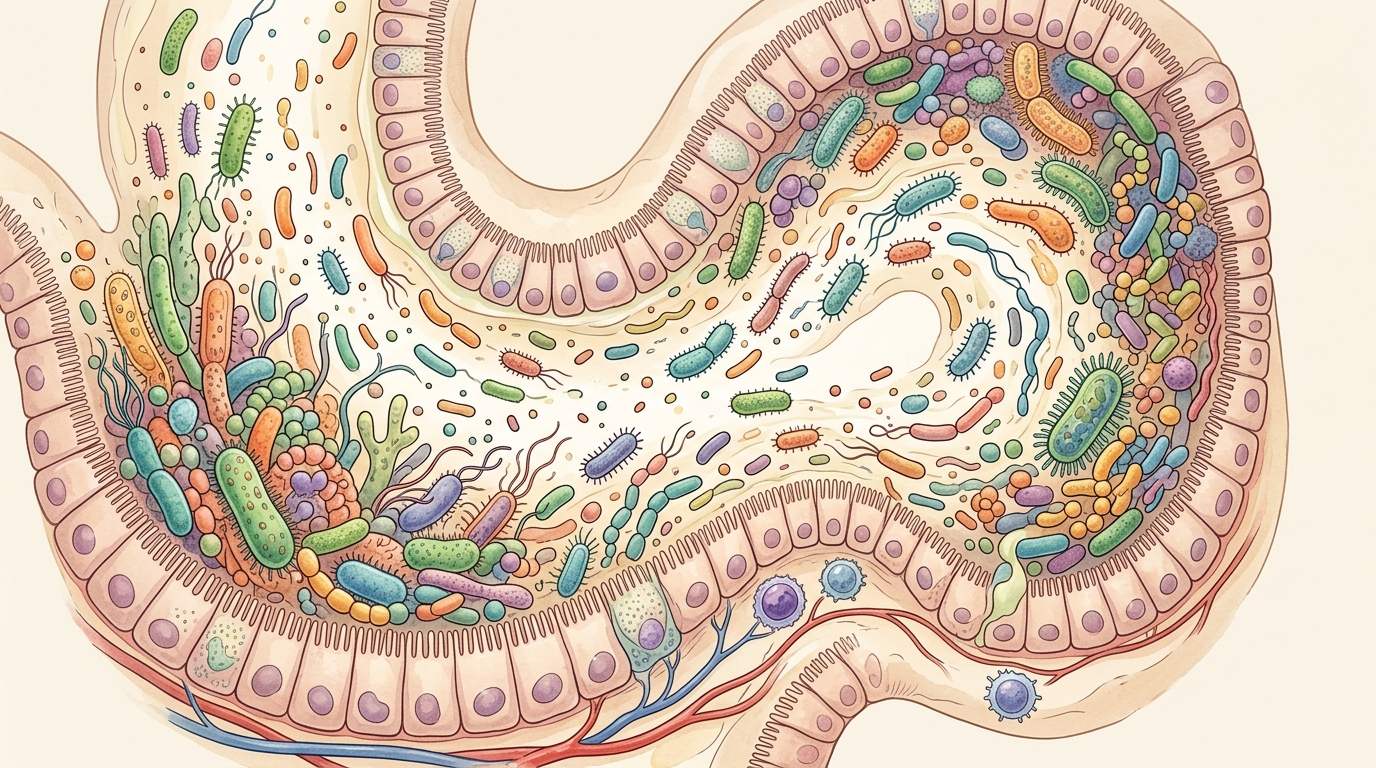
Most probiotic strains do not permanently colonize the adult gut. Lactobacillus rhamnosus GG, Bifidobacterium longum, and some other strains may persist briefly in stool or mucosa, but durable engraftment depends on the person’s existing microbiome, diet, antibiotics, host factors, and strain traits.
How did we evaluate probiotic colonization?
We evaluated probiotic colonization by separating survival through the gastrointestinal tract from temporary persistence, mucosal attachment, and permanent engraftment. We prioritized human mucosal sampling studies, strain-specific persistence trials, ISAPP scientific commentary, and NIH-indexed reviews over marketing claims that use “colonizes” loosely. We treated stool detection as an incomplete signal because a strain can appear in stool without establishing a stable niche in the intestinal mucosa. We excluded animal-only claims when answering the human question unless they explained a mechanism such as colonization resistance. The practical standard was strict: a strain would need repeat detection after dosing stops, evidence of niche fit, and reproducible persistence across people before anyone should call it permanent. We also separated strain codes from generic species names because colonization evidence rarely applies to an entire genus or product category broadly.
Do probiotic strains permanently colonize the gut?
Probiotic strains generally do not permanently colonize the adult gut. ISAPP explains that probiotics usually do not colonize the digestive tract in the long-term sense of weeks, months, or years after intake stops. A strain can survive stomach acid, pass through the intestine, appear in stool, and still fail to become a resident member of the microbiome. The adult gut already contains dense microbial communities that compete for nutrients, mucus binding sites, oxygen gradients, and immune tolerance. This colonization resistance protects the ecosystem, but it also makes newcomer strains hard to establish permanently. Some strains show short-term persistence after dosing, especially during or after disruption, but that is different from stable engraftment. The best interpretation is conservative: probiotics can interact with the gut while consumed, and some may persist temporarily, but permanent colonization is the exception rather than the expectation.
Which strains have evidence for temporary persistence?
Lactobacillus rhamnosus GG has classic evidence for temporary mucosal attachment. A human colonic mucosa study indexed in PubMed reported that strain GG attached in vivo and remained detectable for more than a week after administration, but the authors described the attachment as temporary. Lactobacillus casei rhamnosus Lcr35 also has older human data showing survival through the gastrointestinal tract and short persistence after dosing, according to a study available through NIH PubMed Central. Bifidobacterium strains can sometimes be detected after supplementation, but results vary by strain, person, diet, and baseline microbiome. These examples support transient persistence, not guaranteed permanent residence. The strain name matters because “Lactobacillus” or “Bifidobacterium” at genus level is too broad for colonization claims. Duration also matters; days after washout is not the same as months of independent residence in adults either.
Why do some people resist probiotic colonization?
People resist probiotic colonization because the existing gut microbiome creates ecological barriers. A 2018 human study in Cell found personalized gut mucosal colonization resistance after empiric probiotic use; baseline microbiome and host features helped predict whether probiotic strains appeared in mucosal sites. That means the same probiotic blend can behave differently in two people. A diverse resident microbiome can block newcomer microbes through nutrient competition, antimicrobial compounds, pH effects, bile acid metabolism, and immune signaling. Recent antibiotic use can reduce colonization resistance, but it can also make the ecosystem unstable. Diet matters because fiber, polyphenols, resistant starch, and habitual food patterns feed resident microbes. Colonization is therefore not just a strain property; it is a match between strain, host, diet, microbial neighborhood, and timing. This explains why universal colonizer lists age badly online quickly.
Is stool detection the same as gut colonization?
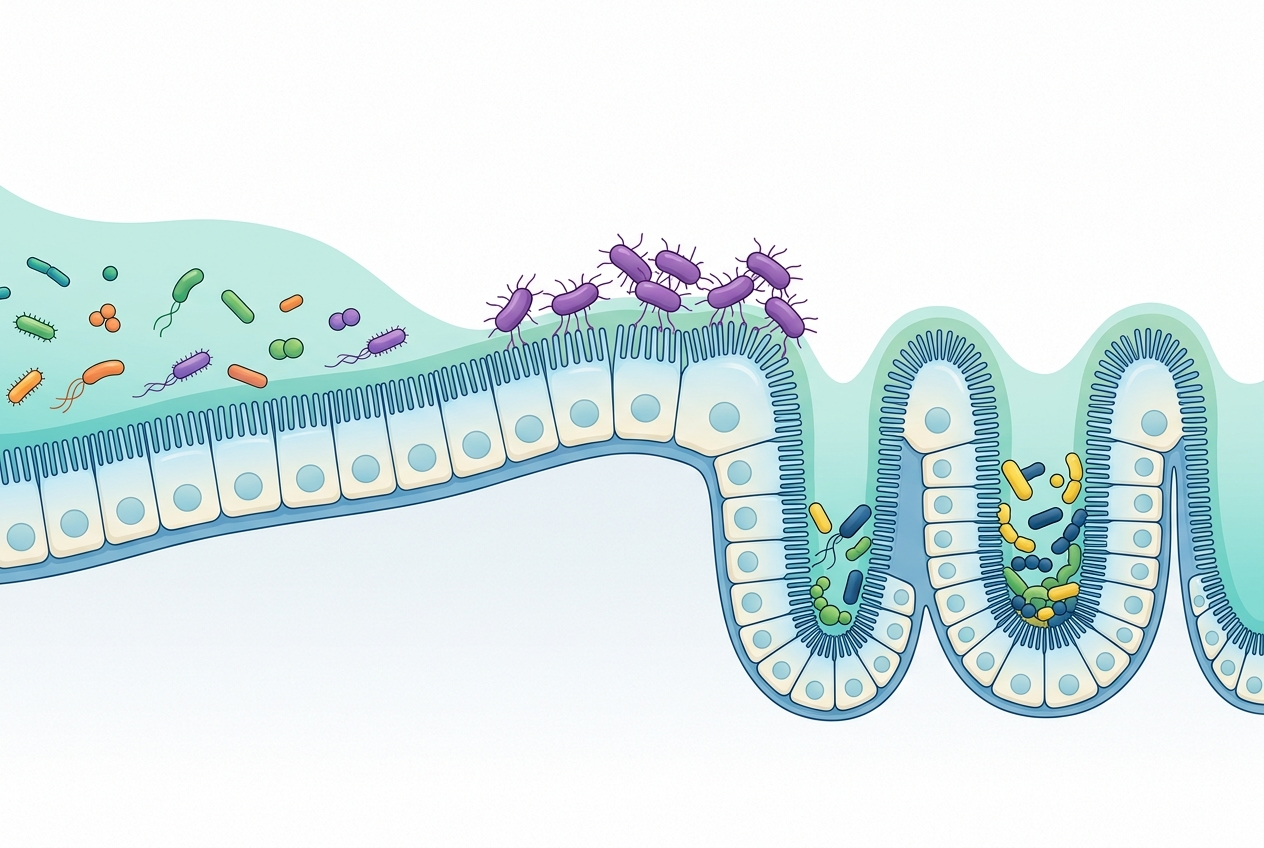
Stool detection is not the same as gut colonization. Stool testing can show that a probiotic strain survived transit or was shed after supplementation, but it cannot prove that the strain attached to mucosa, reproduced in a niche, or changed the resident ecosystem. Mucosal biopsies, repeated sampling after washout, strain-level sequencing, and functional markers provide stronger evidence than a single stool result. The distinction matters because many supplement claims imply “it showed up” equals “it moved in.” A 2021 review on probiotic gastrointestinal transit and colonization in NIH PubMed Central describes colonization as competition for nutrients and adhesion sites, not simple passage through the intestine. If a strain disappears soon after dosing stops, the evidence supports temporary exposure rather than permanent residence. Stool data can be useful, but it is only one layer of evidence.
What should people look for instead of permanent colonization?
People should look for strain-specific evidence, realistic persistence language, and a clear reason for use instead of permanent colonization promises. A trustworthy probiotic discussion names the full strain, such as Lactobacillus rhamnosus GG or Bifidobacterium longum 35624, rather than only the genus and species. It also explains whether evidence comes from human trials, stool detection, mucosal sampling, or mechanistic studies. Permanent residence is not required for a probiotic to interact with the gut during consumption. Short-term metabolic effects, immune signaling, competition with microbes, and changes in fermentation can happen without lifelong engraftment. The cleaner question is “what strain has evidence for this use and what outcome was measured?” rather than “which strain stays forever?” That framing protects readers from overstated colonization claims and keeps expectations aligned with microbiome ecology, washout periods, and strain-level evidence.
Can diet help beneficial microbes stay longer?
Diet can support resident beneficial microbes more reliably than a single probiotic strain can permanently move in. Fermentable fibers, resistant starch, legumes, oats, fruits, vegetables, nuts, seeds, and polyphenol-rich foods provide substrates that resident microbes use to make short-chain fatty acids. The effect is ecological: food changes the available nutrients inside the gut, and microbes adapted to those nutrients can expand. Prebiotic fibers do not guarantee probiotic engraftment, but they can shape the environment that determines whether certain microbial groups thrive. Antibiotic exposure, low fiber intake, highly restrictive diets, illness, and major diet changes can shift the ecosystem in the opposite direction. For most adults, the practical route is not chasing a permanently colonizing capsule. It is building repeatable dietary inputs that favor a resilient resident microbiome over time, then judging changes by tolerance and consistency.
For a detailed comparison of specific products and strains, see Which Probiotic Strains Are Best for Inflammation?.
For a detailed comparison of specific products and strains, see Starting a New Probiotic? What to Expect, What to Compare, and What Usually Goes Wrong.
For a detailed comparison of specific products and strains, see Best Probiotic for Bloating in Women Over 40: Strains, Formats, and Evidence.
For a detailed comparison of specific products and strains, see Best Daily Probiotics Compared: Which Strains and Formats Are Actually Worth Taking?.
For a detailed comparison of specific products and strains, see Any Probiotic Actually Helped Your Gut? What to Compare Before You Buy.
For a detailed comparison of specific products and strains, see Best Probiotic for IBS-C Support? 4 Options Compared by Strain, Format, and Routine Fit.
What questions do people ask about permanent probiotic colonization?
Can any probiotic stay in the gut forever?
Current human evidence does not support a simple list of probiotic strains that reliably stay forever in adults. Some strains persist briefly, and some people are more permissive than others, but permanent engraftment is not the normal expectation.
Is Lactobacillus rhamnosus GG a permanent colonizer?
Lactobacillus rhamnosus GG has evidence for temporary mucosal attachment and short persistence. That evidence is stronger than generic genus-level claims, but it still does not prove permanent colonization.
Do probiotics need to colonize to work?
No. Probiotics can interact with microbes, immune signaling, fermentation, and gut barrier biology while they are being consumed, even if they do not become permanent residents.
Why do probiotics disappear after I stop taking them?
They may disappear because the adult gut already has occupied niches, competing microbes, and diet-shaped nutrient flows. Once dosing stops, the newcomer strain often loses the repeated input that kept it detectable.
Are soil-based probiotics more likely to colonize permanently?
Soil-based probiotic claims should be evaluated strain by strain. The phrase “soil-based” does not prove human mucosal engraftment, safety, or long-term residence.
Can antibiotics make colonization easier?
Antibiotics can reduce colonization resistance, so some strains may appear more easily after disruption. That does not automatically mean the result is beneficial or permanent, and post-antibiotic microbiome recovery can be complex.
What is the safest expectation?
The safest expectation is temporary interaction, not permanent replacement. A probiotic is better judged by strain-specific human evidence, tolerance, and measured outcome than by whether it claims to move in forever.
Bottom line: Permanent probiotic colonization is uncommon in adults. Strains such as Lactobacillus rhamnosus GG can persist temporarily, but durable engraftment depends on the host microbiome, diet, timing, antibiotic history, and strain traits. Look for strain-specific evidence and avoid products that treat “colonization” as a guaranteed permanent event.
Leave a Reply