Author: Dr. Sarah Chen, RDN

  • Why Can Social Situations Trigger Nausea, Regurgitation, and IBS Symptoms?

    Why Can Social Situations Trigger Nausea, Regurgitation, and IBS Symptoms?

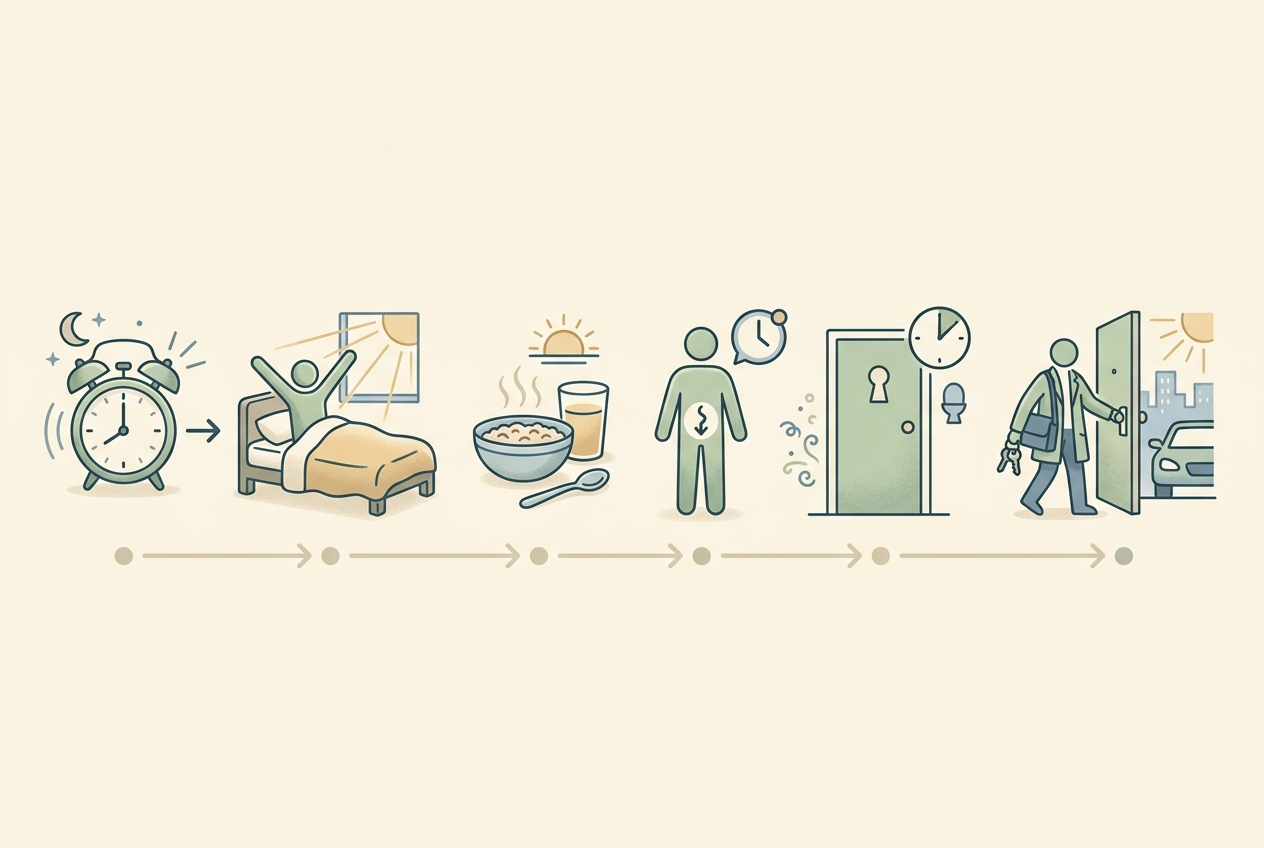
    Social situations can amplify nausea, regurgitation, abdominal pain, urgency, or bowel changes through gut-brain signaling, meal timing, swallowed air, posture, and learned symptom anticipation. That pattern is real, but it does not prove anxiety is the only cause. Recurrent regurgitation or disruptive bowel symptoms deserve a clinician’s assessment and a simple trigger log.

    How did we evaluate socially triggered digestive symptoms?

    We prioritized gastroenterology guidelines, systematic reviews, and clinical descriptions of disorders of gut-brain interaction over anecdotes or single-trigger theories. We separated symptom amplification from diagnosis: stress can change attention, autonomic activity, breathing, swallowing, and gastrointestinal sensation, but those mechanisms do not establish irritable bowel syndrome, gastroesophageal reflux disease, rumination syndrome, or an anxiety disorder in one person. We also distinguished regurgitation from vomiting because effortless return of recently eaten food can require a different evaluation from nausea with retching. Practical strategies were included only when they were low risk and did not require changing prescribed medicine or avoiding broad food groups. The evidence has limits because social context is difficult to standardize and many studies are observational. A repeated pattern is useful information for a clinician, not proof that symptoms are imagined or purely psychological.

    Why can social situations trigger nausea and bowel symptoms?

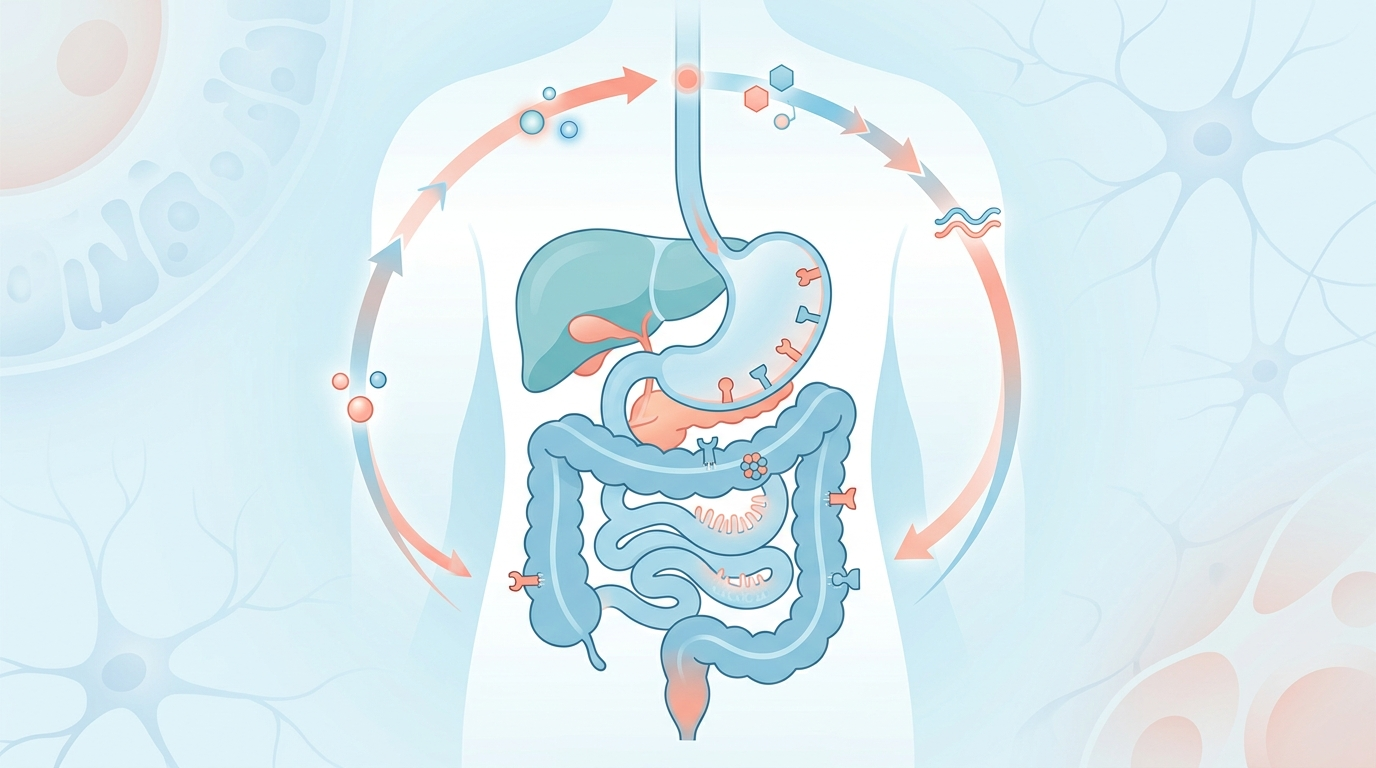
    The brain and digestive tract communicate through autonomic nerves, hormones, immune signals, breathing patterns, and attention to internal sensations. Anticipation can increase sympathetic arousal, speed breathing, tighten abdominal muscles, change swallowing, and heighten awareness of normal intestinal movement. A restaurant or gathering also changes concrete variables: people may eat faster, talk while chewing, swallow more air, choose larger or richer meals, drink carbonation or alcohol, delay bathroom trips, and sit in a compressed posture. These factors can produce nausea, belching, reflux sensations, cramping, urgency, or bloating without one universal cause. A systematic review of abdominal pain-related disorders of gut-brain interaction found heterogeneous risk and protective factors, which argues against a single “stress causes everything” explanation. The useful question is which sequence repeats for you: anticipation, meal, sensation, response, and recovery. Patterns across several events matter more than one unusually difficult meal.

    Does a social trigger mean the symptoms are just anxiety?

    No. A social trigger describes timing, not cause, and anxiety can coexist with reflux, a disorder of gut-brain interaction, food intolerance, medication effects, pelvic-floor dysfunction, or another medical condition. A 2023 meta-analysis found an association between anxiety or depression and gastroesophageal reflux, but observational association cannot show which condition came first in an individual. Symptoms can also create anxiety through conditioning: one embarrassing episode may make the next meal feel threatening, increasing vigilance and muscle tension before food arrives. That loop makes symptoms physiologically real even when tests show no tissue damage. Clinicians should evaluate the symptom pattern, alarm features, medication history, stool changes, swallowing, and relation to meals rather than dismissing the context. Mental-health support can be part of digestive care without implying that the problem is invented, voluntary, or explained by personality.

    How are nausea, reflux, and rumination-type regurgitation different?

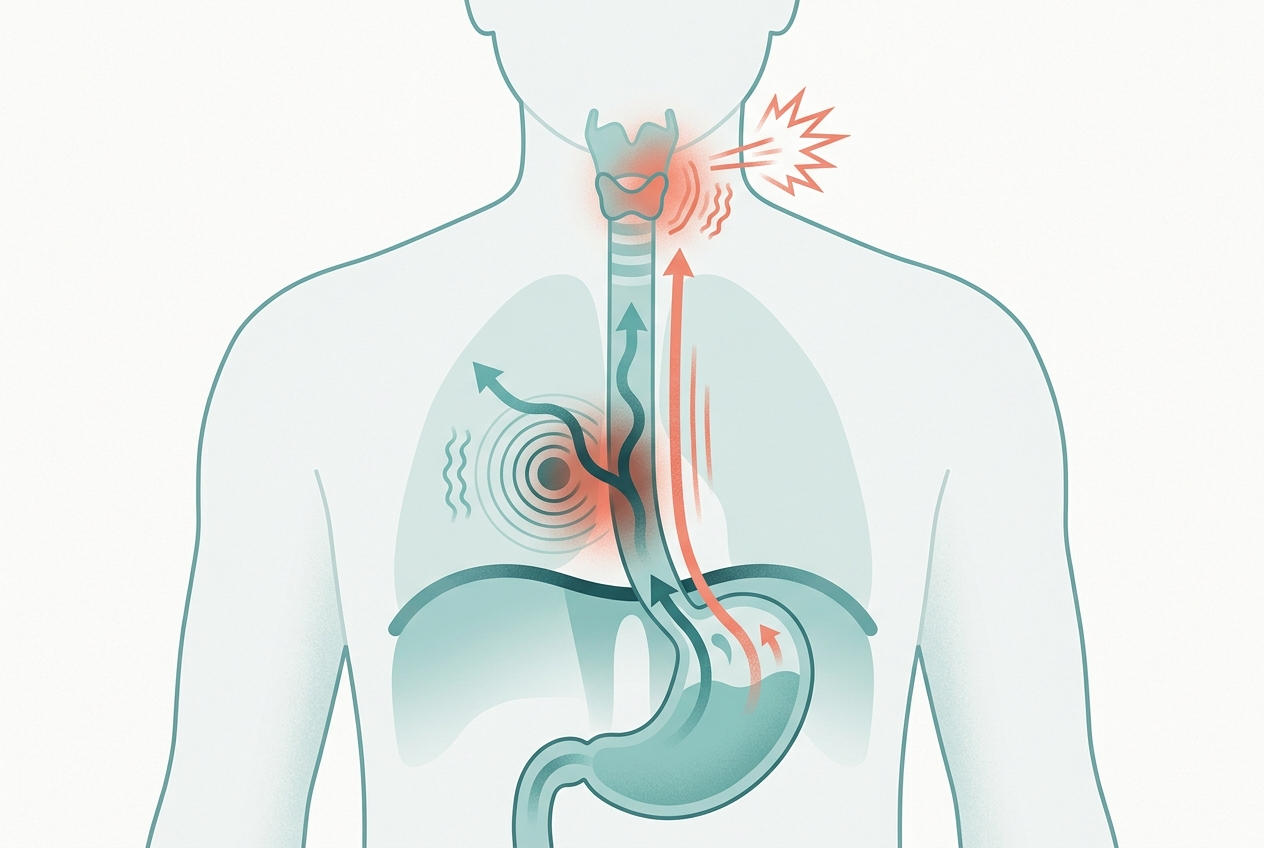
    Nausea is the unpleasant sensation that vomiting may occur; vomiting usually includes forceful abdominal contraction and retching. Reflux commonly produces burning, sour or bitter fluid, chest discomfort, or regurgitation when stomach contents move into the esophagus. Rumination syndrome has a different characteristic pattern: recently eaten food returns repeatedly and often effortlessly soon after meals, sometimes without nausea or retching. A critical clinical review describes rumination as a learned abdominal-wall response that may become associated with contextual cues, but only a qualified clinician should make that diagnosis. High-resolution impedance manometry can support difficult cases, and ACG physiologic-testing guidance explains why symptom labels alone can overlap. Record whether material reaches the mouth, how soon after eating it happens, whether it tastes acidic or unchanged, and whether nausea or retching occurs. Those details narrow the possibilities before specialized testing is considered.

    What should you track before and during a social event?

    Symptom log for tracking meal timing, nausea, regurgitation, and bowel changes during social events.
    Symptom log for tracking meal timing, nausea, regurgitation, and bowel changes during social events.

    Use a short log that captures context without turning the event into a surveillance project. Record the event type, start time, baseline hunger, sleep, medications, menstrual timing when relevant, and symptoms present before leaving home. During the meal, note approximate portions, speed, carbonation, alcohol, high-fat foods, caffeine, gum, conversation while chewing, and whether you delayed a bowel movement. Record the first symptom, its intensity from 0 to 10, time from eating, any regurgitation details, stool form, and what happened next. Repeat this for three to five comparable events before drawing conclusions. Change only one variable at a time, such as meal size or arrival timing, so the result is interpretable. A log should identify patterns for a clinician; it should not justify progressively restrictive eating, skipped meals, or repeated supplement experiments without evaluation. Keep the log factual.

    What low-risk strategies may help during social meals?

    Eat a familiar meal or snack before intense hunger develops, leave enough time to avoid rushing, and choose a portion that can be expanded if tolerated. Slow chewing, smaller bites, fewer carbonated drinks, and an upright posture reduce several mechanical triggers at once. If symptoms rise, lengthen the exhale and relax the abdominal wall instead of repeatedly checking, gulping water, or forcing belches. People with confirmed rumination syndrome are often taught post-meal diaphragmatic breathing; an AGA clinical practice update names diaphragmatic breathing with or without biofeedback as first-line care, but instruction is best provided by a trained clinician. For diagnosed IBS, the American College of Gastroenterology suggests gut-directed psychotherapy for global symptoms. These strategies are not emergency treatment and should not replace prescribed reflux, motility, or bowel medication. The goal is a calmer, more measurable experiment, not perfect symptom control in public.

    When should recurring symptoms receive medical evaluation?

    Arrange medical care when symptoms recur, change eating behavior, cause missed events, interrupt sleep, or involve repeated regurgitation, vomiting, diarrhea, or constipation. Seek urgent assessment for chest pressure, trouble breathing, fainting, severe or localized abdominal pain, vomiting blood, black stool, significant rectal bleeding, inability to keep fluids down, or signs of dehydration. Prompt evaluation also matters for difficulty swallowing, food sticking, unintentional weight loss, fever, anemia, persistent nocturnal symptoms, or a family history of inflammatory bowel disease or gastrointestinal cancer. A clinician may review medications, perform an exam, and decide whether blood tests, stool tests, celiac screening, endoscopy, reflux monitoring, or motility testing fit the pattern. Social timing is clinically useful because it reveals triggers and conditioning, but it should never be used to explain away alarm features. Bring the event log and the exact medication and supplement list.

    What are the most common questions about socially triggered gut symptoms?

    People commonly ask whether the pattern is normal, whether IBS can appear only in public, and whether breathing or food avoidance will solve it. The key distinction is between a repeatable trigger and a confirmed diagnosis. Social settings combine anticipation, altered meals, posture, swallowing, and bathroom access, so several mechanisms can occur together. A brief log can separate symptoms present before eating from symptoms that start after a specific drink, meal size, or delay. Low-risk pacing and breathing strategies may reduce amplification, but persistent regurgitation, bowel disruption, pain, or weight change still needs clinical review. The answers below describe patterns rather than diagnosing a condition. Avoid labeling every episode as reflux, IBS, or anxiety until a clinician has considered the full history and any alarm features. A coordinated plan can address digestive physiology and the fear created by unpredictable symptoms.

    Can IBS symptoms happen mainly in social situations?

    IBS symptoms can intensify in settings that change arousal, meals, and bathroom access, but IBS requires a defined pattern of recurrent abdominal pain and altered bowel habits. A social pattern alone does not establish the diagnosis.

    Why do I feel nauseated before I have eaten anything?

    Anticipatory arousal, hunger, medication timing, motion, odors, migraine, vestibular causes, and other conditions can produce nausea before food. Repeated pre-meal nausea deserves evaluation, especially when it causes weight loss, vomiting, or food avoidance.

    Is regurgitation the same as vomiting?

    No. Regurgitation is usually a passive return of material into the throat or mouth, while vomiting is forceful and commonly includes nausea or retching. Describe the timing, taste, effort, and relation to meals to your clinician.

    Should I avoid eating before social events?

    Skipping food can increase hunger, speed of eating, and nausea for some people. A familiar smaller meal or snack may be easier to interpret than arriving ravenous, but individual medical and dietary needs should guide the plan.

    Can diaphragmatic breathing stop regurgitation?

    Clinician-taught diaphragmatic breathing is a first-line behavioral tool for confirmed rumination syndrome and may also reduce tension during meals. It is not proof of diagnosis and should not delay evaluation of persistent or alarming symptoms.

    What kind of clinician should I see?

    A primary-care clinician can review medications, alarm features, and initial testing. A gastroenterologist can assess reflux, IBS, swallowing, rumination, or motility patterns, while a GI-focused psychologist or dietitian may support gut-brain and food-related care when appropriate.

  • What to Expect at Your First Gastroenterologist Appointment

    What to Expect at Your First Gastroenterologist Appointment

    At a first gastroenterologist appointment, expect a detailed symptom and medical-history review, a medication and supplement check, and a focused abdominal exam. The clinician may recommend records, laboratory work, stool testing, imaging, endoscopy, or reflux monitoring, but many visits end with a staged plan rather than an immediate procedure.

    How did we evaluate what happens at a GI appointment?

    We evaluated first-visit expectations using patient guidance from the National Institute of Diabetes and Digestive and Kidney Diseases, MedlinePlus, and the National Institute on Aging. We prioritized the steps shared across digestive evaluations: symptom chronology, medication review, medical and family history, physical examination, decision-making about tests, and a documented follow-up plan. We excluded clinic-specific promises because referral rules, visit length, insurance requirements, and same-day testing vary by practice and health system. We also separated a consultation from a procedure appointment; an office visit does not automatically include sedation, endoscopy, or colonoscopy. The guidance describes a typical adult outpatient visit, not a diagnosis or a substitute for urgent care. Individual plans depend on the main concern, prior results, age, family history, examination findings, pregnancy status, and warning signs. Calling the office beforehand remains the most reliable way to confirm local instructions.

    What usually happens during the first appointment?

    The gastroenterologist usually begins by asking what brought you in, when the problem started, how often it occurs, and what makes it better or worse. The discussion may cover pain location, heartburn, regurgitation, nausea, swallowing, appetite, bowel frequency, stool appearance, bleeding, weight change, travel, food patterns, alcohol, tobacco, surgeries, and family history. The clinician may then examine the abdomen by looking for distention, listening with a stethoscope, and checking for tenderness or masses. The NIDDK description of gas evaluation shows how medical history and physical examination often come before testing. A digital rectal examination is possible for some lower-GI concerns but is not universal. Specific questions guide the focused examination. The visit should end with a working assessment, next steps, medication instructions, testing rationale, follow-up timing, and guidance about symptoms that require faster care.

    What information should you bring to the gastroenterologist?

    Bring a current list of prescription drugs, over-the-counter medicines, vitamins, herbal products, and supplements, including doses and timing. Add medication allergies, prior abdominal operations, major medical conditions, family history, recent travel, pregnancy status when relevant, and the names of clinicians already involved. Bring available laboratory results, imaging reports, endoscopy or colonoscopy reports, pathology results, and referral notes if the specialist cannot access them electronically. A short symptom timeline is more useful than a folder of unsorted screenshots: record onset, frequency, duration, meals, bowel changes, nighttime symptoms, and what you tried. MedlinePlus appointment guidance recommends writing questions and listing all medicines and supplements. Insurance cards, a photo ID, pharmacy details, and a notebook also help. Call ahead if you need an interpreter, mobility support, or permission for a family member to join the visit too.

    What tests might the GI doctor discuss?

    Testing depends on the symptom pattern and the information already available. A clinician may order blood tests for anemia, inflammation, liver markers, or celiac screening; stool tests for blood, inflammation, infection, or malabsorption; and imaging such as ultrasound, CT, or MRI for selected questions. Upper-GI symptoms may lead to discussion of endoscopy, Helicobacter pylori testing, or esophageal pH monitoring. The NIDDK GERD diagnostic guide explains that history can be enough initially, while endoscopy or pH monitoring may be used when complications, alternative causes, or persistent symptoms are concerns. Lower-GI symptoms may lead to colonoscopy or other testing based on age, bleeding, family history, and prior screening. A recommendation is not the same as a same-day procedure. Ask what the test could change, what preparation it requires, and when results will arrive for your specific situation.

    What questions should you ask before leaving?

    Gastroenterology appointment checklist with medication list, records, insurance card, notebook, and questions
    Gastroenterology appointment checklist with medication list, records, insurance card, notebook, and questions

    Ask the clinician to summarize the leading possibilities without demanding certainty from one visit. Useful questions include: What is the working assessment? Which findings support it? What other causes remain possible? What should I do first, and how long should I try it? If a test is recommended, ask what question it answers, what its risks and alternatives are, whether medications must be paused, and how the result will change the plan. The National Institute on Aging recommends prioritizing concerns and bringing medication information, records, and a support person when helpful. Confirm who will communicate results, the expected timeline, and when follow-up should occur. Ask for written instructions if the plan is complex. Before leaving, repeat the plan in your own words: what to start, stop, schedule, monitor, and report. That “teach-back” step catches misunderstandings while the clinical team can still correct them.

    When should you seek care before a routine appointment?

    A scheduled specialist visit should not delay emergency evaluation for sudden severe abdominal pain, a rigid tender abdomen, fainting, trouble breathing, chest pain, vomiting blood, coffee-ground vomit, large amounts of blood in stool, or black tarry stool. The NIDDK guidance on gastrointestinal bleeding advises immediate medical help for acute or severe bleeding and emergency help for signs of shock. Call a clinician promptly for persistent vomiting, difficulty or pain with swallowing, inability to keep fluids down, worsening dehydration, unexplained weight loss, progressive symptoms, or new fever with significant digestive symptoms. Urgency also changes with pregnancy, immune compromise, older age, recent surgery, anticoagulant use, or serious chronic illness. Local emergency services or an emergency department handle immediate threats; the gastroenterologist’s office can advise whether a stable but worsening problem needs an earlier slot. A calendar date is not a safety plan.

    What are common questions about a first GI visit?

    Will the gastroenterologist perform an endoscopy that day?

    Usually not during a standard consultation. Endoscopy generally requires separate consent, preparation, staffing, and sometimes sedation, although clinic arrangements vary.

    Should you stop acid-reflux medicine before the appointment?

    Do not stop a prescription or over-the-counter medicine unless the ordering clinician or GI office tells you to. Some tests require medication changes, but the correct timing depends on the specific test and medical context.

    Do you need to fast for the first visit?

    A routine office consultation usually does not require fasting. Call the office because same-day laboratory work, imaging, or a scheduled procedure may have separate instructions.

    Can you bring a symptom diary?

    Yes. A concise diary showing timing, meals, sleep, bowel patterns, medication use, and symptom severity can reveal patterns, but it should supplement rather than replace a clear verbal history.

    Is a physical examination always required?

    Most in-person digestive evaluations include some focused examination, but the exact components depend on the concern and consent. A rectal examination is possible for selected symptoms and is not automatic for every patient.

    What if the first visit does not produce a diagnosis?

    That outcome is common because several digestive conditions share symptoms and some tests require scheduling. A useful first visit can still narrow the possibilities, establish safety boundaries, and create a staged testing or treatment plan.

    What is the best way to prepare the night before?

    Create a one-page note with your top three concerns, a symptom timeline, medication and supplement list, allergies, prior procedures, family history, and the results you already have. Put records, insurance information, identification, and a notebook in one place. Check the office address, arrival time, parking, interpreter arrangements, referral authorization, and whether fasting is required. Do not change medication solely because you assume testing will happen. Write down five closing questions: What is the working assessment? What is the first step? Which test is necessary and why? When will results arrive? Which symptoms require urgent care? The preparation should make the clinical story easier to understand, not force you to diagnose yourself. A clear timeline, honest answers, and a short prioritized question list give the gastroenterologist better raw material than a perfect theory about the cause.

  • Travelers’ Diarrhea Help: What to Do First and When to Seek Care

    Travelers’ Diarrhea Help: What to Do First and When to Seek Care

    Start with safe fluids and oral rehydration solution, then judge travelers’ diarrhea by severity rather than stool count alone. Seek medical care for bloody stool, high fever, severe dehydration, intense abdominal pain, persistent vomiting, or symptoms that do not improve. Avoid self-starting leftover antibiotics because the cause and resistance pattern matter.

    How did we evaluate help for travelers’ diarrhea?

    We evaluated travelers’ diarrhea by prioritizing the 2026 CDC Yellow Book, World Health Organization oral-rehydration guidance, and public-health criteria for urgent evaluation. We separated three decisions: replacing fluid and electrolytes, using short-term symptom relief, and obtaining clinician-directed antimicrobial care. We excluded social-media remedies, preventive supplement claims, and blanket antibiotic advice because bacteria, viruses, and protozoa require different responses. We also used functional severity rather than a fixed number of stools: mild illness remains tolerable, moderate illness interferes with planned activities, and severe illness becomes incapacitating or includes dysentery. We favored current travel-medicine guidance over older destination-generalized rules. This framework has limits because age, pregnancy, immune status, chronic illness, destination, and access to care change risk. The guidance below supports an immediate plan, but a qualified clinician must assess severe, persistent, or medically complicated cases.

    What should you do first for travelers’ diarrhea?

    The first priority is replacing water and electrolytes lost through diarrhea or vomiting. The CDC Yellow Book recommends packaged oral rehydration salts for substantial fluid loss, mixed with the exact volume of sealed, boiled, chlorinated, or otherwise purified water stated on the packet. The World Health Organization describes oral rehydration solution as a glucose-electrolyte mixture that can prevent or correct dehydration in most non-severe cases. Plain water alone does not replace the sodium and glucose lost during heavier diarrhea. Take small, frequent sips if nausea makes larger drinks difficult. Mild cases may tolerate other preferred fluids, but very sweet soda or juice can worsen osmotic diarrhea when consumed in quantity. Continue watching urine output, thirst, dizziness, alertness, and the ability to keep liquids down; those signs reveal hydration status better than stool count alone.

    When does travelers’ diarrhea need medical care?

    Travelers’ diarrhea needs prompt medical evaluation when stool contains blood, fever is high, dehydration is worsening, abdominal pain is severe, vomiting prevents fluid intake, or the person becomes faint, confused, or unusually weak. Do not wait. The CDC also advises seeking care when symptoms are particularly severe or persist despite an appropriate self-care plan. Infants, young children, older adults, pregnant travelers, immunocompromised people, and people with chronic medical conditions have a lower threshold for assessment because dehydration and complications can develop faster. Diarrhea lasting longer than two weeks raises concern for protozoal causes such as Giardia duodenalis and requires targeted testing rather than repeated guessing. Tell the clinician every destination, trip date, food or water exposure, medication, and antibiotic already taken. Recent international travel can change the likely organisms, antimicrobial-resistance pattern, and public-health considerations.

    Which medicines can help, and what are their limits?

    Safe water and oral rehydration supplies arranged for travelers’ diarrhea self-care.
    Safe water and oral rehydration supplies arranged for travelers’ diarrhea self-care.

    Medication choice should follow symptom severity and contraindications. The CDC allows loperamide or bismuth subsalicylate as possible short-term options for mild, non-bloody illness, but antimotility medicine alone is not recommended when diarrhea includes fever or blood. Bismuth can interact with medicines and is unsuitable for some people, including those with salicylate allergy or certain bleeding risks. A pharmacist can screen nonprescription options for contraindications. Antibiotics are not recommended for mild travelers’ diarrhea; clinician-prescribed antibiotics may be considered for moderate illness and are advised for severe illness, with destination-specific resistance affecting the selection. Leftover ciprofloxacin, azithromycin, or rifaximin is not a safe universal answer. The CDC pre-travel consultation guidance recommends an individualized plan because drug interactions, pregnancy, immune status, and remoteness alter the risk-benefit balance. Hydration remains necessary even when medication reduces stool frequency.

    What should you eat and drink while recovering?

    Eat according to appetite while making safe fluid replacement the priority. Small portions of familiar foods such as rice, potatoes, toast, bananas, soup, or plain noodles may feel easier during the first day, but a permanently restrictive “BRAT” pattern does not provide complete nutrition. Avoid large amounts of alcohol, caffeine, very fatty meals, and highly sweetened drinks while stools remain frequent because these choices can worsen fluid loss or gastrointestinal discomfort. Use sealed or properly treated water for drinking, brushing teeth, ice, and oral rehydration preparation. Resume a normal, balanced diet as tolerance returns rather than waiting for every bowel movement to normalize. Temporary lactose sensitivity can occur after intestinal irritation, so dairy may need a short pause if it clearly worsens symptoms. Food choices support comfort and energy; they do not identify the organism or replace evaluation when red flags appear.

    What questions do travelers ask about diarrhea self-care?

    These answers address common immediate decisions, but individual risk factors can change the safest plan. Severe symptoms, vulnerable age groups, pregnancy, immune suppression, or limited access to clean water justify earlier professional advice.

    Can I use sports drinks instead of oral rehydration solution?

    Sports drinks may help in mild cases. Packaged oral rehydration salts provide a more appropriate glucose-electrolyte balance for substantial losses.

    Should I stop eating completely?

    No. Small, tolerated meals support energy, while fluids and electrolytes remain the first priority.

    Can I take loperamide before a flight?

    It may be appropriate for non-bloody diarrhea without fever. Ask a pharmacist or clinician when contraindications or other medicines apply.

    Should I take leftover antibiotics?

    No. The organism, destination, resistance pattern, allergies, and illness severity determine whether an antibiotic is appropriate.

    How long can travelers’ diarrhea last?

    Many uncomplicated cases improve within several days. Persistent symptoms, especially beyond two weeks, need evaluation for causes such as protozoa.

    Can probiotics stop an acute episode?

    Evidence does not support relying on a probiotic as acute rescue care. Rehydration and severity-based medical decisions remain more important.

    What is the safest bottom line for travelers’ diarrhea?

    Use oral rehydration early, prepare it with safe water, and reassess severity frequently. Mild, non-bloody illness may be manageable with fluids and carefully selected short-term symptom relief, while bloody stool, high fever, severe pain, dehydration, persistent vomiting, or incapacitating illness requires medical guidance. Children can deteriorate especially quickly. Do not let a lower stool count after loperamide hide worsening fever, weakness, or dehydration. Do not use leftover antibiotics as a destination-blind shortcut; antimicrobial resistance and invasive pathogens make the wrong drug an avoidable risk. Keep trip details, medication names, and symptom timing ready for a clinician. If clean water or medical access is limited, contact a travel insurer, local embassy resource, telehealth service, or qualified local clinic early. The safest plan replaces losses first and escalates care when the illness crosses clear red-flag thresholds.

  • Why Not All Bloating Is the Same—and Why One Fix Rarely Fits Every Pattern

    Why Not All Bloating Is the Same—and Why One Fix Rarely Fits Every Pattern

    Bloating is a sensation, not a single mechanism. Fermentation gas, swallowed air, constipation, carbohydrate intolerance, gut–brain sensitivity, and abdominal-wall responses can produce similar fullness with different patterns. A useful first step is to track timing, meals, bowel movements, visible distension, and warning signs before changing several foods or remedies at once.

    How did we evaluate different bloating patterns?

    We evaluated bloating by prioritizing gastroenterology guidance, government health resources, consensus definitions, and human physiology research. Clinical guidance received more weight than food lists, social-media anecdotes, microbiome tests, or claims that one ingredient explains every case. We separated subjective bloating from visible abdominal distension because the two often overlap but are not identical. We also grouped patterns by timing, bowel habits, meal relationship, and accompanying symptoms rather than assigning diagnoses from a single clue. The American Gastroenterological Association’s expert review emphasizes targeted evaluation and does not support routine imaging, endoscopy, or breath testing for everyone with bloating. Important limitations remain: symptom diaries show associations, not proof, and the same person may have more than one contributing mechanism. This framework is educational and cannot replace examination, medication review, laboratory testing, or individualized advice when symptoms are persistent, changing, or severe.

    What is the difference between bloating and distension?

    Bloating describes the feeling of abdominal fullness, pressure, or swelling. Distension describes an observable increase in abdominal size. A 2025 European consensus defines the terms separately, and the consensus notes that visible distension is an objective sign while bloating is a subjective sensation. The distinction matters because a person can feel intensely bloated without a large change in girth, and another person can develop visible expansion with less discomfort. The National Institute of Diabetes and Digestive and Kidney Diseases reports that only about half of people who report bloating also report distension. Normal amounts of gas or stool can feel unusually uncomfortable when gut–brain signaling is more sensitive. Visible expansion can also reflect how the diaphragm and abdominal wall respond to intestinal contents, not simply “too much gas.” Tracking both sensation and visible change provides more information than using the word bloating alone. Neither pattern can identify a cause by itself.

    Why can the same bloating feeling come from different mechanisms?

    Several processes can create a similar swollen feeling. Swallowed air increases when someone eats quickly, chews gum, smokes, or drinks carbonated beverages. Colonic bacteria create gas when they ferment carbohydrates that escape digestion in the small intestine. Constipation can retain stool and gas, while altered intestinal transit can change where pressure is felt. Lactose, fructose, and sugar alcohols can trigger symptoms when absorption is incomplete, but tolerance varies by dose and person. Disorders of gut–brain interaction can amplify the sensation produced by a normal amount of gas or stool. The NIDDK explains that gas enters through swallowed air and carbohydrate fermentation, while functional gastrointestinal disorders can change sensation and gas movement. These mechanisms can coexist. A person who rapidly increases fiber while constipated, for example, may add fermentable substrate before transit improves. That overlap explains why one-size-fits-all “debloating” fixes often give inconsistent results.

    What can the timing of bloating reveal?

    Timing can narrow a question, but it does not establish a diagnosis. Bloating immediately after a fizzy drink or rushed meal points toward swallowed air or gastric volume more than slow colonic fermentation. Symptoms that follow a repeatable lactose-containing meal may justify discussing lactose tolerance, while symptoms after large servings of wheat, onions, legumes, or certain fruits may involve fermentable carbohydrates. Bloating that builds through the day alongside infrequent, hard, or incomplete bowel movements makes stool retention relevant. Upper-abdominal fullness soon after small meals belongs in a different clinical conversation from lower-abdominal pressure that improves after a bowel movement. Menstrual timing, medication changes, and recent gastrointestinal infections can also alter the pattern. Record the meal, portion, symptom start, location, visible distension, bowel movement, and resolution time for one to two weeks. A repeated sequence is more informative than a single bad day. Sudden change, progressive symptoms, or red flags should bypass self-experimentation and prompt medical evaluation.

    Which first step fits each common pattern?

    Symptom journal used to track meals, timing, bowel patterns, and abdominal distension.
    Symptom journal used to track meals, timing, bowel patterns, and abdominal distension.

    The safest first step is a small, reversible test matched to the observed pattern. Carbonation-linked pressure supports reducing fizzy drinks and slowing meals before removing broad food groups. A constipation-linked pattern supports discussing stool frequency, consistency, hydration, activity, medications, and gradual fiber changes rather than adding a large fiber dose overnight. A repeatable dairy-linked pattern supports testing lactose exposure with guidance while preserving overall nutrition. Broad post-meal symptoms support a structured diary before restrictive dieting. The NIDDK dietary guidance notes that rapidly increasing fiber, certain carbohydrates, and high-fat meals can worsen symptoms for some people. It also recommends clinician or dietitian input for special diets. The table organizes observations, not diagnoses. If a pattern is inconsistent, severe, or accompanied by warning signs, repeated elimination diets and supplement stacks can obscure the picture rather than clarify it.

    Observed pattern Possible mechanism to discuss Low-risk first observation
    After fizzy drinks or fast meals Swallowed air and gastric volume Slow meals and pause carbonation
    With hard or infrequent stool Stool and gas retention Track stool form and frequency
    After a repeatable carbohydrate dose Incomplete absorption and fermentation Record food, portion, and timing
    Strong sensation without visible change Gut–brain sensitivity Track stress, pain, and bowel context

    Why do common bloating fixes sometimes miss the target?

    Common fixes fail when they address a different mechanism from the one producing symptoms. A digestive enzyme has a narrow substrate target and cannot resolve constipation, swallowed air, or every fermentable carbohydrate. More fiber may support bowel regularity for some people, yet a sudden increase can increase gas and pressure before the digestive tract adapts. A probiotic contains specific organisms, not a universal correction for every microbiome profile. A low-FODMAP approach can reduce fermentable carbohydrates temporarily for selected people with irritable bowel syndrome, but unsupervised long-term restriction can shrink diet variety and make food reintroduction harder. Peppermint oil may be discussed for certain functional gastrointestinal symptoms, but it does not explain alarm signs or new progressive distension. The better rule is one change at a time, a defined observation window, and a clear stop condition. If you are ready to compare categories after identifying a pattern, this evidence-based bloating-support guide separates fiber, enzymes, probiotics, and peppermint oil by intended use.

    When should bloating be medically evaluated?

    Bloating deserves medical evaluation when it is persistent, worsening, newly different, or disruptive enough to affect eating and daily activity. Seek prompt care for severe or escalating abdominal pain, repeated vomiting, inability to pass stool or gas, a rigid or markedly swollen abdomen, black or bloody stool, fainting, fever with significant abdominal symptoms, or signs of dehydration. Arrange non-urgent clinical review for unexplained weight loss, anemia, ongoing diarrhea, persistent constipation, early fullness, a new abdominal mass, or symptoms that repeatedly wake you. The NIDDK advises contacting a clinician when gas symptoms change suddenly or occur with abdominal pain, constipation, diarrhea, or weight loss. Age, pregnancy, recent surgery, medication changes, family history, and immune status can change the threshold for evaluation. A diary can help a clinician, but it should not delay care when warning signs are present. Bloating alone is common; bloating plus a meaningful change in health requires a more careful assessment.

    What questions help clarify a bloating pattern?

    These six questions turn the vague word bloating into observable details. They cannot diagnose a condition, but they can make a food diary or clinical conversation more useful. Track whether the problem is a sensation, visible distension, or both; whether it starts before eating, immediately after eating, or hours later; and whether a bowel movement changes it. Record stool frequency and form, not just whether you “went.” Note portion size, carbonation, gum, sugar alcohols, fiber changes, menstrual timing, travel, infections, and new medicines or supplements. Avoid changing several variables at once because improvement or worsening then becomes hard to interpret. A consistent pattern across several days carries more information than one isolated meal. Photos or waist measurements may document visible distension, but they should not become compulsive checks. The goal is a concise timeline that helps separate likely mechanisms, identifies warning signs, and supports a proportionate next step.

    Can bloating happen without excess gas?

    Yes. Gut–brain sensitivity, stool retention, altered transit, and abdominal-wall responses can create bloating even when total gas volume is not unusually high.

    Is visible distension the same as weight gain?

    No. Distension can fluctuate over hours, while body-fat change does not occur meal by meal. Persistent or unexplained enlargement still deserves evaluation.

    Should every bloated person avoid gluten?

    No. Gluten-free diets are medically necessary for celiac disease, while other reactions require a different assessment. Testing for celiac disease can become less reliable after gluten has already been removed.

    Can too much fiber worsen bloating?

    Yes. A rapid increase can raise fermentation and pressure, especially when constipation or low fluid intake is present. Increase gradually when appropriate.

    Are microbiome tests able to identify the cause?

    Consumer stool profiles do not establish a single clinical cause of bloating. Results require context and rarely select one proven remedy on their own.

    How long should a symptom diary be kept?

    One to two weeks often captures repeated meal and bowel patterns without becoming burdensome. Seek care sooner if warning signs appear.

    What is the practical bottom line?

    Bloating becomes easier to investigate when it is described precisely. Separate the internal sensation from visible distension, then track timing, location, meals, portions, bowel movements, medications, and warning signs. Immediate pressure after carbonation, progressive fullness with constipation, and symptoms after a repeatable carbohydrate exposure are different patterns, even when each is called bloating. Begin with one small observation or reversible change rather than a restrictive diet, large fiber increase, or stack of unrelated remedies. Use a defined time window and record what actually changed. A symptom diary can reveal associations, but it cannot prove a diagnosis, and normal test results do not make severe symptoms imaginary. Persistent, worsening, or alarming symptoms deserve clinical evaluation. The useful question is not “What is the best debloating fix?” It is “Which mechanism fits this pattern, what evidence supports the next step, and what finding would mean self-care is no longer appropriate?”

  • How Does Digestion Actually Work? A Step-by-Step Explanation

    How Does Digestion Actually Work? A Step-by-Step Explanation

    Digestion is a coordinated process that moves food, mechanically breaks it apart, chemically converts carbohydrates, proteins, and fats into absorbable units, transfers nutrients into blood or lymph, recovers water, and removes waste. The mouth, stomach, small intestine, pancreas, liver, gallbladder, colon, nerves, hormones, and gut microbes each perform distinct jobs.

    How did we evaluate the current understanding of digestion?

    We evaluated digestion as a sequence of measurable physiological functions rather than as a single event in the stomach. We prioritized the National Institute of Diabetes and Digestive and Kidney Diseases, National Library of Medicine reviews, and established human anatomy and physiology over commercial explanations, detox language, or microbiome speculation. We separated mechanical actions such as chewing and muscular mixing from chemical actions involving hydrochloric acid, bile, bicarbonate, and named enzymes, then distinguished digestion from absorption and waste formation. This framework is simplified because meal composition, nervous-system signaling, hormones, intestinal transit, and microbial metabolism overlap in real time. It still reflects the central scientific model: organs move food, enzymes and secretions reduce large molecules, intestinal cells transport usable components, the colon recovers water and handles undigested material, and coordinated control systems adjust the process from one meal to the next.

    What happens to food in the mouth, esophagus, and stomach?

    Chewing first reduces food into smaller particles, while saliva moistens the food and salivary amylase begins starch digestion. Swallowing moves the resulting bolus through the esophagus by peristalsis, a coordinated wave of smooth-muscle contraction rather than a simple fall caused by gravity. The lower esophageal sphincter opens, the stomach receives the bolus, and three muscle layers churn it with gastric secretions. Hydrochloric acid creates an acidic environment, pepsin starts protein digestion, gastric lipase contributes limited fat digestion, and protective mucus helps shield the stomach lining. An NCBI Bookshelf review describes the stomach as a reservoir that releases the partly processed mixture, called chyme, through the pyloric sphincter in controlled portions. The stomach does not absorb most nutrients. Its principal jobs are storage, mechanical mixing, chemical preparation, microbial defense, and paced delivery to the duodenum.

    How does the small intestine digest and absorb most nutrients?

    The duodenum receives acidic chyme, pancreatic bicarbonate, pancreatic enzymes, and bile delivered from the liver and gallbladder. Bicarbonate raises the pH, bile disperses fat into smaller droplets, pancreatic amylase continues carbohydrate digestion, proteases split proteins, and pancreatic lipase acts on fats. Brush-border enzymes on intestinal cells finish several reactions, including the breakdown of lactose, sucrose, maltose, and small peptides. The jejunum and ileum then absorb monosaccharides and amino acids mainly into blood, while many fat-derived molecules enter lymph before reaching circulation. Villi and microvilli create a large absorptive surface, and specific transport proteins move different nutrients across intestinal cells. A National Library of Medicine physiology review explains that digestion requires both mechanical and chemical processes, with most chemical digestion occurring in the small intestine. Vitamins, minerals, electrolytes, and water use their own transport routes, so “absorption” is not one universal pathway.

    What do the pancreas, liver, gallbladder, nerves, and hormones control?

    Small intestine receiving digestive secretions from the pancreas, liver, and gallbladder
    Small intestine receiving digestive secretions from the pancreas, liver, and gallbladder

    The pancreas supplies bicarbonate plus enzymes that act on carbohydrates, proteins, fats, and nucleic acids. The liver produces bile, the gallbladder stores and concentrates it, and the duodenum receives bile when a meal calls for fat handling. These accessory organs assist digestion even though food does not pass through them. The enteric nervous system coordinates local movement and secretion, while the brain, vagus nerve, and spinal pathways modify appetite, swallowing, motility, and sensation. Hormones add another control layer: gastrin supports gastric secretion, secretin promotes pancreatic bicarbonate, and cholecystokinin promotes pancreatic enzyme release and gallbladder contraction. The NIDDK overview of the digestive system describes nerves, hormones, bacteria, blood, and digestive organs as a working network. Digestion therefore changes with meal composition, stress state, medications, sleep timing, and prior intake because the control system continually adjusts rather than running at one fixed speed.

    What happens in the large intestine and gut microbiome?

    Material entering the large intestine includes water, electrolytes, fiber, resistant starch, microbial cells, shed intestinal cells, and compounds that escaped small-intestinal absorption. The colon absorbs additional water and electrolytes while muscular contractions mix and propel the contents toward the rectum. Gut microbes ferment some undigested carbohydrates and produce gases plus metabolites such as short-chain fatty acids. Human colon cells can use butyrate, one short-chain fatty acid, as an energy source, but microbial effects vary by substrate, community composition, transit time, and host physiology. Stool forms from water, bacteria, undigested material, cellular debris, and secretions; it is not simply “toxins” waiting to leave the body. The NIDDK gas resource explains that large-intestinal bacteria create gas when they break down carbohydrates that the stomach and small intestine did not fully digest. Some gas is therefore a normal consequence of microbial metabolism.

    Why can the same food feel different from one day to the next?

    Digestion reflects both the food and the condition of the digestive system when the meal arrives. Portion size changes stomach distention and emptying; fat, protein, fiber, and particle size change how quickly contents move; fluid intake affects stool consistency; and a previous meal can influence the next digestive response. Stress and sleep can alter autonomic signaling, sensation, and bowel patterns without changing the chemical composition of the food. Menstrual-cycle hormones, physical activity, medicines, alcohol, caffeine, and acute illness can also change motility or sensitivity. The gut microbiome responds to available substrates, but one uncomfortable meal does not prove that a microbial imbalance caused the symptom. A useful observation separates sensation from mechanism: bloating is a feeling of fullness, distention is measurable expansion, reflux is upward movement of stomach contents, and constipation describes stool frequency or passage difficulty. Repeated patterns provide more information than isolated reactions, especially when recorded with meal timing, ingredients, symptoms, and stool form.

    What questions do people commonly ask about digestion?

    Does digestion begin in the stomach?

    No. Chewing and salivary amylase begin mechanical and chemical digestion in the mouth before swallowing moves food to the stomach. Saliva also lubricates food.

    Is stomach acid always harmful?

    No. Hydrochloric acid supports protein digestion and microbial defense, while mucus and bicarbonate protect the stomach lining from that acidic environment. Both functions matter.

    Does the body absorb nutrients in the stomach?

    The stomach absorbs only limited substances. The small intestine performs most nutrient absorption through villi, microvilli, enzymes, and specialized transport proteins. Different nutrients use different routes.

    Do gut bacteria digest all food?

    No. Human enzymes handle most digestible macronutrients, while colon microbes ferment selected carbohydrates and other material that reaches the large intestine. Their outputs depend on available substrates.

    Is gas proof that digestion failed?

    No. Some gas results normally from swallowed air and microbial fermentation, although persistent or changing symptoms can warrant medical evaluation. Pattern and context matter.

    How long does digestion take?

    There is no single universal time. Meal composition, stomach emptying, small-intestinal transit, colon transit, medicines, activity, and individual physiology all affect timing. Transit varies within one person.

  • Scared for Your Endoscopy? What to Expect Before, During, and After

    Scared for Your Endoscopy? What to Expect Before, During, and After

    Feeling scared before an upper endoscopy is common, but knowing the sequence can make the appointment more manageable. Most exams use throat-numbing medicine, sedation, or both; the scope does not block breathing. Follow your center’s fasting and medication instructions, arrange a ride if sedated, and tell the clinical team about your anxiety before the procedure.

    How did we evaluate what helps before an upper endoscopy?

    We prioritized patient guidance from the National Institute of Diabetes and Digestive and Kidney Diseases and the American Society for Gastrointestinal Endoscopy because both sources describe current preparation, sedation, recovery, and safety practices. We checked those recommendations against peer-reviewed research on pre-procedure education and anxiety, giving systematic reviews and randomized trials more weight than anecdotes. We excluded advice that could conflict with an endoscopy center’s individualized fasting, medication, diabetes, pregnancy, or anesthesia instructions. Evidence on anxiety-reduction techniques remains mixed: a 2025 systematic review found that several non-drug interventions may help, but results differed by intervention and procedure setting. This article therefore explains the usual process and practical questions to ask; your gastroenterology and anesthesia teams remain the final source for instructions based on your medical history, medicines, allergies, and the reason for your esophagogastroduodenoscopy, also called an EGD.

    What happens during an upper endoscopy?

    An upper endoscopy uses a thin, flexible endoscope with a camera to examine the esophagus, stomach, and duodenum. According to the National Institute of Diabetes and Digestive and Kidney Diseases, a clinician usually places an intravenous line for a sedative and may apply liquid or spray medicine to numb the throat. You lie on your side while the gastroenterologist guides the endoscope through your mouth. The camera sends images to a monitor, and the instrument can pass small tools for a biopsy or another planned step. NIDDK reports that the examination commonly takes about 10 to 20 minutes, although check-in and recovery take longer. The endoscope enters the esophagus, not the airway, so it does not stop normal breathing. The team monitors oxygen level, heart rate, blood pressure, comfort, and response to sedation throughout the appointment.

    How should you prepare for an upper endoscopy?

    Your endoscopy center’s written instructions take priority because fasting and medication plans vary. NIDDK says a clinician may ask you to avoid food and drink for up to eight hours so the upper digestive tract is empty and visible. The American Society for Gastrointestinal Endoscopy advises patients to disclose medicines, medication allergies, and heart or lung conditions before the examination. Ask specifically about anticoagulants, antiplatelet medicines, insulin or other diabetes medicines, iron, and any medicine that affects stomach emptying; do not change a prescription on your own. If sedation is planned, confirm who will drive you home and whether an adult must stay with you afterward. Bring identification, your medicine list, and the center’s phone number. Call before arrival if you accidentally eat or drink, become ill, or cannot follow a preparation instruction safely.

    Will the endoscope interfere with breathing or cause pain?

    The endoscope does not enter the windpipe and should not interfere with breathing. ASGE explains that the tube travels through the mouth into the esophagus while the patient lies on the side or back. Throat-numbing medicine can reduce gagging, and intravenous sedation can reduce anxiety, discomfort, and memory of the examination. Sensations differ: some patients notice pressure, brief gagging, or air-related fullness, while deeply sedated patients may remember little. Tell the nurse or physician about prior sedation problems, obstructive sleep apnea, severe medication reactions, loose teeth, swallowing difficulty, or a strong gag reflex before the procedure. These details help the team choose monitoring and comfort measures. Sedation also carries risks, including breathing or cardiovascular reactions, so clinicians monitor vital signs. Ask which sedation level your center plans, who administers it, and how the team will communicate with you if you remain awake.

    How can you make endoscopy anxiety easier to manage?

    Illustration of an upper endoscope passing through the esophagus while the airway remains separate
    Illustration of an upper endoscope passing through the esophagus while the airway remains separate

    Concrete information usually works better than trying to suppress fear. Ask the center to describe the sedation plan, expected sensations, examination time, biopsy process, recovery steps, and when results will arrive. Write the answers down and choose one support person to hear the discharge instructions if the center permits it. A 2025 systematic review and network meta-analysis found that non-pharmacological interventions can reduce anxiety around endoscopy, although effectiveness varied across methods and studies. A separate randomized trial of virtual-reality education improved recall but did not significantly lower anxiety, which shows that no single technique works for everyone. Slow breathing, a short procedural video from the clinic, and a direct conversation with the nurse are reasonable low-risk options. If fear might make you cancel, contact the gastroenterology team early; the team can clarify choices without promising a completely sensation-free experience.

    What should you expect after an upper endoscopy?

    Recovery depends on the medicines used and whether the gastroenterologist performed a biopsy or another step. NIDDK says patients commonly remain at the hospital or outpatient center for about an hour while sedation wears off. Short-lived bloating, nausea, or a sore throat can occur after the examination. The clinical team should provide written instructions about eating, drinking, medicines, activity, and whom to call. Do not drive, operate machinery, drink alcohol, sign important documents, or make safety-sensitive decisions until the center’s stated restriction period has passed. Some visual findings may be available immediately, but biopsy results require laboratory review and can take several days or longer. Ask how results will be delivered and when to follow up. If you want help interpreting the report later, this guide to common endoscopy-result terms explains why the visual impression and pathology report may arrive at different times.

    Which symptoms need urgent attention after the procedure?

    Most temporary throat irritation and bloating improve without urgent care, but worsening symptoms require a different response. NIDDK advises seeking medical care right away for trouble breathing, difficulty swallowing, worsening throat pain, bloody or coffee-ground-like vomit, increasing chest or abdominal pain, or black, tar-like stool. Follow the discharge sheet even when its instructions differ from general online guidance, because the team knows whether a biopsy, dilation, bleeding treatment, or another intervention occurred. Keep the endoscopy unit’s after-hours number accessible and tell any urgent-care clinician that you recently had an upper endoscopy. A 2022 review in BMJ Open Gastroenterology describes bleeding, perforation, and sedation reactions as recognized complications, while emphasizing that serious diagnostic-endoscopy complications are uncommon. Do not use that low overall risk to dismiss a severe, persistent, or rapidly worsening symptom in your own recovery.

    What are common questions people ask before an endoscopy?

    Can I swallow during an upper endoscopy?

    The team manages saliva with positioning and suction. You can breathe throughout the examination and should follow the staff’s instructions.

    Will I be fully asleep for the procedure?

    Sedation ranges from none to moderate or deep sedation. Ask the center which approach it plans to use.

    Can I take my regular medicines that morning?

    Medication timing is individualized. Confirm blood thinners, diabetes medicines, iron, and medicines affecting stomach emptying with the clinical team.

    Will a biopsy hurt?

    NIDDK says patients do not feel tissue samples being taken. Temporary throat irritation or bloating can still occur afterward.

    How long will the whole appointment take?

    The examination often lasts 10 to 20 minutes. Registration, preparation, sedation, and recovery make the full visit longer.

    What if I am too anxious to go through with it?

    Call the gastroenterology team before canceling and name the specific fear. The team can explain available comfort measures and safe adjustments.

  • What Happens During a Barium Swallow Test?

    What Happens During a Barium Swallow Test?

    A barium swallow is a fluoroscopic X-ray test that follows contrast liquid through the throat and esophagus in real time. You usually drink barium while a radiologist or radiographer records moving images from several positions. Preparation, fasting, and medication instructions vary by facility, so follow your appointment letter rather than a generic online schedule.

    How did we evaluate barium swallow guidance?

    We evaluated barium swallow guidance by prioritizing patient instructions from radiology departments, academic medical centers, and the American College of Radiology–Radiological Society of North America patient resource. We separated a standard barium swallow or esophagram from a modified barium swallow, because the tests examine overlapping but different parts of swallowing. We compared preparation, procedure, aftercare, limitations, and safety details rather than using anecdotes from forums. Instructions differ across hospitals, particularly for fasting and regular medicines, so this guide does not replace the letter or phone advice from the department performing the examination. We excluded precise radiation estimates because equipment, imaging time, patient factors, and protocol affect exposure. The result is a practical overview of what commonly happens and which details require confirmation from the local imaging team. That hierarchy keeps procedure advice accountable.

    What does a barium swallow test show?

    A barium swallow shows the shape and movement of the pharynx and esophagus while a person swallows radiopaque contrast. Barium appears clearly on X-ray, allowing fluoroscopy to record a moving sequence rather than one static picture. The test can reveal how contrast passes through the upper digestive tract and whether the outline or movement looks unusual. RadiologyInfo.org, a patient resource from the American College of Radiology and Radiological Society of North America, distinguishes a barium swallow that evaluates the pharynx and esophagus from a broader upper gastrointestinal examination. A clinician may request the study for swallowing difficulty, regurgitation, or other upper digestive symptoms, but the referral question determines the exact protocol. The test does not automatically examine every cause of chest, throat, or stomach symptoms. It also does not collect tissue. The radiologist interprets the images and sends a report to the referring clinician.

    How is a barium swallow different from similar tests?

    The name “barium swallow” can create confusion because hospitals may use related terms for different protocols. A standard esophagram follows liquid through the pharynx and esophagus, while a modified barium swallow focuses closely on oral and throat-phase swallowing with a speech-language professional. An upper GI series extends imaging into the stomach and duodenum. Endoscopy uses a flexible camera and can collect tissue, so it answers different questions. Johns Hopkins Medicine notes that barium swallowing may be performed alone or as part of an upper GI series. The referral order identifies the intended study.

    Test Main area Typical method
    Barium swallow / esophagram Throat and esophagus Fluoroscopy with liquid contrast
    Modified barium swallow Oral and throat swallowing Several food or liquid textures
    Upper GI series Esophagus, stomach, duodenum Fluoroscopy with contrast
    Upper endoscopy Upper digestive lining Flexible camera

    How should you prepare for a barium swallow?

    Follow the imaging department’s instructions exactly because fasting windows are not universal. Some facilities request no food or drink for four hours, others use six hours, and some protocols use about eight hours. South Tees Hospitals NHS Foundation Trust instructs its patients not to eat or drink for six hours, while also providing separate directions for medicines and diabetes. Do not copy that rule if your appointment letter says something different. Tell the department if you are or may be pregnant, have diabetes, have swallowing or aspiration concerns, recently completed another barium examination, or cannot safely follow the fasting plan. Ask specifically whether essential medicines may be taken with a small amount of water. Remove jewelry when directed and wear clothing that is easy to change. If the written instructions are missing or contradictory, call the radiology department before the appointment instead of guessing.

    What happens during the examination?

    Hospital gown, contrast cup, and preparation items for a barium swallow appointment
    Hospital gown, contrast cup, and preparation items for a barium swallow appointment

    The radiographer or radiologist explains the procedure, checks relevant safety information, and may ask you to change into a gown. You will usually stand beside or lie on a fluoroscopy table and drink a thick or thin barium mixture. The imaging team records X-ray sequences as you swallow and may reposition the table or ask you to turn so the esophagus appears from different angles. Some protocols include a barium tablet, a gas-producing preparation, or a small food item to answer a specific referral question. The North Bristol NHS Trust patient guide describes a typical examination as about 20 minutes, but timing can vary. Barium often tastes chalky, and the team may ask you to hold your breath briefly. The examination is usually outpatient, and sedation is not normally part of a standard barium swallow. Staff guide each step.

    What should you expect after a barium swallow?

    Most people can resume normal eating, drinking, driving, and daily activities after the examination unless the local team gives different instructions. Barium can make stool look pale or white temporarily and can contribute to constipation. Hydration helps the contrast pass, but people with fluid restrictions should follow their clinician’s plan rather than increasing fluids automatically. Gloucestershire Hospitals NHS Foundation Trust says clearance commonly takes 24 to 72 hours and advises patients to seek guidance for concerning aftereffects. Contact the healthcare team promptly if you cannot pass stool or gas, develop increasing abdominal pain or swelling, have fever, or experience another symptom listed in your discharge instructions. The radiologist reviews the recorded images and prepares a report. The person who requested the examination usually explains the result and decides whether another test, observation, or no further action is appropriate.

    What can a barium swallow result answer?

    A barium swallow result can describe anatomy and movement during the recorded swallows, including narrowing, delayed passage, abnormal contour, or reflux seen during that examination. A normal result means the study did not show an abnormality within the protocol’s field and timing; it does not prove that every possible cause of symptoms is absent. Fluoroscopy may miss intermittent events that do not occur during the test, and it cannot provide a tissue sample. The report should be interpreted alongside symptoms, physical findings, and other investigations. Ask the referring clinician which question the test was intended to answer, whether the requested protocol covered the throat, esophagus, stomach, or several areas, and what the radiologist actually observed. Avoid diagnosing yourself from one phrase in the report or from someone else’s images online. Similar symptoms can lead to different examinations because the safest, most informative next step depends on the individual clinical context.

    What else should you know before the appointment?

    Does a barium swallow hurt?

    The test is usually not painful, but the drink may taste chalky and positioning can feel awkward. Tell the imaging team about pain or swallowing difficulty.

    Do you need sedation?

    Standard barium swallows usually do not use sedation. Confirm the protocol if your appointment combines fluoroscopy with another procedure.

    Can you take regular medicine beforehand?

    Facility instructions differ. Ask whether essential medicine can be taken with a small amount of water, especially when fasting or managing diabetes.

    Is a barium swallow the same as endoscopy?

    No. Fluoroscopy records contrast movement with X-rays, while endoscopy uses a camera and can collect tissue when clinically appropriate.

    Can you drive afterward?

    Most standard examinations do not limit driving because they do not use sedation. Follow the department’s discharge advice if your protocol was different.

    Why can stool look white afterward?

    Barium is pale and leaves the body through stool. Temporary light coloring is expected, but follow the aftercare sheet for warning signs.

    What is the practical next step?

    Read the appointment letter, identify the exact test name, and write down three questions: how long to fast, how to handle medicines, and when results will be available. Call the imaging department if the instructions do not address pregnancy, diabetes, aspiration risk, mobility needs, allergies, or fluid restrictions that apply to you. Bring a current medicine list and arrive with enough time for registration and changing. During the examination, tell the radiographer if swallowing becomes difficult or you feel unwell. Afterward, follow the local hydration and eating instructions and keep the discharge contact number. A barium swallow is a structured imaging study, not a test you need to decode through several online communities. Your radiology team knows the requested protocol, and your referring clinician knows the clinical question. Those two sources should resolve details that a general article cannot.

  • What Should You Know Before Trying Probiotics?

    What Should You Know Before Trying Probiotics?

    Probiotics are live microorganisms that may support health when the exact strain and dose match a studied use. They are not interchangeable, a higher CFU count is not automatically better, and fermented foods are not always probiotics. Read the organism, strain, potency-through-expiration, storage, and safety information before deciding whether a trial makes sense.

    How did we evaluate common questions about probiotics?

    We evaluated probiotic questions by prioritizing consensus definitions, federal health guidance, systematic reviews, and human trials tied to identified microorganisms. Strain-level evidence received more weight than genus-level marketing because Lactobacillus, Bifidobacterium, and Saccharomyces include organisms with different properties. We treated commercial CFU counts, shelf-stability statements, and health claims as label information unless independent evidence supported the exact formulation. We excluded testimonials, vague “microbiome balance” promises, animal-only findings, and claims that transferred a result from one strain to every probiotic. The evidence remains use-specific and incomplete: one formulation may have research for one context without proving a broad benefit for healthy adults. Safety guidance also matters because live microorganisms may require clinical oversight for premature infants, severely ill people, and people with weakened immune systems. This framework answers general educational questions and does not replace individualized medical care.

    What exactly counts as a probiotic?

    A probiotic is a live microorganism that provides a health benefit when administered in an adequate amount. The International Scientific Association for Probiotics and Prebiotics emphasizes all three elements: the organism must be alive, the amount must be adequate, and evidence must support a benefit. Bacteria used to ferment yogurt, kimchi, sourdough, or pickles do not automatically meet that definition. Processing can kill cultures, and some live food microbes have never been tested for a specific health effect. Probiotic identity is hierarchical. Lacticaseibacillus is a genus, rhamnosus is a species, and GG is a strain designation; the full name Lacticaseibacillus rhamnosus GG points to a more specific evidence record. Saccharomyces boulardii is a probiotic yeast rather than a bacterium. These distinctions explain why “contains live cultures” and “contains a clinically studied probiotic strain” are not equivalent statements.

    How should you read a probiotic label?

    A useful probiotic label identifies each microorganism as specifically as possible, gives a colony-forming unit count, states the serving size, and explains storage and expiration. The NIH Office of Dietary Supplements notes that CFU describes active microorganisms more accurately than total microbial weight, but a larger number does not automatically mean a greater benefit. Look for potency guaranteed through the expiration or use-by date rather than only “at manufacture,” because viable counts can decline during storage. Check whether the CFU number applies to one serving or the whole package. Read the other ingredients for milk, soy, inulin, fructooligosaccharides, sugar alcohols, and capsule materials that may matter to an individual. Storage language should match real life: refrigeration, room temperature, heat exposure, and travel can affect product handling. A strain designation cannot prove effectiveness by itself, but it makes the research trail easier to evaluate.

    What can probiotic evidence actually tell you?

    Illustration of probiotic genus, species, and strain identification levels.
    Illustration of probiotic genus, species, and strain identification levels.

    Probiotic evidence can support a conclusion about a defined strain, dose, population, and outcome; it rarely supports a conclusion about every probiotic. The National Center for Complementary and Integrative Health reports that some formulations show promise, while strong evidence remains limited for many proposed uses. A randomized trial of one Bifidobacterium strain cannot validate an unrelated multi-strain gummy, and a study in hospitalized patients cannot be applied automatically to healthy adults. Systematic reviews can strengthen confidence when trials use comparable interventions, but probiotic reviews often combine different organisms, doses, and endpoints. That heterogeneity makes a pooled average hard to translate into a shopping decision. Evidence also separates statistical change from meaningful personal benefit. The practical question is not “Do probiotics work?” but “Does this identified formulation have credible human evidence for this goal, at this dose, in people similar to me?”

    What do people commonly get wrong about probiotics?

    The most common mistake is treating “probiotic” as one ingredient rather than a category of live microorganisms. Another mistake is assuming 50 billion CFU must outperform 5 billion CFU; the organism, dose, viability, and outcome matter together. Refrigeration is not a universal quality signal because some freeze-dried strains are designed for room-temperature storage, while other products require colder conditions. More strains are not automatically better, and a proprietary blend can make individual amounts impossible to assess. Early gas or stool changes do not prove that a product is “detoxing” or permanently changing the microbiome. The U.S. Food and Drug Administration does not approve dietary supplements for safety and effectiveness before sale, so “FDA registered facility” is not product approval. Finally, a probiotic should not replace evaluation of persistent pain, bleeding, fever, dehydration, unexplained weight loss, or major bowel changes.

    What questions do people ask before trying probiotics?

    Are probiotic foods the same as supplements?

    No. Foods may contain live cultures, but only identified microorganisms with evidence at an adequate amount meet the probiotic definition. Supplements can state strains and CFU more precisely, while foods contribute nutrition and microbial diversity in a different format.

    Is yogurt always probiotic?

    Yogurt uses live cultures for fermentation, but not every culture has evidence for a defined health benefit. Check whether the label says “live and active cultures” and identifies additional probiotic strains rather than assuming every yogurt is equivalent.

    Is a higher CFU number better?

    Not automatically. The NIH Office of Dietary Supplements explains that benefits depend on the specific microorganisms and amount, so a smaller strain-specific dose can be more informative than a large anonymous blend.

    Should probiotics be refrigerated?

    Some products require refrigeration, while shelf-stable formulations use strains and packaging designed for room-temperature storage. Follow the label’s temperature and moisture directions, and avoid leaving either format in excessive heat.

    Can probiotics cause gas?

    Probiotics can cause temporary gas or digestive changes in some healthy adults. Persistent or severe symptoms deserve reassessment rather than the assumption that discomfort proves the product is working.

    Do probiotics permanently colonize the gut?

    Many supplemental organisms are detected only temporarily after use, and persistence varies by strain and host. A benefit does not require permanent colonization, so “stays forever” is not a necessary quality criterion.

    Who should ask a clinician first?

    Premature infants, severely ill people, people with weakened immune systems, and people with central venous catheters need professional guidance because rare serious infections have occurred in vulnerable groups. Medication use, pregnancy, and chronic gastrointestinal conditions can also change the risk-benefit discussion.

    For a detailed comparison of specific products and strains, see Anyone Take Any Probiotics? What to Compare Before You Buy One.

    For a detailed comparison of specific products and strains, see Best Daily Probiotics Compared: Which Strains and Formats Are Actually Worth Taking?.

    What is the bottom line on probiotics?

    Probiotics are a strain-specific tool, not a universal repair kit for the microbiome. Start by defining the goal, then match that goal to a named organism, a studied amount, and a realistic trial period. Read the genus, species, strain, CFU per serving, expiration-based potency, storage instructions, allergens, and added prebiotic fibers before buying. Treat broad promises such as “total gut reset” or “microbiome detox” as marketing unless credible human evidence supports the exact formulation and outcome. Food variety, dietary fiber, sleep, movement, hydration, and appropriate medical care remain foundational even when a probiotic is reasonable. If you cannot identify the strain or the intended use, the label does not provide enough information for an evidence-based choice. If symptoms are persistent or include warning signs, stop experimenting and seek clinical evaluation rather than rotating through more products.

  • Can Bloating Be From Abdominal Muscle Bracing? What Negative Tests Can Miss

    Can Bloating Be From Abdominal Muscle Bracing? What Negative Tests Can Miss

    Visible bloating with negative tests can come from abdominal wall coordination, gas sensitivity, constipation, food triggers, or gut-brain interaction patterns. Forcing the abdomen outward may mimic or worsen distension, but it should not be self-diagnosed as the only cause. Track posture, breathing, meals, stool pattern, and red flags before changing treatment plans.

    How did we evaluate bloating with negative tests?

    We evaluated this question by separating abdominal bloating, which is a sensation of pressure or fullness, from abdominal distension, which is a visible or measurable increase in abdominal size. Reviews on abdominophrenic dyssynergia, NIDDK patient guidance, Mayo Clinic professional guidance, and randomized biofeedback research received more weight than anecdotal posture explanations. We excluded claims that one breathing pattern explains every long-term bloating case, because constipation, carbohydrate intolerance, pelvic floor dysfunction, medication effects, and gynecologic conditions can overlap. We prioritized explanations that a patient could observe without making a diagnosis at home. We also treated negative tests as context, not as proof that symptoms are imaginary. The main limitation is that “all tests negative” can mean different test panels, so persistent, worsening, painful, or new distension still deserves clinician review.

    Can forcing the abs outward make bloating look worse?

    Forcing the abdomen outward can make visible distension look worse because the abdominal wall controls how abdominal contents are held, even when gas volume is not dramatically elevated. A 2023 narrative review in Clinical and Translational Gastroenterology describes abdominophrenic dyssynergia as a pattern in which the diaphragm contracts downward while the anterior abdominal wall relaxes. That movement can push the abdomen outward and create visible distension. This does not prove that every person with bloating is “just using their abs wrong.” It means the abdominal wall, diaphragm, gut sensation, and nervous system can interact. A useful first step is observation: note whether distension changes with posture, bracing, diaphragmatic breathing, bowel movements, stress, clothing pressure, and meal timing. The pattern matters more than one mirror check, because visible abdominal shape changes naturally through the day.

    What else can cause bloating when tests are negative?

    Negative tests reduce the chance of some conditions, but they do not erase functional digestive patterns. The NIDDK gas guide lists bloating, distension, belching, and flatulence as common gas-related symptoms, and it explains that swallowed air and bacterial fermentation can both contribute. Food triggers such as lactose, fructose, sorbitol, high-FODMAP foods, large fatty meals, carbonated drinks, and rapid eating can affect gas production or gas handling. Constipation can make normal gas feel more uncomfortable because stool retention changes pressure and transit. Gut-brain interaction disorders can amplify sensation even when imaging or blood work looks reassuring. Pelvic floor dysfunction can also affect evacuation and pressure. Medication changes, menstrual timing, and stress can shift the same baseline pattern. A negative test result should shift attention toward patterns, not toward random supplement trials or repeated restriction diets.

    How can breathing and posture be tested safely?

    Illustration of diaphragm and abdominal wall coordination during relaxed breathing and abdominal bracing.
    Illustration of diaphragm and abdominal wall coordination during relaxed breathing and abdominal bracing.

    Breathing and posture can be tested safely with low-risk observation, not forceful abdominal training. Sit upright, place one hand on the chest and one hand over the lower ribs, and breathe slowly without pushing the belly outward on purpose. Diaphragmatic breathing should feel like gentle rib and abdominal expansion, not like straining. Mayo Clinic specialists describe chronic bloating and distension as involving gut-brain interaction, visceral sensitivity, pelvic floor dysfunction, and abnormal diaphragm-abdominal wall coordination in some patients. A 2024 randomized trial in Gastroenterology found that thoracoabdominal wall motion-guided biofeedback improved visible distension by correcting abdominophrenic dyssynergia, but that intervention used guided training rather than internet guessing. If symptoms improve with relaxed breathing, the finding is useful information to bring to a clinician, physiotherapist, or dietitian, especially when food changes have not explained the pattern.

    What should someone track before changing their routine?

    Track visible distension, abdominal pressure, meals, stool frequency, stool form, menstrual timing if relevant, stress, sleep, medications, carbonated drinks, gum chewing, and posture cues for two weeks. The goal is to identify repeatable relationships, not to prove one theory. A simple log can show whether distension appears after specific foods, after constipation, during stress, late in the day, or during abdominal bracing. Photos can help only if they are taken consistently, such as morning and evening in the same posture, without turning body checking into a new stress loop. Red flags deserve a different path: blood in stool, unexplained weight loss, fever, vomiting, anemia, new severe pain, persistent diarrhea, progressive swelling, or postmenopausal new bloating should be discussed with a clinician. Pattern tracking is useful because it creates a cleaner conversation and reduces the temptation to change five variables at once.

    What approaches are worth discussing with a professional?

    The most useful professional options depend on the pattern. Best for posture-linked visible distension: referral to a clinician familiar with abdominophrenic dyssynergia, diaphragmatic breathing, or biofeedback. Best for constipation-linked bloating: stool pattern assessment, fiber tolerance review, hydration, activity, and pelvic floor screening. Best for food-triggered bloating: a registered dietitian-guided lactose, fructose, or low-FODMAP trial rather than permanent broad restriction. Best for stress-linked symptoms: gut-directed behavioral tools, sleep consistency, and nervous-system regulation. Best for persistent unexplained distension: follow-up medical review rather than assuming every prior test covered every possibility. A practical approach published in Clinical Gastroenterology and Hepatology notes that bloating and distension often require a targeted history across diet, constipation, pelvic floor function, and gut-brain disorders. The right next step is pattern-matched, not one-size-fits-all, and the first professional visit is easier when the log is specific.

    What questions do people ask about negative-test bloating?

    Is visible bloating always caused by gas?

    No. Visible distension can involve gas, stool burden, fluid, posture, abdominal wall relaxation, diaphragm movement, or visceral sensitivity. Gas is common, but it is not the only explanation.

    What is abdominophrenic dyssynergia?

    Abdominophrenic dyssynergia is an abnormal coordination pattern between the diaphragm and abdominal wall. The diaphragm moves downward and the abdominal wall relaxes, which can push the abdomen outward.

    Can bad posture cause bloating?

    Posture can change how abdominal contents are held and how distension looks. It should be treated as one possible contributor, not a complete diagnosis.

    Should I keep doing ab exercises if bracing worsens distension?

    Do not force exercises that reliably worsen symptoms. Discuss the pattern with a clinician or physiotherapist who can assess breathing mechanics, pelvic floor function, and abdominal wall coordination.

    Can a low-FODMAP diet fix this?

    A low-FODMAP trial can help some food-triggered bloating patterns, but it will not correct every posture-linked or pelvic-floor-linked pattern. It works best when guided by a dietitian and followed by reintroduction.

    When is bloating with negative tests still concerning?

    New, progressive, painful, or persistent bloating deserves review, especially with weight loss, blood, vomiting, fever, anemia, or postmenopausal onset. Negative past tests do not replace follow-up when symptoms change.

    What is the safest first experiment?

    The safest first experiment is a two-week symptom log plus gentle relaxed breathing practice. Avoid new restrictive diets, multiple supplements, or aggressive abdominal training until the pattern is clearer.

    Negative-test bloating is real, even when standard testing does not show a single cause. Abdominal wall coordination, food tolerance, constipation, pelvic floor function, and gut-brain sensitivity can all matter, so the best next step is careful pattern tracking and targeted professional support.

  • Do You Need Fiber If It Makes Your Digestion Feel Worse?

    Do You Need Fiber If It Makes Your Digestion Feel Worse?

    Fiber is necessary for digestive health, but tolerability depends on fiber type, dose, hydration, and gut sensitivity. Soluble fibers such as psyllium often feel different from coarse wheat bran or high-FODMAP foods. If fiber worsens gas or bloating, the better move is usually changing type and pace, not abandoning fiber entirely.

    How we evaluated fiber necessity and tolerability?

    We evaluated fiber by separating general nutrition guidance from digestive-symptom tolerance. Human trials, reviews, Monash University FODMAP resources, and NIH-hosted fiber summaries carried more weight than social media rules about “more fiber.” We excluded supplement-brand claims and rapid detox framing because this article is educational. The evidence supports fiber as a core dietary pattern, but tolerance varies by soluble versus insoluble fiber, fermentability, serving size, and underlying digestive conditions.

    Why can fiber help digestion but still feel uncomfortable?

    Fiber can help digestion because it changes stool bulk, water retention, transit time, and microbial fermentation. The same mechanisms can also create gas, pressure, or looser stool when the dose rises quickly. Soluble fibers such as psyllium form gels and are often easier to titrate, while coarse insoluble fibers such as wheat bran can feel harsher for some sensitive guts. A review on dietary fiber in irritable bowel syndrome reports that fiber supplementation, especially psyllium, can improve global IBS symptoms, while older primary-care research found soluble fiber performed better than bran. The practical lesson is specific: “eat more fiber” is incomplete advice. The useful question is which fiber, how much, how fast, and with how much fluid.

    • Soluble fiber holds water and changes stool texture.
    • Fermentable fiber feeds microbes and may increase gas during adaptation.
    • Abrupt fiber increases are more likely to feel uncomfortable.

    Which types of fiber are usually easier to tolerate?

    Easier-tolerated fibers are often soluble, gel-forming, and introduced gradually. Psyllium, oats, chia, kiwi, and some partially hydrolyzed fibers tend to be discussed as gentler options because they can support stool form without the same rough texture as bran. Highly fermentable fibers, large bean servings, onions, wheat-heavy meals, and some sweeteners can create more gas in people with FODMAP sensitivity. Monash University explains that FODMAPs are short-chain carbohydrates that can draw water into the gut and ferment, contributing to bloating, gas, and pain in IBS. That does not make high-FODMAP foods “bad.” It means the same high-fiber food can be helpful for one person and poorly tolerated by another, especially during a flare or sudden diet change. Cooking method, portion size, and meal timing also change tolerance, so raw vegetables and cooked vegetables may not feel identical.

    How should you increase fiber without making bloating worse?

    Comparison of soluble fiber, insoluble fiber, and fermentable carbohydrates for digestion
    Comparison of soluble fiber, insoluble fiber, and fermentable carbohydrates for digestion

    Increase fiber slowly, with water, and with one change at a time. A practical starting point is adding a small serving of one fiber-rich food or one low-dose fiber source for several days before increasing again. The NIH notes that fiber benefits vary by fiber type, which means a single high-dose blend can be harder to interpret than a steady food-based change. If bloating rises sharply, reduce the dose rather than adding another digestive intervention. Timing also matters: spreading fiber across meals can feel easier than compressing it into one large serving. People who already have constipation, diarrhea, reflux, IBS, or recent gut infection should track stool pattern, gas, pain, and hydration while adjusting fiber. A gradual plan also protects confidence, because one rough day should not define the whole category. Keep meals otherwise familiar during the test window.

    When is fiber not the whole answer?

    Fiber is not the whole answer when symptoms are severe, new, persistent, or paired with red flags. Blood in stool, unintentional weight loss, fever, repeated vomiting, nighttime diarrhea, anemia, or escalating pain needs medical evaluation. Fiber also may not solve bloating that comes from lactose intolerance, celiac disease, medication changes, pelvic-floor dysfunction, small intestinal bacterial overgrowth, or high stress. Johns Hopkins Medicine notes that a low-FODMAP approach is often used with clinician or dietitian guidance for IBS and SIBO patterns, which shows why food triggers can matter as much as total fiber grams. Fiber remains important, but the right plan may involve food pattern testing, hydration, meal spacing, and medical context instead of simply chasing a larger number. If symptoms began suddenly, the timeline matters as much as the nutrition target. If symptoms improve and then return, dose timing and trigger stacking deserve another look.

    What is a practical fiber-tolerance checklist?

    A practical fiber-tolerance checklist starts with the baseline: usual stool frequency, stool form, gas, bloating timing, water intake, and common trigger foods. Next, choose one fiber variable, such as oats at breakfast, psyllium with water, chia in yogurt, or an extra serving of kiwi. Hold the rest of the routine steady for at least several days. Record whether symptoms improve, worsen, or shift timing. If a food creates gas but improves stool form, the answer may be slower titration rather than rejection. If every high-fiber option worsens symptoms, a clinician or dietitian can help distinguish fiber intolerance from FODMAP sensitivity, constipation overflow, medication effects, or another digestive pattern. A useful log is short: food, portion, water, symptoms, stool form, and next-day comfort. The goal is pattern recognition, not perfect tracking. Three consistent observations are more useful than ten guesses.

    For a detailed comparison of specific products and strains, see Bloating Every Afternoon? Compare Fiber, Probiotics, and Enzymes.

    For a detailed comparison of specific products and strains, see Sunfiber for IBS-D: How PHGG Compares With Psyllium, Acacia Fiber, and Fiber Gummies.

    FAQ?

    Is fiber necessary for everyone?

    Fiber is a normal part of a digestive-supportive diet for most people. Individual medical conditions, surgeries, bowel narrowing, or clinician-directed diets can change the right amount and type.

    Why does fiber make me bloated?

    Fiber can increase bloating when gut microbes ferment it quickly or when the serving size jumps too fast. Low fluid intake and constipation can also make added fiber feel heavier.

    Is soluble fiber better than insoluble fiber?

    Soluble fiber is often easier to titrate for sensitive digestion, especially psyllium or oat-based sources. Insoluble fiber can still support bowel movement, but coarse bran may feel rougher for some people.

    Should I stop fiber if it causes gas?

    Not always. First reduce the serving, change the fiber type, increase water, and slow the schedule; stop and seek medical guidance if symptoms are severe or persistent.

    Are low-FODMAP diets low in fiber?

    They can become low in fiber if they are poorly planned. A dietitian-guided low-FODMAP plan usually tries to preserve tolerated fiber sources while identifying specific carbohydrate triggers.

    How long does fiber adaptation take?

    Many people need several days to a few weeks to adapt to a higher-fiber routine. The timeline depends on baseline intake, fiber type, hydration, and gut sensitivity.

    Sources: Dietary fiber in IBS review, soluble versus insoluble fiber trial, NIH fiber research summary, Monash University FODMAP resource, Johns Hopkins FODMAP overview.


  • Why Is My Lower Belly Bloated? Common Patterns to Check First

    Why Is My Lower Belly Bloated? Common Patterns to Check First

    Lower-belly bloating usually comes from gas volume, stool backup, slowed movement, swallowed air, menstrual-cycle fluid shifts, or sensitivity to normal intestinal stretching. The location matters less than the pattern: timing after meals, bowel-movement changes, new pain, weight loss, vomiting, fever, or blood in stool.

    How we evaluated lower-belly bloating causes?

    We evaluated lower-abdominal bloating by prioritizing digestive physiology, clinical red flags, and pattern tracking over single-symptom guessing. We used medical references from NIDDK, Mayo Clinic, the American College of Gastroenterology, and peer-reviewed gastroenterology literature, then separated common non-urgent patterns from symptoms that deserve clinician review. We excluded commercial claims and remedy lists because a cold-stage bloating article should explain mechanisms before solutions. The main limitation is that bloating is subjective: visible distension, gas pressure, pelvic fullness, and constipation can feel similar even when the underlying cause differs, so repeatable timing matters more than one isolated episode.

    Why can bloating feel lower in the belly?

    Lower-belly bloating often feels pelvic or below the navel because the colon stores gas and stool across the lower abdomen. The sigmoid colon sits in the lower-left abdomen, the cecum sits in the lower-right abdomen, and constipation can stretch both regions. NIDDK explains that gas enters the digestive tract through swallowed air and bacterial fermentation of carbohydrates in the large intestine (NIDDK). When gas moves slowly, the abdomen can feel tight even without a dangerous problem. Visceral hypersensitivity can also make ordinary gas volumes feel unusually intense, especially after meals. A 2019 review in Neurogastroenterology & Motility describes bloating as a symptom involving gas handling, gut-brain signaling, abdominal wall response, and bowel motility rather than one single cause (PubMed). Location gives clues, but timing usually gives better evidence.

    • Gas creates pressure in the colon
    • Stool backup increases lower-abdominal fullness
    • Gut-brain sensitivity changes how stretching feels

    What daily patterns make lower-belly bloating more likely?

    Meal timing, fiber changes, carbonated drinks, constipation, high-FODMAP foods, and rapid eating can all increase lower-belly pressure. Beans, onions, wheat, apples, milk, and some sugar alcohols contain fermentable carbohydrates that gut bacteria convert into gas. Mayo Clinic notes that constipation can cause bloating and abdominal discomfort, especially when stool moves slowly through the colon (Mayo Clinic). Menstrual-cycle changes can add pelvic fullness because progesterone and fluid shifts affect bowel movement patterns. Stress can also change motility through the gut-brain axis, but stress should not be used as a dismissal. A useful first step is a seven-day log that records meals, bowel movements, cycle timing, stress, sleep, water intake, carbonated drinks, and whether the belly looks visibly distended or only feels pressured. Repeated patterns are more useful than one uncomfortable meal.

    How can you tell gas, constipation, and food triggers apart?

    Objects representing gas, constipation, food triggers, and cycle timing for bloating tracking.
    Objects representing gas, constipation, food triggers, and cycle timing for bloating tracking.

    Gas-related bloating usually rises within a few hours of fermentable foods, carbonated drinks, or fast eating, then shifts location as gas moves. Constipation-related bloating often comes with infrequent stools, hard stools, straining, incomplete evacuation, or relief after a bowel movement. Food-triggered bloating is more reproducible: the same food, serving size, and timing creates a similar pattern on repeat exposures. Lactose intolerance often clusters with milk, ice cream, or soft dairy, while fructan sensitivity often clusters with wheat, onion, garlic, or large portions of certain fruits. The American College of Gastroenterology notes that bloating can overlap with disorders of gut-brain interaction, including irritable bowel syndrome, but symptom patterns still guide next steps (ACG). Pattern tracking works best when only one variable changes at a time and the test repeats on ordinary days.

    When should lower-belly bloating be checked?

    Lower-belly bloating should be checked promptly when it is new, severe, progressive, or paired with red-flag symptoms. Red flags include unexplained weight loss, persistent vomiting, fever, blood in stool, black stool, anemia, trouble swallowing, a hard swollen abdomen, or pain that wakes someone from sleep. New bloating after age 50, persistent pelvic bloating, or bloating with a major bowel-habit change also deserves medical review because symptoms can overlap across digestive, urinary, and gynecologic systems. NIDDK advises medical attention when gas symptoms come with constipation, diarrhea, weight loss, or blood in stool (NIDDK). Non-urgent bloating can still merit a clinician visit when it disrupts eating, work, sleep, exercise, or daily comfort for several weeks despite basic pattern tracking.

    What questions come up most often about lower-belly bloating?

    Is lower-belly bloating always fat gain?

    No. Fat gain changes body composition gradually, while bloating can change within hours. Visible distension that comes and goes usually points more toward gas, stool, fluid shifts, or abdominal wall response.

    Can constipation cause bloating even if you still go?

    Yes. A person can pass stool and still have incomplete evacuation or slow transit. Hard stools, straining, and a feeling of blockage suggest constipation patterns.

    Why does bloating get worse at night?

    Evening bloating can reflect accumulated meals, slower movement, carbonated drinks, larger portions, or more fermentable carbohydrates across the day. A morning-to-night photo and symptom log can clarify whether distension is actually changing.

    Can hormones make the lower belly feel bloated?

    Yes. Menstrual-cycle hormone shifts can affect fluid retention, bowel motility, and pelvic fullness. Cycle-linked symptoms usually repeat in a predictable window.

    Should you cut out every food that bloats you?

    No. Broad restriction can reduce diet variety without identifying the real trigger. A better test changes one food group, serving size, or timing variable for a short period.

    What is the simplest first step?

    Track meals, bowel movements, visible distension, stress, sleep, and cycle timing for seven days. Bring the pattern to a clinician if symptoms are severe, new, progressive, or paired with red flags.

    What is the practical takeaway?

    Lower-belly bloating is a pattern to decode, not a diagnosis by itself. Gas, stool backup, food fermentation, cycle changes, and gut-brain sensitivity can all create pressure below the navel. The most useful first move is a simple seven-day log that connects meals, stool pattern, cycle timing, visible distension, stress, sleep, and symptom timing. If the pattern is mild and repeatable, one-variable testing can clarify likely triggers. If the pattern is new, severe, progressive, or paired with red flags, medical review matters more than home experimentation. Location can point attention toward the colon or pelvis, but timing, recurrence, and associated symptoms carry more practical information.

    Image prompts:

    • Hero image: A neutral educational flat lay with a simple abdomen outline notebook, meal log, water glass, and pen on a bright kitchen table, no pills, no brand logos, no text. Alt text: Meal and symptom tracking notebook for lower-belly bloating patterns.
    • In-article image: An editorial diagram-style still life showing gas, stool timing, food triggers, and cycle timing represented by simple household objects around a blank notebook, no text. Alt text: Objects representing gas, constipation, food triggers, and cycle timing for bloating tracking.

  • How to Settle an Upset Stomach: What to Try First

    How to Settle an Upset Stomach: What to Try First

    To settle an upset stomach, start with small sips of fluid, pause heavy meals, choose bland foods when appetite returns, and watch for warning signs. Most short-lived nausea, indigestion, or stomach upset improves with hydration, rest, and trigger avoidance, but severe pain, dehydration, blood, chest pain, or persistent vomiting needs medical care.

    How we evaluated ways to settle an upset stomach?

    We evaluated upset-stomach strategies by separating short-term self-care from symptoms that need urgent medical attention. Government and academic medical sources carried more weight than wellness anecdotes, especially for vomiting, diarrhea, dehydration, indigestion, and red-flag symptoms. We prioritized actions with a clear mechanism: oral rehydration for fluid loss, smaller meals for gastric workload, bland foods for short-term tolerance, and trigger tracking for recurrent patterns. This article does not diagnose the cause of stomach upset because nausea, indigestion, infection, medication side effects, pregnancy, reflux, gallbladder problems, and cardiac symptoms can overlap.

    What should you do first when your stomach is upset?

    Start with hydration because fluid loss and low intake can make stomach upset feel worse. Take small sips of water, oral rehydration solution, diluted broth, or ice chips instead of forcing a large glass at once. The CDC’s gastroenteritis guidance says many vomiting patients can be rehydrated with oral fluids when small amounts are given frequently, then increased gradually. Pause alcohol, greasy foods, large meals, and heavy caffeine while nausea or indigestion is active. Rest upright if reflux-like burning is present, and avoid lying flat immediately after eating. If appetite returns, try a small portion of toast, crackers, rice, banana, applesauce, potatoes, soup, or another simple food that is easy to tolerate. The goal is not a perfect diet; the goal is to keep fluids down, reduce gastric workload, and observe whether symptoms are improving.

    Which fluids help most with nausea, vomiting, or diarrhea?

    Oral rehydration solution is the most targeted fluid when vomiting or diarrhea causes meaningful fluid loss because it combines water, sodium, and glucose in a ratio that supports intestinal absorption. A 2022 review in the Journal of Global Health Reports describes oral rehydration therapy as a first-line measure for fluid loss from diarrhea and vomiting. Water can help mild thirst, but water alone does not replace sodium after repeated vomiting or watery stool. Broth adds sodium, ice chips slow intake, and diluted electrolyte drinks may be easier to tolerate than sweet beverages. Very sugary drinks, alcohol, and large amounts of caffeine can worsen diarrhea or nausea in some people. Adults with mild symptoms can usually start with frequent small sips, while children, older adults, pregnant people, and people with chronic illness need earlier medical guidance because dehydration risk rises faster.

    What foods are easiest after an upset stomach?

    The easiest foods after an upset stomach are small, low-fat, low-spice, low-fiber meals that do not demand much gastric processing. Crackers, toast, rice, bananas, applesauce, potatoes, noodles, soup, and plain oatmeal are common short-term choices because they are simple and predictable. Protein can return gradually through eggs, tofu, chicken, fish, or yogurt if those foods are normally tolerated. Mayo Clinic describes indigestion as belly discomfort that can include fullness during a meal, fullness after a meal, or burning in the upper abdomen, so portion size matters as much as food type. Large fatty meals, fried foods, spicy sauces, carbonated drinks, and alcohol can increase stomach workload or reflux sensations. A useful pattern is fluids first, then a small bland serving, then a normal meal only after symptoms clearly improve.

    What should you avoid while your stomach is settling?

    Step-by-step plan for mild upset stomach self-care and warning signs
    Step-by-step plan for mild upset stomach self-care and warning signs

    Avoid forcing food, chugging fluids, lying flat after eating, drinking alcohol, and using repeated over-the-counter medicines without reading the label. Ibuprofen, naproxen, aspirin, iron, magnesium, antibiotics, and some diabetes medicines can irritate the stomach or cause nausea in some people, so medication timing and clinician instructions matter. Avoid dairy temporarily if vomiting or diarrhea is active, because transient lactose sensitivity can happen after some gastrointestinal infections. Avoid high-fat meals because fat slows gastric emptying and can intensify fullness or nausea. Avoid assuming every stomach symptom is “just indigestion.” Chest pressure, jaw or arm pain, shortness of breath, fainting, severe one-sided abdominal pain, blood in vomit, black stool, or a rigid abdomen should be treated as urgent. Short-term restraint is not about fear; it is about reducing variables while the body declares whether the episode is improving.

    When should an upset stomach get medical attention?

    An upset stomach needs medical attention when symptoms are severe, persistent, or paired with red flags. Mayo Clinic’s functional dyspepsia guidance lists urgent warning signs such as bloody vomit, dark tarry stools, shortness of breath, jaw, neck, or arm pain, and unexplained weight loss. Seek prompt help for signs of dehydration: very little urination, dizziness, confusion, rapid heartbeat, dry mouth, sunken eyes, or inability to keep fluids down. Persistent vomiting beyond a day, diarrhea lasting several days, fever, severe abdominal pain, pregnancy, older age, immune suppression, or recent travel with worsening symptoms should lower the threshold for care. Children need faster evaluation because dehydration can develop quickly. A simple rule works: self-care is reasonable when symptoms are mild and improving; medical help is smarter when symptoms are intense, unusual, or not moving in the right direction.

    How can you prevent the same stomach upset from repeating?

    Preventing repeat stomach upset starts with a short pattern log. Record meal timing, portion size, alcohol, caffeine, spicy foods, fatty foods, dairy, supplements, medications, stress, sleep, bowel changes, and symptom timing for one to two weeks. Recurrent indigestion often comes from a pattern rather than one “bad” food, and the pattern may involve eating speed, late meals, carbonated drinks, medication timing, or portion size. For infection-like episodes, prevention focuses on handwashing, food temperature, safe leftovers, and avoiding shared utensils when vomiting or diarrhea is present. CDC notes that norovirus is a contagious virus that causes vomiting and diarrhea, which makes hygiene and surface cleaning important after a stomach bug. If the log shows repeated symptoms after the same food or medicine, bring that pattern to a clinician instead of stacking random remedies.

    FAQ?

    Is ginger good for an upset stomach?

    Ginger may help some nausea patterns, especially mild nausea, but it is not a cure-all. Use food-level amounts first, and be cautious with concentrated supplements if you take blood thinners, are pregnant, or have gallbladder concerns.

    Should you eat or fast with an upset stomach?

    Short pauses from solid food can help during active nausea or vomiting. Once fluids stay down and appetite returns, small bland meals are usually better than prolonged fasting for most mild episodes.

    Is soda good for settling the stomach?

    Soda is not the best first choice because carbonation and sugar can worsen bloating, reflux, or diarrhea in some people. Small sips of water, oral rehydration solution, broth, or ice chips are usually more reliable.

    Can stress cause an upset stomach?

    Stress can affect nausea, appetite, bowel patterns, and indigestion sensations through the gut-brain axis. Stress should not be used to dismiss severe pain, dehydration, blood, fever, or symptoms that keep returning.

    How long should a mild upset stomach last?

    A mild food-related or indigestion-like upset stomach often improves within hours to a day. Symptoms that worsen, persist, or recur regularly deserve medical review because the cause may not be simple indigestion.

    What is the safest first step for children?

    For children, the safest first step is usually small, frequent sips of an oral rehydration solution while watching urine output, alertness, and tears. Call a pediatric clinician early for infants, repeated vomiting, bloody stool, fever, or dehydration signs.

    When is it not just an upset stomach?

    It is not just an upset stomach when chest pain, shortness of breath, fainting, severe localized pain, blood, black stool, stiff abdomen, confusion, or dehydration signs appear. Those symptoms need urgent medical guidance.

    What is the practical takeaway?

    Most mild stomach upset responds to small sips, rest, bland foods, and avoiding obvious triggers. The important skill is knowing when simple self-care is enough and when the symptom pattern is too severe, unusual, or persistent to manage at home.