Category: Gut Health

  • Is Nexium Helping? How to Tell Whether Reflux Progress Is Real

    Is Nexium Helping? How to Tell Whether Reflux Progress Is Real

    Nexium may be helping if heartburn frequency, acid regurgitation, night waking, antacid rescue use, and meal-trigger recovery improve over 2 to 4 weeks. Progress is real when the same daily log shows fewer or milder reflux episodes, not just one good day. Persistent swallowing trouble, bleeding, weight loss, or chest pain needs clinician input.

    How did we evaluate whether Nexium is helping?

    This article evaluates Nexium progress by symptom trajectory, medication timing, safety signals, and clinician reassessment points. Medical references received priority when they came from government health resources, gastroenterology guidelines, drug-label sources, or peer-reviewed clinical guidance. The review excluded supplement comparisons, product recommendations, anecdotal forum claims, and brand-sponsored interpretations because a cold educational article should answer the reflux question without commercial bias. Evidence quality varies: guideline recommendations describe common clinical pathways, while an individual symptom log describes only one person’s pattern. Nexium is discussed as esomeprazole, a proton pump inhibitor, and not as proof that reflux is the only explanation for upper digestive discomfort. The method favors repeatable markers over impressions because memory exaggerates both good days and bad days. A clinician remains the right source for personalized medication duration, dose changes, alarm symptoms, and evaluation when symptoms persist or change.

    What does Nexium change in reflux symptoms?

    Nexium contains esomeprazole, a proton pump inhibitor that lowers gastric acid production by acting on the stomach acid pump. Lower acid exposure can reduce the burning sensation associated with acid reflux, but lower acidity does not stop every reflux event from moving upward. The MedlinePlus esomeprazole monograph lists esomeprazole as a medicine used for conditions involving excess stomach acid, including GERD, and gives practical timing and safety instructions. The useful progress markers are symptom-based: fewer heartburn episodes, less sour regurgitation, fewer nighttime awakenings, fewer rescue antacid doses, and less post-meal discomfort. A consistent meal-timing pattern makes those markers easier to interpret. Severity still needs daily tracking. Nexium is less informative when chest pressure, swallowing difficulty, vomiting, bleeding, or unintended weight loss appears. Those symptoms require clinician guidance because acid suppression does not identify the cause.

    What signs show reflux progress is real?

    Real reflux progress means the same measurements improve across repeated days. A good week matters more than a good morning. Track heartburn frequency, regurgitation frequency, nighttime waking, rescue antacid use, meal-triggered discomfort, and the time needed for symptoms to settle after eating. A simple 0-to-10 severity score helps separate true improvement from memory bias. A reliable pattern usually shows fewer episodes, lower severity, shorter duration, or less disruption to sleep and meals. The NIDDK adult acid reflux and GERD resource describes heartburn and regurgitation as common reflux symptoms, so those two markers deserve special attention. Progress is weaker when symptoms move around without becoming less frequent or less disruptive. Progress is also unclear when food avoidance becomes extreme, because restriction can hide symptoms without showing whether the underlying pattern improved. The cleanest comparison uses the same meals, timing, and rating scale.

    How long should progress take before reassessing?

    A common reassessment window is several weeks, not several doses. The American College of Gastroenterology GERD guideline recommends an 8-week once-daily proton pump inhibitor trial before a meal for adults with classic heartburn and regurgitation when alarm symptoms are absent. That guideline supports structured reassessment rather than endless guessing. Earlier check-ins make sense when symptoms worsen, side effects appear, medication timing is uncertain, or alarm symptoms develop. Nexium timing matters because proton pump inhibitors usually work best when taken before a meal, according to medication guidance. Progress after 2 to 4 weeks can be meaningful, but incomplete progress should be interpreted against the full plan, dose instructions, and symptom log. A calendar date keeps the plan from drifting. A clinician can decide whether the issue is timing, duration, adherence, reflux phenotype, or another explanation.

    What signs mean Nexium may not be enough?

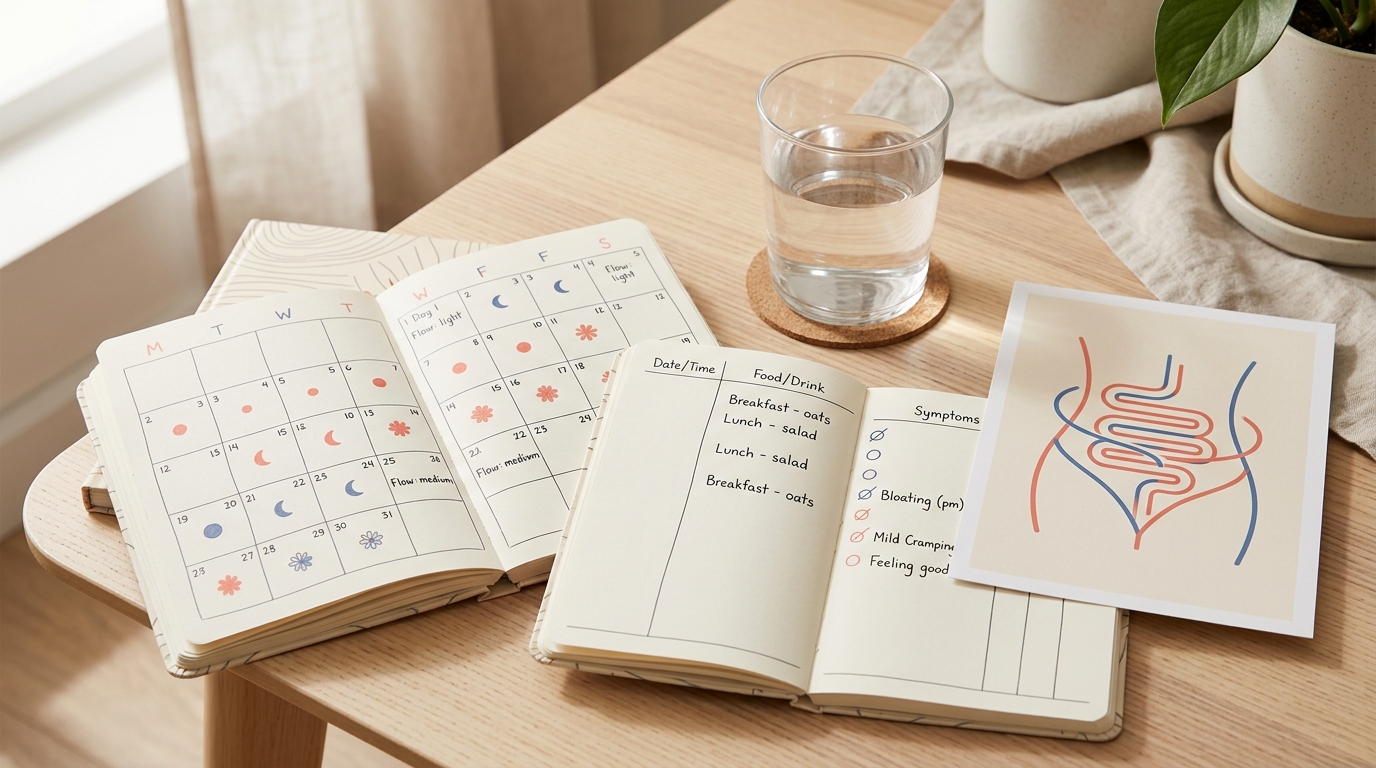
    Two-week reflux progress log showing daily symptom and timing columns.
    Two-week reflux progress log showing daily symptom and timing columns.

    Nexium may not be enough when reflux-like symptoms persist despite correct timing, consistent use, and a reasonable observation window. It also may not be the right answer when symptoms do not match classic heartburn or sour regurgitation. Alarm features change the priority: trouble swallowing, painful swallowing, vomiting blood, black stools, unexplained anemia, unintended weight loss, persistent vomiting, or severe chest pain should prompt urgent clinician input. The ACG GERD guideline highlights alarm symptoms as reasons for further evaluation rather than routine symptom-only management. Chest pain deserves extra caution because heart-related problems can mimic reflux sensations. A symptom log can show whether Nexium changed acid-related discomfort, but a log cannot confirm the cause. Persistent symptoms need a clinician’s review of medication timing, other medicines, diet pattern, stress, sleep position, and possible non-reflux causes. New or escalating symptoms deserve faster review than stable, mild symptoms.

    How should you track progress without fooling yourself?

    A reflux progress log should measure the same signals every day for at least 2 weeks. Record Nexium timing, first meal timing, heartburn episodes, regurgitation episodes, nighttime waking, rescue antacid doses, trigger meals, alcohol, caffeine, late eating, stress level, and symptom severity from 0 to 10. Use the same scale each day because changing the scale creates false progress. Compare weekly averages, not isolated highs or lows. Real improvement appears as lower frequency, lower severity, shorter duration, or fewer rescue behaviors. Add one notes line for unusual events, such as travel, missed doses, large late meals, or new medications. Do not change several lifestyle variables at once if the goal is clarity. A cleaner tracking period gives the clinician better information and helps separate medication response from natural day-to-day variation. A spreadsheet, paper calendar, or phone note can work if entries stay consistent.

    What should you ask a clinician before changing Nexium?

    Ask a clinician whether the Nexium dose, timing, duration, and follow-up plan match your symptom pattern. Ask whether the medication should be taken before breakfast, before dinner, or in another schedule based on your specific prescription. Ask what symptom threshold should trigger reassessment before the planned endpoint. Ask whether other medicines, pregnancy, kidney concerns, magnesium concerns, bone-health risk, or infection history changes the safety discussion. The FDA prescribing information for Nexium lists dosing, warnings, precautions, and drug-interaction details that clinicians use when weighing duration and monitoring. Ask how long to keep the symptom log and which changes matter most. Do not stop, restart, double, or taper prescription esomeprazole based only on internet guidance. A short appointment can turn a vague question, “Is this helping?” into a specific plan with dates, markers, and next steps.

    For a detailed comparison of specific products and strains, see How to Tell If a Probiotic Is Helping: Keep, Switch, or Stop?.

    What are the most common questions about Nexium progress?

    Can Nexium help if symptoms are not classic heartburn?

    Nexium is most informative when symptoms resemble acid-related heartburn or sour regurgitation. A clinician should evaluate symptoms such as chest pressure, swallowing trouble, persistent nausea, or unexplained weight loss because those patterns need a broader review.

    Is one symptom-free day enough evidence of progress?

    One symptom-free day is encouraging, but it is weak evidence by itself. Weekly averages across heartburn frequency, regurgitation, night waking, and rescue antacid use give a more reliable signal.

    Should Nexium stop all reflux episodes?

    Nexium lowers stomach acid production; it does not create a physical barrier that blocks every reflux event. A person can have less acidic reflux and still notice pressure, burping, throat symptoms, or regurgitation.

    What if symptoms improve but return at night?

    Night symptoms can reflect late meals, sleep position, alcohol, larger evening portions, or medication timing. A clinician can review whether the pattern fits reflux management, another upper digestive issue, or a medication-schedule problem.

    What if Nexium works only when I avoid many foods?

    Heavy restriction can make progress hard to interpret because fewer triggers may hide symptoms. A structured log should separate medication timing, food pattern, meal size, and symptom severity before drawing conclusions.

    Can I change the dose if progress feels slow?

    Do not change prescription esomeprazole dose or schedule without clinician guidance. Dose changes depend on the reason for use, symptom pattern, safety factors, other medicines, and the planned reassessment window.

    When should I seek urgent help?

    Seek urgent medical help for severe chest pain, vomiting blood, black stools, fainting, trouble swallowing, or symptoms that feel different from your usual reflux pattern. These signs require prompt human evaluation, not home tracking.

  • Why Fruits and Vegetables Support Gut Health Without the Bro Science

    Why Fruits and Vegetables Support Gut Health Without the Bro Science

    Fruits and vegetables support gut health because plant fibers feed beneficial gut bacteria, water helps stool move, and polyphenols act as microbial fuel and signaling compounds. The practical reason is not “detox.” Plant variety gives the colon fermentable substrates, micronutrients, and bulk that help digestion stay more regular.

    How did we evaluate the gut-health case for fruits and vegetables?

    We evaluated fruits and vegetables by looking at three digestive mechanisms: dietary fiber, microbial fermentation, and plant bioactive compounds. Human guidance from the National Institute of Diabetes and Digestive and Kidney Diseases and the World Health Organization received more weight than animal studies, cell studies, or influencer claims. Peer-reviewed reviews in Cell and mSystems helped explain mechanisms, but mechanistic evidence does not prove that one apple or one salad changes digestion in a predictable way for every person. We excluded “detox,” alkaline-diet, and cleanse claims because normal digestion depends on the gastrointestinal tract, liver, kidneys, bile flow, pancreatic enzymes, colonic bacteria, and hydration rather than a single magic food. The useful question is narrower: which parts of fruits and vegetables reliably give the gut substrates, water, and chemical diversity it can use in ordinary daily meals?

    How do fruits and vegetables actually help digestion?

    Fruits and vegetables help digestion through bulk, water, fermentable carbohydrates, and micronutrients. Insoluble fiber from foods such as broccoli stems, carrot skins, pear skins, and leafy greens increases stool mass because human enzymes do not fully break it down in the small intestine. Soluble fiber from apples, citrus, peas, beans, and oats forms viscous gels that slow transit and changes stool texture. The National Institute of Diabetes and Digestive and Kidney Diseases says adults generally need about 22 to 34 grams of fiber per day, and fluids help fiber work better. That does not mean raw vegetables are automatically better than cooked vegetables. Cooking can soften plant cell walls, reduce chewing burden, and make some foods easier to tolerate. The digestive value comes from consistent plant intake, not from one oversized “healthy” meal alone.

    Why does fiber feed gut bacteria instead of just passing through?

    Dietary fiber feeds gut bacteria because the human small intestine lacks many enzymes needed to split plant polysaccharides into absorbable sugars. Colonic bacteria carry carbohydrate-active enzymes that ferment resistant starch, pectin, inulin-type fructans, beta-glucans, and other fibers. Fermentation produces short-chain fatty acids such as acetate, propionate, and butyrate. A mechanistic review in Cell describes short-chain fatty acids as key bacterial metabolites linking dietary fiber, gut microbes, and host physiology. That evidence is strongest for the mechanism, not for precise individual outcomes after a single food. Beans, lentils, berries, onions, asparagus, bananas, and artichokes supply different fermentable substrates, so microbial response depends on the full pattern. A low-fiber diet gives the colon fewer substrates; a varied plant pattern gives more bacterial groups something to use. Those acids interact with colon cells and local immune signaling.

    What do polyphenols and plant variety add beyond fiber?

    Illustration of plant fiber fermentation by gut bacteria producing short-chain fatty acids.
    Illustration of plant fiber fermentation by gut bacteria producing short-chain fatty acids.

    Polyphenols add chemical diversity that fiber alone does not provide. Berries supply anthocyanins, apples supply flavanols, citrus supplies hesperidin, onions supply quercetin, and leafy greens supply carotenoids and phenolic acids. Human absorption of many polyphenols is limited in the small intestine, so gut microbes transform part of that intake into smaller metabolites. The American Gut Project, published in mSystems, found that participants reporting more than 30 different plant foods per week had more diverse gut microbiomes than participants reporting 10 or fewer, although the study was observational and could not prove causation. Plant variety therefore functions like a wider ingredient list for the microbiome. The point is not to chase exotic powders. The point is to rotate ordinary foods across regular meals: berries, beans, greens, orange vegetables, cruciferous vegetables, herbs, seeds, and whole grains.

    What should you know before increasing fruits and vegetables?

    More fruits and vegetables are not always better immediately. A sudden jump from low fiber to high fiber can increase gas, pressure, or loose stools because colonic bacteria ferment new substrates before the gut adapts. The NIDDK recommends adding fiber a little at a time and drinking enough fluid so fiber can hold water effectively. Tolerance also differs by food structure. Cooked carrots, peeled apples, ripe bananas, zucchini, and potatoes may feel easier than raw cruciferous vegetables, onion, or large bean portions for some people. People with medically diagnosed digestive conditions, swallowing problems, recent gastrointestinal surgery, or clinician-directed low-fiber diets should follow professional guidance rather than generic internet advice. The safest practical move is gradual variety: add one serving, observe tolerance, then build from there. This pacing protects consistency, which matters more than speed.

    What is the simplest way to put this into practice?

    The simplest strategy is to make plant intake boringly repeatable. The World Health Organization recommends at least 400 grams of fruits and vegetables per day, excluding starchy roots such as potatoes and cassava, as part of a healthy dietary pattern. For digestion, a practical version is one fruit at breakfast, one vegetable at lunch, one cooked vegetable at dinner, and one legume or high-fiber side several times per week. Frozen vegetables, canned beans, bagged greens, apples, bananas, carrots, and berries count for most adults because the gut responds to substrates, not culinary virtue points. Variety matters more than perfection. A useful weekly target is color plus category: leafy green, cruciferous vegetable, orange vegetable, berry, citrus, legume, allium, and one fruit with edible skin. That mix covers both fiber structure and phytochemical range without tracking everything.

    For a detailed comparison of specific products and strains, see What’s the Best Fiber Supplement for Gut Health? An Evidence-Based Comparison.

    For a detailed comparison of specific products and strains, see Constipation and Bloating Daily? Match the Right Support to the Pattern.

    What questions do people ask about fruits, vegetables, and gut health?

    Do fruits and vegetables “clean out” the gut?

    Fruits and vegetables do not scrub the intestine like a brush or perform a detox. Fiber, water, bile acids, intestinal contractions, and stool formation support normal elimination.

    Is fruit bad for gut health because it contains sugar?

    Whole fruit is different from fruit juice or candy because intact fruit contains water, fiber, potassium, vitamin C, and polyphenols. Apples, berries, oranges, kiwi, and pears deliver carbohydrates inside a plant matrix that changes digestion speed.

    Are raw vegetables better than cooked vegetables?

    Raw vegetables preserve crisp texture, but cooked vegetables can be easier to chew and tolerate. Steaming, roasting, or sautéing can soften fiber while still supplying plant substrates.

    Which fruits are most useful for digestion?

    Berries, pears, apples with skin, oranges, kiwi, and prunes are useful because they combine water, soluble fiber, insoluble fiber, and polyphenols. Individual tolerance matters, so portion size should increase gradually.

    Which vegetables are most useful for gut bacteria?

    Legumes, onions, garlic, asparagus, artichokes, leafy greens, carrots, peas, and cruciferous vegetables provide different fermentable carbohydrates and phytochemicals. A mixed pattern supports broader microbial exposure than repeating one vegetable daily.

    Can you get enough fiber without vegetables?

    A person can get fiber from whole grains, legumes, nuts, seeds, and fruit, but vegetables make the pattern easier to diversify. Vegetables add volume, minerals, bitter compounds, and polyphenols with relatively low energy density.

    What is the bottom line?

    The “bro science” version is half right if it means plants feed the gut. The accurate version is that fruits and vegetables supply fiber, fluid, resistant plant compounds, and variety that gut microbes and normal bowel function can use over time.

  • Does Your Digestion Feel All Over the Place? How to Spot the Pattern First

    Does Your Digestion Feel All Over the Place? How to Spot the Pattern First

    Digestion can feel “all over the place” when several low-grade patterns overlap, especially meal timing, stool irregularity, stress, and fermentable foods. That does not automatically point to one disease or one perfect supplement. It usually points to a tracking problem. Pattern clarity comes first, because mixed digestive symptoms are easier to understand when you follow triggers instead of chasing single sensations.

    How we evaluated mixed digestion-pattern questions

    We prioritized symptom-pattern guidance from the NIDDK constipation overview, the NIDDK indigestion overview, Monash University guidance on FODMAP triggers, and the Mayo Clinic GERD overview. We compared repeat patterns, not isolated bad days. We excluded diagnosis language, because bleeding, weight loss, progressive swallowing trouble, and severe pain need medical review instead of home guesswork.

    Why can digestion feel unpredictable even when nothing obvious changed?

    Digestion often feels random when multiple small inputs stack on top of each other. A person might eat quickly, sit more than usual, sleep poorly, add more coffee, and miss a few bowel movements in the same week. None of those changes looks dramatic alone, but together they can create bloating, nausea, fullness, constipation, or reflux. The NIDDK indigestion overview notes that upper-abdominal symptoms often overlap instead of arriving as one clean signal. Monash University uses the FODMAP framework for a similar reason, because repeated food triggers can create gas and distention that feel inconsistent when meals vary day to day. The body is usually following a pattern, just not a simple one. “All over the place” often means the feedback loops are mixed, not that digestion has stopped making sense.

    Which daily patterns usually create the “all over the place” feeling?

    The most common mixed-pattern buckets are slow stool transit, fast-fermenting food load, upper-gut irritation, and stress-amplified gut sensitivity. Constipation can create pressure, incomplete emptying, and downstream bloating, which the NIDDK constipation overview describes as a common overlap. Fermentation patterns usually show up after onions, garlic, wheat, beans, or sugar alcohols, which is why Monash University keeps those foods central to the FODMAP model. Upper-gut irritation tends to track with large meals, lying down after dinner, alcohol, or late-night eating, which fits the Mayo Clinic GERD guidance. Stress adds another layer because the gut becomes more reactive when the nervous system stays activated. Mixed digestion usually reflects overlapping patterns, not one mysterious invisible cause.

    What should you track before jumping to supplements?

    Infographic showing the four main daily patterns that can make digestion feel all over the place.
    Infographic showing the four main daily patterns that can make digestion feel all over the place.

    The most useful first move is a seven-day pattern log with four columns, meals, stool pattern, symptom timing, and body position. Write down when symptoms start, not just what they feel like. A bloated lower abdomen after two skipped bowel movements points in a different direction than throat burn after a late dinner. The Mayo Clinic GERD overview makes timing and body position central clues for reflux-style symptoms. The NIDDK constipation guidance makes stool frequency and stool difficulty equally important for lower-gut patterns. Keep caffeine, alcohol, dairy, and the highest-FODMAP foods visible in the log. The goal is not perfection. The goal is signal. Once a repeat pattern shows up, later choices about food changes, gentle routine support, or clinician review become much less sloppy.

    When does a messy digestive pattern need medical review?

    Home tracking is useful until red flags show up. Unintentional weight loss, persistent vomiting, black stool, blood in stool, progressive swallowing trouble, new severe pain, or chest pain that feels intense should move the plan out of self-testing mode. The Mayo Clinic GERD overview flags swallowing trouble and weight loss as reasons to get checked. The NIDDK indigestion page also notes that persistent or worsening symptoms deserve evaluation. A pattern can be mixed and still deserve real care. The point of an article like this is not to keep someone home forever. The point is to help people separate ordinary digestive noise from signals that are strong enough, persistent enough, or risky enough that guessing becomes the dumb option.

    For a detailed comparison of specific products and strains, see Best Fiber Supplement for Bloating and Digestion: What to Look For.

    For a detailed comparison of specific products and strains, see Constipation and Bloating Daily? Match the Right Support to the Pattern.

    FAQ

    Is it normal for symptoms to switch between bloating, reflux, and constipation?

    Yes. Digestive symptoms often overlap because upper-gut and lower-gut patterns can influence each other in the same week. Mixed symptoms are common, even when the repeat triggers are ordinary.

    Does “all over the place” usually mean one specific disease?

    No. It can, but more often it reflects mixed inputs like food timing, stool irregularity, stress, and meal composition. Patterns matter more than one dramatic guess.

    Should you cut out lots of foods immediately?

    Usually no. Large elimination swings make the signal dirtier, not cleaner. A short symptom log often teaches more than a panicked all-food reset.

    Can stress really make digestion feel worse?

    Yes. Stress changes gut sensitivity and symptom perception, so ordinary meals can feel louder when the nervous system stays activated. That does not mean the symptoms are imaginary.

    How long should you track before deciding the next step?

    About one week is often enough to see whether the pattern tracks with meals, stool changes, dairy, late eating, or body position. Clean notes beat vague memory fast.

    When should you stop self-tracking and get checked?

    If symptoms come with bleeding, ongoing vomiting, severe pain, weight loss, or progressive swallowing trouble, stop playing detective and get evaluated. Red flags change the whole plan.


  • Eating Tums Like Candy? What Frequent Antacid Use Usually Means

    Eating Tums Like Candy? What Frequent Antacid Use Usually Means

    Using calcium carbonate antacids all day usually means the underlying trigger is not actually under control. Reflux, late meals, alcohol, NSAID use, caffeine, or large portions often keep the burn cycling back. Frequent rescue use is common, but swallowing antacids repeatedly is a clue to step back, track patterns, and escalate when red flags appear.

    How did we evaluate what frequent Tums use usually means?

    We prioritized the American College of Gastroenterology GERD guideline, the NIDDK overview of GER and GERD, MedlinePlus guidance on calcium carbonate antacids, and NHS guidance on heartburn and acid reflux. We gave more weight to guideline-level explanations of reflux patterns and medication labeling than to forum anecdotes because rescue-antacid habits are easy to normalize and easy to misread. We also separated occasional symptom relief from repeated daily dependence. That distinction matters because an antacid can be useful while still signaling that the pattern behind the symptoms needs a closer look.

    Why do people end up reaching for antacids so often?

    Frequent antacid use usually happens because the trigger pattern stays in place while the tablet only quiets the symptom for a short window. The NIDDK notes that reflux commonly flares after large meals, late eating, alcohol, smoking, obesity, and certain medicines such as NSAIDs. The ACG guideline also makes clear that reflux symptoms overlap with functional heartburn and dyspepsia, which means repeated burning does not always equal one simple cause. Calcium carbonate can neutralize acid briefly, but it does not fix meal timing, volume, abdominal pressure, or an irritating medication pattern. Rescue relief feels helpful, so people repeat it. Repetition then starts to feel normal. The pattern becomes self-explaining, even when it should not. A pocket full of antacids is sometimes convenience. A pocket full of antacids is sometimes data.

    What does frequent Tums use fail to tell you by itself?

    Frequent Tums use does not tell you whether the driver is classic reflux, ulcer-type irritation, medication-related irritation, functional dyspepsia, or something else entirely. That is why context matters more than the number of chewables. The NHS emphasizes that heartburn often responds to food and lifestyle patterns, while MedlinePlus notes that calcium carbonate is meant for symptom relief, not for endless unsupervised escalation. The tablet does not explain whether symptoms are triggered by coffee, lying down after dinner, ibuprofen, carbonated drinks, or stress-heavy evenings. It also does not explain whether symptoms are truly acid-related at all. Relief after an antacid can happen for several upper-GI patterns. That is useful, but it is not a diagnosis. If the symptom keeps returning, the important question becomes pattern recognition, not just chew-counting.

    When does frequent antacid use stop being a casual habit?

    Weekly symptom tracker showing meal timing, caffeine intake, and antacid use
    Weekly symptom tracker showing meal timing, caffeine intake, and antacid use

    Frequent antacid use stops being casual when the symptom burden is rising, the dose keeps climbing, or the pattern includes alarm features. The ACG guideline and NIDDK both point toward a higher bar for caution when reflux symptoms are paired with trouble swallowing, painful swallowing, vomiting, black stools, bleeding, unexplained weight loss, chest pain, or symptoms that disturb sleep repeatedly. The habit also deserves a closer look when the person is using antacids most days just to get through normal meals. Rescue use is one thing. Dependency on rescue use is another thing. The symptom may still turn out to be manageable, but the pattern has already changed category. The body is basically sending calendar invites at that point, which is rude but informative.

    What should you track before deciding what to do next?

    A seven-day log usually clarifies frequent antacid use better than memory does. Track meal size, meal timing, caffeine, alcohol, carbonated drinks, tomato-heavy meals, chocolate, mint, NSAID use, bedtime, and whether symptoms improve after smaller earlier dinners. The NHS recommends noticing lifestyle triggers because reflux patterns often become obvious only when written down. Also track whether the discomfort is burning behind the breastbone, sour regurgitation, upper-abdominal pressure, or something less typical. Those details help separate likely reflux from other upper-GI patterns. Count the rescue tablets too. Frequency matters. Timing matters. Clustering matters. A symptom log will not replace medical evaluation when red flags are present, but it often turns a vague “I am eating Tums like candy” story into a much sharper next-step conversation.

    What questions do people still ask about using Tums too often?

    Is using Tums every day automatically dangerous?

    Not automatically, but daily reliance usually means the trigger pattern deserves a closer look. Repeated rescue use is a signal, not just a habit.

    Can antacids hide a more important problem?

    Yes. Symptom relief can make reflux, irritation, or another upper-GI issue feel temporarily smaller without explaining why it keeps returning.

    What common habits make antacids feel necessary all the time?

    Large late meals, alcohol, caffeine, carbonated drinks, lying down soon after eating, and NSAID use are common culprits. Pattern tracking matters more than guessing.

    When should someone stop self-managing and get checked sooner?

    Trouble swallowing, weight loss, vomiting, bleeding, black stools, chest pain, or worsening symptoms despite frequent rescue use deserve faster evaluation.

    Does relief after Tums prove the issue is definitely acid reflux?

    No. Relief can happen with several upper-GI patterns. It is a clue, not a clean diagnosis.

  • Yoga for Bloating: What It Can Actually Help, What It Cannot, and the Best Poses to Start With

    Yoga for Bloating: What It Can Actually Help, What It Cannot, and the Best Poses to Start With

    Gentle yoga can reduce bloating for some people by easing abdominal wall tension, improving movement, and helping gas move through the gut, but it does not fix every cause. Yoga works best as a symptom-management tool, not a diagnosis or cure. Food triggers, constipation, reflux, and stress patterns still matter.

    How did we evaluate yoga for bloating?

    We prioritized the NIDDK overview of gas in the digestive tract, the NCCIH summary on yoga research, and clinical reviews on yoga for functional bowel symptoms, including a systematic review in Clinical Gastroenterology and Hepatology. We gave more weight to human symptom studies than to theory-heavy claims about detox or organ squeezing. We also separated bloating relief from disease treatment because those are not the same question. That matters because yoga can be useful even when it is not the main fix.

    Can yoga really reduce bloating?

    Yoga can reduce bloating when the main drivers are gas retention, constipation, abdominal wall tension, or stress-linked gut sensitivity. Controlled breathing changes abdominal pressure. Trunk rotation changes posture. Walking-style movement changes transit. Those mechanisms are plausible, and small clinical studies in people with functional bowel symptoms suggest yoga can improve bloating, discomfort, and perceived bowel regularity, although the evidence is not as strong as a large medication trial. The NIDDK also notes that swallowed air, constipation, and food triggers commonly shape bloating, which explains why a movement-based approach sometimes helps. Yoga is therefore best understood as a low-risk support strategy. Yoga does not erase lactose intolerance. Yoga does not neutralize a high-FODMAP meal. Yoga helps most when the gut is irritable, the body is tense, and the plan also addresses the actual trigger pattern.

    Which yoga positions are the most reasonable to try first?

    The safest starting poses are the ones that reduce strain and encourage gentle abdominal movement, not dramatic twists copied from social media. Child’s pose supports diaphragmatic breathing. Supine knees-to-chest shortens the abdominal wall and can help trapped gas feel easier to pass. A reclined spinal twist can reduce tension around the trunk. Cat-cow changes spinal position and often feels better than deep compression. A short walk after these poses often works better than another ten minutes on the mat because movement keeps gas and stool from stalling. The NCCIH notes that yoga is generally safe when adapted to the person, but pain should stop the session. Best for immediate pressure relief, knees-to-chest. Best for stress-linked tightness, child’s pose plus slow exhale breathing. Best for morning sluggishness, cat-cow followed by walking.

    What else should you change if yoga helps only a little?

    Three gentle yoga positions often used when bloating feels uncomfortable.
    Three gentle yoga positions often used when bloating feels uncomfortable.

    Partial relief usually means yoga is helping the symptom experience while another factor keeps recreating the problem. Constipation can keep gas trapped higher in the gut. Carbonated drinks can increase swallowed air and gastric distension. Onion, garlic, wheat, beans, and sugar alcohols can trigger fermentative bloating in people who are FODMAP-sensitive, a pattern summarized well by Monash FODMAP guidance. Meal speed matters too. Fast eating increases air swallowing. Large late meals increase upper-abdominal pressure. The smartest next step is not a wellness scavenger hunt. The smartest next step is a short log: what you ate, when the bloating started, whether bowel movements changed, and whether yoga altered the feeling. Patterns beat guessing. If yoga helps but does not finish the job, that is still useful information. It suggests the body responds to movement, and the missing piece may be diet, bowel regularity, or reflux management rather than a lack of stretching discipline.

    When is bloating not really a yoga problem?

    Bloating deserves a broader look when it keeps escalating, appears with vomiting, comes with unintentional weight loss, wakes you from sleep, or changes bowel habits in a sustained way. Those features shift the question from comfort management to proper evaluation. The NIDDK notes that recurrent bloating can overlap with constipation, food intolerance, celiac disease, or other digestive conditions. Yoga is still fine as support, but it should not become a delaying tactic. People also misread upper-belly pressure as lower-gut gas. Reflux, functional dyspepsia, and even posture-related chest tightness can create that confusion. If the bloating pattern is new, severe, or paired with red-flag symptoms, movement is not the main question anymore. The main question is why the pattern changed. Yoga belongs in the relief toolbox. It does not belong in charge of diagnostic decision-making.

    For a detailed comparison of specific products and strains, see Do Digestive Enzymes Actually Work for Bloating? What Consistent Results Depend On.

    For a detailed comparison of specific products and strains, see Digestive Enzymes Saved My Life? What Actually Determines Whether They Work.

    What questions do people still ask about yoga for bloating?

    How long should a yoga session be?

    Ten to fifteen minutes is usually enough to test whether the body responds. Longer is not automatically better if the main issue is food triggering or constipation.

    Is twisting the most important part?

    No. Breathing, gentle compression, and walking often matter more than aggressive twisting. Deep twists can feel worse when the abdomen is already irritated.

    Can yoga help bloating caused by constipation?

    Sometimes, yes. Movement and breathing can make stool and gas easier to pass, but persistent constipation usually needs hydration, fiber strategy, or clinician-guided evaluation too.

    Should you do yoga right after eating?

    Usually not. A short walk tends to feel better immediately after meals. Yoga often works better when the stomach is less full.

    Can yoga tell you what food is causing the problem?

    No. It can show that movement helps symptoms, but it cannot identify the trigger. A food and symptom log does that job better.

  • Why Do Some People See Better Skin After Fixing Gut Health, While Others Do Not?

    Why Do Some People See Better Skin After Fixing Gut Health, While Others Do Not?

    Skin changes sometimes improve after gut-health changes because diet quality, sleep, bowel regularity, and inflammatory load often improve together, not because the gut “detoxes” the skin overnight. Some people notice clearer skin when those inputs align. Others do not, because acne, rosacea, and eczema each have different drivers and timelines.

    How did we evaluate the gut-skin connection?

    We prioritized the American Academy of Dermatology overview of acne triggers, the NIH National Eczema Association summary on eczema triggers, the NCCIH overview of probiotics, and peer-reviewed reviews on the gut-skin axis, including a 2022 review in Microorganisms. We gave more weight to human studies and guideline-level summaries than to before-and-after anecdotes because skin outcomes are easy to over-credit to one habit. We also separated acne, eczema, and general “glow” claims because those are not the same outcome. We looked for realistic explanations that combine diet quality, sleep, hydration, and barrier health instead of pretending one gut tweak explains every skin change. That distinction matters because a routine can improve digestion without producing visible skin change.

    Why can gut-health changes affect skin for some people?

    The gut and skin share immune, barrier, and dietary inputs, so one routine change can influence both systems at once. A higher-fiber diet can change stool consistency and microbial fermentation. Better meal regularity can reduce ultra-processed snack intake. Better sleep can lower stress reactivity. Those shifts can indirectly change skin oil production, itch perception, or inflammation patterns. The Microorganisms review describes this as the gut-skin axis, but the strongest evidence is still mixed and condition specific. Acne does not behave exactly like eczema. Rosacea does not behave exactly like acne. The important point is boring and useful. Skin improvement usually reflects a cluster of better inputs, not one magical gut fix. When people improve digestion, they often improve food quality, hydration, sleep timing, and consistency too. The skin may be reacting to the whole package.

    Why do some people change their gut routine and see nothing in their skin?

    Skin can stay exactly the same because the main driver may have nothing to do with gut-related habits. Hormones, genetics, skincare irritation, medication effects, and chronic stress can all outweigh food or digestion changes. The American Academy of Dermatology notes that acne patterns are multifactorial, which means dietary cleanup helps some people more than others. Timing also matters. A few calmer digestion days do not automatically translate into visible skin change. Barrier repair and inflammatory changes often move slower than symptom relief after a meal plan change. Another issue is measurement. People often compare one great week with one terrible month and call it proof. That is not proof. It is weather. If the skin problem is driven by hormones, irritants, or another non-digestive factor, improving gut habits may still help overall wellbeing without creating a dramatic face-level result.

    What gut-related changes have the most plausible skin overlap?

    Educational illustration of the gut-skin connection and the daily factors that influence both systems.
    Educational illustration of the gut-skin connection and the daily factors that influence both systems.

    The most plausible overlap usually comes from basics, not biohacking theater. Regular meals support steadier energy intake. Fiber supports bowel regularity and short-chain fatty acid production. Fermented foods can broaden dietary diversity for some people. Hydration supports stool softness and skin barrier function. Sleep supports immune regulation. The USDA Dietary Guidelines and NCCIH probiotic overview fit this calmer framing better than any “heal your gut, heal your face” slogan. If someone notices clearer skin after fixing constipation, reducing highly processed foods, or eating more consistently, that pattern makes sense. If someone adds one supplement while sleeping five hours and eating chaotically, the skin result will be harder to read. The useful question is not “What secret gut hack changes skin?” The useful question is “Which daily inputs changed enough to reduce total inflammatory friction?” That answer is usually less sexy and more real.

    When is a skin issue probably bigger than a gut-routine experiment?

    A gut-focused experiment stops being enough when the skin pattern is severe, rapidly worsening, painful, infected, or emotionally disruptive. The AAD acne guidance and National Eczema Association trigger guide both support looking beyond food alone when rashes, cystic breakouts, or persistent flares keep escalating. Blood in stool, unexplained weight loss, chronic diarrhea, or major abdominal pain also deserve separate attention because those features are not ordinary “my gut and skin feel off” territory. The cleanest rule is this. Mild digestion improvements can support skin indirectly. They should not be expected to solve every skin condition. If the skin issue looks intense, treatment-resistant, or medically complicated, that is a signal to widen the lens instead of blaming your microbiome for everything. The gut-skin axis is real. It is just not the only axis in town.

    For a detailed comparison of specific products and strains, see Emma Relief vs Let Loose for Gut Health: Which Type of Formula Fits Better?.

    What questions do people still ask about gut health and skin?

    Can probiotics clear acne on their own?

    Probably not on their own. Some preliminary human research is interesting, but acne is multifactorial and current evidence is not strong enough to treat probiotics like a guaranteed skin fix.

    Does constipation make skin look worse?

    Constipation can make some people feel more inflamed, uncomfortable, and generally off. That does not prove constipation directly causes acne, but improving regularity can still improve how someone looks and feels overall.

    How long should someone wait before judging a gut-related skin change?

    Longer than a few days. A steadier two-to-six week routine tells you more than one unusually good or bad weekend.

    Are fermented foods better than supplements for skin?

    Not automatically. Fermented foods improve dietary variety for some people, while supplements are narrower tools. The best option depends on tolerance, consistency, and the actual goal.

    Is the gut-skin axis fake?

    No, but it is easy to overstate. There is plausible biology and emerging research, yet the real-world effect size varies a lot from person to person.

  • What Is Globus Sensation? Common Triggers, Reflux Overlap, and When to Get Checked

    What Is Globus Sensation? Common Triggers, Reflux Overlap, and When to Get Checked

    Globus sensation usually feels like a lump, pressure, or tightness in the throat even when nothing is actually stuck. Reflux, throat-muscle tension, postnasal drip, and stress can all contribute. The symptom is common and often benign, but trouble swallowing, weight loss, pain, or progressive symptoms deserve faster medical evaluation.

    How did we evaluate what globus sensation usually means?

    We prioritized the Rome Foundation review on globus, the NHS overview of globus, the American College of Gastroenterology GERD guideline, and a BMJ Best Practice summary on globus and dysphagia. We gave more weight to guideline-level symptom descriptions and red-flag screening than to forum anecdotes because throat symptoms overlap heavily. We also separated the feeling of a lump from true food sticking, because those patterns point in different directions. That distinction matters because globus is often uncomfortable but not dangerous, while progressive swallowing problems need a more urgent lens.

    What does globus sensation usually feel like?

    Globus sensation usually feels like pressure, fullness, or a lump in the throat when no physical blockage is present. The symptom often comes and goes. It often feels more noticeable between meals than during swallowing, which is one clue that helps separate it from mechanical obstruction. The NHS notes that people commonly describe a tight throat or the urge to clear it repeatedly. Reflux can contribute because acid or non-acid material can irritate the upper throat. Muscle tension can contribute because the throat and neck respond quickly to stress, voice overuse, and repeated clearing. The key detail is pattern. A lump feeling without true food sticking fits globus more closely than a symptom where solids repeatedly hang up on the way down. Similar location does not mean similar cause. Throat awareness is real, even when no object is there.

    What usually triggers globus sensation?

    Globus sensation often shows up when reflux, upper-throat irritation, postnasal drip, or tension are all feeding the same small area. The ACG GERD guideline and NHS guidance both support reflux overlap as one common explanation, especially when symptoms worsen after meals, with throat clearing, or when lying down. Postnasal drip matters because mucus can keep the throat irritated and can make swallowing feel unusually noticeable. Stress matters because throat muscles tighten quickly under stress, and that muscular response can make a normal sensation feel loud and persistent. Voice-heavy days can also aggravate the pattern. The practical point is that globus is usually multifactorial. One person has reflux plus throat clearing. Another person has allergies plus neck tension. The symptom is often real, patterned, and annoying without being a sign that something is physically lodged there.

    When does globus stop being a simple educational question?

    Diagram showing common factors linked to globus sensation, including reflux and throat tension.
    Diagram showing common factors linked to globus sensation, including reflux and throat tension.

    Globus needs a faster medical look when the pattern shifts from a lump feeling to actual swallowing difficulty, painful swallowing, food sticking, bleeding, unexplained weight loss, persistent vomiting, or progressive worsening. The BMJ Best Practice overview and ACG guideline both emphasize red flags because throat symptoms can overlap with esophageal narrowing, significant inflammation, or other conditions that should not be guessed at from a symptom thread. Chest pain also deserves a higher bar for caution because reflux is common but not the only explanation. Duration matters too. A mild, on-and-off symptom with stable eating is different from a symptom that steadily gets louder or changes how swallowing works. The safest rule is simple. A familiar lump feeling is one thing. A lump feeling plus weight loss, pain, or true obstruction-type symptoms is a different category entirely.

    What can you track before deciding what to do next?

    A short log usually clarifies globus better than memory does. Track meal timing, caffeine, alcohol, acidic foods, throat clearing, allergy symptoms, voice strain, stress-heavy days, and whether the sensation improves during meals or gets worse afterward. That pattern matters because globus often softens while swallowing, whereas true obstruction usually becomes more obvious with swallowing. The NHS encourages symptom review because the trigger pattern often reveals whether reflux or tension is the bigger driver. Also note whether you are repeatedly checking your throat, dry-swallowing, or clearing it. Those habits can keep the cycle loud. Data beats doomscrolling. A seven-day log will not diagnose the cause, but it often makes the next step much less random. Pattern first, panic later, ideally never.

    What questions do people still ask about globus sensation?

    Is globus sensation the same as dysphagia?

    No. Globus is the feeling of a lump or pressure. Dysphagia means swallowing is actually difficult or food seems to stick.

    Can reflux cause globus?

    Yes. Reflux can irritate the throat and make the area feel tight or full. It is one common contributor, not the only one.

    Does stress really make it worse?

    Yes. Stress can increase throat-muscle tension and make normal sensations feel much more noticeable. That does not mean the symptom is imagined.

    Why does it sometimes feel better while eating?

    That pattern is common in globus. A true obstructive swallowing problem often becomes more obvious during meals instead.

    When should someone get checked sooner?

    Trouble swallowing, painful swallowing, food sticking, weight loss, bleeding, or steadily worsening symptoms deserve faster medical review. Those features change the risk picture.

  • Is There an IBS Cure? What the Latest Findings Actually Show

    Is There an IBS Cure? What the Latest Findings Actually Show

    There is no single IBS cure, and the latest findings still support symptom-pattern management rather than one permanent fix. The strongest evidence favors a personalized combination of diet changes, stress-aware care, gut-directed medications when appropriate, and selective use of fiber or probiotics. The real shift is precision, not a miracle breakthrough.

    How did we evaluate the latest IBS findings?

    We prioritized the American College of Gastroenterology IBS guideline, the NIDDK overview of irritable bowel syndrome, the NICE IBS guideline, and the Monash University low-FODMAP evidence summary. We gave more weight to guideline-level recommendations and repeatable dietary evidence than to anecdotal “cure” claims from forums. We also separated symptom control from disease-erasure language because IBS is a long-term functional gut disorder, not a problem with one universal switch. That matters because people searching for a cure usually need a better framework before they need another supplement list.

    What is the biggest misconception about an IBS cure?

    The biggest misconception is that IBS should have one root cause and one clean solution. IBS usually behaves more like a pattern disorder involving gut-brain signaling, motility, food sensitivity, and visceral hypersensitivity. The ACG guideline and NIDDK both describe IBS as a syndrome with several symptom pathways rather than one disease mechanism. That is why one person improves with soluble fiber while another improves with a low-FODMAP approach or stress-targeted therapy. Precision matters. A fix that helps constipation-predominant IBS can miss diarrhea-predominant IBS completely. A tool that calms post-meal urgency can do nothing for bloating. The honest answer is less sexy than “cure” marketing. IBS management usually improves by narrowing triggers, matching tools to symptom subtype, and staying consistent long enough to learn what your gut is actually reacting to.

    Which approaches have the strongest support right now?

    The most reliable IBS approaches are still structured, not flashy. The ACG guideline supports a limited trial of a low-FODMAP diet when done carefully, and the NICE guideline continues to emphasize meal regularity, symptom tracking, and tailored fiber choices. Soluble fiber, especially psyllium, has better support than insoluble bran because it can improve stool form without mechanically aggravating symptoms. Gut-directed psychological therapies also matter because the gut-brain axis influences pain amplification and bowel urgency. Peppermint oil has some supportive evidence for symptom relief, although not everyone tolerates it well. The pattern is clear. Better-supported tools reduce symptom burden. Better-supported tools do not erase IBS as a category. The latest findings are mostly about matching the right intervention to the right symptom profile instead of hoping a universal cure finally appeared last Tuesday.

    Why do probiotics, microbiome tests, and newer ideas still feel so uncertain?

    Graphic showing the main evidence-backed pillars of IBS symptom management.
    Graphic showing the main evidence-backed pillars of IBS symptom management.

    Microbiome research is real, but the commercial version often outruns the evidence. The NIDDK notes that probiotics may help some people, yet strain-specific effects remain inconsistent across IBS subtypes. The Monash summary also makes the larger point that food and symptom patterns still outperform expensive guesswork for many people. Direct-to-consumer microbiome tests sound precise, but they rarely produce treatment decisions that consistently beat simpler clinical tracking. Newer drugs and targeted therapies can help selected patients, especially when constipation, diarrhea, or pain clearly dominates, but that is still individualized care rather than a cure story. The frustrating truth is that IBS science has improved without becoming magical. Better classification exists. Better supportive tools exist. The uncertainty remains because IBS is heterogeneous, and heterogeneous problems punish one-size-fits-all answers.

    What should someone do next if they want the most practical progress?

    The smartest next step is to stop chasing “everything” and start narrowing the pattern. Track stool pattern, meal timing, caffeine, lactose, high-FODMAP foods, stress spikes, sleep disruption, and symptom intensity for two weeks. That kind of log usually exposes more useful information than another influencer thread. The NICE guideline supports regular meals, hydration, and trigger review before random elimination chaos. The ACG guideline also favors symptom-subtype matching, because constipation-predominant IBS and diarrhea-predominant IBS do not deserve the same script. Practical progress usually comes from one controlled change at a time. Precision beats panic. Consistency beats novelty. If symptoms include bleeding, weight loss, waking from sleep, anemia, or persistent fever, the frame changes completely, because those features deserve medical review rather than more internet experimentation.

    What questions do people still ask about an IBS cure?

    Has anyone actually cured IBS for good?

    Some people go into long quiet stretches, but that is not the same as proving IBS disappeared forever. Most experts describe IBS as a condition managed through trigger reduction and symptom control, not a one-time cure event.

    Is the low-FODMAP diet the best option for everyone?

    No. The low-FODMAP diet can help some people, but it works best as a structured short trial, not as a forever-food panic plan. Personalization matters more than strictness.

    Are probiotics the latest breakthrough?

    Not really. Some strains may help specific symptom patterns, but probiotic evidence is still product and strain specific. “Contains probiotics” is not the same thing as a reliable IBS solution.

    Does stress really make IBS worse?

    Yes. Stress can amplify gut sensitivity, bowel urgency, and pain perception through the gut-brain axis. That does not mean IBS is imaginary, it means the signaling loop matters.

    When is the situation not just IBS education anymore?

    Bleeding, unexplained weight loss, fever, anemia, nighttime symptoms, or progressive severity deserve medical review. Red flags change the question from management to evaluation.

    What is the bottom line on the latest IBS findings?

    The latest IBS findings support sharper personalization, not a miracle cure. Match the tool to the symptom pattern, track what actually changes, and ignore anyone selling one universal answer to a condition that clearly does not behave that way.

  • How to Stick to a Low FODMAP Diet for a Month or Two

    How to Stick to a Low FODMAP Diet for a Month or Two

    A low FODMAP diet works best as a short elimination-and-reintroduction plan, not a forever restriction. Most people stick with it more successfully when they simplify meals, batch a few safe staples, track symptom patterns, and reintroduce foods in a structured order with a registered dietitian or a Monash-style framework.

    How did we evaluate low FODMAP adherence?

    We prioritized clinical guidance from Monash University, the American College of Gastroenterology, and peer-reviewed reviews on low FODMAP implementation because those sources define the diet and its evidence base most clearly. We favored human trials and guideline statements over anecdotal elimination stories. We excluded rigid “safe food” lists that ignore portion size, because fermentable load changes with serving amount. This article focuses on practical adherence for a one- to two-month protocol, and it does not treat the diet as a permanent way of eating. Monash University, American College of Gastroenterology, and a review in Gastroenterology & Hepatology shaped the framework.

    What makes a low FODMAP diet hard to follow for a month or two?

    A low FODMAP diet becomes difficult when food decisions multiply faster than habits stabilize. Fructans, galacto-oligosaccharides, lactose, excess fructose, and polyols appear across sauces, snacks, restaurant meals, and “healthy” convenience foods, so the friction is cognitive as much as nutritional. Monash University emphasizes that portion size changes FODMAP load, which means one food can fit at one serving and become problematic at another Monash University. The American College of Gastroenterology also frames the diet as a structured short-term intervention, not an indefinite restriction American College of Gastroenterology. Adherence improves when the environment becomes predictable. A short list of repeat meals reduces decision fatigue. A shopping list organized by proteins, grains, produce, and condiments reduces label-reading errors. A symptom log separates digestive patterns from random bad days and helps people avoid unnecessary restriction.

    How can you make the elimination phase easier in real life?

    Shopper checking ingredient labels for common high FODMAP ingredients in a grocery aisle
    Shopper checking ingredient labels for common high FODMAP ingredients in a grocery aisle

    The elimination phase becomes easier when meals are boring on purpose for two to six weeks. A repeating base of rice, oats, potatoes, eggs, tofu, chicken, firm bananas, kiwi, spinach, carrots, zucchini, lactose-free dairy, and olive oil keeps the plan manageable because each item has a clearer serving threshold. Cleveland Clinic notes that low FODMAP success often depends on planning and staged reintroduction rather than perfection at every meal Cleveland Clinic. Batch cooking matters because hunger weakens compliance faster than uncertainty does. Two cooked proteins, one grain, one soup, and one portable snack option cover most workdays. Restaurant meals need a script: ask for plain protein, plain rice or potato, and sauce on the side. A phone note listing high-FODMAP surprise ingredients—garlic, onion, honey, inulin, chicory root, sorbitol—prevents common setbacks better than memory alone.

    What should you do after the first few weeks so the diet stays useful?

    The low FODMAP diet stays useful only when elimination leads into reintroduction. A review in Gastroenterology & Hepatology explains that the goal is identifying personal tolerance patterns, not proving that broad restriction feels safest forever. Reintroduction works better when one FODMAP group changes at a time, serving sizes step upward gradually, and meals stay otherwise stable. That structure lets you identify whether fructans, lactose, or polyols create the strongest response. Johns Hopkins Medicine also stresses professional guidance because over-restriction can narrow dietary variety unnecessarily Johns Hopkins Medicine. A practical next step is creating a “green list” of tolerated staples, a “yellow list” of portion-sensitive foods, and a “red list” for foods to retest later. That turns the process into a customized eating pattern instead of a temporary survival exercise.

    FAQ

    How long should the elimination phase last?

    Most clinical guidance frames elimination as short term, often around two to six weeks before reintroduction begins. Longer restriction can reduce variety without giving better insight.

    Do I need to avoid all fiber on low FODMAP?

    No. Oats, chia, kiwi, potatoes, and certain low FODMAP vegetables can still contribute fiber. The goal is lowering fermentable triggers, not removing all plant foods.

    Is low FODMAP the same as gluten-free?

    No. Wheat is often reduced because of fructans, not because gluten itself is the target. Sourdough spelt or small portions of some grains may fit differently than standard wheat products.

    Can I eat out while doing this?

    Yes, but simpler orders work better. Plain proteins, plain starches, and sauce on the side usually create fewer unknowns than mixed dishes.

    Should I reintroduce foods randomly?

    No. A structured sequence gives cleaner information. Testing one group at a time helps you learn tolerance instead of creating confusing overlap.

    Can I stay low FODMAP long term if I feel better?

    That is usually not the intended endpoint. Monash and major clinical sources frame the plan as a temporary diagnostic-style nutrition strategy followed by personalization.

    A low FODMAP diet becomes easier when the plan is short, repetitive, and structured. The best outcome is not perfect restriction; it is a clearer map of which foods, amounts, and patterns your body tolerates.


  • Pooping Once a Week? What It Usually Means and What to Do First

    Pooping Once a Week? What It Usually Means and What to Do First

    Pooping once a week is usually a sign that your bowel routine is moving too slowly, especially when stools are hard, painful, or difficult to pass. Constipation often improves with more fluid, more dietary fiber, regular movement, and a consistent toilet routine, but blood, vomiting, weight loss, or severe pain need medical evaluation.

    How we evaluated infrequent bowel movements

    We evaluated infrequent bowel movements by prioritizing human guidance from the National Institute of Diabetes and Digestive and Kidney Diseases, evidence reviews indexed in PubMed, and recent gastroenterology guidelines for chronic idiopathic constipation from the American Gastroenterological Association and American College of Gastroenterology. Human clinical guidance carries more weight here than animal data because bowel frequency, stool consistency, and response to fiber vary widely in real life. We excluded disease-specific treatment protocols because this article is about general educational support, not diagnosis. We also separated stronger evidence, such as guideline-backed laxative and fiber recommendations, from directional evidence, such as individual habit tips that help some people but do not work equally well for everyone. We did not rank products, brand formulas, or influencer claims because the target site is an educational cold-stage property focused on first-step understanding.

    What does pooping once a week usually mean?

    Pooping once a week usually means stool is staying in the colon longer than normal, which allows the colon to absorb more water and makes stool harder to pass. The NIDDK defines constipation by symptoms, not by one universal number, so bowel frequency matters alongside straining, hard stool, incomplete emptying, and blockage sensations. Rome IV criteria, which clinicians use in research and practice, classify chronic constipation by repeated symptom patterns rather than by mood or guesswork alone. A slower pattern can happen after low fiber intake, low fluid intake, less physical movement, schedule disruption, or delayed bathroom habits. Travel, shift work, and repeated stool-holding can also disrupt rectal signaling. Some medicines, including iron supplements, opioid pain medicines, and certain anticholinergic drugs, also slow bowel transit. If your normal pattern suddenly changed, that change matters more than comparing yourself with someone who goes daily.

    Which habits help most when bowel movements are this infrequent?

    Fluid intake supports stool softness, fiber increases stool bulk, and movement helps stimulate intestinal motility. The NIDDK treatment guidance recommends increasing fiber gradually because a sudden jump can increase bloating and gas. A systematic review in The American Journal of Gastroenterology found that fiber can improve stool frequency in chronic constipation, although response differs by fiber type and individual tolerance. Practical routine changes work best when they are specific: eat fiber-rich foods daily, drink water across the day, walk after meals, and sit on the toilet at the same time each morning or after breakfast. The gastrocolic reflex is strongest after eating, so that timing can help. A footstool can also improve anorectal angle positioning and reduce straining. Sleep regularity helps too, because circadian disruption can affect bowel timing. Habit consistency matters more than one aggressive fix.

    When should you stop self-managing and talk to a clinician?

    Everyday habits that can support more regular bowel movements, including hydration, fiber, walking, and toilet positioning
    Everyday habits that can support more regular bowel movements, including hydration, fiber, walking, and toilet positioning

    You should stop self-managing when constipation is new, persistent, progressively worsening, or paired with alarm symptoms. The NIDDK and major clinical guidelines treat blood in stool, unexplained weight loss, vomiting, fever, anemia, severe abdominal pain, and pencil-thin stool as reasons for medical review rather than more internet experimentation. The 2023 AGA and ACG guideline also supports a stepwise evaluation when basic measures fail, because thyroid disorders, pelvic floor dysfunction, medication effects, and other conditions can mimic routine constipation. Age matters too. Constipation that begins after age 50 deserves more attention than lifelong mild irregularity. Pregnancy, recent surgery, and new prescription changes also justify a lower threshold for medical advice. Duration matters as well. If you are still going only once a week after several weeks of hydration, fiber, movement, and toilet-routine changes, a clinician can help identify the next evidence-based step safely.

    What do people get wrong about only pooping once a week?

    The biggest mistake is assuming frequency alone tells the whole story. One person can have three bowel movements a week without distress, while another person can have one bowel movement a week with pain, hard stool, bloating, and incomplete emptying that fits clinical constipation. Another mistake is treating fiber like a single ingredient. Psyllium, wheat bran, kiwifruit fiber, and partially hydrolyzed guar gum do not behave identically, and tolerance varies. A third mistake is relying on stimulant laxatives, cleanses, or random social-media hacks before building basic habits. The 2023 AGA and ACG guideline supports several therapies, but evidence strength differs by ingredient and clinical setting. Constipation is usually a pattern problem, not a willpower problem. Better tracking helps: note stool frequency, stool form, straining, medications, hydration, and timing for one to two weeks before making big assumptions.

    FAQ

    Is pooping once a week always constipation?

    Not always. The NIDDK defines constipation by a cluster of symptoms, so hard stool, straining, and incomplete emptying matter along with low frequency. Once a week is usually worth attention, especially if that pattern is uncomfortable or new.

    Can stress make bowel movements less frequent?

    Yes. Stress can change eating patterns, water intake, sleep, and gut motility, and those shifts can slow bowel routines. Stress rarely acts alone, but it often amplifies an already inconsistent routine.

    Should you take more fiber right away?

    Usually, increase fiber gradually instead of all at once. The NIDDK notes that gradual increases are easier to tolerate because rapid increases can worsen bloating and gas.

    Does coffee fix constipation?

    Coffee can stimulate the gastrocolic reflex in some people, but coffee is not a reliable stand-alone solution. A regular breakfast, water intake, walking, and consistent toilet timing usually create a more stable routine than caffeine alone.

    What foods are most helpful?

    Foods that add fiber and water are usually the best starting point. Beans, oats, chia, kiwifruit, prunes, pears, vegetables, and whole grains can all support stool frequency, but tolerance differs from person to person.

    When is constipation an urgent problem?

    Constipation becomes more urgent when it comes with blood in stool, vomiting, severe pain, fever, unexplained weight loss, or abdominal swelling. Those symptoms need medical attention because they can signal something more serious than a slow routine.


  • What Tests Help Evaluate Ongoing Stomach Problems? The Usual Workup and What Each Test Shows

    What Tests Help Evaluate Ongoing Stomach Problems? The Usual Workup and What Each Test Shows

    Stomach-problem testing usually starts with pattern review, basic bloodwork, stool testing when diarrhea or bleeding is part of the story, and selective checks for Helicobacter pylori, celiac disease, or inflammation. Endoscopy and imaging matter when alarm features appear. The smartest first step is not demanding every test. It is matching the test to the symptom pattern.

    How did we evaluate the usual workup for ongoing stomach problems?

    We prioritized the American College of Gastroenterology dyspepsia guideline, the NIDDK overview of upper GI endoscopy, the NIDDK celiac disease testing page, and the NIDDK Helicobacter pylori page. We compared tests by purpose, not by how dramatic they sound. We excluded fringe food-sensitivity kits and direct-to-consumer microbiome claims because they rarely replace standard evaluation. This article is educational and meant to clarify the usual sequence, not hand out diagnoses.

    What tests usually come first when stomach symptoms keep repeating?

    Most stomach-problem workups begin with history before hardware. A clinician usually asks about timing, meal relationship, bowel changes, weight loss, vomiting, NSAID use, alcohol, travel, and whether the pain sits high in the abdomen or lower in the gut. Basic bloodwork often includes a complete blood count and chemistry panel because anemia, electrolyte change, or liver-pattern abnormalities can redirect the whole workup. Stool testing becomes more relevant when diarrhea, bleeding, or infection concerns are present. If upper-abdomen burning, early fullness, nausea, or meal-related discomfort dominate, the ACG dyspepsia guideline supports targeted next steps such as H. pylori testing or acid-suppression trials depending on age and alarm features. Testing is most useful when it answers one question at a time. That is why smart first-line workups usually look smaller than people expect. Randomly ordering everything often creates noise, cost, and false reassurance instead of clarity.

    Which tests usually match different stomach-symptom patterns?

    Pattern Common first tests What the test helps clarify
    Upper-abdomen burning, nausea, early fullness H. pylori testing, CBC, selective upper endoscopy Infection risk, anemia, ulcer or structural concern
    Bloating plus loose stool or urgency Stool studies, celiac bloodwork, inflammation markers Infection, malabsorption, inflammatory pattern
    Meal-triggered symptoms with weight loss or vomiting CBC, chemistry panel, upper endoscopy, selective imaging Alarm features and structural causes
    Right-upper-abdomen pain after fatty meals Ultrasound, liver tests Gallbladder or biliary pattern

    The pattern matters because a stool test cannot replace an endoscopy, and an ultrasound cannot prove celiac disease. The NIDDK celiac testing guidance makes that plain. Serology has one job, endoscopy has another, and imaging solves different questions entirely.

    When do endoscopy or imaging become more important than basic tests?

    Endoscopy matters more when symptoms suggest something structural or higher risk. Trouble swallowing, vomiting, bleeding, black stool, unexplained anemia, persistent weight loss, or older age at symptom onset raise the value of direct visualization. The NIDDK upper GI endoscopy overview explains that endoscopy can inspect the esophagus, stomach, and duodenum directly and take biopsies when needed. Imaging matters more when the symptom map points away from the stomach lining and toward the gallbladder, pancreas, liver, or bowel anatomy. Ultrasound often enters when right-sided pain follows meals. CT becomes more useful when pain is severe, complicated, or paired with systemic warning signs. The mistake people make is treating endoscopy like the automatic first move. It is powerful, but it is still best used when the symptom pattern gives it a real target. Precision beats procedure-shopping.

    What should you track before asking for testing?

    Symptom logs make testing more precise. Track where the discomfort sits, whether it starts before meals or after meals, how long it lasts, and what else travels with it, including reflux, vomiting, diarrhea, constipation, bloating, fever, or weight change. Write down medication exposure too, especially ibuprofen, aspirin, antibiotics, iron, metformin, and acid reducers. Food detail matters less than people think unless the same trigger repeats. The NIDDK H. pylori page and the dyspepsia guideline both point back to history because symptoms do not sort themselves. Good notes can. A clean seven-to-fourteen-day log often tells a clinician whether the problem looks ulcer-like, reflux-like, infection-linked, bowel-linked, or more consistent with food intolerance. It also helps separate occasional flares from repeat patterns. That usually improves the test conversation far more than walking in and saying, “Test me for everything.”

    What questions do people still ask about stomach-problem testing?

    Do you need an endoscopy for every stomach problem?

    No. Many stomach complaints start with history, bloodwork, and selective stool or H. pylori testing. Endoscopy becomes more useful when alarm features, persistent upper-GI symptoms, or biopsy questions are present.

    What blood tests are commonly ordered first?

    A complete blood count and chemistry panel are common starting points. They can flag anemia, dehydration, liver-pattern issues, or metabolic problems that change the next step.

    When is H. pylori testing worth asking about?

    H. pylori testing makes the most sense when upper-abdomen burning, nausea, ulcer history, or dyspepsia-like symptoms are part of the picture. It is a targeted question, not a universal answer to every stomach complaint.

    Can an ultrasound check stomach problems?

    Sometimes, but not by looking at the stomach lining itself. Ultrasound is more useful for gallbladder and biliary patterns than for ulcers or gastritis.

    Should you try a food-sensitivity panel online?

    Usually no. Those panels often create more confusion than insight. Standard evaluation is still built around symptom pattern, routine labs, and targeted medically validated tests.

    What symptom combination deserves faster medical review?

    Bleeding, black stool, vomiting, weight loss, progressive trouble swallowing, severe pain, or dehydration deserve faster review. Those signs change the urgency of testing.

    What is the bottom line on testing for stomach problems?

    The right stomach test depends on the pattern you keep having, not the most dramatic procedure on the menu. Start with symptom history, basic labs, and targeted testing, then escalate to endoscopy or imaging when the pattern actually justifies it.

  • Does This Sound Like GERD? What Reflux-Like Patterns Usually Look Like

    Does This Sound Like GERD? What Reflux-Like Patterns Usually Look Like

    Reflux-like symptoms often follow a recognizable pattern, but symptoms alone cannot confirm GERD. Burning after meals, sour taste, regurgitation, and symptoms that worsen when lying down all raise suspicion. Trouble swallowing, vomiting, chest pain, bleeding, or unexplained weight loss deserve faster medical evaluation because those features change the risk picture.

    How did we evaluate whether this sounds like GERD?

    We prioritized the American College of Gastroenterology guideline on GERD, the NIDDK overview of acid reflux and GERD, the NHS reflux symptom summary, and a BMJ Best Practice overview. We gave more weight to guideline summaries and large clinical references than to forum anecdotes because symptom overlap is common. We also separated common reflux-pattern clues from emergency or red-flag features. We excluded supplement advice, shortcut diagnosis lists, and social-media trigger myths because they blur recognition with management. That distinction matters because recognizing a pattern is useful, but mistaking a warning sign for ordinary reflux can waste time.

    What pattern usually makes reflux more likely?

    Reflux becomes more likely when symptoms line up with acid or stomach contents moving upward after meals. Heartburn usually feels like burning behind the breastbone. Regurgitation usually feels like liquid, sour fluid, or food moving back into the throat. The NIDDK and NHS both describe meal timing, bending, and lying down as common triggers because body position changes how easily reflux reaches the esophagus. Nighttime symptoms also matter. Reflux often gets louder after large meals, alcohol, mint, chocolate, or late eating, although trigger lists vary by person. A recognizable pattern is more helpful than a single symptom. Burning plus regurgitation plus positional worsening points toward reflux more strongly than vague chest discomfort alone. Pattern recognition is useful. Pattern recognition is still not the same thing as diagnosis.

    What symptoms can mimic GERD even when the cause is different?

    GERD gets confused with several common patterns because the upper abdomen and chest share nerve pathways. Functional dyspepsia can create fullness, early satiety, and upper-belly burning without classic regurgitation. Anxiety can amplify throat tightness, chest awareness, and air swallowing. Gallbladder pain can follow fatty meals and radiate to the back or right shoulder. Cardiac causes can also mimic reflux, which is why new chest pain should never get a casual shrug. The ACG guideline and BMJ Best Practice both emphasize symptom overlap because reflux is common but not unique. Laryngopharyngeal irritation, ulcers, medication side effects, and eosinophilic esophagitis can muddy the picture too. The practical takeaway is annoying but important. Similar discomfort does not mean same mechanism. Similar location does not mean same condition. That is exactly why self-diagnosis gets messy fast.

    Which signs make the situation more urgent instead of more educational?

    Graphic showing the difference between common reflux clues, lookalike symptoms, and urgent warning signs.
    Graphic showing the difference between common reflux clues, lookalike symptoms, and urgent warning signs.

    Some symptoms shift the question from “does this sound familiar?” to “should this get checked sooner?” Trouble swallowing, painful swallowing, black stool, vomiting blood, repeated vomiting, unexplained weight loss, anemia, persistent chest pain, and progressive symptoms all deserve faster review. The NIDDK and ACG guideline both flag these features because they can signal complications or a different problem entirely. Age and duration also matter. Brand-new severe symptoms at midlife land differently than an occasional familiar flare after pizza. Frequent nighttime symptoms can matter because repeated exposure can irritate the esophagus over time. The key point is simple. Common symptoms can still sit beside uncommon risk. A familiar reflux sensation is one thing. A reflux sensation plus red flags is a very different conversation.

    What can you track before deciding what to do next?

    A short symptom log usually tells a cleaner story than memory does. Track meal timing, portion size, trigger foods, caffeine, alcohol, body position after eating, nighttime symptoms, and whether regurgitation or burning is actually happening. Also track medications because NSAIDs, iron, some antibiotics, and certain supplements can irritate the upper digestive tract. Write down whether symptoms improve with sitting upright or worsen with bending. The point is not perfection. The point is pattern clarity. A seven-day log often reveals whether symptoms cluster around late meals, lying down, stress-heavy days, or one repeating food category. The NHS and NIDDK both support practical observation because management starts with pattern recognition. Data beats guessing. A diary does not diagnose GERD, but it often makes the next step much less random.

    What questions do people still ask about reflux-like symptoms?

    Can you have GERD without classic heartburn?

    Yes. Some people notice regurgitation, sour taste, throat clearing, cough, or nausea more than burning. That is one reason reflux can be easy to miss and easy to over-assume at the same time.

    Does chest burning always mean reflux?

    No. Reflux is common, but chest symptoms overlap with heart, lung, and anxiety-related causes. New or severe chest pain should not be self-labeled.

    Is a sour taste a useful clue?

    Yes. Sour taste or food coming back up is one of the more recognizable reflux-style clues. It is usually more specific than vague upper-belly discomfort alone.

    Do symptoms at night matter more?

    Often, yes. Nighttime symptoms can suggest positional reflux and can disrupt sleep, which tends to make the whole pattern feel worse. Persistent nighttime symptoms are worth taking seriously.

    What makes the pattern more convincing overall?

    Burning after meals, regurgitation, symptoms worse when lying down, and repeatable triggers create a stronger reflux pattern. One isolated symptom on one random day proves very little.