Author: Dr. Sarah Chen, RDN

  • Is There an IBS Cure? What the Latest Findings Actually Show

    Is There an IBS Cure? What the Latest Findings Actually Show

    There is no single IBS cure, and the latest findings still support symptom-pattern management rather than one permanent fix. The strongest evidence favors a personalized combination of diet changes, stress-aware care, gut-directed medications when appropriate, and selective use of fiber or probiotics. The real shift is precision, not a miracle breakthrough.

    How did we evaluate the latest IBS findings?

    We prioritized the American College of Gastroenterology IBS guideline, the NIDDK overview of irritable bowel syndrome, the NICE IBS guideline, and the Monash University low-FODMAP evidence summary. We gave more weight to guideline-level recommendations and repeatable dietary evidence than to anecdotal “cure” claims from forums. We also separated symptom control from disease-erasure language because IBS is a long-term functional gut disorder, not a problem with one universal switch. That matters because people searching for a cure usually need a better framework before they need another supplement list.

    What is the biggest misconception about an IBS cure?

    The biggest misconception is that IBS should have one root cause and one clean solution. IBS usually behaves more like a pattern disorder involving gut-brain signaling, motility, food sensitivity, and visceral hypersensitivity. The ACG guideline and NIDDK both describe IBS as a syndrome with several symptom pathways rather than one disease mechanism. That is why one person improves with soluble fiber while another improves with a low-FODMAP approach or stress-targeted therapy. Precision matters. A fix that helps constipation-predominant IBS can miss diarrhea-predominant IBS completely. A tool that calms post-meal urgency can do nothing for bloating. The honest answer is less sexy than “cure” marketing. IBS management usually improves by narrowing triggers, matching tools to symptom subtype, and staying consistent long enough to learn what your gut is actually reacting to.

    Which approaches have the strongest support right now?

    The most reliable IBS approaches are still structured, not flashy. The ACG guideline supports a limited trial of a low-FODMAP diet when done carefully, and the NICE guideline continues to emphasize meal regularity, symptom tracking, and tailored fiber choices. Soluble fiber, especially psyllium, has better support than insoluble bran because it can improve stool form without mechanically aggravating symptoms. Gut-directed psychological therapies also matter because the gut-brain axis influences pain amplification and bowel urgency. Peppermint oil has some supportive evidence for symptom relief, although not everyone tolerates it well. The pattern is clear. Better-supported tools reduce symptom burden. Better-supported tools do not erase IBS as a category. The latest findings are mostly about matching the right intervention to the right symptom profile instead of hoping a universal cure finally appeared last Tuesday.

    Why do probiotics, microbiome tests, and newer ideas still feel so uncertain?

    Graphic showing the main evidence-backed pillars of IBS symptom management.
    Graphic showing the main evidence-backed pillars of IBS symptom management.

    Microbiome research is real, but the commercial version often outruns the evidence. The NIDDK notes that probiotics may help some people, yet strain-specific effects remain inconsistent across IBS subtypes. The Monash summary also makes the larger point that food and symptom patterns still outperform expensive guesswork for many people. Direct-to-consumer microbiome tests sound precise, but they rarely produce treatment decisions that consistently beat simpler clinical tracking. Newer drugs and targeted therapies can help selected patients, especially when constipation, diarrhea, or pain clearly dominates, but that is still individualized care rather than a cure story. The frustrating truth is that IBS science has improved without becoming magical. Better classification exists. Better supportive tools exist. The uncertainty remains because IBS is heterogeneous, and heterogeneous problems punish one-size-fits-all answers.

    What should someone do next if they want the most practical progress?

    The smartest next step is to stop chasing “everything” and start narrowing the pattern. Track stool pattern, meal timing, caffeine, lactose, high-FODMAP foods, stress spikes, sleep disruption, and symptom intensity for two weeks. That kind of log usually exposes more useful information than another influencer thread. The NICE guideline supports regular meals, hydration, and trigger review before random elimination chaos. The ACG guideline also favors symptom-subtype matching, because constipation-predominant IBS and diarrhea-predominant IBS do not deserve the same script. Practical progress usually comes from one controlled change at a time. Precision beats panic. Consistency beats novelty. If symptoms include bleeding, weight loss, waking from sleep, anemia, or persistent fever, the frame changes completely, because those features deserve medical review rather than more internet experimentation.

    What questions do people still ask about an IBS cure?

    Has anyone actually cured IBS for good?

    Some people go into long quiet stretches, but that is not the same as proving IBS disappeared forever. Most experts describe IBS as a condition managed through trigger reduction and symptom control, not a one-time cure event.

    Is the low-FODMAP diet the best option for everyone?

    No. The low-FODMAP diet can help some people, but it works best as a structured short trial, not as a forever-food panic plan. Personalization matters more than strictness.

    Are probiotics the latest breakthrough?

    Not really. Some strains may help specific symptom patterns, but probiotic evidence is still product and strain specific. “Contains probiotics” is not the same thing as a reliable IBS solution.

    Does stress really make IBS worse?

    Yes. Stress can amplify gut sensitivity, bowel urgency, and pain perception through the gut-brain axis. That does not mean IBS is imaginary, it means the signaling loop matters.

    When is the situation not just IBS education anymore?

    Bleeding, unexplained weight loss, fever, anemia, nighttime symptoms, or progressive severity deserve medical review. Red flags change the question from management to evaluation.

    What is the bottom line on the latest IBS findings?

    The latest IBS findings support sharper personalization, not a miracle cure. Match the tool to the symptom pattern, track what actually changes, and ignore anyone selling one universal answer to a condition that clearly does not behave that way.

  • How to Stick to a Low FODMAP Diet for a Month or Two

    How to Stick to a Low FODMAP Diet for a Month or Two

    A low FODMAP diet works best as a short elimination-and-reintroduction plan, not a forever restriction. Most people stick with it more successfully when they simplify meals, batch a few safe staples, track symptom patterns, and reintroduce foods in a structured order with a registered dietitian or a Monash-style framework.

    How did we evaluate low FODMAP adherence?

    We prioritized clinical guidance from Monash University, the American College of Gastroenterology, and peer-reviewed reviews on low FODMAP implementation because those sources define the diet and its evidence base most clearly. We favored human trials and guideline statements over anecdotal elimination stories. We excluded rigid “safe food” lists that ignore portion size, because fermentable load changes with serving amount. This article focuses on practical adherence for a one- to two-month protocol, and it does not treat the diet as a permanent way of eating. Monash University, American College of Gastroenterology, and a review in Gastroenterology & Hepatology shaped the framework.

    What makes a low FODMAP diet hard to follow for a month or two?

    A low FODMAP diet becomes difficult when food decisions multiply faster than habits stabilize. Fructans, galacto-oligosaccharides, lactose, excess fructose, and polyols appear across sauces, snacks, restaurant meals, and “healthy” convenience foods, so the friction is cognitive as much as nutritional. Monash University emphasizes that portion size changes FODMAP load, which means one food can fit at one serving and become problematic at another Monash University. The American College of Gastroenterology also frames the diet as a structured short-term intervention, not an indefinite restriction American College of Gastroenterology. Adherence improves when the environment becomes predictable. A short list of repeat meals reduces decision fatigue. A shopping list organized by proteins, grains, produce, and condiments reduces label-reading errors. A symptom log separates digestive patterns from random bad days and helps people avoid unnecessary restriction.

    How can you make the elimination phase easier in real life?

    Shopper checking ingredient labels for common high FODMAP ingredients in a grocery aisle
    Shopper checking ingredient labels for common high FODMAP ingredients in a grocery aisle

    The elimination phase becomes easier when meals are boring on purpose for two to six weeks. A repeating base of rice, oats, potatoes, eggs, tofu, chicken, firm bananas, kiwi, spinach, carrots, zucchini, lactose-free dairy, and olive oil keeps the plan manageable because each item has a clearer serving threshold. Cleveland Clinic notes that low FODMAP success often depends on planning and staged reintroduction rather than perfection at every meal Cleveland Clinic. Batch cooking matters because hunger weakens compliance faster than uncertainty does. Two cooked proteins, one grain, one soup, and one portable snack option cover most workdays. Restaurant meals need a script: ask for plain protein, plain rice or potato, and sauce on the side. A phone note listing high-FODMAP surprise ingredients—garlic, onion, honey, inulin, chicory root, sorbitol—prevents common setbacks better than memory alone.

    What should you do after the first few weeks so the diet stays useful?

    The low FODMAP diet stays useful only when elimination leads into reintroduction. A review in Gastroenterology & Hepatology explains that the goal is identifying personal tolerance patterns, not proving that broad restriction feels safest forever. Reintroduction works better when one FODMAP group changes at a time, serving sizes step upward gradually, and meals stay otherwise stable. That structure lets you identify whether fructans, lactose, or polyols create the strongest response. Johns Hopkins Medicine also stresses professional guidance because over-restriction can narrow dietary variety unnecessarily Johns Hopkins Medicine. A practical next step is creating a “green list” of tolerated staples, a “yellow list” of portion-sensitive foods, and a “red list” for foods to retest later. That turns the process into a customized eating pattern instead of a temporary survival exercise.

    FAQ

    How long should the elimination phase last?

    Most clinical guidance frames elimination as short term, often around two to six weeks before reintroduction begins. Longer restriction can reduce variety without giving better insight.

    Do I need to avoid all fiber on low FODMAP?

    No. Oats, chia, kiwi, potatoes, and certain low FODMAP vegetables can still contribute fiber. The goal is lowering fermentable triggers, not removing all plant foods.

    Is low FODMAP the same as gluten-free?

    No. Wheat is often reduced because of fructans, not because gluten itself is the target. Sourdough spelt or small portions of some grains may fit differently than standard wheat products.

    Can I eat out while doing this?

    Yes, but simpler orders work better. Plain proteins, plain starches, and sauce on the side usually create fewer unknowns than mixed dishes.

    Should I reintroduce foods randomly?

    No. A structured sequence gives cleaner information. Testing one group at a time helps you learn tolerance instead of creating confusing overlap.

    Can I stay low FODMAP long term if I feel better?

    That is usually not the intended endpoint. Monash and major clinical sources frame the plan as a temporary diagnostic-style nutrition strategy followed by personalization.

    A low FODMAP diet becomes easier when the plan is short, repetitive, and structured. The best outcome is not perfect restriction; it is a clearer map of which foods, amounts, and patterns your body tolerates.


  • Pooping Once a Week? What It Usually Means and What to Do First

    Pooping Once a Week? What It Usually Means and What to Do First

    Pooping once a week is usually a sign that your bowel routine is moving too slowly, especially when stools are hard, painful, or difficult to pass. Constipation often improves with more fluid, more dietary fiber, regular movement, and a consistent toilet routine, but blood, vomiting, weight loss, or severe pain need medical evaluation.

    How we evaluated infrequent bowel movements

    We evaluated infrequent bowel movements by prioritizing human guidance from the National Institute of Diabetes and Digestive and Kidney Diseases, evidence reviews indexed in PubMed, and recent gastroenterology guidelines for chronic idiopathic constipation from the American Gastroenterological Association and American College of Gastroenterology. Human clinical guidance carries more weight here than animal data because bowel frequency, stool consistency, and response to fiber vary widely in real life. We excluded disease-specific treatment protocols because this article is about general educational support, not diagnosis. We also separated stronger evidence, such as guideline-backed laxative and fiber recommendations, from directional evidence, such as individual habit tips that help some people but do not work equally well for everyone. We did not rank products, brand formulas, or influencer claims because the target site is an educational cold-stage property focused on first-step understanding.

    What does pooping once a week usually mean?

    Pooping once a week usually means stool is staying in the colon longer than normal, which allows the colon to absorb more water and makes stool harder to pass. The NIDDK defines constipation by symptoms, not by one universal number, so bowel frequency matters alongside straining, hard stool, incomplete emptying, and blockage sensations. Rome IV criteria, which clinicians use in research and practice, classify chronic constipation by repeated symptom patterns rather than by mood or guesswork alone. A slower pattern can happen after low fiber intake, low fluid intake, less physical movement, schedule disruption, or delayed bathroom habits. Travel, shift work, and repeated stool-holding can also disrupt rectal signaling. Some medicines, including iron supplements, opioid pain medicines, and certain anticholinergic drugs, also slow bowel transit. If your normal pattern suddenly changed, that change matters more than comparing yourself with someone who goes daily.

    Which habits help most when bowel movements are this infrequent?

    Fluid intake supports stool softness, fiber increases stool bulk, and movement helps stimulate intestinal motility. The NIDDK treatment guidance recommends increasing fiber gradually because a sudden jump can increase bloating and gas. A systematic review in The American Journal of Gastroenterology found that fiber can improve stool frequency in chronic constipation, although response differs by fiber type and individual tolerance. Practical routine changes work best when they are specific: eat fiber-rich foods daily, drink water across the day, walk after meals, and sit on the toilet at the same time each morning or after breakfast. The gastrocolic reflex is strongest after eating, so that timing can help. A footstool can also improve anorectal angle positioning and reduce straining. Sleep regularity helps too, because circadian disruption can affect bowel timing. Habit consistency matters more than one aggressive fix.

    When should you stop self-managing and talk to a clinician?

    Everyday habits that can support more regular bowel movements, including hydration, fiber, walking, and toilet positioning
    Everyday habits that can support more regular bowel movements, including hydration, fiber, walking, and toilet positioning

    You should stop self-managing when constipation is new, persistent, progressively worsening, or paired with alarm symptoms. The NIDDK and major clinical guidelines treat blood in stool, unexplained weight loss, vomiting, fever, anemia, severe abdominal pain, and pencil-thin stool as reasons for medical review rather than more internet experimentation. The 2023 AGA and ACG guideline also supports a stepwise evaluation when basic measures fail, because thyroid disorders, pelvic floor dysfunction, medication effects, and other conditions can mimic routine constipation. Age matters too. Constipation that begins after age 50 deserves more attention than lifelong mild irregularity. Pregnancy, recent surgery, and new prescription changes also justify a lower threshold for medical advice. Duration matters as well. If you are still going only once a week after several weeks of hydration, fiber, movement, and toilet-routine changes, a clinician can help identify the next evidence-based step safely.

    What do people get wrong about only pooping once a week?

    The biggest mistake is assuming frequency alone tells the whole story. One person can have three bowel movements a week without distress, while another person can have one bowel movement a week with pain, hard stool, bloating, and incomplete emptying that fits clinical constipation. Another mistake is treating fiber like a single ingredient. Psyllium, wheat bran, kiwifruit fiber, and partially hydrolyzed guar gum do not behave identically, and tolerance varies. A third mistake is relying on stimulant laxatives, cleanses, or random social-media hacks before building basic habits. The 2023 AGA and ACG guideline supports several therapies, but evidence strength differs by ingredient and clinical setting. Constipation is usually a pattern problem, not a willpower problem. Better tracking helps: note stool frequency, stool form, straining, medications, hydration, and timing for one to two weeks before making big assumptions.

    FAQ

    Is pooping once a week always constipation?

    Not always. The NIDDK defines constipation by a cluster of symptoms, so hard stool, straining, and incomplete emptying matter along with low frequency. Once a week is usually worth attention, especially if that pattern is uncomfortable or new.

    Can stress make bowel movements less frequent?

    Yes. Stress can change eating patterns, water intake, sleep, and gut motility, and those shifts can slow bowel routines. Stress rarely acts alone, but it often amplifies an already inconsistent routine.

    Should you take more fiber right away?

    Usually, increase fiber gradually instead of all at once. The NIDDK notes that gradual increases are easier to tolerate because rapid increases can worsen bloating and gas.

    Does coffee fix constipation?

    Coffee can stimulate the gastrocolic reflex in some people, but coffee is not a reliable stand-alone solution. A regular breakfast, water intake, walking, and consistent toilet timing usually create a more stable routine than caffeine alone.

    What foods are most helpful?

    Foods that add fiber and water are usually the best starting point. Beans, oats, chia, kiwifruit, prunes, pears, vegetables, and whole grains can all support stool frequency, but tolerance differs from person to person.

    When is constipation an urgent problem?

    Constipation becomes more urgent when it comes with blood in stool, vomiting, severe pain, fever, unexplained weight loss, or abdominal swelling. Those symptoms need medical attention because they can signal something more serious than a slow routine.


  • What Tests Help Evaluate Ongoing Stomach Problems? The Usual Workup and What Each Test Shows

    What Tests Help Evaluate Ongoing Stomach Problems? The Usual Workup and What Each Test Shows

    Stomach-problem testing usually starts with pattern review, basic bloodwork, stool testing when diarrhea or bleeding is part of the story, and selective checks for Helicobacter pylori, celiac disease, or inflammation. Endoscopy and imaging matter when alarm features appear. The smartest first step is not demanding every test. It is matching the test to the symptom pattern.

    How did we evaluate the usual workup for ongoing stomach problems?

    We prioritized the American College of Gastroenterology dyspepsia guideline, the NIDDK overview of upper GI endoscopy, the NIDDK celiac disease testing page, and the NIDDK Helicobacter pylori page. We compared tests by purpose, not by how dramatic they sound. We excluded fringe food-sensitivity kits and direct-to-consumer microbiome claims because they rarely replace standard evaluation. This article is educational and meant to clarify the usual sequence, not hand out diagnoses.

    What tests usually come first when stomach symptoms keep repeating?

    Most stomach-problem workups begin with history before hardware. A clinician usually asks about timing, meal relationship, bowel changes, weight loss, vomiting, NSAID use, alcohol, travel, and whether the pain sits high in the abdomen or lower in the gut. Basic bloodwork often includes a complete blood count and chemistry panel because anemia, electrolyte change, or liver-pattern abnormalities can redirect the whole workup. Stool testing becomes more relevant when diarrhea, bleeding, or infection concerns are present. If upper-abdomen burning, early fullness, nausea, or meal-related discomfort dominate, the ACG dyspepsia guideline supports targeted next steps such as H. pylori testing or acid-suppression trials depending on age and alarm features. Testing is most useful when it answers one question at a time. That is why smart first-line workups usually look smaller than people expect. Randomly ordering everything often creates noise, cost, and false reassurance instead of clarity.

    Which tests usually match different stomach-symptom patterns?

    Pattern Common first tests What the test helps clarify
    Upper-abdomen burning, nausea, early fullness H. pylori testing, CBC, selective upper endoscopy Infection risk, anemia, ulcer or structural concern
    Bloating plus loose stool or urgency Stool studies, celiac bloodwork, inflammation markers Infection, malabsorption, inflammatory pattern
    Meal-triggered symptoms with weight loss or vomiting CBC, chemistry panel, upper endoscopy, selective imaging Alarm features and structural causes
    Right-upper-abdomen pain after fatty meals Ultrasound, liver tests Gallbladder or biliary pattern

    The pattern matters because a stool test cannot replace an endoscopy, and an ultrasound cannot prove celiac disease. The NIDDK celiac testing guidance makes that plain. Serology has one job, endoscopy has another, and imaging solves different questions entirely.

    When do endoscopy or imaging become more important than basic tests?

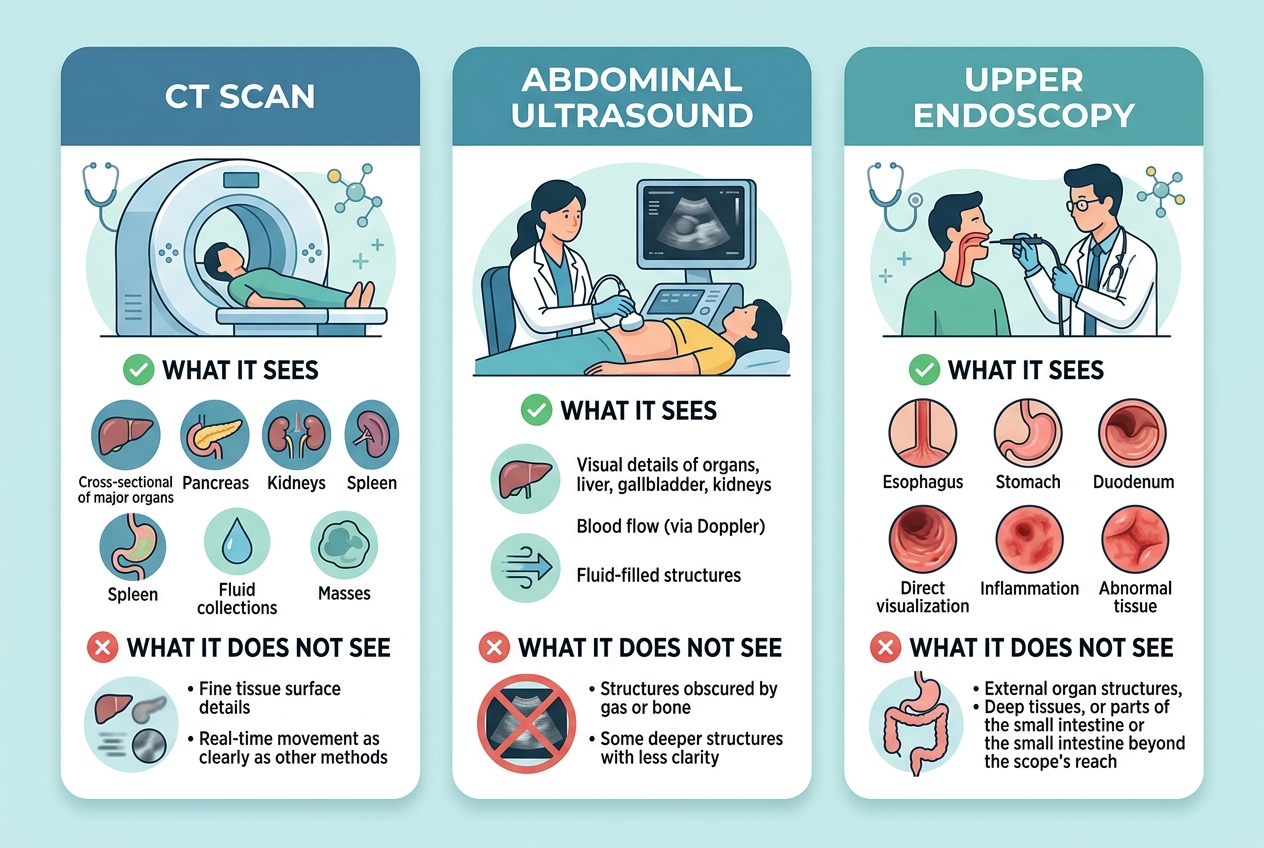
    Endoscopy matters more when symptoms suggest something structural or higher risk. Trouble swallowing, vomiting, bleeding, black stool, unexplained anemia, persistent weight loss, or older age at symptom onset raise the value of direct visualization. The NIDDK upper GI endoscopy overview explains that endoscopy can inspect the esophagus, stomach, and duodenum directly and take biopsies when needed. Imaging matters more when the symptom map points away from the stomach lining and toward the gallbladder, pancreas, liver, or bowel anatomy. Ultrasound often enters when right-sided pain follows meals. CT becomes more useful when pain is severe, complicated, or paired with systemic warning signs. The mistake people make is treating endoscopy like the automatic first move. It is powerful, but it is still best used when the symptom pattern gives it a real target. Precision beats procedure-shopping.

    What should you track before asking for testing?

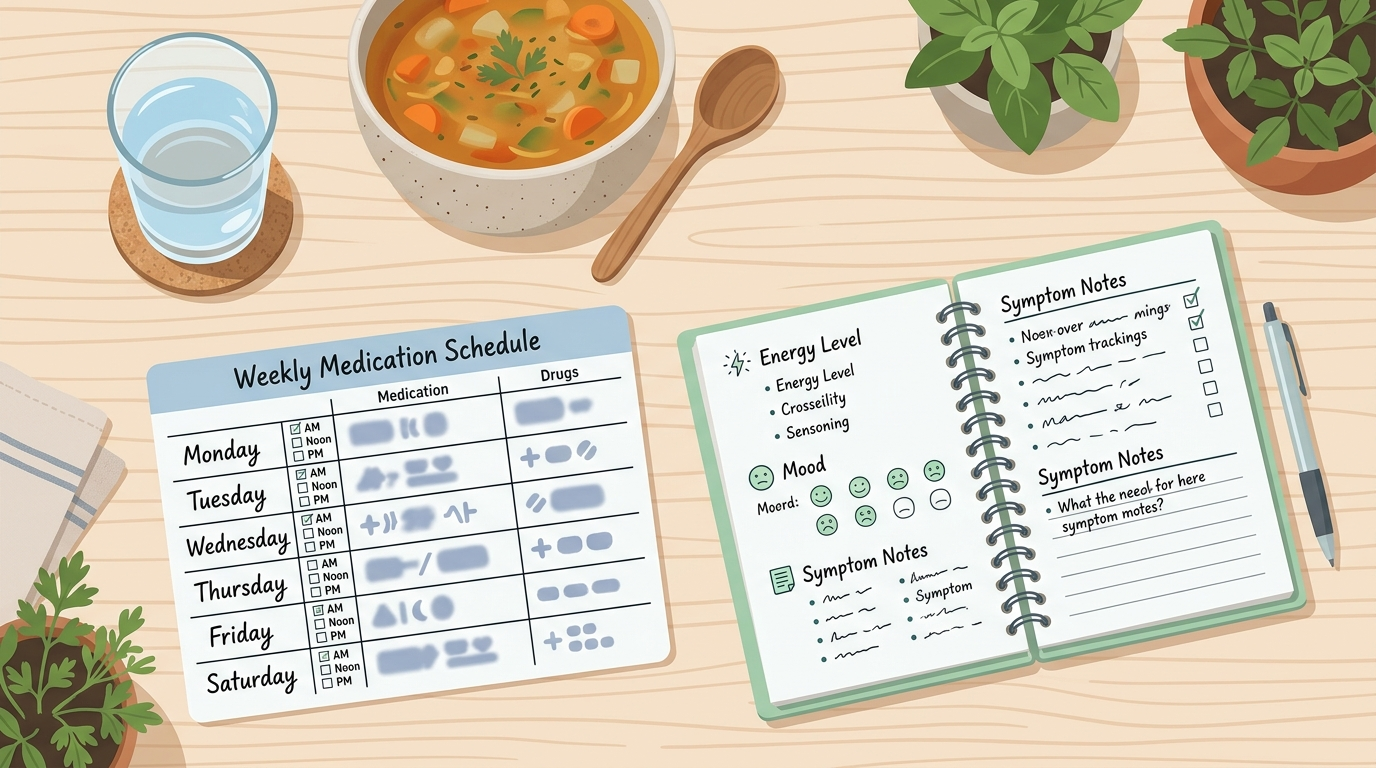
    Symptom logs make testing more precise. Track where the discomfort sits, whether it starts before meals or after meals, how long it lasts, and what else travels with it, including reflux, vomiting, diarrhea, constipation, bloating, fever, or weight change. Write down medication exposure too, especially ibuprofen, aspirin, antibiotics, iron, metformin, and acid reducers. Food detail matters less than people think unless the same trigger repeats. The NIDDK H. pylori page and the dyspepsia guideline both point back to history because symptoms do not sort themselves. Good notes can. A clean seven-to-fourteen-day log often tells a clinician whether the problem looks ulcer-like, reflux-like, infection-linked, bowel-linked, or more consistent with food intolerance. It also helps separate occasional flares from repeat patterns. That usually improves the test conversation far more than walking in and saying, “Test me for everything.”

    What questions do people still ask about stomach-problem testing?

    Do you need an endoscopy for every stomach problem?

    No. Many stomach complaints start with history, bloodwork, and selective stool or H. pylori testing. Endoscopy becomes more useful when alarm features, persistent upper-GI symptoms, or biopsy questions are present.

    What blood tests are commonly ordered first?

    A complete blood count and chemistry panel are common starting points. They can flag anemia, dehydration, liver-pattern issues, or metabolic problems that change the next step.

    When is H. pylori testing worth asking about?

    H. pylori testing makes the most sense when upper-abdomen burning, nausea, ulcer history, or dyspepsia-like symptoms are part of the picture. It is a targeted question, not a universal answer to every stomach complaint.

    Can an ultrasound check stomach problems?

    Sometimes, but not by looking at the stomach lining itself. Ultrasound is more useful for gallbladder and biliary patterns than for ulcers or gastritis.

    Should you try a food-sensitivity panel online?

    Usually no. Those panels often create more confusion than insight. Standard evaluation is still built around symptom pattern, routine labs, and targeted medically validated tests.

    What symptom combination deserves faster medical review?

    Bleeding, black stool, vomiting, weight loss, progressive trouble swallowing, severe pain, or dehydration deserve faster review. Those signs change the urgency of testing.

    What is the bottom line on testing for stomach problems?

    The right stomach test depends on the pattern you keep having, not the most dramatic procedure on the menu. Start with symptom history, basic labs, and targeted testing, then escalate to endoscopy or imaging when the pattern actually justifies it.

  • Does This Sound Like GERD? What Reflux-Like Patterns Usually Look Like

    Does This Sound Like GERD? What Reflux-Like Patterns Usually Look Like

    Reflux-like symptoms often follow a recognizable pattern, but symptoms alone cannot confirm GERD. Burning after meals, sour taste, regurgitation, and symptoms that worsen when lying down all raise suspicion. Trouble swallowing, vomiting, chest pain, bleeding, or unexplained weight loss deserve faster medical evaluation because those features change the risk picture.

    How did we evaluate whether this sounds like GERD?

    We prioritized the American College of Gastroenterology guideline on GERD, the NIDDK overview of acid reflux and GERD, the NHS reflux symptom summary, and a BMJ Best Practice overview. We gave more weight to guideline summaries and large clinical references than to forum anecdotes because symptom overlap is common. We also separated common reflux-pattern clues from emergency or red-flag features. We excluded supplement advice, shortcut diagnosis lists, and social-media trigger myths because they blur recognition with management. That distinction matters because recognizing a pattern is useful, but mistaking a warning sign for ordinary reflux can waste time.

    What pattern usually makes reflux more likely?

    Reflux becomes more likely when symptoms line up with acid or stomach contents moving upward after meals. Heartburn usually feels like burning behind the breastbone. Regurgitation usually feels like liquid, sour fluid, or food moving back into the throat. The NIDDK and NHS both describe meal timing, bending, and lying down as common triggers because body position changes how easily reflux reaches the esophagus. Nighttime symptoms also matter. Reflux often gets louder after large meals, alcohol, mint, chocolate, or late eating, although trigger lists vary by person. A recognizable pattern is more helpful than a single symptom. Burning plus regurgitation plus positional worsening points toward reflux more strongly than vague chest discomfort alone. Pattern recognition is useful. Pattern recognition is still not the same thing as diagnosis.

    What symptoms can mimic GERD even when the cause is different?

    GERD gets confused with several common patterns because the upper abdomen and chest share nerve pathways. Functional dyspepsia can create fullness, early satiety, and upper-belly burning without classic regurgitation. Anxiety can amplify throat tightness, chest awareness, and air swallowing. Gallbladder pain can follow fatty meals and radiate to the back or right shoulder. Cardiac causes can also mimic reflux, which is why new chest pain should never get a casual shrug. The ACG guideline and BMJ Best Practice both emphasize symptom overlap because reflux is common but not unique. Laryngopharyngeal irritation, ulcers, medication side effects, and eosinophilic esophagitis can muddy the picture too. The practical takeaway is annoying but important. Similar discomfort does not mean same mechanism. Similar location does not mean same condition. That is exactly why self-diagnosis gets messy fast.

    Which signs make the situation more urgent instead of more educational?

    Graphic showing the difference between common reflux clues, lookalike symptoms, and urgent warning signs.
    Graphic showing the difference between common reflux clues, lookalike symptoms, and urgent warning signs.

    Some symptoms shift the question from “does this sound familiar?” to “should this get checked sooner?” Trouble swallowing, painful swallowing, black stool, vomiting blood, repeated vomiting, unexplained weight loss, anemia, persistent chest pain, and progressive symptoms all deserve faster review. The NIDDK and ACG guideline both flag these features because they can signal complications or a different problem entirely. Age and duration also matter. Brand-new severe symptoms at midlife land differently than an occasional familiar flare after pizza. Frequent nighttime symptoms can matter because repeated exposure can irritate the esophagus over time. The key point is simple. Common symptoms can still sit beside uncommon risk. A familiar reflux sensation is one thing. A reflux sensation plus red flags is a very different conversation.

    What can you track before deciding what to do next?

    A short symptom log usually tells a cleaner story than memory does. Track meal timing, portion size, trigger foods, caffeine, alcohol, body position after eating, nighttime symptoms, and whether regurgitation or burning is actually happening. Also track medications because NSAIDs, iron, some antibiotics, and certain supplements can irritate the upper digestive tract. Write down whether symptoms improve with sitting upright or worsen with bending. The point is not perfection. The point is pattern clarity. A seven-day log often reveals whether symptoms cluster around late meals, lying down, stress-heavy days, or one repeating food category. The NHS and NIDDK both support practical observation because management starts with pattern recognition. Data beats guessing. A diary does not diagnose GERD, but it often makes the next step much less random.

    What questions do people still ask about reflux-like symptoms?

    Can you have GERD without classic heartburn?

    Yes. Some people notice regurgitation, sour taste, throat clearing, cough, or nausea more than burning. That is one reason reflux can be easy to miss and easy to over-assume at the same time.

    Does chest burning always mean reflux?

    No. Reflux is common, but chest symptoms overlap with heart, lung, and anxiety-related causes. New or severe chest pain should not be self-labeled.

    Is a sour taste a useful clue?

    Yes. Sour taste or food coming back up is one of the more recognizable reflux-style clues. It is usually more specific than vague upper-belly discomfort alone.

    Do symptoms at night matter more?

    Often, yes. Nighttime symptoms can suggest positional reflux and can disrupt sleep, which tends to make the whole pattern feel worse. Persistent nighttime symptoms are worth taking seriously.

    What makes the pattern more convincing overall?

    Burning after meals, regurgitation, symptoms worse when lying down, and repeatable triggers create a stronger reflux pattern. One isolated symptom on one random day proves very little.

  • Is Blastocystis a Thing? What the Evidence Actually Says

    Is Blastocystis a Thing? What the Evidence Actually Says

    Blastocystis is a real intestinal protozoan, and stool tests can detect it. The messy part is interpretation. Many people with Blastocystis have no symptoms, while others report bloating, loose stool, or abdominal discomfort, so a positive result does not automatically prove it is the cause. Context, symptom pattern, and test method matter more than the organism’s name alone.

    How did we evaluate whether Blastocystis matters?

    We prioritized the CDC overview of Blastocystis, the MSD Manual summary, and peer-reviewed reviews indexed in PubMed. We gave more weight to human prevalence studies, clinical reviews, and reference manuals than to single lab papers or comment threads. We also separated two questions that often get blurred together, whether Blastocystis exists, and whether it is actually driving symptoms in a given person. That distinction matters because a detected organism can be real without being clinically central. Our goal was interpretation, not alarm.

    Is Blastocystis a real organism or an internet myth?

    Blastocystis is real. Laboratories can identify Blastocystis DNA or microscopic forms in stool, and parasitology references classify it as a legitimate intestinal protozoan rather than a made-up wellness label. The reason people get confused is that Blastocystis behaves inconsistently across studies. Some surveys find it in people with bloating, abdominal discomfort, or loose stool, while other surveys find it in healthy people with no digestive complaints at all. A 2018 review in Clinical Microbiology Reviews described Blastocystis as common worldwide and still debated in terms of pathogenicity. That means the argument is not about whether Blastocystis exists. The argument is about whether a positive result reflects harmless colonization, a marker of altered gut ecology, or a meaningful contributor to symptoms. Existence is settled. Clinical significance is still case-dependent.

    Why do doctors disagree about whether Blastocystis causes symptoms?

    Doctors disagree because Blastocystis does not behave like a simple yes-or-no infection. Symptom burden varies by subtype, host immunity, gut environment, and what else is happening in the digestive tract. The CDC notes that the clinical significance of Blastocystis is controversial, which is unusually direct language from a public-health reference. Some clinicians see a positive test and move on because asymptomatic carriage is common. Others pay closer attention when the timing fits new bloating, diarrhea, cramping, travel exposure, or other stool findings. Test method also changes interpretation. PCR can detect very small amounts of organism DNA, which can increase sensitivity without proving causality. That is why one doctor may call it incidental while another considers it relevant. The disagreement usually reflects uncertainty in the evidence, not carelessness.

    When is a positive Blastocystis result more likely to matter?

    Graphic showing that Blastocystis interpretation depends on symptoms, exposure history, and test method.
    Graphic showing that Blastocystis interpretation depends on symptoms, exposure history, and test method.

    A positive Blastocystis result matters more when it appears alongside a clear symptom pattern, recent exposure history, or the absence of a better explanation. Timing matters. If digestive changes began after travel, contaminated water exposure, or a gastrointestinal illness, clinicians are more likely to treat the finding seriously. Severity matters too. Persistent loose stool, cramping, weight loss, fever, blood in stool, or dehydration make the overall picture more concerning, even though those features are not specific to Blastocystis. The MSD Manual notes that when symptoms do occur, they are often nonspecific, which is exactly why context is everything. A lone lab result in a person who feels fine often means less than a modest positive result in someone with a strong exposure-and-symptom story. Pattern beats panic.

    What do people usually get wrong about Blastocystis?

    The biggest mistake is assuming that a positive stool test automatically explains every digestive symptom. That leap is attractive because it feels concrete, but digestive complaints are often multifactorial. Another mistake is assuming the opposite, that Blastocystis never matters because many people carry it without symptoms. Both extremes flatten a nuanced issue. A 2023 review in Microorganisms noted that Blastocystis may interact with the microbiome in ways that are still being sorted out, which means researchers are still unpacking whether it is friend, bystander, or foe in different settings. People also confuse detection with diagnosis. Detection shows presence. Diagnosis requires fit. The smarter read is boring but useful: Blastocystis is real, common, and sometimes relevant, but never interpretable in isolation. Precision beats certainty here.

    For a detailed comparison of specific products and strains, see Probiotics vs Prebiotics: What Actually Changes in Your Gut Routine?.

    For a detailed comparison of specific products and strains, see Akkermansia vs Traditional Probiotics: What the Human Evidence Actually Shows.

    What questions do people still ask about Blastocystis?

    Is Blastocystis the same thing as IBS?

    No. Blastocystis is an organism that may appear on stool testing, while IBS is a symptom-based clinical pattern. Some people with IBS-like symptoms also test positive for Blastocystis, but that overlap does not make them the same thing.

    Can you have Blastocystis and feel completely fine?

    Yes. Asymptomatic carriage is one reason interpretation stays controversial. A positive result means presence, not guaranteed harm.

    Does PCR prove Blastocystis is causing symptoms?

    No. PCR proves genetic material was detected. It does not prove that the organism is the main driver of bloating, diarrhea, or discomfort.

    Should everyone with a positive test panic?

    No, and panic usually makes the picture worse. The useful next step is matching the result to symptom timing, exposure history, and any red-flag features.

    What symptoms make the overall situation more urgent?

    Weight loss, dehydration, fever, blood in stool, or severe ongoing symptoms deserve faster medical review. Those features matter even if Blastocystis ends up not being the main explanation.

    Why is the evidence still unsettled?

    Because subtype differences, microbiome context, test sensitivity, and symptom overlap make clean conclusions hard. Blastocystis is real, but its role is not equally important in every person.

  • What Probiotic Foods Actually Improved Gut Health?

    What Probiotic Foods Actually Improved Gut Health?

    What Probiotic Foods Actually Improved Gut Health?

    Fermented foods with the clearest gut-health evidence are yogurt with live cultures, kefir, fermented milk, kimchi, and some traditionally fermented vegetables. Human research most strongly supports fermented dairy for improving lactose digestion and supports higher fermented-food intake for increasing microbiome diversity, while vegetable ferments look promising but less consistently studied.

    How did we evaluate probiotic foods for gut health?

    We evaluated probiotic foods by prioritizing human randomized controlled trials, meta-analyses, and consensus statements over animal or lab data. We gave extra weight to foods with documented live microbes at intake, reproducible strains, or clearly measured outcomes such as lactose digestion, stool frequency, microbial diversity, and inflammatory markers. We excluded foods marketed as fermented but typically pasteurized after fermentation, because heat treatment can sharply reduce live organisms by the time they are eaten. We also separated strong evidence from directional evidence. Yogurt and kefir have the longest clinical track record, while kimchi, sauerkraut, and other vegetable ferments have supportive but less standardized evidence because recipes, salt levels, storage conditions, and viable microbe counts vary widely across products and households. We also favored foods that people can buy repeatedly in a similar form, because consistency matters more than one impressive ingredient list.

    Which probiotic foods have the best evidence for gut health?

    Yogurt and kefir have the strongest real-world evidence because researchers can standardize starter cultures and measure digestive outcomes directly. The National Institutes of Health notes that yogurt cultures such as Lactobacillus bulgaricus and Streptococcus thermophilus can help digest lactose by delivering microbial lactase activity at the time of eating (NIH ODS). A 2021 Stanford-led trial found that a diet high in fermented foods increased microbiota diversity and lowered several inflammatory markers over ten weeks (Cell). Kefir adds a broader mix of bacteria and yeasts than standard yogurt, which may explain why it often performs well in digestive-tolerance studies. Kimchi, sauerkraut, miso, and tempeh can also contribute live microbes, but their effects depend more on product handling, refrigeration, and whether the food remained unpasteurized through purchase and storage. Fermented cottage cheese and cultured buttermilk also fit this evidence-first bucket when labels confirm active cultures.

    Why do some probiotic foods work better than others?

    Infographic comparing probiotic foods by live-culture consistency, tolerance, and ease of daily use.
    Infographic comparing probiotic foods by live-culture consistency, tolerance, and ease of daily use.

    Probiotic foods work best when three variables line up: viable microbes, consistent intake, and a food matrix that helps organisms survive digestion. Kefir and yogurt usually score well on all three. Their refrigerated dairy matrix buffers stomach acid, and their starter cultures are present in predictable amounts compared with many homemade ferments. By contrast, shelf-stable pickles are often vinegar-brined rather than naturally fermented, so they may contribute flavor without contributing live bacteria. Fermented vegetables can still be useful, especially when labels specify raw or unpasteurized handling, but live counts often fall during transport and storage. Dose also matters. A small forkful of kimchi once a week is different from daily fermented-food intake in clinical trials. According to the International Scientific Association for Probiotics and Prebiotics, fermented foods are not automatically probiotics unless specific live microbes have been shown to confer a health benefit (ISAPP). Reading the label for live cultures beats assuming fermentation guarantees a probiotic effect.

    What do people get wrong when choosing probiotic foods?

    The biggest mistake is assuming every fermented food delivers the same biological effect. Sourdough bread, beer, wine, and many shelf-stable condiments involve fermentation during manufacturing, but they often contain few or no live microbes by the time you eat them. Another mistake is judging a food only by the word probiotic on the package. Live cultures matter, but so do sugar content, sodium load, serving size, and whether the food actually fits your routine. A 2023 review in Nutrients reported that fermented dairy foods have stronger clinical support than most other fermented categories for specific digestive outcomes, while evidence for many plant ferments remains heterogeneous (Nutrients). The smart approach is simple: choose one or two live-culture foods you can tolerate consistently, track digestion for two to four weeks, and change variables one at a time. That method makes it easier to spot whether the food helps, irritates, or does nothing.

    For a detailed comparison of specific products and strains, see What Else Can I Do to Improve My Gut Health? The Smartest Next Steps to Compare.

    For a detailed comparison of specific products and strains, see What’s the Best Fiber Supplement for Gut Health? An Evidence-Based Comparison.

    For a detailed comparison of specific products and strains, see Which Probiotic Strains Are Best for Inflammation?.

    What questions do people still ask about probiotic foods?

    Is yogurt better than kimchi for gut health?

    Yogurt usually has stronger clinical evidence because its starter cultures and serving sizes are more standardized. Kimchi can still be useful, but microbial content varies more by recipe, storage, and whether the product remained unpasteurized.

    Does kefir count as a probiotic food?

    Kefir can count as a probiotic food when it delivers live microbes with documented benefit or when it functions as a live fermented food within a diet that improves measurable outcomes. It generally contains a wider mix of bacteria and yeasts than standard yogurt, which is one reason researchers study it often.

    Are pickles a good probiotic food?

    Only naturally fermented pickles with live cultures are likely to contribute meaningful microbes. Most shelf-stable supermarket pickles are vinegar-brined, not live fermented, so they usually do not act like probiotic foods.

    Can probiotic foods help if you are lactose intolerant?

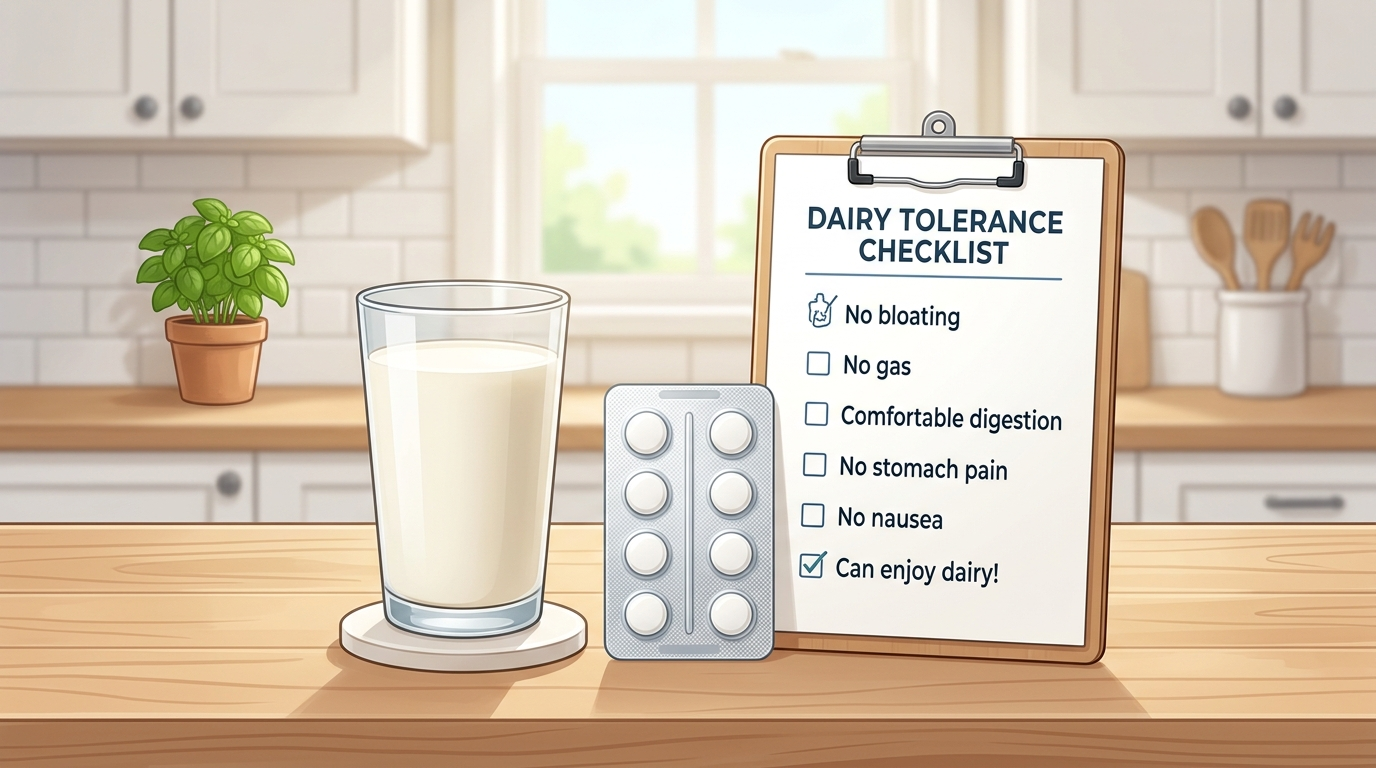
    Cultured dairy can help some people digest lactose more comfortably because live yogurt cultures provide lactase activity during digestion. Tolerance still varies, so portion size and individual response matter.

    How long does it take to notice a difference from probiotic foods?

    People often track digestion for two to four weeks because that window is long enough to notice changes in regularity, bloating, or tolerance. Clinical studies also rely on repeated intake, not occasional servings, because consistency drives most measurable effects.

    Do pasteurized fermented foods still help your gut?

    Pasteurized fermented foods may still offer flavor and nutrients, but they usually contain fewer live microbes after heating. If your goal is probiotic exposure, labels that confirm live and active cultures matter much more.

  • Should I Be Concerned About My Weight Loss? What Makes the Pattern More Serious

    Unintentional weight loss deserves attention when it keeps happening, comes with appetite change, vomiting, diarrhea, pain, trouble swallowing, or obvious stress on eating. Small day-to-day shifts are common, but ongoing loss is a pattern, not a harmless quirk. The useful question is not whether weight loss is “good” or “bad.” The useful question is whether the loss is explained, stable, and free of red-flag symptoms.

    How we evaluated unintentional weight loss concerns

    We prioritized guidance from the Mayo Clinic, the Cleveland Clinic, the NIDDK overview of digestive symptoms, and peer-reviewed reviews on alarm features in upper and lower gastrointestinal evaluation. We focused on practical screening questions, common digestive explanations, and the difference between watchful logging and prompt clinical follow-up. We excluded supplement advice because unexplained weight loss is primarily an assessment problem, not a product-selection problem. This article is educational, not diagnostic.

    When is weight loss more concerning than normal fluctuation?

    Body weight changes for ordinary reasons. Sodium intake, hydration, bowel movements, menstrual timing, and training load can move the scale quickly without changing health risk. The concern rises when weight loss is unplanned, repeats over several weeks, or comes with reduced appetite, nausea, early fullness, diarrhea, vomiting, or pain after eating. The Mayo Clinic notes that unexplained loss can reflect digestive disease, endocrine problems, infection, medication effects, or mental health stress. The Cleveland Clinic makes the same basic point: context matters more than the number alone. A person intentionally changing diet or training has one pattern. A person eating normally but steadily dropping weight has another pattern. The safest frame is simple. If the loss is not clearly explained, treat it like a clue worth investigating instead of a lucky accident.

    What digestive patterns can lead to unintended weight loss?

    Digestive symptoms can reduce weight through several pathways. Reflux can make people avoid meals because eating feels unpleasant. Nausea can cut intake before someone notices. Diarrhea can reduce absorption and make meals feel risky. Pain or bloating after eating can create a repeated “eat less to feel safer” cycle. Swallowing trouble and early fullness matter too because they limit intake mechanically. The NIDDK groups symptoms like abdominal pain, diarrhea, reflux, and difficulty swallowing as signals that deserve clearer workup when they persist. Weight loss does not identify one cause by itself. It only says energy balance has changed. That change may come from less eating, poor absorption, high stress, medication effects, or a condition outside the gut entirely. The key mistake is assuming that because the symptom is visible on the scale, the explanation must be obvious. It often is not.

    Which warning signs mean you should seek care sooner?

    Some combinations of symptoms deserve prompt medical review instead of another week of guessing. Weight loss paired with vomiting, blood in stool, black stool, progressive trouble swallowing, chest pain with eating, severe abdominal pain, fever, or persistent diarrhea should move faster. The same applies when weight loss comes with marked fatigue, night sweats, or obvious dehydration. Reviews of gastrointestinal alarm features consistently treat bleeding, dysphagia, and progressive symptoms as reasons to escalate evaluation rather than continue self-testing. The Mayo Clinic also notes that a noticeable drop without trying should be discussed with a clinician, especially in older adults or anyone with other symptoms. The point is not panic. The point is triage. Mild fluctuation can be watched. Unexplained loss plus red flags belongs in a clinician’s lane, because timing matters more than internet reassurance.

    What should you track before an appointment if the loss continues?

    Good notes make clinical visits more useful. Track weight trend by date, appetite, nausea, reflux, bowel pattern, and whether symptoms appear before meals, during meals, or after meals. Track missed meals, new medications, travel, recent infections, and whether specific foods trigger pain, urgency, or fear of eating. A seven-to-fourteen-day log often reveals patterns that memory hides. The most useful entries are not dramatic. They are consistent. Write down portion size, stool frequency, vomiting, and any feeling of food getting stuck. If fatigue, dizziness, or palpitations appear, note timing and severity. Logging does not replace evaluation, but it sharpens it. A clinician can do more with “lost five pounds over six weeks, appetite down, nausea after dinner, loose stool three mornings a week” than with “I just feel off.” Clear patterns shorten the distance between symptoms and the right next step.

    FAQ

    Is a small weight drop always a bad sign?

    No. Short-term changes can reflect water, stool burden, menstrual timing, or diet shifts. Concern starts when the loss keeps happening without a clear reason.

    Does reflux alone cause weight loss?

    Sometimes indirectly. Reflux can make people eat less because meals trigger discomfort, but ongoing weight loss still deserves a closer look rather than a casual assumption.

    What if weight loss comes with bloating?

    That combination can still be important. Bloating plus reduced intake, nausea, diarrhea, or early fullness can push calories down over time, so the pattern is worth tracking and discussing.

    When should I stop self-monitoring and get checked?

    Get checked sooner if weight loss is persistent or paired with vomiting, bleeding, trouble swallowing, severe pain, fever, or worsening fatigue. Red flags change the timeline.

    Should I try supplements first?

    Not for unexplained weight loss. This is usually an evaluation question first, because the goal is understanding why intake, absorption, or energy needs changed.

    What is the most useful thing to bring to an appointment?

    A symptom-and-weight log. Dates, approximate pounds lost, appetite changes, bowel changes, food triggers, and medication changes make the visit more productive.

    What is the bottom line on concern about weight loss?

    Weight loss is more concerning when it is unplanned, persistent, and bundled with other symptoms. Treat the pattern seriously, track it clearly, and escalate faster when red flags show up. That approach is calmer and smarter than either panic or shrugging it off.


  • Acid Reflux or Anxiety? How to Tell the Pattern Apart

    Acid Reflux or Anxiety? How to Tell the Pattern Apart

    Acid reflux and anxiety can feel similar because both can cause chest discomfort, throat tightness, nausea, and a lump-in-the-throat sensation. The main difference is pattern. Reflux symptoms usually track with meals, bending, or lying down. Anxiety symptoms usually track with stress, racing thoughts, palpitations, or sudden episodes that are not clearly meal-linked.

    How we evaluated acid reflux versus anxiety symptoms

    We prioritized symptom-pattern guidance from the Mayo Clinic GERD overview, the Cleveland Clinic reflux overview, and National Institute of Mental Health resources on anxiety disorders and panic symptoms. We compared timing, triggers, and associated symptoms rather than treating one symptom in isolation. We excluded disease diagnosis advice because chest pain, weight loss, vomiting, and swallowing problems need clinician review.

    Why do acid reflux and anxiety get confused so often?

    Acid reflux and anxiety overlap because both systems recruit the chest, throat, and upper abdomen. Reflux can create heartburn, sour taste, throat clearing, hoarseness, nausea, and a pressure sensation behind the breastbone, as described by the Mayo Clinic. Anxiety can create chest tightness, shortness of breath, nausea, stomach discomfort, dizziness, and a sense that something is very wrong, which the NIMH panic disorder guide lists as common physical symptoms. The vagus nerve and stress hormones make the overlap worse because gut sensation becomes louder when the nervous system is activated. That means a person may feel burning and panic at the same time, or may feel anxiety because the reflux sensation itself is alarming. Symptom overlap is real, but the body still leaves clues if you stop looking at a single moment and start looking at the full pattern.

    What clues point more strongly toward acid reflux than anxiety?

    Acid reflux usually follows mechanics and meal timing. Symptoms often appear after large meals, fatty foods, alcohol, late-night eating, bending forward, or lying flat. Reflux also tends to bring a sour taste, throat irritation, chronic throat clearing, regurgitation, or burning that rises upward, which are features emphasized by the Cleveland Clinic. Night symptoms matter too. If discomfort is worse after dinner or wakes you from sleep with a bitter taste or cough, reflux moves higher on the list. Reflux can happen without classic heartburn, especially when throat symptoms dominate. Food relationships are the biggest tell. Anxiety episodes can happen after meals, but reflux is much more likely to repeat after the same physical triggers. A simple symptom log that tracks meal size, body position, and timing often reveals a clearer reflux pattern within a week than memory alone can provide.

    What clues point more strongly toward anxiety than acid reflux?

    Comparison infographic showing the main clues that point toward acid reflux versus anxiety.
    Comparison infographic showing the main clues that point toward acid reflux versus anxiety.

    Anxiety usually follows nervous-system activation more than food exposure. Symptoms often rise during conflict, overthinking, deadline pressure, social stress, or sudden waves of fear. The NIMH anxiety disorders page notes that anxiety can produce restlessness, muscle tension, rapid heartbeat, sleep disruption, stomach upset, and trouble concentrating. When chest discomfort arrives with shaking, sweating, tingling, racing thoughts, dread, or a sense of losing control, anxiety becomes more likely than reflux alone. Anxiety symptoms can also move around the body in ways reflux does not. One episode might feel like chest pressure, another like nausea, another like dizziness or throat tightness. That variability is common in anxiety states. Reflux is usually more mechanically consistent. It follows meal timing and body position. Anxiety follows context, anticipation, and internal alarm signals. The cleaner the stress link, the stronger the anxiety clue.

    When should you stop guessing and get checked?

    Self-patterning is useful, but some symptoms deserve medical evaluation instead of home detective work. Chest pain with exertion, shortness of breath that feels severe, black stool, vomiting blood, trouble swallowing, unexplained weight loss, persistent vomiting, or symptoms that keep worsening should not be written off as either reflux or anxiety. The Mayo Clinic and Cleveland Clinic both flag swallowing difficulty and unintentional weight loss as warning signs. The same logic applies if anxiety symptoms are frequent enough to limit sleep, work, or basic functioning. The NIMH notes that persistent anxiety disorders are treatable, but they need real assessment. Pattern recognition is helpful. It is not a substitute for urgent care when symptoms are intense, new, or paired with red flags.

    For a detailed comparison of specific products and strains, see Gallbladder or GERD? How to Tell the Difference and What to Do About It.

    For a detailed comparison of specific products and strains, see What to Do if You Have Chronic Acid Reflux: Which Support Options Actually Make Sense?.

    FAQ

    Can anxiety really cause nausea and throat tightness?

    Yes. The NIMH describes stomach pain, nausea, chest discomfort, and breathing-related sensations as common physical symptoms during panic and anxiety episodes. Those symptoms can feel very similar to upper digestive discomfort.

    Can reflux happen without obvious heartburn?

    Yes. Some people have throat clearing, cough, hoarseness, nausea, or regurgitation without a classic burning feeling. That is one reason reflux and anxiety get mixed up so often.

    Is meal timing the most useful reflux clue?

    Usually yes. Symptoms that repeat after meals, late at night, or when lying down point more strongly toward reflux than anxiety. Stress can still worsen the experience, but timing gives reflux away.

    Does stress make reflux worse even if reflux is the main issue?

    Yes. Stress does not create stomach acid out of nowhere, but it can amplify gut sensitivity and make ordinary reflux feel sharper. Mixed patterns are common.

    Should you track symptoms for a few days before deciding?

    Yes. A short log of meals, body position, stress level, and associated symptoms is often more useful than guessing from memory. Patterns show up fast when they are written down.

    When is chest discomfort an emergency?

    If chest pain is severe, comes with shortness of breath, fainting, sweating, arm or jaw pain, or feels different from your usual symptoms, it deserves urgent medical care. That is not the time for home sorting.


  • Is Taking Ginger the Same as Drinking Ginger Tea?

    Is Taking Ginger the Same as Drinking Ginger Tea?

    No, taking a ginger capsule or extract is not automatically the same as drinking ginger tea. Dose, concentration, preparation method, and what else is in the formula change the experience. Ginger tea is usually gentler and lower-dose, while capsules and concentrated products can be more standardized but also less forgiving.

    How did we evaluate ginger tea versus ginger supplements?

    We prioritized practical digestive-use questions over marketing claims. We used the NIH Office of Dietary Supplements fact sheet on dietary supplements, a review in Food Science & Nutrition, the Cleveland Clinic overview of ginger, and the National Center for Complementary and Integrative Health page on digestive supplements as core references. We looked first at preparation, concentration, and tolerance rather than assuming every ginger product behaves the same way. We excluded detox language and fast-fix claims because those usually flatten the real difference between a brewed food-like drink and a concentrated supplement.

    What changes when ginger is brewed as tea instead of taken in a capsule?

    Ginger tea changes the delivery format more than the ingredient identity. A brewed tea usually extracts some gingerols and related compounds into hot water, but the final amount depends on steep time, slice thickness, water volume, and whether fresh or dried ginger was used. A capsule or concentrated chew can deliver a more repeatable dose, which is useful for comparison but also means the sensory experience is different. The Cleveland Clinic describes ginger tea as a mild preparation that people often use for everyday digestive comfort, while the review in Food Science & Nutrition notes that ginger contains multiple bioactive compounds whose concentration changes by preparation and processing. Tea therefore behaves more like a food ritual. A supplement behaves more like a measured product. Neither is universally better, but they are not interchangeable in a strict one-to-one way.

    When does ginger tea make more sense than a supplement?

    Comparison of brewed ginger tea and a ginger supplement capsule format.
    Comparison of brewed ginger tea and a ginger supplement capsule format.

    Ginger tea makes more sense when the goal is a gentle, low-friction digestive habit rather than a standardized dose. Warm liquid changes the experience because sipping slows intake, adds hydration, and often fits naturally after meals. That context matters. The NCCIH notes that herbal digestive approaches can vary widely in formulation and evidence quality, so the best first step is often the simplest one you can tolerate and repeat. Tea is also easier to stop, dilute, or modify. You can steep it lighter, add food, or reduce frequency without splitting capsules or changing labels. A supplement becomes more useful when a person wants portability, consistency, or a clearer way to compare dose from day to day. The practical distinction is this: tea prioritizes gentleness and routine, while supplements prioritize standardization and convenience.

    What do people usually get wrong when comparing ginger products?

    The biggest mistake is assuming the word ginger guarantees equivalent effect. Some products use powder, some use extracts, some combine ginger with peppermint, enzymes, or sweeteners, and some deliver much higher amounts than a mug of tea ever would. A second mistake is treating “natural” as a dose instruction. The NIH stresses that dietary supplements still require label reading because serving size, active amount, and added ingredients matter. A third mistake is ignoring fit. Tea suits people who want a meal-adjacent ritual. Portable products suit people who travel or do not want prep. The right comparison is not tea versus supplement in the abstract. The right comparison is fresh tea, powdered ginger capsules, concentrated extracts, or combination formulas, each judged by concentration, tolerability, cost, and whether the format fits a real daily routine instead of an imaginary perfect one.

    What questions come up most often about ginger tea versus supplements?

    Is fresh ginger tea stronger than capsules?

    Not usually in a standardized sense. Tea strength changes with brewing method, while capsules can deliver a more fixed amount per serving.

    Is ginger tea easier on digestion than a concentrated product?

    Often, yes. Tea is usually lower-dose and slower to consume, which can make it feel gentler for some people.

    Does powdered ginger equal fresh ginger root?

    Not exactly. Processing changes moisture, concentration, and sometimes the sensory profile, even when the source plant is the same.

    Can a supplement be more convenient than tea?

    Absolutely. Capsules, chews, or extracts win on portability and dosing consistency, especially during travel or busy workdays.

    Should you expect the same result from every ginger product?

    No. Added ingredients, dose form, and serving size change the real-world experience a lot more than the front label usually suggests.

    What is the smartest first test?

    Start with the simplest version you can repeat comfortably. For many people, that means tea first, then a more standardized product only if convenience or consistency becomes the bigger issue.

    Ginger tea and ginger supplements overlap, but they are not the same tool. If the goal is gentle everyday digestive support, tea usually wins on ease. If the goal is portability and more repeatable dosing, a supplement can make more sense.

  • How Did the Gut Microbiome Survive Before Global Food Systems?

    How Did the Gut Microbiome Survive Before Global Food Systems?

    The gut microbiome survived before modern supermarkets because humans still ate fiber, resistant starch, and seasonal plant variety, and they lived with much more environmental microbial exposure. Survival did not mean perfect digestive comfort, though. Food scarcity, infections, and limited sanitation also shaped gut health in ways no one should romanticize.

    How did we evaluate historical microbiome survival?

    We prioritized dietary-pattern evidence, microbiome reviews, and public-health context over nostalgia about “ancestral” eating. We used the World Health Organization healthy diet guidance, the NIH Office of Dietary Supplements fiber fact sheet, a review on diet and microbiota in Nutrients, and a review on microbial diversity and lifestyle transition in Genome Biology as core references. We focused on four practical variables: plant diversity, fermentation exposure, seasonal eating, and nonfood living conditions. We excluded simplistic claims that preindustrial people had “better guts” across the board, because infection burden, parasite exposure, and food insecurity also matter. The useful takeaway is not to copy the past literally. The useful takeaway is to understand which food and environment patterns supported microbial resilience before industrial food systems became normal.

    What actually kept the microbiome going before global food supply chains?

    The microbiome kept going because human diets still delivered fermentable substrates and microbial contact even without year-round supermarket abundance. Tubers, legumes, whole grains, seasonal fruit, wild plants, and fermented foods supplied fibers and resistant starches that gut microbes could use. The WHO and NIH Office of Dietary Supplements both support the broader idea that dietary patterns rich in plant foods create a more robust nutrient environment than low-fiber processed patterns. Traditional diets also changed with the season, which meant the microbial community adapted to variation rather than constant repetition. A review in Nutrients describes diet as one of the strongest levers shaping microbiota composition. The microbiome therefore did not depend on imported superfoods. It depended on regular fiber exposure, ecological diversity, and meals built from minimally processed local staples. That system was less convenient than modern shopping, but it was often more microbially varied than an ultra-processed routine.

    Why should you avoid romanticizing “local only” eating for gut health?

    Local-only eating was not automatically a gut-health upgrade. Historical populations also faced food shortages, contaminated water, heavy infectious burden, and limited medical care. A review in Genome Biology notes that industrialization often reduces microbial diversity, but it also changes sanitation, antibiotics, and exposure patterns in ways that cut both ways for health. The microbiome may have been more diverse in some traditional populations, yet that does not mean their everyday digestive reality was easier or safer. Diversity is useful, but so are refrigeration, clean water, and basic food safety. The better lesson is selective, not nostalgic. Seasonal plants, legumes, oats, beans, cooled potatoes, and fermented foods can support beneficial microbes inside modern life without pretending supermarkets broke the human gut. The target is not historical reenactment. The target is rebuilding plant variety and fiber intake inside a safe modern diet with enough consistency to influence the microbiome over time.

    What modern habits best recreate the helpful parts of older eating patterns?

    The most useful modern habit is not “buy local” by itself. The most useful habit is regularly eating a wider range of minimally processed plant foods. The American Gut Project summary discussed in mSystems found that people who reported eating more than 30 different plant foods per week had higher microbiome diversity than people eating fewer than 10. That finding is observational, but it points in the same direction as fiber guidance from the NIH and WHO. Practical wins include rotating beans, oats, lentils, nuts, seeds, berries, leafy greens, herbs, and cooled whole grains instead of repeating the same low-fiber convenience foods. Fermented foods can also add variety when they fit the person’s tolerance. The modern equivalent of historical resilience is therefore not scarcity. It is diversity, consistency, and less reliance on ultra-processed foods that displace the fibers and polyphenols gut microbes use.

    For a detailed comparison of specific products and strains, see Best Options for Rebuilding Your Gut Microbiome: Probiotics, Prebiotics, and Routines Compared.

    For a detailed comparison of specific products and strains, see Low Beneficial Bacteria on a Gut Microbiome Test: What to Do Next.

    What questions come up most often about old diets and the microbiome?

    Did people in the past have healthier guts than people now?

    Not in a simple way. Some traditional populations likely had greater microbial diversity, but they also faced infections, parasites, and food insecurity that modern people should not idealize.

    Was local produce the only reason the microbiome survived?

    No. Fiber intake, plant variety, fermented foods, lower processing, and environmental exposure all played a role. Local sourcing was only one part of a much bigger system.

    Do you need to eat only seasonal or local food for a healthy microbiome?

    No. A modern mixed diet can still support the microbiome if it includes varied plant foods, enough fiber, and less ultra-processed displacement. Perfect sourcing matters less than repeatable dietary pattern.

    Are fermented foods necessary?

    Not always. They can be useful for variety, but they are not mandatory for every person or every gut pattern.

    What is the most practical lesson from older diets?

    Eat more plant diversity more consistently. Variety across beans, grains, nuts, seeds, vegetables, fruit, and herbs matters more than chasing a single “ancestral” food.

    Does microbial diversity guarantee good digestion?

    No. Diversity is one positive marker, but symptom patterns, tolerance, meal structure, hydration, stress, and medical factors all still matter.

    The microbiome survived without supermarkets because human diets still delivered diverse plant compounds and fermentable fibers. The modern goal is not to live like the past. The modern goal is to restore the useful pieces, more plant variety, more fiber, and less ultra-processed monotony, inside a safer and more practical food environment.

  • What to Eat After Food Poisoning: The Best First Foods and What to Avoid

    What to Eat After Food Poisoning: The Best First Foods and What to Avoid

    After food poisoning, the most practical foods are oral rehydration fluids, broth, plain rice, bananas, applesauce, toast, oatmeal, and simple crackers introduced in small portions. These foods reduce gastric workload, replace sodium and glucose, and give the intestine time to recover before higher-fat, higher-fiber, or heavily seasoned meals return.

    How we evaluated foods after food poisoning

    We prioritized guidance from the National Institute of Diabetes and Digestive and Kidney Diseases, the CDC, and oral rehydration principles from the World Health Organization. Human evidence for exact food sequences is limited, so practical recovery advice relies on hydration physiology, symptom tolerance, and low-irritant meal choices rather than one perfect menu. We excluded aggressive “gut reset” claims, detox products, and any recommendation that implies self-treating severe dehydration or persistent symptoms without medical care.

    What should you eat first after food poisoning?

    Oral rehydration comes first because fluid loss disrupts sodium balance, glucose absorption, and circulation faster than short-term calorie reduction does. The first intake should usually be small sips of water, oral rehydration solution, diluted electrolyte drink, or broth rather than a full meal. Once vomiting has stopped and liquids stay down, bland foods such as bananas, rice, applesauce, toast, saltines, and plain oatmeal are usually the easiest next step. These foods contain simple starches, modest fiber, and minimal fat, so gastric emptying stays gentler than it does with fried foods or dairy-heavy meals. The MedlinePlus recovery guidance supports gradual reintroduction instead of forcing appetite. The useful pattern is sip, wait, test, and repeat. Recovery food should lower digestive workload, not prove that appetite has fully returned.

    Which foods are easiest on the stomach during recovery?

    Low-fat, low-spice, low-fiber foods usually create the least mechanical and chemical stress while the intestinal lining is still irritated. Plain rice provides digestible carbohydrate. Bananas provide potassium that may help replace losses from diarrhea. Applesauce offers pectin in a soft texture, and toast or crackers provide dry starch that many people tolerate early. Boiled potatoes, plain noodles, chicken soup, and scrambled eggs can fit later if nausea has faded and stool frequency is improving. The NHS food poisoning guidance also emphasizes small meals and gradual progression. Tolerance matters more than internet food lists. If broth works but toast does not, broth is the better choice for that stage. Recovery meals should be simple, warm or room temperature, and modest in portion size so the gut can rebuild normal motility.

    Which foods and drinks should you avoid at first?

    Simple recovery food progression from fluids to bland foods after food poisoning.
    Simple recovery food progression from fluids to bland foods after food poisoning.

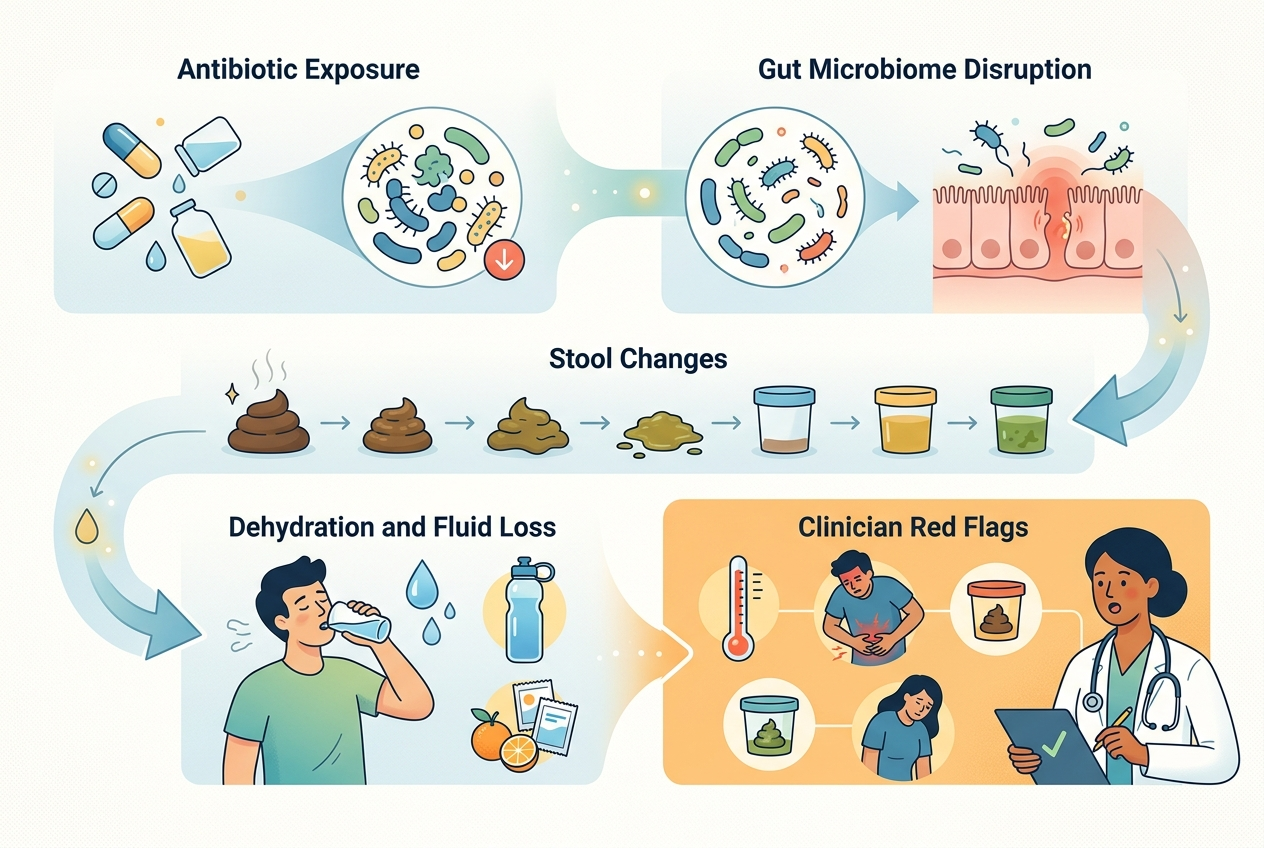
    High-fat, high-sugar, alcohol, caffeine, and heavily seasoned foods usually return too early in online advice. Fat slows gastric emptying, so burgers, pizza, creamy sauces, and rich desserts can intensify nausea or cramping during the first recovery window. Alcohol worsens dehydration. Coffee and energy drinks can stimulate the gut when diarrhea is still active. Large servings of raw vegetables, beans, and high-fiber cereals may also feel rough because the bowel is still sensitive after infection or toxin exposure. Milk can be temporarily hard to tolerate because short-term lactase activity sometimes drops after gastroenteritis, a pattern described in clinical references such as the NCBI overview of gastroenteritis. The safest rule is simple: if a food is greasy, spicy, acidic, very sweet, or very fibrous, it usually belongs later, not first.

    When can you return to your normal diet?

    Most people can widen their diet once fluids stay down, urination normalizes, and bowel urgency is clearly improving, but the timeline varies with severity and age. A practical progression is bland starches first, then lean protein, then cooked vegetables, then normal mixed meals over one to three days. The CDC notes that warning signs such as bloody diarrhea, high fever, dehydration, neurological symptoms, or symptoms lasting longer than expected deserve medical evaluation rather than food experimentation. Appetite is not the only marker. Energy level, dizziness, urine output, and symptom pattern matter too. A person who can eat a sandwich but still cannot keep up with fluids is not fully recovered. Return to your regular diet when your gut handles small, normal meals without renewed nausea, cramping, or urgent diarrhea.

    FAQ

    Is yogurt a good first food after food poisoning?

    Not usually. Yogurt contains protein and can contain live cultures, but dairy can feel hard to tolerate right after gastroenteritis. It often works better later, once nausea and urgent diarrhea have clearly eased.

    Are probiotics necessary after food poisoning?

    They are not mandatory for every case. Some probiotic strains, including Saccharomyces boulardii and Lactobacillus rhamnosus GG, have supporting evidence in some diarrhea settings, but food and fluid tolerance still matter most first.

    Can you eat eggs after food poisoning?

    Yes, once liquids and bland starches are staying down. Soft scrambled or boiled eggs are usually easier than greasy breakfast foods because fat load stays lower.

    How long should you eat bland foods?

    Usually one to three days, but symptom severity decides the pace. If bland foods still trigger vomiting, escalating pain, or repeated diarrhea, slow down and consider medical advice.

    Is soup better than solid food?

    Often yes in the earliest stage. Broth and simple soups replace fluid and sodium while placing less digestive demand on the stomach than a full plate of solid food.

    When should you get medical help instead of changing foods?

    Get help if dehydration signs, blood in stool, high fever, persistent vomiting, severe weakness, confusion, or prolonged symptoms appear. Food choices support recovery, but they do not replace assessment when red flags are present.